Table of Contents >> Show >> Hide
- Introduction: The Tiny Brush That Makes Dust Regret Its Life Choices
- What Is a Goat Hair Corner Brush?
- Why Goat Hair Works So Well for Dusting
- Best Uses for Goat Hair Corner Brushes
- How to Use a Goat Hair Corner Brush Correctly
- Where Not to Use a Goat Hair Corner Brush
- Goat Hair Brush vs. Microfiber Cloth vs. Synthetic Brush
- How to Choose the Best Goat Hair Corner Brush
- How to Clean and Maintain a Goat Hair Corner Brush
- Practical Cleaning Routine for Hard-to-Reach Spaces
- Specific Examples: Where This Brush Becomes Surprisingly Useful
- Buying Tips: What Makes a Goat Hair Corner Brush Worth It?
- Common Mistakes to Avoid
- Extra Experiences: Living With Goat Hair Corner Brushes in Real Homes
- Conclusion: Small Brush, Big Difference
Note: This article is written as original, publication-ready web content based on real cleaning, detailing, preservation, and indoor-air-quality practices.
Introduction: The Tiny Brush That Makes Dust Regret Its Life Choices
Some cleaning tools announce themselves with roaring motors, flashing lights, and promises to “revolutionize” your Saturday. A goat hair corner brush does the opposite. It sits quietly, usually with a wooden handle and a cloud of impossibly soft bristles, looking like something a very tidy wizard might keep near the fireplace. Then it slips into ceiling corners, shelf edges, picture frames, vents, baseboards, cabinet grooves, and other dust hotels you forgot existed.
Goat hair corner brushes are designed for one very specific mission: removing dust from delicate and hard-to-reach spaces without scratching, scraping, or bullying the surface. Unlike stiff scrub brushes, which are great for grout but terrible for your grandmother’s antique mirror frame, goat hair brushes are soft, flexible, and excellent at gently lifting fine dust from tight corners. That makes them useful in homes, studios, workshops, libraries, showrooms, car interiors, and anywhere else dust gathers like it pays rent.
The main keyword here is simple: goat hair corner brushes. But the real story is about better cleaning with less drama. These natural bristle dust brushes are not made for heavy grease, soap scum, or mystery goo behind the stove. They shine when the job requires precision, gentleness, and reach. If your microfiber cloth cannot fit, your vacuum attachment is too clunky, and your finger wrapped in a paper towel is beginning to feel like a personal failure, this little brush may be the missing tool.
What Is a Goat Hair Corner Brush?
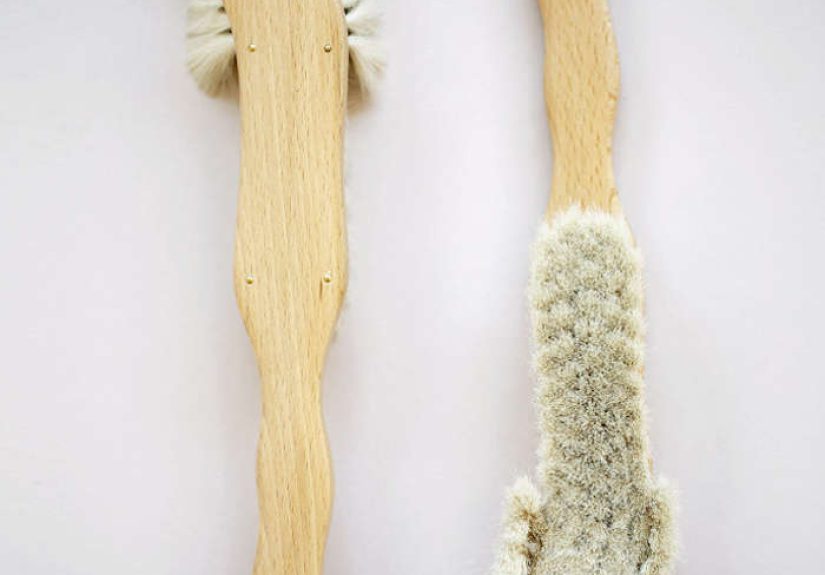
A goat hair corner brush is a specialized dusting brush made with soft goat hair bristles, often attached to a wood handle. Many versions feature an angled, curved, or narrow brush head so the bristles can reach into corners, seams, crevices, trim details, and other awkward areas. The shape matters. A flat cloth hits the front of a corner; an angled goat hair brush actually gets into it.
Goat hair is prized in cleaning tools because it is fine, pliable, and gentle. The bristles bend easily around carved details, molding, picture frames, lampshades, shelves, decorative objects, and smooth surfaces such as glass tables or piano finishes. That softness is the whole point. A goat hair brush is not trying to win an arm-wrestling contest against burnt casserole. It is trying to remove dust from delicate spaces without leaving scratches behind.
Why the Corner Design Matters
Dust loves corners because corners are lazy-cleaning zones. Airflow pushes particles into edges, gravity settles them into ledges, and most regular cleaning tools glide right past. A corner brush solves that with a head that can be angled, tapered, or fan-shaped. The bristles compress slightly, slide into the corner, and sweep dust outward where it can be collected by a vacuum, microfiber cloth, or damp wiping step.
This is especially useful for crown molding, ceiling corners, window tracks, cabinet interiors, display shelves, stair spindles, radiator covers, air vents, car dashboards, instrument panels, bookcase edges, and decorative trim. In short: all the places that look innocent until sunlight hits them and reveals the tiny gray sweater your room has been knitting.
Why Goat Hair Works So Well for Dusting
Not all bristles behave the same way. Synthetic bristles can be durable and washable, but some are too springy or firm for fragile surfaces. Boar bristles are popular for detailing and scrubbing, yet they can be stronger than needed for sensitive finishes. Goat hair is different. It is naturally soft and flexible, so it glides over surfaces rather than digging into them.
1. It Is Gentle on Delicate Surfaces
Goat hair corner brushes are excellent for delicate surface cleaning because the bristles are fine and smooth. They can dust around china, framed art, carved wood, lamps, collectibles, musical instruments, electronics exteriors, and decorative objects. When used correctly, they reduce the need to press hard, which lowers the chance of scratching or knocking something over.
2. It Reaches Where Cloths Cannot
A cloth is useful, but it has limits. Try pushing a cloth into a narrow carved frame or the inside corner of a cabinet door and you will quickly understand why specialized dusting tools exist. Goat hair bristles separate and flex, allowing them to enter small gaps while still covering uneven surfaces.
3. It Moves Dust Without Aggressive Scrubbing
Dust removal is not the same as stain removal. For dust, the goal is to lift and guide particles away, not grind them into the finish like seasoning on a cast-iron pan. A natural bristle dust brush lets you use a light sweeping motion, which is better for painted trim, polished wood, glass, lacquered surfaces, and display pieces.
4. It Feels Pleasant Enough That You Might Actually Use It
This sounds small, but it matters. A tool that feels good in the hand gets used more often. Many goat hair brushes have wooden handles, balanced shapes, and soft bristles that make dusting feel less like punishment and more like a tiny domestic ritual. Is it glamorous? Not exactly. But compared with dragging out a heavy vacuum for one dusty shelf corner, it feels delightfully civilized.
Best Uses for Goat Hair Corner Brushes
The best goat hair corner brush is not a replacement for every cleaning tool. It is a detail specialist. Think of it as the polite negotiator sent into narrow spaces before the bigger tools arrive.
Ceiling Corners and Cobwebs
Ceiling corners are famous for collecting cobwebs, dust strings, and mysterious fluff that appears overnight like it has union support. A long-handled or angled goat hair corner brush can sweep these areas gently without scraping paint or smearing dust across the wall. For high ceilings, pair the brush with an extension handle if the design allows it.
Baseboards, Trim, and Crown Molding
Baseboards and crown molding have ledges, grooves, and edges that collect fine dust. A goat hair brush can glide along these profiles and remove buildup from the details. For painted trim, use light pressure and follow with a microfiber cloth if needed.
Bookshelves and Display Cabinets
Dusting around books, ceramics, glassware, and collectibles can be risky with a bulky cloth. A goat hair dusting brush lets you clean around objects without moving every single item. That is excellent news for anyone with shelves full of “organized personality,” also known as many small things.
Picture Frames and Carved Wood
Ornate frames and carved furniture are where goat hair brushes really earn their keep. The bristles reach into grooves and raised details without forcing dust deeper into the pattern. This is particularly helpful for antique-style frames, carved chair backs, decorative mirrors, and furniture with turned legs.
Car Interiors and Air Vents
A small goat hair detail brush can help clean dashboard seams, infotainment edges, cup holder corners, air vents, gear shift areas, and console trim. Use it dry for dust, then vacuum the loosened particles. Avoid soaking the brush or pushing moisture into electronics. Your car’s dashboard wants attention, not a spa day.
Keyboards, Speakers, and Electronics Exteriors
For electronics, a soft brush can help remove dust from exterior crevices, speaker grilles, keyboard edges, and monitor stands. Always power devices off first, use a dry brush, and avoid forcing bristles into ports. For sensitive equipment, check the manufacturer’s cleaning guidance before beginning.
Radiators, Vents, and Narrow Slats
Radiator covers, return vents, shutters, and narrow slats collect dust in thin spaces. A flexible goat hair brush can reach between openings where a cloth bunches up. For heavier buildup, loosen dust with the brush and capture it with a vacuum fitted with a suitable attachment.
How to Use a Goat Hair Corner Brush Correctly
Using a goat hair corner brush is simple, but technique matters. Pressing too hard flattens the bristles and reduces their ability to sweep. The goal is to let the soft bristles do the work.
Step 1: Start Dry
Use the brush dry for ordinary dusting. Dry bristles move lightly across surfaces and reach into tight spaces. If you dampen goat hair unnecessarily, dust can clump, and the brush may need more time to dry afterward.
Step 2: Work From High to Low
Dust falls. It has never attended etiquette school. Begin with ceiling corners, upper shelves, frames, and tall furniture, then move downward to lower surfaces and floors. This prevents you from cleaning the same area twice.
Step 3: Sweep Dust Outward
Use short, gentle strokes to pull dust out of corners and grooves. Do not jab the brush into a crevice. Instead, angle the bristles, sweep outward, and collect the dust with a microfiber cloth or vacuum.
Step 4: Pair With a Vacuum for Heavy Dust
For thick dust, use the brush to loosen particles while holding a vacuum nozzle nearby. This method is especially helpful for vents, shelves, radiators, window tracks, and car interiors. A vacuum with good filtration can help prevent dust from blowing right back into the room, which is the cleaning equivalent of sending a boomerang.
Step 5: Finish With a Damp Cloth When Needed
For washable hard surfaces, follow with a lightly damp microfiber cloth after brushing. The brush handles the corners and details; the cloth captures the remaining fine particles on flat areas. This combination is simple, effective, and far less dramatic than chasing dust with a dry rag forever.
Where Not to Use a Goat Hair Corner Brush
A goat hair corner brush is wonderful, but it is not magic. It is not meant for greasy stove hoods, wet bathroom mildew, sticky spills, hardened food, outdoor mud, or heavy grime. For those jobs, use a dedicated scrub brush, cleaning solution, sponge, or steam-safe tool based on the surface.
Do not use goat hair on wet moldy areas, chemical cleaners, oily machinery, or rough masonry that can tear the bristles. Avoid using the same brush for greasy kitchen corners and delicate living room objects. Cross-contamination is real, and nobody wants last month’s stovetop residue gently brushed across a framed wedding photo.
Also, be cautious with raw wood, flaking paint, unstable gilding, fragile paper, or valuable antiques. If an object is historic, expensive, or emotionally irreplaceable, test gently in a small area or consult a conservation professional. “I saw it online” is not a restoration plan.
Goat Hair Brush vs. Microfiber Cloth vs. Synthetic Brush
Each cleaning tool has a personality. The microfiber cloth is practical and reliable. The synthetic brush is tough and washable. The goat hair corner brush is refined, delicate, and slightly fancy without being useless.
Goat Hair Corner Brush
Best for delicate dusting, tight corners, carved details, smooth finishes, decorative objects, vents, and hard-to-reach spaces. It is soft, flexible, and easy to control. It is not ideal for wet scrubbing or sticky messes.
Microfiber Cloth
Best for flat surfaces, damp dusting, polishing, and general cleaning. Microfiber captures dust well, but it cannot easily reach deep grooves, ornate carvings, or narrow seams.
Synthetic Detail Brush
Best for tougher areas where durability and washability matter. Synthetic bristles can handle more moisture and cleaning products, but some are too stiff for sensitive surfaces.
Boar Bristle Brush
Best for detailing tasks that require more agitation, such as automotive badges, wheels, textured trim, or durable surfaces. Boar bristles can be useful, but they may be firmer than needed for fragile home décor.
How to Choose the Best Goat Hair Corner Brush
Before buying a goat hair brush, think about where you will use it most. A brush for ceiling corners is different from one for a car dashboard. A brush for heirloom china is different from one for dusty radiator slats.
Look for Soft, Dense Bristles
The bristles should feel soft and full, not sparse or scratchy. Dense goat hair picks up dust more evenly and gives better coverage across uneven surfaces.
Choose the Right Head Shape
For corners, choose an angled, tapered, or fan-shaped head. For shelves and objects, a wider brush works well. For vents and narrow gaps, look for a slim brush with flexible bristles.
Check the Handle
A comfortable handle gives you better control. Wood handles are common because they are sturdy, attractive, and pleasant to hold. For high corners, consider a brush with a long handle or a design compatible with an extension pole.
Consider Dedicated Brushes
If you clean both home décor and car interiors, keep separate brushes. One brush can be for delicate indoor surfaces, another for vents, dashboards, or workshop areas. Label them if necessary. Future you will appreciate the tiny act of civilization.
Think About Storage
Goat hair bristles can bend if crushed in a crowded drawer. Choose a brush with a hanging loop or store it bristle-side up in a container. A good brush can last a long time when it is not being treated like a forgotten fork in the junk drawer.
How to Clean and Maintain a Goat Hair Corner Brush
Proper care keeps goat hair brushes soft and effective. After regular dry dusting, tap the brush gently outside or against your hand to release loose dust. You can also use a clean comb to lightly separate the bristles if they become tangled.
If the brush becomes very dirty, wash only when necessary. Use lukewarm water and a small amount of mild soap. Avoid hot water, harsh detergents, bleach, vinegar soaks, and aggressive scrubbing. Rinse gently, press out excess water with a towel, reshape the bristles, and let the brush air dry completely. Hanging it or laying it on its side helps protect the bristle shape.
Never store a damp goat hair brush in a closed cabinet. Moisture can damage natural fibers and create unpleasant odors. Let it dry in open air first. Once dry, store it away from heavy tools that could flatten the bristles.
Practical Cleaning Routine for Hard-to-Reach Spaces
Here is a simple routine that works for most homes. Once a week, use your goat hair corner brush on visible dust zones: shelf corners, baseboards, vents, electronics exteriors, lampshades, and picture frames. Once a month, go after the sneaky areas: ceiling corners, cabinet tops, window tracks, radiator covers, behind décor, and stair rail details.
For allergy-sensitive households, dust control matters even more. Regular dusting, vacuuming, reducing clutter, and controlling humidity can help keep indoor dust from building up. A goat hair brush is not a medical device, of course, but it is a useful detail tool in a broader cleaning routine. The brush loosens dust from awkward places; a vacuum and damp cloth help capture it.
The best strategy is not heroic cleaning once every six months. It is small, consistent cleaning that prevents dust from forming archaeological layers. Five minutes with a goat hair corner brush can make a room look sharper, especially around trim, shelves, and display areas.
Specific Examples: Where This Brush Becomes Surprisingly Useful
Example 1: The bookcase problem. You have a shelf full of books, small plants, candles, and one decorative object nobody can identify but everyone respects. Instead of removing everything, use a goat hair brush to sweep dust from the back corners, book tops, and object bases. Then vacuum or wipe the front edge.
Example 2: The car vent situation. Air vents collect dust quickly, especially if you drive with windows down. Use a small goat hair detail brush to loosen dust from the vent slats, then vacuum with a crevice tool. The dashboard instantly looks less like it survived a desert documentary.
Example 3: The frame rescue. Ornate picture frames gather dust in every carved curve. A microfiber cloth skims the surface, but goat hair bristles reach into the pattern. Use gentle strokes from top to bottom, and place a soft cloth below to catch falling dust.
Example 4: The baseboard revival. Run the brush along the top ledge of baseboards before vacuuming the floor. This removes the thin gray line that makes even a clean room look slightly neglected.
Buying Tips: What Makes a Goat Hair Corner Brush Worth It?
A high-quality goat hair corner brush should feel soft, balanced, and well-made. The bristles should be securely attached, the handle should feel comfortable, and the head shape should match your intended use. Handmade brushes often cost more, but they can also last longer with proper care.
Price is not the only sign of quality. Look for clear product details, such as bristle material, handle material, brush length, care instructions, and intended surfaces. Avoid brushes that make unrealistic claims. A goat hair brush can remove dust beautifully; it will not deep-clean grout, sanitize a bathroom, or fix your habit of storing batteries, receipts, and mystery keys in one drawer.
If you are new to goat hair brushes, start with one medium-size corner brush. Use it around your home for a few weeks. You will quickly learn whether you need a longer handle, a smaller detail brush, or a wider dusting brush.
Common Mistakes to Avoid
Pressing too hard: Soft bristles work best with light pressure. If you mash them flat, they cannot sweep properly.
Using it on sticky grime: Goat hair is for dust, not syrup, grease, or mystery kitchen fossils.
Skipping the vacuum step: Brushing moves dust. Capturing dust with a vacuum or cloth completes the job.
Using one brush everywhere: Keep separate brushes for delicate surfaces, car interiors, and dirty utility areas.
Storing it crushed: Protect the bristles so the brush keeps its shape.
Extra Experiences: Living With Goat Hair Corner Brushes in Real Homes
After using goat hair corner brushes in different spaces, one lesson becomes clear: they change the way you notice dust. Before owning one, many people clean only what is obvious. Tabletops, counters, floors, done. But once a soft corner brush enters the picture, you suddenly see the thin dust line on the top of a door frame, the powdery edge around a lampshade seam, the dusty little canyon between a bookshelf and the wall. It is not that your home became dirtier. You simply upgraded your vision, which is both satisfying and mildly annoying.
In living rooms, the brush is especially useful around entertainment centers. TV stands, speaker grilles, remote-control trays, console corners, and decorative shelves all collect dust in places that cloths miss. A goat hair brush lets you sweep around cords, small devices, and objects without unplugging the entire setup. The trick is to work slowly and keep a vacuum nearby. Brush first, vacuum second, admire third.
In kitchens, goat hair brushes are best used away from grease zones. They are wonderful for dry pantry shelves, cabinet corners, spice rack edges, pendant light shades, and window trim. They are not wonderful for the sticky top of a range hood. For that, use a degreaser-safe cloth or sponge. Think of the goat hair brush as the elegant finishing tool, not the brave soldier sent into the oil battlefield.
In bedrooms, the brush shines around headboards, lamps, window blinds, dresser trays, jewelry stands, and framed photos. It is also helpful for cleaning the corners of closet shelves where lint and dust gather. A quick weekly pass can make the room feel fresher without turning cleaning into a full production starring a vacuum, three attachments, and regret.
For home offices, a small goat hair detail brush is surprisingly handy. It can dust keyboard edges, monitor stands, desk organizers, cable trays, notebook stacks, and the little groove where your desk meets the wall. Always keep electronics dry and powered off when needed. The brush should remove dust, not introduce moisture or push debris into ports.
In cars, the experience is almost instantly rewarding. Dashboard dust is visible, stubborn, and oddly smug. A goat hair corner brush can sweep dust from air vents, seams, cup holder edges, door controls, and center console trim. Use feather-light strokes so dust lifts instead of smears. Follow with a vacuum or clean microfiber cloth. The interior looks cleaner fast, which is excellent because nobody wants passengers writing “wash me” on the dashboard.
For collectors, crafters, and people with display shelves, goat hair brushes feel less like cleaning tools and more like maintenance tools. They let you care for small objects without handling them constantly. That matters for fragile ceramics, model cars, figurines, framed art, wood carvings, and handmade items. Less handling means fewer accidents. Fewer accidents means fewer moments where you stand frozen, holding two pieces of something that used to be one piece.
The biggest practical advantage is consistency. Because the brush is small, quiet, and easy to grab, it encourages quick cleaning. You do not need to “start cleaning the house.” You can simply brush one shelf, one frame, one corner, one vent. Those tiny sessions add up. Dust does not get the chance to build a civilization.
The only real warning is that goat hair brushes can become oddly lovable. A well-made one feels good in the hand, looks nice on a hook, and turns detail cleaning into a calm little ritual. That does not mean everyone needs a premium brush. But for people who care about delicate surfaces, hard-to-reach spaces, and tools that do their job without making a racket, a goat hair corner brush earns its place.
Conclusion: Small Brush, Big Difference
Goat hair corner brushes are not flashy, but they are deeply useful. Their soft natural bristles, flexible shape, and gentle touch make them ideal for hard-to-reach spaces where dust hides and ordinary cloths fail. From ceiling corners and baseboards to display cabinets, car vents, carved frames, and electronics exteriors, these brushes offer precision without harsh scrubbing.
The best results come from using the brush as part of a complete routine: dust high to low, sweep dust outward, vacuum or wipe afterward, and keep the brush clean and dry. Choose the right size and shape for your space, avoid sticky or wet messes, and store the bristles carefully. Do that, and this humble natural bristle dust brush may become one of the most satisfying tools in your cleaning kit.
In a world full of loud gadgets and overcomplicated cleaning promises, the goat hair corner brush is refreshingly simple. It reaches, lifts, softens, and tidies. It does not need batteries. It does not shout. It just quietly removes dust from the places where dust thought it was safe.