Table of Contents >> Show >> Hide
- What Is Henna, Exactly?
- Henna Benefits for Hair
- Can Henna Help Hair Grow?
- How to Get Rich Auburn Locks With Henna
- What Color Will You Actually Get?
- Common Mistakes That Ruin the Auburn Dream
- Henna vs. Conventional Hair Dye
- Who Should Be Careful With Henna?
- Henna Hair Experiences: What the Journey Often Feels Like
- Final Thoughts
If your hair color mood board says glossy, warm, rich, expensive-looking auburn but your budget says please be serious, henna may be your new best friend. This ancient plant dye has been used for centuries, and it still has a loyal fan club for one simple reason: when it works well, it gives hair a vibrant, dimensional red-brown glow that looks less “boxed color emergency” and more “I just naturally glisten in the sun.”
Henna is not magic dust, and it is definitely not a shortcut for every hair goal. It will not turn black hair platinum. It will not politely erase every bad decision you made with bleach in 2024. What it can do is coat the hair, add warm pigment, boost shine, create the look of fuller strands, and help many people get that rich auburn tone without relying on a typical oxidative dye.
In this guide, you’ll learn what henna really does, the biggest henna benefits for hair, how to use it for beautiful auburn results, what mistakes to avoid, and what real-world experiences tend to look like when people make the switch.
What Is Henna, Exactly?
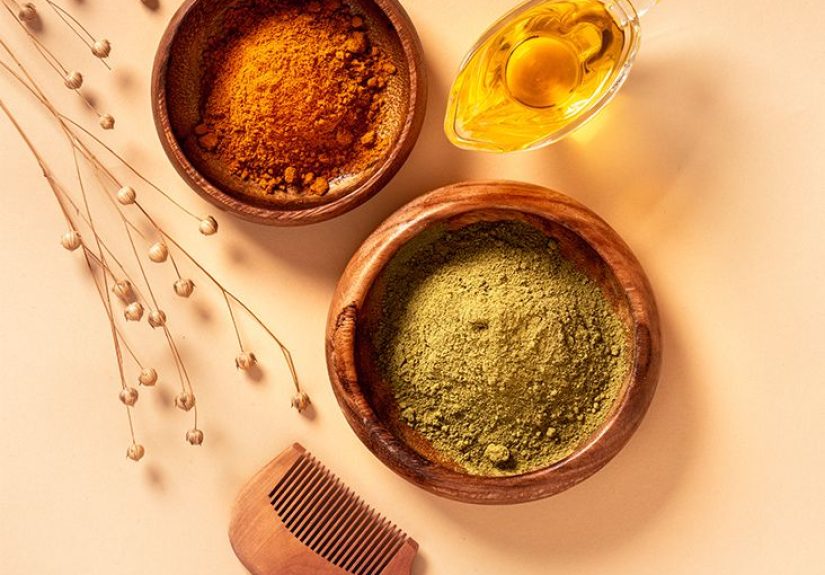
Henna is a plant-based dye made from the leaves of Lawsonia inermis. When the leaves are dried, ground into powder, and mixed into a paste, they release a dye molecule that binds to the outer layer of the hair. That detail matters because it explains why henna behaves differently from many salon or box dyes.
Instead of stripping your natural pigment and rebuilding the color from scratch, pure henna mostly stains and coats the hair shaft. That means the final shade depends heavily on your starting color. On lighter hair, henna can look bright copper or fiery red. On medium brown hair, it often lands in the sweet spot: warm auburn. On very dark hair, it usually shows up more like subtle mahogany or red highlights in the sunlight.
Translation: henna is a color enhancer, not a hair-color bulldozer.
Henna Benefits for Hair
1. It creates a naturally rich auburn tone
This is the star attraction. If you want hair that catches the light and looks warm, vibrant, and multidimensional, henna delivers a signature copper-red to auburn effect that many people find more natural-looking than flat artificial reds. It doesn’t scream for attention. It smolders a little. Very main-character energy.
2. It adds shine
One of the most loved henna benefits for hair is the glossy finish. Because henna smooths and coats the hair shaft, many users notice that their hair reflects light better after coloring. Auburn hair already tends to look luxurious when it shines, so henna and gloss are basically a very compatible couple.
3. It can make hair feel fuller
Henna tends to coat each strand, which can create the feeling of thicker, denser hair. If your hair is fine or limp, this can be a major bonus. You may not suddenly walk out with shampoo-commercial lion hair, but many people say their strands feel stronger and more substantial after treatment.
4. It can soften the look of grays
Henna is often used to tint gray hair, though the result depends on the formula and your base shade. Pure henna alone usually turns gray strands coppery or bright warm red. If your goal is a softer auburn blend, a reputable henna blend specifically labeled for auburn or brunette-auburn may give a more balanced finish.
5. It avoids some ingredients found in conventional dyes
Many people are drawn to henna because they want a plant-based option rather than a standard permanent color system. That said, “natural” does not automatically mean “risk-free.” You still need to do a patch test, and you absolutely want to avoid mystery powders or “black henna” products with questionable additives.
6. It can improve overall manageability
Some people notice less frizz, better smoothness, and easier styling after using henna. Hair that looks polished and lies neatly tends to show off auburn tones even better, because the light bounces across the surface instead of disappearing into a halo of flyaways.
Can Henna Help Hair Grow?
This is where the internet loves to get dramatic. Henna is often praised as a growth miracle, but the evidence is far less exciting than social media captions make it sound. Henna may help hair appear healthier because it adds color, shine, and body. Stronger-feeling hair may also break less, which can help you retain length over time.
But there is a difference between reducing breakage and directly speeding up hair growth. If you use henna expecting Rapunzel results by next Tuesday, your mirror may file a complaint. Think of henna as a cosmetic and conditioning color treatment first, not a scientifically proven hair-growth shortcut.
How to Get Rich Auburn Locks With Henna
Start with the right expectation
The best auburn henna results happen when your expectations match your starting point. If your hair is dark brown, henna can create a deep auburn glow. If your hair is light brown or dark blonde, the result may be brighter and more coppery. If your hair is gray or very light blonde, henna can come out noticeably orange-red unless you use a blend designed to soften it.
Choose pure, reputable henna
Read the ingredient list like a detective in a crime show. Pure henna should be simple. The fewer mystery additives, the better. Avoid products marketed as “black henna,” and be careful with bargain-bin dyes that do not clearly tell you what is inside. Reputable brands are worth it here because your hair is not a science fair volcano.
Do a patch test and a strand test
This is the least glamorous step and one of the most important. A patch test checks for skin irritation or allergy. A strand test shows you how the color will actually develop on your hair. This matters even more if your hair has been bleached, highlighted, relaxed, or dyed before. Henna can behave unpredictably on previously processed hair, and surprises are only fun when they involve birthday cake.
Apply to clean, detangled hair
Henna tends to grab best when hair is free from heavy oils, silicones, or styling buildup. Clean, dry or slightly damp hair usually works well, depending on the product instructions. Detangle first unless you enjoy the emotional complexity of mud plus knots.
Mix carefully
Most henna powders are mixed into a thick paste. Some people keep it simple with warm water. Others use brewed tea or a mild acidic ingredient to influence tone and dye release. Follow the brand’s directions first, because each formula behaves a little differently. Your goal is a smooth, spreadable paste, not red cake batter from a haunted bakery.
Section your hair and apply generously
Henna is not the moment for lazy application. Section your hair well and coat thoroughly from roots to ends. Uneven saturation can lead to patchy color, and patchy auburn is not a trend anyone requested.
Let it process, but do not overdo it
Processing times vary by product and hair type. In general, more time can deepen the result, but keeping henna on forever is not always better. Very long processing times may leave hair feeling dry, especially if the formula is low quality or your hair is already parched. Follow instructions, observe how your hair responds, and resist the urge to treat the timer as a dare.
Rinse well and let the color settle
After rinsing, henna often looks brighter at first and deepens over the next day or two as it oxidizes. So if your fresh color looks a little too coppery in the bathroom mirror, do not panic-text your group chat yet. Wait 24 to 48 hours before making a final judgment.
What Color Will You Actually Get?
On dark brown hair
Expect subtle richness, warm reflections, and a mahogany-auburn sheen that becomes more obvious in sunlight.
On medium brown hair
This is prime auburn territory. You’ll often get the prettiest balance of red and brown, which is exactly why henna is so popular for this range.
On light brown or dark blonde hair
The result may lean copper, cinnamon, or bright auburn depending on timing and formula. Beautiful? Often yes. Quiet? Not always.
On gray hair
Pure henna usually grabs hard and warm. Think coppery highlights or bold orange-red on lighter gray pieces. If you want a softer final result, choose a reputable auburn blend and always strand test first.
Common Mistakes That Ruin the Auburn Dream
Using black henna
Black henna is the villain in this story. It may contain p-phenylenediamine, or PPD, which is associated with dangerous skin reactions. If the packaging is vague, overly dramatic, or suspiciously magical, walk away.
Assuming henna can lighten hair
Henna does not bleach or lift natural pigment. It deepens, stains, and enriches. If your goal is lighter hair, henna is not your tool.
Skipping the strand test
Especially on processed hair, this is a classic “I’m sure it’ll be fine” mistake. Famous last words.
Using it right before a major salon color correction
Henna can complicate future chemical color services. If you think you may want to go lighter soon, talk to a professional colorist before you commit.
Choosing a low-quality blend
Cheap formulas with fillers, mystery salts, or poor processing instructions can leave hair dry, dull, or strangely colored. Not every bargain is a blessing.
Henna vs. Conventional Hair Dye
Henna and conventional dye are trying to solve different problems. Traditional permanent dye is better for major color changes, lifting, tone correction, and predictable salon-style shade control. Henna is better for enhancing warmth, building depth, adding shine, and embracing a richer version of what your hair can already do.
If you want icy beige blonde, henna is not your girl. If you want lush auburn with natural depth and a little earthy glamour, now we’re talking.
Who Should Be Careful With Henna?
Henna is not for everyone. Use caution if your hair is heavily bleached, extremely porous, severely damaged, or you plan to switch back to chemical color soon. Also be careful if you have a sensitive scalp, a history of dye reactions, or you are tempted by products with unclear ingredients.
Pure henna can be a lovely option, but sloppy product selection is how people end up telling horror stories on beauty forums at 1:12 a.m.
Henna Hair Experiences: What the Journey Often Feels Like
One of the most interesting things about henna is that the experience is rarely just about color. It becomes a whole ritual. For a lot of first-timers, the process starts with curiosity and a tiny bit of skepticism. The paste looks odd, the smell is earthy, and the application can feel like frosting your head with warm clay. Then comes the rinse, the cautious peek in the mirror, and the dramatic internal monologue: Wait… is this orange? Did I join a medieval festival by accident? But then the color settles. Within a day or two, the brightness usually deepens into something warmer, richer, and more believable. That is when many people finally understand why henna has such a devoted following.
Another common experience is surprise at how shiny the hair looks afterward. People often expect color and nothing more, but the mirror ends up showing smoother-looking strands and a glossier surface. On medium brown hair, especially, the auburn effect can be stunning because it does not look flat. Indoors, it may read as warm brown. Outside, it wakes up and flashes copper-red. A lot of users describe that moment as the reason they keep coming back. Their hair still feels like their own, just upgradedlike their natural shade learned better lighting and better posture.
There are also the gray-hair stories, and these are rarely boring. People covering scattered grays often notice that henna gives those lighter strands the brightest payoff, almost like natural highlights decided to switch teams and become copper ribbons. Some love that effect immediately because it makes the hair look vibrant and dimensional. Others are startled at first because the contrast is stronger than expected. That is why strand testing matters so much. Once people figure out the right blend, timing, and application method, many say the result looks softer and more interesting than a single flat salon shade.
Then there are the “I used to bleach my hair and now I crave peace” stories. These are some of the most relatable. People who are tired of harsh regrowth lines, dry ends, or constant chemical upkeep often find henna appealing because it feels slower and more intentional. It is not a five-minute, throw-the-box-away situation. It asks for patience. But for many, that patience becomes part of the pleasure. They mix the paste, put on old clothes, section their hair, and settle in. It becomes a weekend ritual rather than a rushed chore. And when the final result is a warm auburn glow that looks expensive without looking artificial, the time feels well spent.
Of course, not every experience is perfect. Some people find henna drying if they use it too often or leave it on too long. Some realize the color is more copper than auburn on their specific base. Some learn the hard way that “mystery henna” is a phrase that should inspire fear, not confidence. But even those less-than-perfect experiences tend to teach the same lesson: henna rewards patience, good product choices, and realistic expectations. When people treat it like a plant-based color system instead of a miracle shortcut, the results are usually far better.
What keeps henna in the conversation year after year is that the best outcomes feel personal. The color is never entirely one-size-fits-all. It reacts to your starting shade, your hair texture, your routine, and even your willingness to embrace a little unpredictability. That sounds scary on paper, but for many users it becomes part of the charm. Their auburn does not look copied and pasted. It looks lived in, warm, and individual. And honestly, in a world full of identical beauty trends, that may be one of henna’s biggest benefits of all.
Final Thoughts
If your dream hair is soft, shiny, warm, and unmistakably auburn, henna can be a smart and beautiful option. The biggest henna benefits for hair are not just about color. They include glow, body, dimension, and the kind of richness that makes hair look healthier and more alive.
The key is to use pure, reputable henna, test before committing, and respect the fact that plant color still requires strategy. Do that, and you may end up with the kind of rich auburn locks that make strangers wonder whether you were simply born with outrageously good hair. Feel free to let them wonder.