Table of Contents >> Show >> Hide
- What Is a Herringbone Coir Boot and Shoe Scraper?
- Why Coir Works So Well at the Door
- What the Herringbone Design Adds
- Best Places to Use a Herringbone Coir Boot and Shoe Scraper
- How to Choose the Right One
- Pros of a Herringbone Coir Shoe Scraper
- Possible Drawbacks to Know Before You Buy
- How to Clean and Maintain It
- Who Should Buy a Herringbone Coir Boot and Shoe Scraper?
- Experience: Living With a Herringbone Coir Boot and Shoe Scraper
- Final Thoughts
Note: Source links intentionally omitted as requested. Content is based on real-world product details, cleaning guidance, and entryway recommendations synthesized into original copy.
Some home products are flashy. Others just quietly save your floors from looking like a mud wrestling championship took place in the foyer. The herringbone coir boot and shoe scraper belongs firmly in the second category. It is not here to win a beauty pageant, although it does look surprisingly stylish. It is here to do the dirty work: scrape mud, trap grit, catch leaves, and stop mystery sidewalk crumbs before they march into your house like they pay rent.
If you have ever watched a pair of shoes drag in wet grass, gritty sand, or rainy-day sludge, you already understand the appeal. A good coir boot scraper gives people an obvious place to wipe their feet and gives dirt a final warning before it crosses the threshold. The herringbone version adds extra visual texture and a clever scraping layout that feels a little more polished than a plain mat. Think of it as a hardworking little gatekeeper with better posture.
This guide breaks down what a herringbone coir scraper is, why coir works so well, where this kind of scraper shines, what to look for before buying one, how to care for it, and what real-life use actually feels like. If you want an entryway that looks cleaner, functions better, and does not greet guests with a swampy mess, you are in the right place.
What Is a Herringbone Coir Boot and Shoe Scraper?
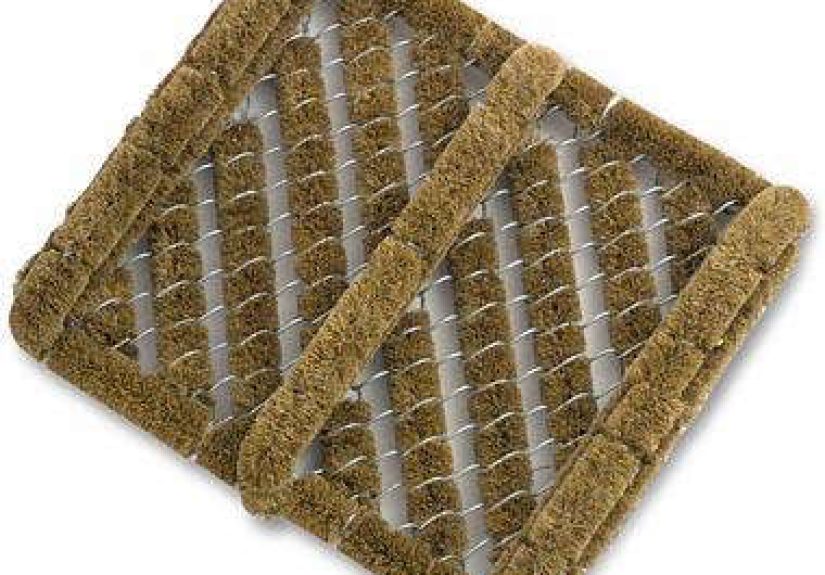
A herringbone coir boot and shoe scraper is a compact entryway scraper made from stiff natural coir fibers, usually supported by a wire or rubber frame. Coir comes from coconut husks, which explains why the mat feels sturdy, fibrous, and just abrasive enough to pull dirt from the bottoms and sides of shoes. The “herringbone” name usually refers to the angled arrangement of the coir bars or bristle sections, creating a zigzag-style pattern that looks neat while improving contact with different parts of a sole.
Unlike soft indoor rugs that politely ask dirt to leave, a shoe scraper is much more direct. Its job is to scrub. The bristles catch debris in grooves, edges, and little tread valleys that love to hide pebbles and dried mud. Many versions are compact enough for a narrow stoop, garage door, side entrance, or mudroom doorway, though larger herringbone coir scraper mats also exist for front-entry use.
In other words, this is not just décor pretending to be useful. It is a practical shoe scraper mat with actual attitude.
Why Coir Works So Well at the Door
Coir remains one of the most popular materials for outdoor mats and boot scrapers for a simple reason: it is rough in the most helpful way. Those natural fibers are stiff enough to brush away dirt and debris before it reaches your flooring, yet flexible enough to tolerate repeated foot traffic. That combination is what makes a coir doormat or scraper so effective at the front door.
1. It Scrapes Better Than Many Soft Mats
A plush mat may feel nice underfoot, but it often smears mess around rather than removing it. Coir has a tougher texture, so when someone drags a boot or twists a shoe across the surface, the fibers can pull off dried mud, dust, grass, and grit more efficiently.
2. It Helps Trap Debris at the Threshold
The whole point of an entryway mat is to stop the mess outside. Coir does that well because the bristles hold onto a surprising amount of debris until you shake, vacuum, or brush it out. It is not magic, but on a wet day it can feel suspiciously close.
3. It Brings a Natural Look
Coir has that earthy brown tone that works with farmhouse porches, modern black-and-white entries, rustic cabins, coastal homes, and “I just want the doorway to look decent” homes. A herringbone pattern adds a bit of design interest without screaming for attention.
4. It Makes Sense for Busy Households
Kids, dogs, delivery drop-offs, backyard traffic, muddy sneakers, gardening boots, work boots, rain boots, and sports cleats can all create chaos. A sturdy outdoor boot brush or scraper gives your home a first line of defense before all that mess relocates indoors.
What the Herringbone Design Adds
The herringbone layout is not just there to look crisp and tailored. The angled arrangement helps create a wider scraping pattern across the bottom of footwear. Instead of one flat brushing direction, the sole can make contact from multiple angles. That means the scraper can reach into treads and edges a little more effectively, especially when you drag your shoe across the surface instead of simply stepping on it.
Visually, the herringbone look also gives the scraper a more refined feel than a plain block of coir. That matters if you want a hardworking front door mat that does not look like it wandered over from a warehouse loading dock. It still feels practical, but with enough structure to blend into a styled porch, mudroom, or back entry.
Best Places to Use a Herringbone Coir Boot and Shoe Scraper
This type of front door mat works best in spots where people actually need to clean their footwear before walking inside. That sounds obvious, but placement is everything.
Front Porch
Use it just outside the main entrance if your household deals with dust, rain, leaves, or sidewalks that somehow manufacture dirt out of thin air. A larger herringbone scraper mat works best here, especially if guests use the entry often.
Back Door
Back doors often see the messiest traffic: gardening shoes, dog-walking shoes, muddy kid shoes, and “I’ll just run outside for a second” shoes that always return with half the yard attached. A coir scraper here earns its keep quickly.
Garage Entry
The garage-to-house door may be the MVP location. It catches work boots, wet sneakers, sports gear, and random driveway grit before it spreads across the kitchen or hallway.
Mudroom
In a mudroom, a herringbone coir scraper can work near the exterior door, ideally paired with an absorbent indoor mat or a boot tray. The scraper removes debris; the secondary mat helps with moisture. This two-step setup is a smart move in wet or snowy weather.
How to Choose the Right One
Not every coir boot scraper is created equal. Some are compact and simple. Others are heavier, larger, and designed for more aggressive outdoor use. Here is what to pay attention to before you buy.
Size
Compact scrapers are great for tight spaces, side doors, and mudrooms. Larger options suit front entries and households with more foot traffic. If the scraper is too small, people will step over it like it is a decorative suggestion rather than a useful tool.
Thickness and Bristle Density
A denser scraper usually feels more substantial and performs better over time. Thin, sparse bristles can wear out faster or feel less satisfying when you are trying to knock off real dirt.
Frame Material
Some herringbone scrapers use metal wire support, while others use rubber or mixed materials. A stable frame helps the scraper hold its shape under repeated scraping. It also matters for durability, especially in outdoor conditions.
Backing and Grip
If the scraper will sit on a slick surface, look for something with enough grip or weight to stay in place. A mat that slides around while you wipe your shoes is not a scraper. It is a low-budget slapstick routine.
Exposure to Weather
Coir is tough, but it is not invincible. If your entry gets nonstop soaking rain, standing water, or heavy snow buildup, you may want a covered location or a secondary all-weather mat solution. Coir performs best when it can dry between uses.
Pros of a Herringbone Coir Shoe Scraper
- Excellent scraping action: Great for removing dry dirt, dust, grass, and light mud from shoes and boots.
- Natural material: Coir has an organic look that fits many home styles.
- Compact options available: Perfect for narrow doorways, porches, or mudroom entries.
- Easy maintenance: Most versions can be shaken out, vacuumed, brushed, or lightly rinsed.
- Stylish pattern: Herringbone looks more elevated than a plain utilitarian scraper.
- Helps protect indoor floors: Less grit indoors means less cleanup and less wear on flooring.
Possible Drawbacks to Know Before You Buy
No mat is perfect, and a herringbone coir boot and shoe scraper has a few trade-offs.
First, coir can shed, especially when new. That is normal, but it can surprise people who expected the mat to behave like a disciplined little rectangle forever. Second, while coir handles outdoor use well, prolonged soaking or constantly wet conditions can shorten its life. Third, compact scrapers are more about scraping than water absorption, so they work best when paired with another mat indoors if moisture is a major issue.
Also, if you want a super soft, cushioned feel under bare feet, this is absolutely not that. Walking barefoot across a coir scraper is a fast reminder that this product was designed for boots, not spa vibes.
How to Clean and Maintain It
The good news is that maintenance is refreshingly simple. A shoe scraper mat is supposed to get dirty. That is literally the assignment. You just need to clean it often enough so it can keep doing its job.
Regular Cleaning
Shake it out every so often to remove loose debris. A vacuum works well for dust and finer dirt. A stiff brush can help loosen anything clinging to the bristles.
Deeper Cleaning
If the scraper gets especially grimy, you can gently scrub it and, depending on the product care guidance, rinse it lightly. Let it dry thoroughly before putting it back into service. A soaked mat that never dries is not living its best life.
Smart Placement for Longer Life
If possible, keep the scraper in a covered area such as a porch roof, overhang, enclosed entry, or mudroom threshold. Coir generally lasts longer when it is not sitting in constant puddles or relentless direct weather.
Seasonal Checkups
During rainy months, snowy months, or heavy gardening season, clean it more frequently. If the bristles flatten dramatically or the frame starts to lose structure, it may be time to replace it.
Who Should Buy a Herringbone Coir Boot and Shoe Scraper?
This kind of outdoor entry mat makes sense for people who value function but still want the doorway to look put together. It is especially useful for:
- Homes with kids who treat the yard like an extension of the living room
- Pet owners dealing with muddy paws and messy traffic
- Gardeners, hikers, and anyone with real boots instead of decorative boots
- Households with a garage entry or mudroom
- Anyone tired of sweeping the same patch of grit near the front door every single day
If your climate is dry, dusty, leafy, or mildly wet, a coir scraper can be a standout solution. If your climate is constantly soaked, snowy, or slushy, it still helps, but it works best as part of a layered entry system with an absorbent indoor mat or boot tray.
Experience: Living With a Herringbone Coir Boot and Shoe Scraper
Living with a herringbone coir boot and shoe scraper is one of those small home upgrades that does not seem dramatic on day one but becomes weirdly satisfying over time. At first, it just looks like a tidy little mat with a handsome zigzag pattern. Then the weather changes, people start tracking in dirt, and suddenly the scraper reveals its true personality: quietly competent and a little smug about it.
One of the first things many people notice is how naturally it changes behavior at the door. Guests see the scraper and instinctively wipe their shoes. Kids may still need a reminder because children operate under a special agreement with chaos, but adults usually get the hint. The angled coir sections feel substantial under a shoe, so using it is not confusing or subtle. It tells your soles, “We are handling this mess right now.”
In everyday use, the difference shows up on the floor inside. There is often less loose gravel near the threshold, fewer dried leaf fragments in the hallway, and a noticeable drop in that fine gritty dust that somehow appears after a rainy day. If you have hard flooring near the entrance, the benefit becomes even more obvious. Instead of hearing little bits of dirt crunch underfoot later, most of that debris stays outside where it belongs.
The scraper also shines during transition seasons. In spring, it helps with mud and lawn clippings. In summer, it catches sandy dirt, dry soil, and backyard traffic. In fall, it takes on leaves and that mysterious outdoor dust that loves to cling to sneakers. In winter, it can help knock off surface grime from boots before footwear moves onto an indoor boot tray or absorbent mat.
There is also something appealing about the look. A herringbone scraper feels more intentional than a random utility brush tossed by the door. It has texture, structure, and just enough style to look like part of the entryway instead of an afterthought. It pairs well with black planters, wood benches, metal lanterns, neutral siding, brick, stone, and simple seasonal décor. Basically, it behaves like a functional grown-up.
Maintenance is not difficult, which adds to the good experience. A quick shake usually handles loose dirt. A vacuum cleans up finer debris. If it gets especially messy, a brush and some light cleaning do the trick. The main lesson people learn is not to ignore it for too long. Once any scraper fills up with yesterday’s mud and last week’s leaf confetti, it cannot work as efficiently. A tiny bit of upkeep keeps it useful and looking sharper.
The only time people tend to get disappointed is when they expect one small scraper to solve every entryway problem by itself. It is excellent at scraping debris, but it is not a giant moisture sponge. In wet conditions, pairing it with an indoor mat gives the best result. Once homeowners figure that out, the setup feels smart rather than fussy.
Overall, the experience is less about dramatic transformation and more about daily relief. Less sweeping. Less grit. Less muttering at muddy footprints. That is the charm of a herringbone coir boot and shoe scraper. It handles the ugly part of coming home so the inside of your house does not have to.
Final Thoughts
The herringbone coir boot and shoe scraper is a simple product with a surprisingly strong payoff. It helps keep dirt outside, gives shoes and boots a proper place to unload their mess, and adds a natural, understated look to the doorway. The herringbone pattern makes it more visually interesting, while the coir construction keeps the performance practical and dependable.
For homeowners who want a better first line of defense against mud, grit, grass, and everyday outdoor mess, this kind of coir doormat earns its square footage. Put it in the right place, clean it occasionally, and pair it with an indoor mat if needed. Your floors will thank you, your broom will get a slight vacation, and your entryway will look like it has its life together.