Table of Contents >> Show >> Hide
- Why Kauni Threads Work So Well for Two-Color Arm Warmers
- What Makes Two-Color Arm Warmers So Visually Striking
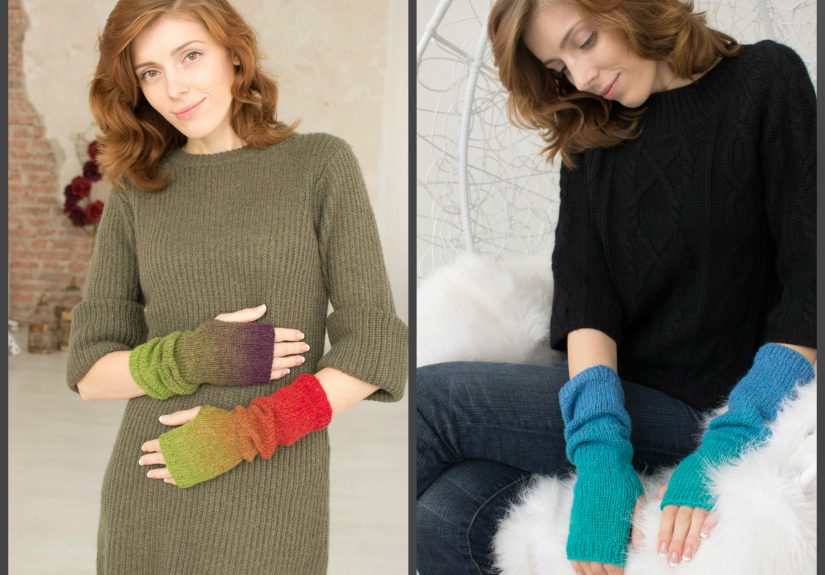
- A Closer Look at My Mom’s Arm Warmers
- Why Handmade Arm Warmers Feel More Special Than Store-Bought Ones
- If You Want to Make a Pair Like This, Here’s What Helps
- The Emotional Magic of Watching My Mom Knit Them
- Extra Experiences Related to “My Mom Created Beautiful Two-Colour Arm Warmers Of ‘Kauni’ Threads”
- Conclusion
- SEO Tags
Some families pass down silverware. Some pass down suspicious casserole recipes that should probably stay in the 1980s. In my family, beauty arrives in wool. Specifically, it arrives in the form of my mom sitting with knitting needles, a determined expression, and a ball of Kauni yarn that looks like a sunset had a very productive meeting with a rainbow.
That is how these two-colour arm warmers came to life: not as a trendy impulse buy, but as a slow, thoughtful, deeply satisfying handmade project. They are practical, yes. They are warm, yes. But they are also proof that a simple accessory can become wearable art when the right yarn, the right colors, and the right hands come together.
And if you have ever wondered why knitters become emotionally attached to yarn, this project is your answer. It is hard not to feel something when wool turns into a pair of arm warmers that look elegant enough for a winter market and cozy enough for a tea-fueled Sunday on the couch.
Why Kauni Threads Work So Well for Two-Color Arm Warmers
Kauni yarn has a reputation for doing something magical without being flashy about it. Its long color changes make even simple knitting look thoughtful, layered, and surprisingly sophisticated. In other words, the yarn is doing part of the design work while pretending to be innocent. A crafty little overachiever.
That matters a lot in arm warmers. These are small accessories, so every design choice shows. You do not have the giant canvas of a sweater or blanket to hide behind. If the yarn is dull, the project can feel flat. If the yarn is too chaotic, the piece can look like it lost a fight with a paint store. Kauni sits in that sweet spot: dynamic, but still balanced.
Long Gradients Create Movement
One of the most charming things about Kauni-style wool is the way the colors drift instead of shouting. The shades do not switch every few inches like an impatient traffic light. They roll slowly from one tone into the next, which gives finished arm warmers a painterly effect. My mom used that to her advantage by combining two shades that played nicely together instead of battling for attention.
The result was a pair of arm warmers with depth. Depending on the light, they seemed slightly differentmoodier indoors, brighter outside, softer after blocking. That kind of visual movement is hard to fake with ordinary solid yarns unless you introduce complex stitch patterns. Kauni makes the whole thing look effortless, which is rude but helpful.
Wool Gives Structure, Warmth, and Character
Pure wool is a dream for cold-weather accessories because it insulates well, has natural elasticity, and tends to bloom beautifully after washing. That bloom matters. A project can look slightly wiry or uneven fresh off the needles, then soften and settle into itself after blocking. My mom knew this, so she never panicked during the awkward middle stage when the arm warmers looked a little less “heirloom” and a little more “promising science experiment.”
That patience paid off. Once finished and gently washed, the fabric relaxed, the stitches evened out, and the two-color effect became more polished. Wool also adds the kind of grip and resilience that arm warmers need. They have to stay put, stretch comfortably, and still bounce back instead of drooping sadly like tired socks on your wrists.
What Makes Two-Color Arm Warmers So Visually Striking
Two-color knitting sounds simple, but it can be ridiculously effective. You only need a main shade and a contrast shade to create depth, rhythm, and pattern. That is why fingerless gloves and arm warmers are such beloved projects for knitters: they are small enough to finish without losing your mind, but dramatic enough to look impressive when done well.
Contrast Is Everything
My mom did not just pick two pretty colors. She picked two colors with contrast. That is the secret sauce. In colorwork knitting, if two shades are too similar in value, the pattern disappears. If they contrast well, every motif suddenly wakes up and introduces itself. This is true whether you are using stripes, corrugated ribbing, small motifs, or textured slip-stitch sections that mimic colorwork.
Her arm warmers had that exact kind of contrast: enough difference to make the pattern readable, but enough harmony to feel elegant rather than loud. Think “winter forest at sunset,” not “marker bin exploded in the hallway.”
Gauge Quietly Controls the Whole Project
Knitting gauge is not glamorous, but it is the boss of everything. If the stitches are too loose, arm warmers can feel floppy and let cold air in. If they are too tight, they become decorative wrist prisons. For projects like these, the best fabric is usually dense enough to hold shape while still stretchy enough to slide over the hand comfortably.
My mom approached gauge like a seasoned diplomat. She swatched, adjusted, and made sure the fabric felt right before getting too far. That may sound boring, but this is the difference between “I made these” and “Why does this look like it was knit for a very elegant baguette?”
Tension and Floats Matter More Than People Expect
Whenever knitters work with two colors, the unused strand travels behind the fabric in little lengths called floats. If those floats are too tight, the whole piece puckers. If they are too loose, fingers can catch in them and the fabric loses structure. Managing floats is one of those quiet technical skills that separates okay colorwork from beautiful colorwork.
My mom kept her tension even and her floats tidy, which gave the arm warmers a smooth finish inside and out. That may not sound dramatic, but trust me, neat floats are one of the knitting world’s most underappreciated flexes.
A Closer Look at My Mom’s Arm Warmers
These arm warmers were not oversized, chunky, or costume-like. They were refined. The cuff hugged the wrist without biting into it. The body warmed the forearm without feeling bulky inside a coat sleeve. The thumb opening sat where it should, which sounds obvious until you have worn badly designed hand warmers that make you question geometry itself.
The overall look was balanced: cozy enough for daily wear, beautiful enough to invite compliments. They did not scream for attention. They earned it.
The Cuff Set the Tone
She began with a cuff that had enough elasticity to keep the warmer anchored. A good cuff matters because arm warmers live a hard life. They get pushed up, tugged down, stuffed into pockets, and asked to cooperate with sweaters, jackets, and bags. If the cuff fails, everything fails. No pressure.
Her cuff looked neat and springy, giving the project a professional edge right from the start. It framed the colorwork nicely and made the entire piece feel intentional rather than improvised.
The Middle Section Showed Off the Yarn
The hand and forearm section was where the Kauni yarn really got to show off. The two colors played against each other beautifully, creating gentle variation and visual texture. Because Kauni gradients shift gradually, the arm warmers looked slightly different from angle to angle. That gave them a living quality, almost like the fabric was moving even when it was still.
This is exactly why small accessories can be so satisfying: you get the joy of a full color story in a project you can actually finish this season, rather than three winters from now after several identity crises.
The Thumb Opening Kept Them Practical
Pretty is nice, but useful is better. My mom’s arm warmers left the fingers free for real lifetyping, texting, holding a mug, rummaging through a bag, and pretending not to be cold while definitely being cold. The thumb opening sat cleanly and comfortably, so the warmers felt secure without restricting movement.
That combination of warmth and freedom is why arm warmers remain so beloved. Gloves are wonderful until you need to do literally anything. Arm warmers are the compromise that says, “I would like to be warm, but I still need to function as a person.”
Why Handmade Arm Warmers Feel More Special Than Store-Bought Ones
There is a difference between buying warmth and making it. Store-bought accessories can be lovely, but handmade pieces carry decisions inside them: yarn choice, tension, pattern, fit, finishing, and time. When my mom made these arm warmers, she was not just producing something practical. She was composing a small object from memory, skill, and instinct.
That is why handmade knitwear often feels more personal than expensive fashion. You can see the thought in it. You can feel the patience in the fabric. You know someone noticed details that a factory line never would.
And unlike mass-produced accessories that all seem to be available in the thrilling palette of beige, darker beige, and “charcoal but make it sad,” handmade arm warmers can actually have personality.
If You Want to Make a Pair Like This, Here’s What Helps
If my mom’s arm warmers prove anything, it is that beauty in knitting usually comes from a few smart choices done well, not from trying every trick in the book at once.
Choose Colors With Different Values
Do not just choose two colors you love. Choose two colors that can still be distinguished from a few feet away. Light versus dark, muted versus saturated, or warm versus cool can all work if the contrast is clear enough.
Swatch Before You Commit
Yes, swatching is the broccoli of knitting advice. Nobody gets wildly excited about it, but it is good for you and prevents later regret. With colorwork accessories, a small swatch tells you how the yarn behaves, whether the pattern reads clearly, and whether your floats are too tight.
Think About Daily Wear
Arm warmers need to fit your real life. Are they for typing? Walking outside? Layering under coat sleeves? A dressier pair might be slightly longer and more elegant, while an everyday pair should survive constant use and mild chaos. My mom’s pair hit that sweet spot perfectly: beautiful enough to feel special, practical enough to wear often.
Block the Finished Pair Properly
Blocking is where knitting stops looking homemade in the accidental sense and starts looking handmade in the impressive sense. A good wash and careful shaping can transform the whole project, especially with wool. The stitches settle, the pattern opens up, and the fabric becomes more coherent. In short, the warmers stop looking like they just woke up.
The Emotional Magic of Watching My Mom Knit Them
What stayed with me most was not just the final look of the arm warmers, but the process of watching them come together. My mom would sit down with the yarn, study the colors, and keep going one round at a time. There was nothing rushed about it. No fake productivity. No “hack.” Just steady skill and quiet concentration.
That kind of making feels rare now. We live in a world that wants everything instantly, preferably while blinking and also somehow multitasking. But knitting refuses to be hurried. It asks for patience. It rewards attention. And in return, it gives you something warm enough to wear and meaningful enough to keep.
Maybe that is part of why these arm warmers feel so beautiful. They are not just stylish accessories. They are visible time. Visible care. Visible craftsmanship. And when you know the person who made them, they become even more than that.
Extra Experiences Related to “My Mom Created Beautiful Two-Colour Arm Warmers Of ‘Kauni’ Threads”
I still remember the first time I saw the yarn before it became anything useful. It looked too pretty to touch, honestly. The colors rolled through the ball in long, shifting waves, and I could not quite imagine how all of that would turn into something as structured as arm warmers. My mom, of course, had no such doubts. She looked at the yarn the way a good cook looks at ingredientsalready seeing the finished result while the rest of us are still standing there wondering if this is soup or a science project.
As the knitting progressed, I noticed how often she paused just to hold the work up and study it. Not because something was wrong, but because handmade things ask to be observed. She would turn the piece in the light, look at how the two colors behaved beside each other, and then continue. Sometimes she unraveled a few rows and redid them. That impressed me more than the perfect rows did. It reminded me that craftsmanship is not about never making mistakes. It is about caring enough to fix them before they become permanent roommates.
There was also something comforting about the rhythm of the whole process. Needles clicked, yarn moved, and slowly a flat beginning became a shaped object with purpose. In a strange way, the arm warmers changed the room while they were being made. Everything felt calmer. Maybe knitting always does that. Maybe watching someone make something useful by hand resets your brain a little.
When the pair was finally finished, the reaction in the family was immediate. People reached for them. They stretched them gently, admired the colors, and asked the same question handmade objects always inspire: “You made these?” That question sounds simple, but it carries genuine wonder. In a world stuffed with machine-made things, people still recognize the difference when an item has been made slowly and well.
The best part came later, when the arm warmers entered ordinary life. They were worn on chilly mornings, on walks, while holding coffee, while reading, while doing all the boring little tasks that actually make up a day. That is when I realized the project had succeeded on every level. The arm warmers were not fragile or overly precious. They were beautiful, yes, but they were also useful, repeat-wear useful, which may be the highest honor any knitted accessory can receive.
Even now, when I think about them, I do not just picture yarn and needles. I picture my mom’s confidence, her eye for color, and the patience it took to turn two strands into something elegant and lasting. The arm warmers feel like proof that beauty does not have to be loud to be memorable. Sometimes it is quiet, woolly, expertly made, and sitting right there on someone’s wrists while the weather tries its best.
Conclusion
My mom’s two-colour arm warmers made from Kauni threads are a perfect example of what happens when strong materials meet thoughtful craftsmanship. The long gradients, the warmth of wool, the balanced color contrast, and the careful finishing all helped transform a modest accessory into something memorable.
They are practical enough for real life, beautiful enough to draw attention, and personal enough to feel irreplaceable. More than anything, they show why hand-knitted pieces still matter. They carry warmth, yes, but they also carry intention. And that is the kind of luxury no department store can really duplicate.