Table of Contents >> Show >> Hide
- What “Draw A Furry” Actually Means
- Why This Prompt Works So Well
- How To Create a Furry Character That Feels Alive
- Fun Ideas for a “Hey Pandas, Draw A Furry” Prompt
- How To Participate Without Overthinking It
- Mistakes To Avoid
- Why “Hey Pandas, Draw A Furry” Has Real Creative Value
- Experiences Related to “Hey Pandas, Draw A Furry”
- Conclusion
Some internet prompts ask for opinions. Some ask for photos. And then there are the glorious little chaos-sparks that ask people to make something. “Hey Pandas, Draw A Furry” is exactly that kind of prompt: simple, weirdly wholesome, and packed with creative potential. It invites artists, doodlers, digital painters, and people who have only ever drawn a suspicious-looking stick cat in the margin of a notebook to jump into the same playful space.
At its core, this kind of challenge is about drawing an anthropomorphic animal character. That sounds fancy, but the idea is easy: give an animal human-like qualities such as posture, clothing, expression, personality, or a backstory. Think less “biology lecture” and more “fox barista with strong opinions about oat milk.” In community-driven spaces, prompts like this work because they remove the pressure of perfection. You are not being asked to create the next museum masterpiece. You are being asked to have fun, make a character, and share your imagination with other people who are also one sketch away from drawing a wolf in a hoodie.
That is why “Hey Pandas, Draw A Furry” has such sticky appeal. It blends fandom energy, art challenge culture, and character design into one neat little burrito of creativity. It also gives artists a chance to experiment with style, identity, humor, and storytelling without needing a giant canvas or a ten-part plan. One prompt. One character. Endless possibilities. Not bad for a sentence that sounds like it was written during a very caffeinated lunch break.
What “Draw A Furry” Actually Means
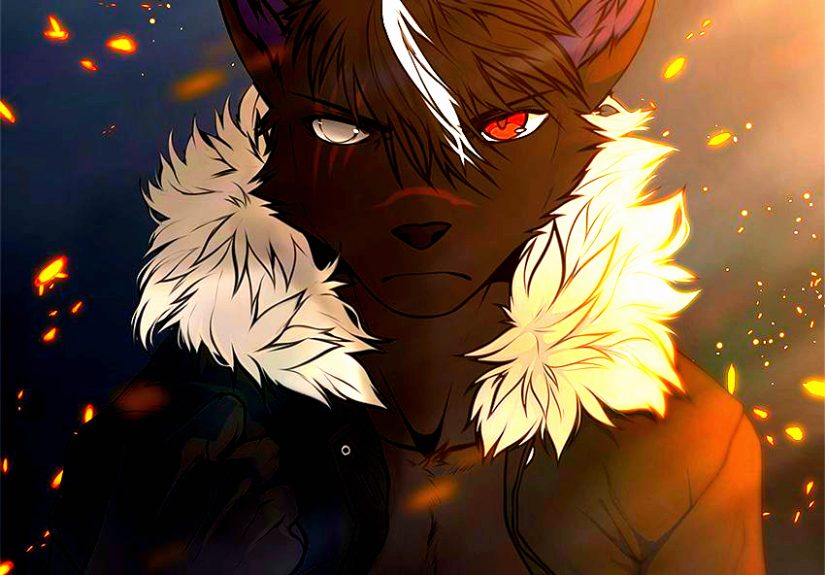
A furry character is an animal-inspired character with human traits. That does not mean there is one official furry style, one official furry species, or one official furry outfit. No secret committee is judging whether your raccoon looks “furry enough.” A furry can be a cartoon red panda in sneakers, a dramatic snow leopard warrior, a polite deer librarian, or a chaotic crow who probably steals shiny objects and definitely denies it.
The appeal comes from flexibility. Furry art often sits at the crossroads of animal anatomy, fashion design, storytelling, and emotional expression. Artists can exaggerate paws, ears, tails, fur patterns, and posture while still borrowing human body language to make the character readable. A grin, a slouch, raised eyebrows, or hands in pockets can tell you more about a character than a paragraph of explanation ever could.
Common Directions Artists Take
Some artists lean cute and cozy. They draw soft shapes, oversized eyes, and sweater-weather energy. Others go bold with sharp silhouettes, fantasy armor, dramatic lighting, and enough attitude to power a small city. Some prefer realistic animal features blended with human proportions. Others go fully cartoon and let a fox wear roller skates because logic is a suggestion, not a prison.
That variety is exactly what makes a “Hey Pandas” style prompt work so well online. Everyone starts with the same basic idea, but no two results look alike. One person posts a polished digital illustration. Another uploads a pencil sketch with coffee stains and charm. A third creates a character sheet with expressions, outfits, and a tiny note that says, “He bites, but only emotionally.” Suddenly the thread feels alive.
Why This Prompt Works So Well
Good community prompts have three ingredients: they are easy to understand, open enough for interpretation, and fun to share. “Draw a furry” checks every box. It is specific enough to give people direction, but broad enough to let them personalize the result. That balance matters. A prompt that is too vague makes people freeze. A prompt that is too rigid makes everyone produce variations of the same thing. This one lands in the sweet spot.
It also taps into a long artistic tradition. Humans have been fascinated by animal-human blends, animal characters, and storytelling through creatures for centuries. From fables and comic strips to mascots, children’s books, fantasy art, and animation, anthropomorphic animals keep showing up because they are expressive, memorable, and often a little disarming. A tiger in a suit can say something serious without feeling stiff. A rabbit in boots can feel heroic in half a second. A panda with a sketchbook? Instantly relatable.
Online, the prompt works because it encourages participation instead of passive scrolling. People do not just read it and move on. They think, “Okay, but what would my furry look like?” That question flips the brain from audience mode into creator mode. And once people start making things, they are far more likely to comment, compare styles, swap tips, and come back for the next challenge.
How To Create a Furry Character That Feels Alive
Start With Species, Then Personality
Most beginners make the same mistake: they start with details before they know who the character is. Do not begin with eyelashes, belt buckles, and fur highlights. Start with the animal and the vibe. Ask basic questions. Is your character confident or awkward? Fast-talking or calm? Fancy or feral? A wolf and a bunny can both be shy, but they will express shyness differently. Species shapes behavior in visual storytelling, even when the character is fully fictional.
A fox might suggest sly cleverness, a bear might suggest steadiness, a cat might suggest elegance or menace depending on the eyebrows, and a crow might suggest trouble in the most delightful possible way. You do not need to follow stereotypes too closely, but they can help you establish a first impression. Once you know the personality, design choices become easier.
Build a Clear Silhouette
Strong character design begins with shape. If someone squints at your drawing and can still tell whether the character is tall, scrappy, regal, goofy, or chaotic, you are doing great. Broad shoulders, a fluffy tail, giant ears, narrow legs, a big coat, tiny glasses, oversized bootsthese details help create a recognizable silhouette. The best furry designs often read clearly even before color is added.
This is why so many memorable characters feel instantly iconic. Their shapes do the heavy lifting. The silhouette says, “Yes, I am a red panda mechanic,” long before the viewer notices the grease stains or wrench keychain.
Use Real Animal Cues
Even highly stylized furry art benefits from observing actual animals. Watch how foxes stand, how birds tilt their heads, how cats curl, or how deer hold themselves when alert. Real behavior gives your design a grounding effect. It keeps the character from feeling like a generic human with surprise ears glued on top.
For example, a rabbit-inspired character might feel more authentic if they have a springy posture, quick gestures, and an alert expression. A raccoon character might have nimble hands, clever eyes, and the energy of someone who absolutely would open your snack drawer without permission.
Let Clothing Tell the Story
Clothing in furry art should reveal personality, not just decorate the page. A patched denim jacket says something different from a velvet cape. Fingerless gloves suggest action. Round glasses suggest thoughtfulness. A messenger bag says “organized,” unless the character is clearly not organized, in which case it says “optimistic.”
The best outfits support the species and the story. A snow leopard in a heavy winter coat may look cool, but it also raises the question: why is this snow leopard dressed like it lost a fight with the thermostat? Design choices should feel intentional. Add one or two distinctive accessories instead of dumping every idea into the same drawing like a craft store exploded.
Focus on Expression Before Fur Texture
Beginners often worry about rendering every strand of fur. Please do not let one character’s elbow fluff ruin your day. Expression matters more. A good face, readable body language, and a clear pose will always beat a thousand carefully shaded hairs with no personality behind them. Start with emotion. Is your character grinning, nervous, bored, smug, curious, or ready to commit cartoon-level nonsense? Get that right first.
Fun Ideas for a “Hey Pandas, Draw A Furry” Prompt
If you are writing, joining, or expanding this kind of challenge, it helps to give people a few creative lanes. Here are some versions that naturally invite more participation:
Draw a furry based on your personality
This version makes the character feel personal without requiring people to reveal anything too deep. Introverts might draw owls, extroverts might draw parrots, and sleep-deprived students might draw raccoons holding iced coffee like emotional support equipment.
Draw a furry version of your favorite hobby
A gaming wolf, a gardening rabbit, a skateboarding lizard, or a book-loving panda can quickly turn into memorable characters. Hobby-based prompts help people tell a story in one image.
Draw a furry with a job they absolutely should not have
This is where comedy enters the chat. A clumsy giraffe barber. A dramatic cat meteorologist. A squirrel accountant who keeps losing the receipts. Silly prompts often get the most comments because viewers immediately understand the joke.
How To Participate Without Overthinking It
The best way to join a furry drawing challenge is to lower the pressure and raise the curiosity. Sketch first. Clean up later. Many great community posts are not perfect illustrations; they are energetic, funny, and full of personality. A rough drawing with a clever concept can be more memorable than a polished piece that feels emotionally flat.
It also helps to remember basic online art etiquette. Credit your references if you used them. Be respectful when commenting on other people’s work. Keep public challenge entries audience-appropriate unless the space clearly says otherwise. And if you love someone’s character design, say what you actually love. “The pose is great” is nice. “The slouched shoulders and striped tail make this character feel mischievous in the best way” is far better.
That kind of thoughtful participation builds the kind of thread people want to return to. A challenge becomes a community when people feel encouraged, not mocked. Art grows faster in good light. Also, nobody has ever improved because someone typed “lol weird” and hit send like a Victorian villain.
Mistakes To Avoid
One common mistake is trying to copy the most popular furry art style instead of finding your own. Inspiration is normal. Carbon-copying someone else’s visual voice is less impressive. Another mistake is overdesigning the character. Too many patterns, accessories, and competing ideas can make the drawing feel noisy. Pick a few features and let them shine.
Artists should also avoid flattening every species into the same face with different ears. A wolf, cat, deer, and fox should not all look like cousins who borrowed each other’s hairstyles. Push the differences in muzzle shape, posture, eye placement, and movement. That is where the character starts to feel specific.
And finally, do not confuse “furry art” with one narrow aesthetic. The genre is far broader than people think. It can be cute, comic, moody, cinematic, painterly, graphic, realistic, or delightfully unhinged. The point is not to fit inside a box. The point is to build a character who feels believable inside their own little universe.
Why “Hey Pandas, Draw A Furry” Has Real Creative Value
This prompt is not just internet fluff, though it is admittedly very fluffy. It teaches useful creative skills. Artists practice character design, visual shorthand, emotional expression, and audience-friendly storytelling. They learn how to communicate identity quickly, how to balance animal and human traits, and how to create a piece people want to stop and look at.
For communities, prompts like this are even more valuable. They help shy creators participate without needing a long introduction. They make room for humor. They reward experimentation. And because furry characters often act like mirrors for personality, they let artists explore self-expression at a slight angle. Sometimes drawing a confident tiger is easier than admitting you wish you felt braver. Art has sneaky ways of telling the truth while wearing a tail.
Experiences Related to “Hey Pandas, Draw A Furry”
One of the most interesting things about a prompt like “Hey Pandas, Draw A Furry” is how different the experience feels depending on who joins. For a beginner, it often starts with hesitation. They stare at a blank page, wonder whether they are “good enough,” and spend ten minutes deciding between drawing a fox, a wolf, or a panda because apparently choosing an animal now feels like selecting a college major. Then something shifts. They sketch a head shape, add ears, throw in a hoodie, and suddenly the character starts looking back at them. That is the hook. Once the drawing has expression, the pressure drops and curiosity takes over.
For more experienced artists, the experience tends to feel like a creative playground. Instead of building a huge portfolio piece, they get to test ideas fast. Maybe they try a looser brush style. Maybe they experiment with exaggerated paws, new color palettes, or sharper silhouettes. A furry challenge can become a low-stakes laboratory for character design. Because the prompt is playful, artists often take bigger visual risks. That freedom is part of the fun.
There is also a strong social element. In community threads, people do not just post finished work and disappear. They compare species choices, joke about accidental similarities, and compliment tiny details like freckles, ear fluff, or dramatic jacket collars. Someone posts a sleepy bat in pajamas. Someone else replies with a caffeinated possum in a varsity jacket. Before long, the thread feels less like a gallery and more like a neighborhood block party for people who own too many sketchbooks.
Another common experience is discovering that the character reveals more about the artist than expected. A person may begin by saying, “I’m just drawing a random animal,” then somehow end up with a character that shares their favorite colors, wardrobe style, energy level, and emotional state. Funny how that happens. The supposedly random crow has the exact same tired eyes and chaotic backpack as the person drawing it. The “totally fictional” rabbit also loves tea, oversized sweaters, and staying home. What a coincidence.
There is often a confidence-building effect too. Because furry art welcomes stylization, artists do not feel trapped by realism. They can simplify hands, exaggerate expressions, and design around their strengths. A person who struggles with realistic anatomy may thrive when drawing a bouncy otter character with cartoon proportions. A digital artist used to clean linework may discover they love textured brushes for fur. A traditional artist may realize colored pencils work beautifully for soft ears and striped tails. The challenge becomes less about proving skill and more about discovering methods that feel natural.
Perhaps the most meaningful part of the experience is that it invites participation without demanding perfection. That matters online, where so many people quietly assume they are not talented enough to join in. “Hey Pandas, Draw A Furry” says, in effect, bring what you have. Bring your neat line art, your messy doodles, your dramatic shading, your silly ideas, your one good pen, your borrowed tablet, your panda in a beanie, your wolf with social anxiety, your lizard chef, your fox DJ, your chaos raccoon. It is one of those rare prompts that can be funny, creative, welcoming, and surprisingly expressive all at once. And honestly, the internet could use more of that energy.
Conclusion
“Hey Pandas, Draw A Furry” is more than a quirky prompt. It is a compact creativity engine. It gives people a reason to draw, a framework for character design, and a friendly excuse to share art without acting like every sketch needs to be framed in a gallery under dramatic lighting. Whether you are a beginner making your first fox character or an experienced artist designing a fully realized fursona with a backstory, the challenge offers something useful: freedom with just enough structure to get started.
And that is the real charm. The best prompts do not just collect content. They spark participation, build community, and remind people that art can be skill-building and fun at the same time. So yes, draw the furry. Make it stylish, awkward, elegant, chaotic, cozy, noble, or absolutely ridiculous. Then post it. The pandas are waiting.