Table of Contents >> Show >> Hide
- Why Hair Falls Out in the Shower
- How Much Hair Loss in the Shower Is Normal?
- Normal Shedding vs. Hair Loss: What Is the Difference?
- Signs Your Shower Hair Loss May Be Too Much
- Common Reasons You May Lose More Hair in the Shower
- Does Washing Your Hair Cause Hair Loss?
- How To Reduce Hair Breakage in the Shower
- Should You Count the Hairs?
- When To See a Dermatologist
- Practical Examples: What Different Shower Shedding Can Mean
- How To Keep Your Hair and Scalp Healthier
- Personal Experiences and Everyday Lessons About Shower Hair Loss
- Conclusion
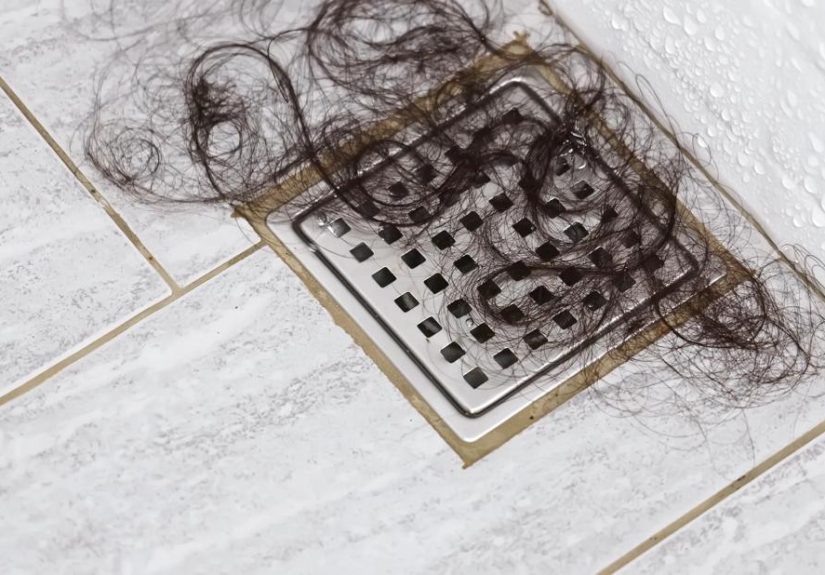
Few bathroom discoveries feel as dramatic as looking down after shampooing and seeing what appears to be a tiny hair monster circling the drain. Before you start naming it, take a breath. Losing hair in the shower is often completely normal. In fact, the shower simply makes everyday shedding more visible because loose strands that were already ready to fall finally get rinsed away.
So, how much hair is normal to lose in the shower? For most adults, losing about 50 to 100 hairs per day is considered normal, and some experts place the common daily range closer to 50 to 150 strands. That does not mean every strand exits politely one at a time throughout the day. Many hairs collect during brushing, styling, sleeping, or washing, which is why shower hair loss can look more alarming than it actually is.
The real question is not, “Did I lose hair today?” Everyone does. The better question is, “Has my usual shedding pattern changed?” If your drain looks a little hairy after wash day but your part, hairline, and overall volume look the same, your scalp may simply be running its regular housekeeping program.
Why Hair Falls Out in the Shower
Hair grows in cycles. Some strands are actively growing, some are transitioning, and some are resting before they shed. When a resting hair is ready to leave the scalp, it may hang around until something nudges it out. Shampooing, massaging your scalp, rinsing, conditioning, detangling, and towel drying can all help loosen hairs that were already on their way out.
Think of the shower as the grand finale, not necessarily the cause. If you wear your hair up all day, use styling products, or wash only a few times per week, loose strands may stay trapped until wash day. Then they appear all at once, creating the illusion that your shampoo has personally betrayed you. In most cases, it has not. It is just the messenger, and unfortunately, the messenger is clogging your drain.
How Much Hair Loss in the Shower Is Normal?
A normal amount varies depending on your hair length, thickness, wash schedule, curl pattern, and styling routine. Someone with short, fine hair may barely notice shedding. Someone with long, dark, curly hair may see a very visible clump and feel like they just donated enough hair to make a tiny sweater.
Daily washers
If you wash your hair every day, you may see fewer hairs per shower because shedding is spread out. You might notice 20, 40, or 60 strands, depending on your natural density and routine.
People who wash every few days
If you wash two or three times per week, more loose hairs may gather between washes. Seeing a larger amount on wash day can still be normal because several days of shed hair may be coming out together.
Curly, coily, or textured hair
Curly and coily hair can hold shed strands within the curl pattern until detangling. This means shower shedding may look heavier, especially during conditioner comb-through. The volume may seem shocking, but it can simply represent accumulated shedding.
Long hair
Long strands look more dramatic than short ones. Fifty long hairs can look like a small woodland creature. Fifty short hairs may barely register. The number may be similar, but the visual impact is completely different.
Normal Shedding vs. Hair Loss: What Is the Difference?
Hair shedding and hair loss are often used like the same thing, but they are not identical. Shedding means strands naturally fall out as part of the hair cycle. Hair loss means something is preventing hair from growing normally or replacing what has shed.
Normal shedding usually does not create bald patches, a rapidly widening part, or obvious scalp visibility. Hair loss may appear as thinning at the crown, a receding hairline, patchy bald spots, or a noticeable reduction in ponytail thickness. If your scalp looks different in photos than it did a few months ago, that is worth paying attention to.
Signs Your Shower Hair Loss May Be Too Much
Occasional heavy shedding can happen, but some signs suggest it is time to investigate. Contact a dermatologist or healthcare professional if you notice:
- Sudden clumps of hair coming out during washing or brushing
- A widening part or more visible scalp
- Bald patches or round areas of missing hair
- Hair shedding that continues heavily for more than several weeks
- Itching, burning, pain, scaling, redness, or sores on the scalp
- Hair breaking off in short pieces instead of shedding from the root
- Shedding after starting a new medication or supplement
- Hair loss along with fatigue, weight change, irregular periods, or other new symptoms
A dermatologist can help determine whether you are experiencing normal shedding, telogen effluvium, pattern hair loss, alopecia areata, scalp inflammation, breakage, or another condition. Guessing in the mirror at midnight rarely produces reliable science, though it does produce excellent anxiety.
Common Reasons You May Lose More Hair in the Shower
1. Stress or illness
Physical or emotional stress can push more hairs into the resting phase. This condition is called telogen effluvium. It often shows up a few months after a trigger such as high fever, surgery, major stress, rapid weight loss, childbirth, severe illness, or a major life change. The shedding can feel sudden because the trigger happened weeks or months earlier.
2. Hormonal changes
Hormonal shifts after pregnancy, during menopause, after stopping certain birth control methods, or due to thyroid changes may affect hair shedding. Postpartum shedding, for example, can be very noticeable but is often temporary.
3. Nutritional gaps
Hair is not the body’s top survival priority. If your diet is too low in protein, calories, iron, zinc, or certain nutrients, your scalp may not receive what it needs to support steady growth. Crash dieting is especially unfriendly to hair. Your follicles prefer boring consistency over dramatic “new year, new me” food experiments.
4. Harsh styling and heat
Hot tools, tight hairstyles, rough brushing, chemical treatments, bleaching, and aggressive towel rubbing can cause breakage. Breakage is different from shedding. Shed hairs are usually full-length strands with a tiny white bulb at one end. Broken hairs are shorter, uneven pieces that snap along the shaft.
5. Scalp conditions
Dandruff, seborrheic dermatitis, psoriasis, fungal infections, and inflammation can irritate the scalp and contribute to increased shedding or breakage. If your scalp is itchy, flaky, sore, or inflamed, treating the scalp matters as much as treating the hair.
6. Pattern hair loss
Androgenetic alopecia, often called male or female pattern hair loss, is common and can cause gradual thinning. In men, it may show as a receding hairline or thinning crown. In women, it often appears as widening at the part or diffuse thinning over the top of the scalp. Pattern hair loss is usually progressive, but early treatment can help slow it.
Does Washing Your Hair Cause Hair Loss?
No, washing your hair does not usually cause true hair loss. Shampooing may release hairs that were already ready to shed. Avoiding shampoo because you are afraid of shedding can backfire, especially if oil, sweat, flakes, or styling products build up on the scalp.
That said, how you wash matters. Scrubbing your hair like you are trying to remove paint from a fence can cause tangles and breakage. Focus shampoo on the scalp, let the suds move through the hair length, and use conditioner on the mid-lengths and ends. Gentle washing keeps the scalp clean without turning hair care into a wrestling match.
How To Reduce Hair Breakage in the Shower
You cannot stop normal shedding, and you do not need to. But you can reduce unnecessary breakage with a kinder routine.
Use a gentle shampoo
Choose a shampoo that cleans your scalp without leaving your hair feeling stripped, squeaky, or straw-like. If your scalp is oily, you may need more frequent washing. If your hair is dry, curly, coily, color-treated, or chemically processed, moisturizing products may be a better fit.
Condition every time you wash
Conditioner helps smooth the hair cuticle and reduce friction. Less friction means fewer tangles, fewer split ends, and less breakage during detangling.
Detangle carefully
Use your fingers or a wide-tooth comb. Start at the ends, then work upward. For curly and coily hair, detangling with conditioner in the shower can reduce pulling. For straight hair, letting it dry slightly before combing may help limit breakage.
Avoid rough towel drying
Rubbing wet hair with a towel can rough up the cuticle. Instead, gently squeeze out water and wrap hair in a soft towel or microfiber towel. Your hair does not need a post-shower boxing match.
Lower the heat
Blow dryers, curling irons, flat irons, and hot brushes can weaken hair when used too often or too hot. Use lower heat settings, apply heat protectant, and give your hair regular breaks from heat styling.
Should You Count the Hairs?
You can, but most people do not need to count every strand unless a doctor asks for a specific test. Counting shower hairs can also become stressful, and stress is not exactly famous for improving shedding.
Instead, watch trends. Ask yourself: Is this more than usual for me? Is my ponytail smaller? Is my part wider? Are there bald patches? Is my scalp irritated? Is shedding continuing for months? Your personal baseline is more useful than comparing yourself with someone on social media who claims they lose only three hairs a year and probably also wakes up with perfect eyeliner.
When To See a Dermatologist
Make an appointment if your hair loss feels sudden, severe, patchy, painful, or persistent. Also seek medical advice if you recently had a major illness, started medication, changed your diet drastically, gave birth, experienced intense stress, or developed scalp symptoms.
A clinician may review your health history, examine your scalp, perform a gentle pull test, check for breakage, or order blood tests for thyroid issues, iron levels, vitamin deficiencies, or other underlying causes. Treatment depends on the reason. Some shedding improves with time and trigger management. Other forms, such as pattern hair loss or inflammatory scalp disease, may need medical treatment.
Practical Examples: What Different Shower Shedding Can Mean
Example 1: The weekly washer
You wash your long hair once a week and see a large clump. Your scalp looks normal, your part has not widened, and your hair density feels the same. This may be accumulated shedding from the week.
Example 2: The stressful season
You had a high fever, surgery, or major emotional stress three months ago. Now your hair is shedding everywhere: shower, pillow, brush, hoodie, laptop keyboard, probably your coffee. This could be telogen effluvium and should be discussed with a healthcare professional, especially if it is heavy or ongoing.
Example 3: The breakage problem
You see many short pieces instead of full strands. You recently bleached your hair, increased heat styling, or started brushing wet hair aggressively. This points more toward breakage than root shedding.
Example 4: The widening part
You are not seeing giant clumps, but your part looks wider over time. This can happen with pattern hair loss, which is often gradual. Early evaluation is helpful because treatment tends to work best before thinning becomes advanced.
How To Keep Your Hair and Scalp Healthier
Healthy hair begins with a healthy scalp and a realistic routine. Wash often enough to keep your scalp comfortable and clean. Eat enough protein and calories. Avoid crash diets. Be gentle with wet hair. Protect strands from excessive heat and chemical damage. Do not wear tight ponytails, buns, braids, or extensions every day if they pull on the scalp.
Also, be cautious with miracle products. A shampoo can improve scalp comfort and reduce breakage, but it cannot magically reverse every type of hair loss. If a product promises to “wake up dead follicles overnight,” your wallet should run faster than your hair grows.
Personal Experiences and Everyday Lessons About Shower Hair Loss
Many people first notice hair shedding in the shower because the evidence is impossible to ignore. A few strands on a pillow can be dismissed. A hair-covered drain, however, has the dramatic presence of a crime scene. The most common experience is panic first, logic second. People often assume that every strand came out because of the shampoo, when in reality those hairs may have been loose already.
One relatable scenario is the “wash-day shock.” Someone with long or curly hair may skip washing for three or four days, wear their hair in a bun, then detangle under running water. Suddenly, a clump appears. It feels like too much, but it may represent several days of normal shedding that stayed trapped in the hair. The lesson is to compare wash days with similar wash days. A Sunday deep-clean after five days will naturally look different from a quick rinse the morning after washing.
Another common experience involves stress. A person may go through exams, a breakup, a new job, illness, surgery, or intense caregiving. Months later, hair starts shedding heavily. Because the delay is so long, the connection is easy to miss. The scalp is not being mysterious for fun; hair cycles simply move slowly. Keeping a basic health timeline can help. If shedding begins suddenly, think back two to four months and look for possible triggers.
People also learn the difference between shedding and breakage the hard way. After bleaching, straightening, tight styling, or heavy heat use, the shower may fill with short broken pieces. That is not the same as full strands shedding from the root. In this case, the solution is usually less about stopping the scalp from shedding and more about strengthening the routine: gentler detangling, more conditioning, fewer tight styles, lower heat, and trimming damaged ends when needed.
A helpful habit is taking monthly photos in the same lighting. The mirror can exaggerate fear, especially when you are checking your part twelve times a day. Photos make it easier to spot actual change. If the part looks stable and density seems the same, shower shedding may be normal. If photos show progressive thinning, it is time to get expert advice.
The best emotional advice is simple: do not let the drain become your dermatologist. Hair in the shower is information, not a diagnosis. Normal shedding is part of being a mammal with a scalp. But sudden changes, bald spots, scalp symptoms, or ongoing heavy shedding deserve attention. A calm, evidence-based approach saves time, money, and unnecessary panic-buying of every serum advertised at 2 a.m.
Conclusion
So, how much hair is normal to lose in the shower? For most adults, daily shedding of about 50 to 100 hairs is normal, and seeing a good portion of that during washing is common. The amount may look larger if your hair is long, thick, curly, coily, or washed less often. What matters most is your pattern. Stable density, no scalp symptoms, and predictable shedding usually point toward normal hair cycling. Sudden clumps, bald patches, widening parts, irritation, or shedding that does not settle down should be evaluated by a dermatologist.
In other words, your shower drain does not need to be spotless to prove your hair is healthy. Some shedding is normal. Your scalp is not falling apart; it is simply renewing itself, one dramatic-looking strand at a time.
Note: This article is for educational purposes and should not replace professional medical advice. If hair loss is sudden, severe, patchy, painful, or persistent, consult a qualified healthcare professional or board-certified dermatologist.