Table of Contents >> Show >> Hide
- What “Cheap” Really Means for a Room Addition
- 5 Rules That Keep a “Budget Addition” from Turning into a Budget Horror Movie
- 13 Cheap(ish) Ways to Add a Room
- 1) Convert a Garage into a Bedroom, Office, or Playroom
- 2) Finish Part of the Basement (The “Room You Already Own”)
- 3) Convert an Attic into a Bonus Room or Bedroom (If It Meets Code)
- 4) Build a Bump-Out (Micro-Addition) Instead of a Full Addition
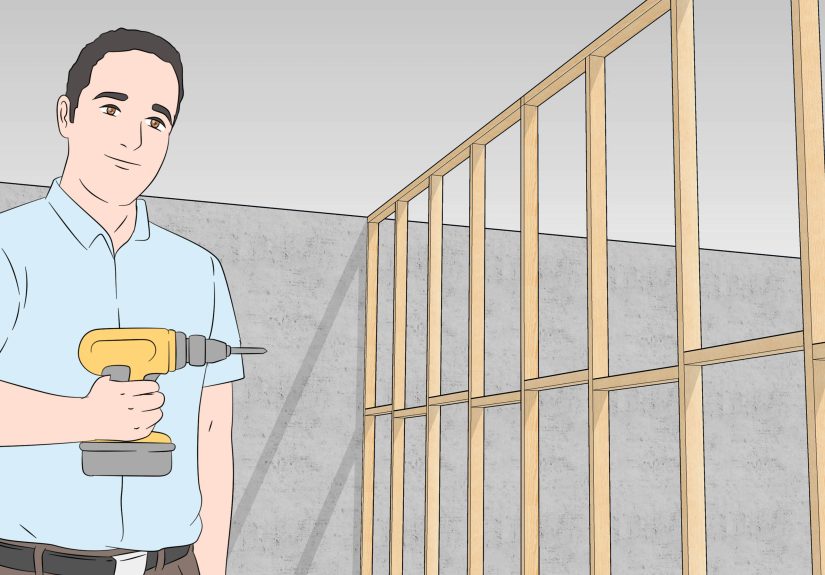
- 5) Enclose an Existing Porch or Patio (Screen Room → 3-Season Room)
- 6) Add a Prefab or Modular Room Addition
- 7) Create a Room by Reworking Your Layout (Yes, “No Addition” Adds a Room)
- 8) Turn a Large Bedroom into Two Smaller Rooms
- 9) Add a Dormer (Strategic “Headroom Upgrade” for an Attic Room)
- 10) Convert a Shed into a Backyard Office (Conditioned “Work Pod”)
- 11) Build a Simple Ground-Level “Box” Addition (No Fancy Rooflines)
- 12) Convert a Carport or Covered Area into Enclosed Space
- 13) Add an ADU Only If You Need a “Real Second Unit” (Not Just a Room)
- Cost-Saving Upgrades That Make Any New Room Cheaper to Build (and Cheaper to Live In)
- FAQs: Adding a Room to a House on a Budget
- What’s the cheapest way to add a room?
- How much does it cost to add a 10×10 room?
- Do I need permits to add or convert a room?
- Will adding a room increase home value?
- Can I DIY part of a room addition to save money?
- How do I keep a contractor quote from exploding mid-project?
- Is a modular/prefab addition actually cheaper?
- Conclusion: The Smartest “Cheap Room” Is the One You’ll Actually Use
- Homeowner Experiences: What People Commonly Learn After Trying to “Add a Room Cheap” (About )
If your home is starting to feel like a carry-on bag in a budget airline’s overhead binstuffed, squished, and one awkward shove away from chaosyou’re not alone.
The good news: “adding a room” doesn’t always mean a giant, wallet-eating addition with cranes, custom trusses, and a permit stack taller than your fridge.
The cheapest way to get an extra room is usually to use space you already own (garage, basement, attic, porch) or add a small, simple footprint (bump-out, prefab module).
This guide breaks down the most budget-friendly ways to add a room, what drives costs up, and the smartest shortcuts that save money without creating a “why is this room 45 degrees hotter?” regret later.
What “Cheap” Really Means for a Room Addition
In remodeling, “cheap” doesn’t mean “lowest bid and vibes.” It means controlling scope and avoiding the four big cost grenades:
- New foundation work (excavation, concrete, drainage)
- Complex rooflines (valleys, dormers, tie-ins, custom flashing)
- Moving plumbing (especially adding drains/vents far from existing stacks)
- Upward additions (structural upgrades, stairs, major disruption)
A full “build-out” addition often runs far less per square foot than building up, but the true bargain usually comes from conversions and micro-additions that keep systems close and structures simple.
5 Rules That Keep a “Budget Addition” from Turning into a Budget Horror Movie
1) Pick the right kind of room (and keep it dry)
Bedrooms/offices are typically cheaper than kitchens/bathrooms because plumbing and ventilation add cost. Also: moisture problems (basements, leaky roofs, poor drainage)
can destroy budgets fastfix water issues first.
2) Keep the footprint small and rectangular
Every bump, angle, and curve increases framing labor and waste. A clean rectangle is the remodeling equivalent of ordering water instead of a fancy latte: not thrilling, but your bank account will applaud.
3) “Near existing” is your best friend
Put a new bathroom near an existing bathroom. Put a new laundry near existing plumbing. Put a new room where HVAC and electrical runs are shortest.
Long runs = more labor, more materials, and more drywall patching.
4) Decide what you can DIY (and what you absolutely shouldn’t)
Safe DIY often includes demolition, hauling, painting, basic trim, and some flooring. Leave structural changes, electrical panel work, gas lines,
and major plumbing to licensed pros. The goal is savingsnot creating a “my uncle’s friend can do it” documentary.
5) Get multiple bids and compare scopes, not just prices
A cheaper quote can hide exclusions (permits, insulation, HVAC, finish carpentry). Compare apples to apples: scope, materials, timeline, and who handles inspections.
13 Cheap(ish) Ways to Add a Room
1) Convert a Garage into a Bedroom, Office, or Playroom
Why it’s affordable: You already have a slab, walls, and a roofmeaning you’re skipping some of the priciest parts of new construction.
Many garage conversions focus on insulation, drywall, windows/doors, flooring, and HVAC.
Budget tips: Keep it a simple “conditioned room” (office/guest room) instead of a full ADU with kitchen plumbing.
Use a mini-split for efficient heating/cooling without major ductwork.
Watch-outs: You may need to raise the floor for comfort, add insulation, and meet egress rules if it becomes a bedroom.
Also consider resale: in some markets, losing a garage can be a downside if parking/storage is tight.
Example: Turning a one-car garage into a home office + storage wall can cost far less than building a new 200 sq ft additionespecially if you reuse existing electrical runs.
2) Finish Part of the Basement (The “Room You Already Own”)
Why it’s affordable: Like a garage, the structure is already there. Finishing a basement room (office, guest room, gym) can be one of the lowest-cost ways to add usable space.
Budget tips: Finish only what you needone enclosed room plus a small hallwayrather than a full basement overhaul.
Choose durable, basement-friendly materials (moisture-resistant drywall where appropriate, vinyl plank flooring).
Watch-outs: Basements can hide expensive surprises: moisture, mold, and the need for egress windows for legal bedrooms.
Plan for soundproofing if the room is under a living area.
3) Convert an Attic into a Bonus Room or Bedroom (If It Meets Code)
Why it’s affordable: You may be able to add a real room without changing the home’s footprint.
When the attic already has decent height and access, you’re mostly paying for insulation, drywall, flooring, electrical, and HVAC.
Budget tips: Keep plumbing out of it (or near existing stacks). Use built-in storage in knee walls instead of expensive custom closets.
Watch-outs: Habitable spaces typically need minimum ceiling heights, safe stairs, ventilation, and egress for sleeping rooms.
Some attics simply aren’t worth it structurally.
4) Build a Bump-Out (Micro-Addition) Instead of a Full Addition
Why it’s affordable: A bump-out is a small extensionoften 2 to 10 feet deepthat can expand a bedroom, dining nook, or bathroom.
It uses less foundation/roof complexity than a full-size addition, especially when designed simply.
Best uses: Adding a reading nook, expanding a cramped kitchen wall for more cabinets, enlarging a bathroom, creating a tiny office alcove.
Watch-outs: It still involves structural work and exterior finishes; costs climb quickly if you add plumbing or complicated roof tie-ins.
Example: A 6′ x 10′ bump-out off a living room can become a compact office with a doorperfect for calls and homework (or hiding from the vacuum).
5) Enclose an Existing Porch or Patio (Screen Room → 3-Season Room)
Why it’s affordable: You’re converting existing outdoor square footage into semi-indoor space.
Depending on the structure, you may be able to reuse the roof and framing.
Budget tips: A 3-season room (not fully heated/cooled) can be dramatically cheaper than a full 4-season room.
Use cost-effective windows and keep finishes simple.
Watch-outs: Foundations and framing may not meet living-space standards. Also check local rules: some areas don’t count 3-season rooms as “habitable” for bedrooms.
6) Add a Prefab or Modular Room Addition
Why it’s affordable: Prefab/modular construction can reduce on-site labor time and weather delays.
You’re often paying for a more efficient build process and standardized designs.
Budget tips: Choose standard sizes and finishes. Site work (foundation, utility connections) can be the silent budget killerplan those carefully.
Watch-outs: Permits still apply, and crane/set access may add cost. Always confirm what’s included (delivery, install, interior finishing, utility hookups).
7) Create a Room by Reworking Your Layout (Yes, “No Addition” Adds a Room)
Why it’s affordable: This is often the cheapest option: you’re not building new square footage, just redistributing what you have.
A formal dining room becomes an office. A too-large living room becomes a living room + flex room.
Budget tips: Use non-load-bearing partitions when possible. Consider pocket doors or wide sliding doors for flexible use.
Watch-outs: If you start moving load-bearing walls, costs can spike quickly.
8) Turn a Large Bedroom into Two Smaller Rooms
Why it’s affordable: Framing one wall, adding a door, and extending electrical is far cheaper than building an addition.
This works well for kids’ rooms, a nursery + office combo, or adding a guest nook.
Budget tips: Plan window placement: bedrooms generally need an egress window, and each room should feel like it belongs on purpose, not like a “divided closet.”
Watch-outs: HVAC balancing matterstwo rooms may need better airflow control.
9) Add a Dormer (Strategic “Headroom Upgrade” for an Attic Room)
Why it can be cheaper than building out: If your attic is close to usable, a dormer can create headroom and light without a full addition footprint.
It’s targeted square footage.
Budget tips: Keep dormer shapes simple (shed dormers can be more straightforward than complex gables).
Watch-outs: Dormers involve roof workflashing and waterproofing must be done correctly, or you’ll “add a room” and also “add a leak.”
10) Convert a Shed into a Backyard Office (Conditioned “Work Pod”)
Why it’s affordable: A small, separate backyard room can be cheaper than a full home additionespecially if you keep it as an office/studio and avoid plumbing.
Budget tips: Start with a solid shed shell or a simple kit. Insulate well, add a dedicated electrical circuit, and use a mini-split if needed.
Watch-outs: Zoning and permitting vary widely. Some areas treat this as a simple accessory structure; others require full compliance if it’s conditioned space.
11) Build a Simple Ground-Level “Box” Addition (No Fancy Rooflines)
Why it can be cheaper than you think: If you truly need new square footage, a single-story rectangular addition with a simple roof tie-in is usually the most cost-efficient “real addition.”
Budget tips: Keep it small (e.g., 10′ x 10′ or 12′ x 12′). Use stock windows and doors. Match existing siding/roofing without complicated transitions.
Watch-outs: Foundations and permitting are real costs. Also plan how the room connects to the house (doorway cut-ins can require structural headers).
12) Convert a Carport or Covered Area into Enclosed Space
Why it’s affordable: Similar to porch enclosureif you already have a roof and slab, you’re ahead.
Conversions can become a mudroom, office, or hobby space.
Budget tips: Keep the design straightforward: framed walls, insulation, basic windows, simple flooring.
Watch-outs: Structural support may need upgrades, and you’ll need to ensure proper weatherproofing and code compliance.
13) Add an ADU Only If You Need a “Real Second Unit” (Not Just a Room)
Why it’s not the cheapestbut sometimes the smartest: An ADU typically costs more than a basic room conversion because it often includes a kitchen, bathroom, and separate systems.
But it can generate rental income or support multigenerational living.
Budget tips: If allowed, an attached ADU or garage ADU can be cheaper than a detached build because utilities and structure may already exist.
Watch-outs: This is a permitting-heavy project, and costs vary wildly by location, utilities, and finish level.
Cost-Saving Upgrades That Make Any New Room Cheaper to Build (and Cheaper to Live In)
Keep the mechanical plan simple
The cheapest room to add is the one that doesn’t require relocating your electrical panel, upgrading your service, or extending plumbing across the house.
If you can tap into nearby HVAC, electrical, and plumbing routes, you’ll reduce labor hours and drywall repair.
Air seal + insulate like you mean it
A “cheap” room that’s uncomfortable will become the world’s most expensive storage closet.
Air sealing and insulationespecially in attic conversions and garage conversionsare where comfort and utility costs are won.
Choose durable, standard finishes
Stock cabinetry, standard doors, and midrange flooring can look great. Save custom work for the details that matter (like storage).
FAQs: Adding a Room to a House on a Budget
What’s the cheapest way to add a room?
Usually, it’s converting existing space: finishing a basement area, converting a garage, or reworking your floor plan to carve out a flex room.
If you must build new square footage, a small bump-out or simple single-story rectangle is often the best value.
How much does it cost to add a 10×10 room?
Costs vary by location, materials, and complexity. A straightforward “build-out” addition can be far less per square foot than building up.
The fastest way to get a realistic number is to define the room type (bedroom vs bathroom), the foundation type, and how far systems must move.
Do I need permits to add or convert a room?
Most of the time, yesespecially if you’re changing structure, adding electrical circuits, altering HVAC, or converting a garage/basement into habitable space.
Always check local building and zoning rules before you buy materials.
Will adding a room increase home value?
Often, it canespecially if the finished space is legal, comfortable, and fits what buyers want (bedrooms, functional flex space, laundry, storage).
ROI varies by market and project type, and “overbuilding” for your neighborhood can limit payback.
Can I DIY part of a room addition to save money?
Yesmany homeowners save by doing demolition, painting, trim, and some flooring.
Structural changes, major electrical, plumbing, and anything involving gas lines are better left to licensed pros for safety and code compliance.
How do I keep a contractor quote from exploding mid-project?
Lock down the scope early (exact finishes, fixtures, window sizes, insulation levels). Ask what’s excluded.
Keep a contingency fund for surprisesolder homes can reveal hidden wiring, plumbing issues, or framing repairs.
Is a modular/prefab addition actually cheaper?
It can beespecially when it reduces on-site labor time. But you still pay for site prep, foundation, delivery, and utility hookups.
The “all-in” price is what matters, not just the module price.
Conclusion: The Smartest “Cheap Room” Is the One You’ll Actually Use
If you want the most room for the least money, start by looking inward: garages, basements, attics, and oversized rooms are often your best bargains.
If you need to build new square footage, think small, simple, and close to existing systems.
The goal isn’t just to add spaceit’s to add a room that feels like it was always meant to be there (and doesn’t require a space heater in July).
Homeowner Experiences: What People Commonly Learn After Trying to “Add a Room Cheap” (About )
When homeowners share stories about budget room projects, a few themes show up again and againusually right after someone says,
“It’ll be quick. How hard can it be?” (Famous last words in remodeling.)
First: people are often surprised that the structure isn’t what drains the budgetit’s the “invisible” stuff.
Electrical upgrades, HVAC adjustments, insulation, and permit requirements can cost more than expected because they’re not glamorous.
Nobody posts a viral before-and-after of “upgraded circuit capacity,” but you’ll care deeply the first time the new room trips a breaker every time you run a space heater.
Second: conversions feel cheap until comfort enters the chat. Garage conversions are the classic example:
the room looks finished, but if insulation is weak or the slab stays icy in winter and hot in summer, the space can become a seasonal no-go zone.
Homeowners who report the best outcomes almost always mention doing the unsexy work: air sealing, insulation, and a heating/cooling plan sized for the space.
In other words, they didn’t just build a roomthey built a room people want to be in.
Third: “We’ll add plumbing later” is a trap that deserves its own warning label. Many people start with:
“We’ll turn this into a guest suite!” Then they discover that adding a bathroom far from the main stack is expensive and disruptive.
The homeowners happiest with the final cost usually planned the room around what was already nearbylike placing a basement bath under an existing bathroom,
or converting a garage but keeping it as an office/guest room without a full kitchenette.
Fourth: timeline creep is realand it often comes from decision fatigue. Homeowners who kept projects on budget and on schedule
tended to choose standard sizes and off-the-shelf materials. The folks whose projects dragged? They changed window sizes midstream,
upgraded to custom doors, or rethought layouts after framing started. It’s not that upgrades are “bad”they just add change orders,
and change orders have a magical ability to multiply.
Fifth: the best “cheap” projects usually started with a brutally honest question:
“What do we need this room to do?” If the answer is “quiet workspace,” a small partitioned flex room might solve it without building anything.
If the answer is “extra bedroom,” then code items like egress and ceiling height matter.
If the answer is “income unit,” then an ADU might be worth the higher upfront costbut only if local rules and rental demand make it pencil out.
The big takeaway from real-world experiences is simple: homeowners save the most money when they treat “cheap” as a strategy, not a gamble.
Use existing structure when possible, keep the footprint simple, plan systems early, and spend where comfort and safety live.
That’s how you add a room without adding a decade of remodeling trauma to your personality.