Table of Contents >> Show >> Hide
- Why “Skip Breakfast” Lit the Internet on Fire
- The Math: Does Skipping Breakfast Actually Save Money?
- Why Breakfast Costs Feel So Brutal Right Now
- Skipping Breakfast Isn’t a Budget Plan (It’s a Symptom)
- What Actually Helps: Practical Ways to Cut Breakfast Costs Without Skipping the Meal
- Why This Story Went Viral: It’s Really About Trust
- Bottom Line: Don’t Skip BreakfastSkip the Bad Advice
- Experiences From the Real World: Why “Just Skip Breakfast” Feels Like a Joke
At some point in modern life, you learn a strange truth: a headline can be technically about eggs, but emotionally about rent.
That’s exactly why an article suggesting we “skip breakfast to save money” got treated online like it had just insulted everyone’s grandma, dog, and
last $20 bill all at once.
The backlash wasn’t really about waffles. It was about the vibe. The headline read less like a helpful budgeting tip and more like a Victorian-era
pamphlet that begins with, “Have you tried simply not being hungry?”
In an economy where a lot of people are already rationing groceries, stretching paychecks, and choosing between “gas” and “peace,” the idea that the
solution is to delete a meal felt… bold. Like offering a band-aid to someone whose arm is currently on fire.
So let’s talk about why that “skip breakfast” advice sparked so much mocking, what the math actually looks like, and what real, practical strategies
can lower your food budget without turning you into a grumpy, caffeine-fueled ghost by 10:30 a.m.
Why “Skip Breakfast” Lit the Internet on Fire
1) Because it sounded like “budgeting,” but landed like “scolding”
People don’t just want money tipsthey want money tips that acknowledge reality. And reality is this: plenty of households aren’t overspending because
they’re ordering artisanal sunrise croissants. They’re overspending because prices rose, wages didn’t keep up, and “a quick bite” at a drive-thru
now costs the same as a movie ticket did in 2009.
“Skip breakfast to save money” also hits a nerve because it echoes a whole genre of tone-deaf personal finance advice. You know the hits:
“Stop buying lattes,” “Cancel everything you enjoy,” and “Have you considered being born in 1978 and purchasing a home for the price of a used kayak?”
2) Because many people already skip breakfast (and not for fun)
For a lot of Americans, skipping meals isn’t a quirky life hackit’s a stress response with a calendar invite.
Shift workers, parents hustling through school drop-off, folks with long commutes, and anyone juggling two jobs often don’t eat breakfast because
time is scarce and money is tighter.
So when someone frames skipping breakfast as a “fresh new trick,” it can feel like discovering that the “new wellness trend” is actually just… poverty.
That’s why the internet’s reaction wasn’t polite disagreementit was roasting.
The Math: Does Skipping Breakfast Actually Save Money?
Here’s the uncomfortable truth: it can save moneysometimes. But the savings depend heavily on what “breakfast” means in your life.
If breakfast is a $9 sandwich and a $6 coffee you grab five days a week, then yes: skipping that could free up real cash fast.
But if breakfast is oatmeal at home, or a banana and peanut butter, the “savings” are closer to pocket change.
Two versions of breakfast, two very different budgets
-
Convenience breakfast (out): A café drink + a breakfast item can easily run $10–$15 in many areas, especially if you’re commuting
and buying what’s available. -
Home breakfast (in): Oats, eggs, toast, yogurt, or leftovers often cost under a couple bucks per servingsometimes under a dollar,
depending on ingredients and portion sizes.
So if the goal is budgeting, the smarter question isn’t “Should we skip breakfast?” It’s:
“Are we paying restaurant prices for something we could make at home in five minutes?”
Because dining out (even “just breakfast”) is where food budgets tend to quietly melt.
Why Breakfast Costs Feel So Brutal Right Now
The “skip breakfast” headline didn’t appear in a vacuum. It showed up during a stretch when food prices were already a headline factoryespecially
breakfast staples that people notice immediately. Eggs, coffee, and restaurant meals have all had moments where they felt like they were auditioning
for a luxury brand.
Even as inflation cools overall, food away from home (restaurants, takeout, drive-thrus) has stayed stubbornly expensive compared with groceries.
That matters because breakfast is often the meal most likely to be purchased on autopilot: you’re rushed, hungry, and already outside your house.
It’s the perfect setup for “accidental recurring spending.”
And eggsbless themhave had a particularly chaotic era. Bird flu disruptions have repeatedly squeezed supply, which can cause sudden price spikes
and even restaurant surcharges. When a basic ingredient becomes unpredictable, people feel it fast, because breakfast is routine. Routine is where
budgets live.
Skipping Breakfast Isn’t a Budget Plan (It’s a Symptom)
The hidden costs: energy, focus, and the “later I’ll just grab something” trap
Saving money isn’t only about subtracting items. It’s also about avoiding the expensive rebound.
Skipping breakfast can backfire financially if it leads to:
- Impulse lunch spending: If you’re starving by noon, you’re more likely to buy whatever is fastest, not cheapest.
- Snack creep: Skipping a meal sometimes turns into buying two snacks and a fancy drink, which is basically lunch’s chaotic cousin.
- Productivity dip: If you’re foggy at work, you may compensate with costly convenience food (or three coffees and a muffin “for survival”).
Also: health isn’t “separate” from money. If skipping breakfast leaves you feeling lousylow energy, cranky, headache-yyour day gets harder.
And hard days tend to be expensive days. (Ask anyone who has ever ordered delivery because they were too tired to cook.)
Important note: People’s bodies and schedules differ. Some folks genuinely feel great with a later first meal, especially if they’re doing a
structured eating pattern. But “skip breakfast” as a blanket money-saving tip ignores individual needs, work demands, and health considerations.
If you’re unsure what’s right for youespecially if you have a medical conditiontalk with a clinician.
What Actually Helps: Practical Ways to Cut Breakfast Costs Without Skipping the Meal
If the goal is to spend less on breakfast, here are strategies that don’t require you to pretend hunger is a personality flaw.
1) Keep a “2-minute breakfast” kit at home
The biggest enemy of cheap breakfast is time. So build a default breakfast that takes less time than your phone’s face recognition.
Stock a few staples and rotate them:
- Oats + banana or frozen berries
- Eggs (scrambled, boiled ahead, or quick omelet)
- Yogurt + granola + fruit
- Peanut butter toast + apple
- Cottage cheese + fruit or crackers
2) Meal prep, but make it lazy
Meal prep doesn’t have to mean color-coded containers and a spreadsheet that looks like it runs a small airport.
Try “prep the ingredient, not the meal”:
- Boil a batch of eggs for grab-and-go protein.
- Make overnight oats for 2–3 days at once.
- Cook a tray of breakfast burritos and freeze them.
- Pre-portion trail mix or nuts so you’re not buying snacks at retail markup.
3) Upgrade your coffee situation (without turning into a coffee influencer)
If breakfast spending has a villain, it’s often the daily coffee add-on. Not because coffee is evilbut because it’s easy to underestimate.
Try one of these compromises:
- Make coffee at home 3 days a week instead of 0.
- Buy the drink, skip the food item (or vice versa).
- Bring a thermos so you’re not re-buying coffee when the first one “mysteriously disappears.”
4) Use “price-per-serving” thinking for breakfast staples
Breakfast is one of the easiest meals to optimize because it repeats. Small changes add up fast.
Compare foods by how many breakfasts they provide:
| Breakfast staple | Why it’s budget-friendly | Easy upgrade |
|---|---|---|
| Rolled oats | Very low cost per serving, long shelf life | Add peanut butter or yogurt for protein |
| Eggs | Versatile; works for breakfast or dinner | Turn into egg muffins for grab-and-go |
| Frozen fruit | No spoilage panic; smoothies, oats, yogurt | Blend with milk/yogurt for a fast meal |
| Whole-grain toast | Quick base for sweet or savory toppings | Top with nut butter, eggs, or beans |
5) If you buy breakfast out, set “guardrails,” not bans
A total ban can backfire. Instead, create rules that feel doable:
- Pick a budget lane: “Breakfast out once a week” or “$20 total per week.”
- Pick a value lane: Choose places with filling options (protein + fiber) so you’re not hungry again in an hour.
- Pick a convenience lane: Keep backup food in your bag/car so “I had no choice” becomes “I had options.”
Why This Story Went Viral: It’s Really About Trust
People are exhausted by advice that treats survival as a quirky optimization problem.
When a headline suggests skipping breakfast to save money, it can feel like institutions are saying:
“Things are expensive, and we’d like you to quietly accept that by eating less.”
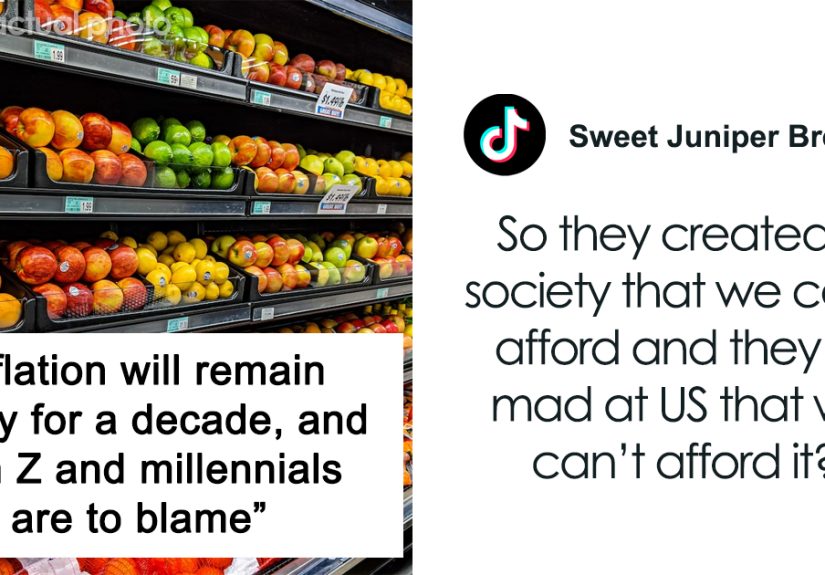
And that’s why the phrase “The 1% have some advice for us peasants” resonated. It translated the subtext:
if your life is getting harder, the solution offered is smaller and smallershrink your habits, shrink your expectations, shrink your needs.
That’s not budgeting. That’s resignation with better branding.
Real personal finance advice helps people keep dignity while reducing stress. It doesn’t shame people for wanting breakfast. It helps them
spend less on breakfast without making mornings miserable.
Bottom Line: Don’t Skip BreakfastSkip the Bad Advice
If skipping breakfast genuinely works for youhealth-wise, schedule-wise, and you still eat enough nutrients laterfine. You’re the boss of your body.
But as a broad “money tip,” skipping breakfast is a clumsy shortcut that ignores why people are struggling in the first place.
The better play is targeted, realistic, repeatable changes: build a cheap default breakfast at home, prep a little, and put guardrails around
convenience spending. Those strategies respect the real world and your real hunger.
Because in 2026, saving money shouldn’t require pretending you’re a plant that photosynthesizes.
Experiences From the Real World: Why “Just Skip Breakfast” Feels Like a Joke
If you want to understand why people mocked the “skip breakfast to save money” idea so hard, picture how mornings actually work for most humans.
Not the “I woke up naturally at 6:12 a.m. and journaled in sunlight” humans. The regular ones. The people who wake up to an alarm that sounds like
a smoke detector having a midlife crisis.
Take the warehouse worker who clocks in before sunrise. Breakfast isn’t an indulgenceit’s protective gear.
When your job is physical, skipping the first meal can mean feeling shaky by mid-morning, which turns into buying whatever is closest and fastest:
a gas-station pastry, a sugary energy drink, maybe both. That’s not saving money; that’s paying the “I’m running on fumes” tax.
The day becomes a series of small purchases that add upexactly the opposite of what budgeting is supposed to do.
Or think about the parent with two kids and a 45-minute commute. Their “breakfast budget” isn’t competing with fancy brunch.
It’s competing with time. If they don’t have something ready, breakfast turns into drive-thru. And drive-thru turns into $30 because kids have
the magical ability to request the one item that costs extra and comes with a collectible toy. When someone says, “Just skip breakfast,” it ignores
the truth that breakfast is often the only meal you can control before the day starts controlling you.
Even the office worker experience isn’t as simple as “eat later.” Plenty of people rely on breakfast as a stabilizer: something predictable when
meetings pile up and lunch becomes an unstable concept. Skipping breakfast can be fineuntil the 11 a.m. meeting runs long, the 12 p.m. meeting
starts early, and suddenly you’re ordering overpriced delivery at 2:30 because your brain is doing that thing where it forgets how to form sentences.
In that moment, “saving money” looks like a myth told by someone who has never tried to do math while hungry.
There’s also the emotional layer: food is comfort, routine, and sometimes the only small joy that’s consistent.
When budgets are tight, people often cut “fun” firststreaming, eating out, little treats. If the next suggestion is to cut breakfast too, it can feel
like the message is, “Your lifestyle must shrink until it fits inside your paycheck.” That’s why the mocking isn’t just sarcasmit’s a protest.
People aren’t laughing because breakfast is sacred; they’re laughing because the advice is wildly out of proportion to the problem.
And yes, sometimes skipping breakfast really does save moneyespecially if you were buying it out every day.
But the lived experience for many households is that “skip breakfast” isn’t a clever hack; it’s what happens when the numbers stop working.
That’s why a better conversation isn’t “Should we eat less?” It’s “How do we make feeding ourselves affordable without turning daily life into a
constant sacrifice?”
The best budgeting strategies I’ve seen in real life don’t demand heroics. They use systems: a stocked pantry, a couple of default meals, a plan for
rushed mornings, and permission to be human. And that’s the real lesson behind the viral backlash:
people don’t need a lecture about skipping breakfast. They need practical toolsand a little respect.