Table of Contents >> Show >> Hide
- Meet the Dracaena Family (A Quick, Useful Roll Call)
- Light Requirements: Bright Indirect Is the Sweet Spot
- Watering Dracaena Indoors: The “Less Is More” Rule
- Water Quality: Why Dracaena Can Be Weird About Tap Water
- Soil and Pots: Drainage First, Fancy Mix Second
- Temperature and Humidity: Keep It Cozy, Not Drafty
- Fertilizer: Feed Lightly (This Plant Is Not Training for a Marathon)
- Pruning and Shaping: Yes, You Can Cut the Cane
- Propagation: Turn One Dracaena Into Many (The Responsible Kind of Cloning)
- Common Problems and Fixes (A Dracaena First-Aid Kit)
- Pet Safety: Is Dracaena Toxic to Cats and Dogs?
- Quick Dracaena Indoor Care Cheat Sheet
- Real-World Experiences: What Dracaena Care Looks Like in Actual Homes (Not Plant Fantasyland)
- Conclusion
Dracaena is the houseplant equivalent of that friend who looks put-together even after a red-eye flight: tall, stylish, and suspiciously unbothered by minor chaos. If you’ve ever wanted a plant that gives your home “modern jungle” energy without requiring a daily pep talk, dracaena is your match.
The best part? Dracaena indoor care is mostly about avoiding the two classic mistakes: drowning it with love (aka too much water) or roasting it like a marshmallow in direct sun. Nail those, and you’ll have a dragon tree (Dracaena marginata), corn plant (Dracaena fragrans), or one of their cousins thriving for yearssometimes long enough to become a family heirloom your relatives argue over in the will. (I’m only half joking.)
Meet the Dracaena Family (A Quick, Useful Roll Call)
“Dracaena” is a genus with many popular indoor varieties, and knowing which one you have helps you interpret its drama. Common indoor types include:
- Dragon Tree (Dracaena marginata): Slim trunk(s), narrow arching leaves, often with red edges. Very “corner of the living room” chic.
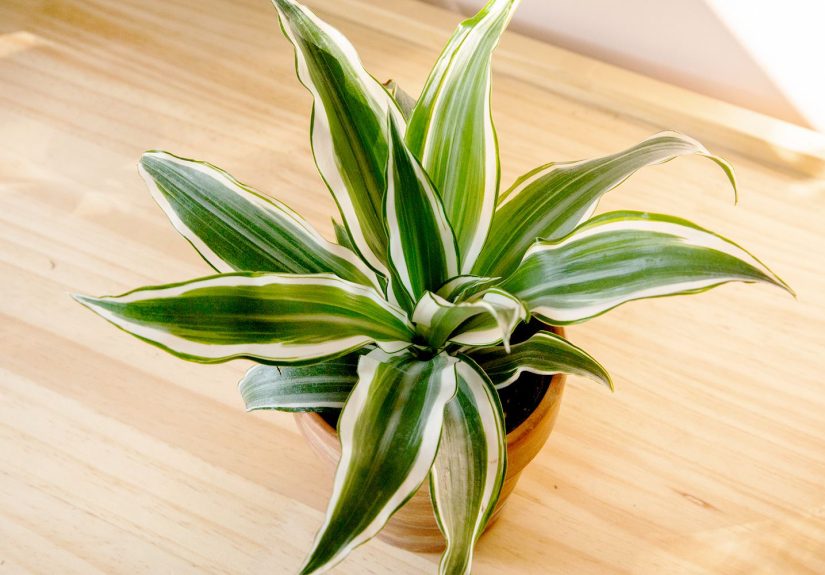
- Corn Plant (Dracaena fragrans): Thicker canes, broader leaves, often striped. Looks like a mini palm’s responsible older sibling.
- Janet Craig / Warneckii types: Often grouped under dracaena houseplants; great for offices because they tolerate lower light.
Care is similar across the group: bright, indirect light is ideal; watering should be cautious; and tap-water chemistry can matter more than you’d think.
Light Requirements: Bright Indirect Is the Sweet Spot
What “bright, indirect” actually means
Dracaena grows best in bright, filtered lightthink near a window where the sun doesn’t hit the leaves directly, or behind a sheer curtain. Too much direct sun can scorch leaves; too little light slows growth and can dull variegation (those pretty stripes and edges).
Low light: tolerated, not celebrated
Many dracaenas tolerate lower light, which is why they’re beloved in offices and hallways. But “tolerate” is not the same as “thrive.” In low light, expect slower growth, smaller leaves, and sometimes a plant that leans like it’s trying to eavesdrop on the window.
Pro move: rotate the pot
Turn your pot a quarter-turn every couple of weeks to keep growth even. Otherwise, dracaena will aim all its leafy ambition at the brightest direction, and you’ll end up with a plant that looks like it’s permanently mid-hair-flip.
Watering Dracaena Indoors: The “Less Is More” Rule
How often should you water?
Dracaena is drought-tolerant and famously easy to overwater. The most reliable method is boringbut effective: check the soil before watering.
- For many dracaenas, water when the top 1–2 inches of soil feels dry.
- For larger dragon trees, some growers wait until the top half of the pot dries out.
- In winter or low light, watering stretches out because the plant grows more slowly.
How to water correctly (so you don’t accidentally run a swamp)
- Use a pot with drainage holes. (Non-negotiable.)
- Water thoroughly until excess drains out the bottom.
- Empty the saucerdon’t let the pot sit in runoff.
Signs you’re watering wrong
- Overwatering: yellowing leaves, mushy stems, sour-smelling soil, gnats, or a plant that looks tired even after “hydration.”
- Underwatering: crispy brown edges, curling leaves, and soil pulling away from the pot sides.
Water Quality: Why Dracaena Can Be Weird About Tap Water
If your dracaena keeps getting brown tips even though your watering schedule is solid, don’t immediately blame yourself (though, sure, we all contain multitudes). Dracaena can be sensitive to fluoride and soluble salts found in many municipal water supplies. Over time, those can build up and show up as browned leaf tips or margins.
If tip burn is a recurring issue, try:
- Filtered, distilled, or rainwater for watering.
- Soil flushing every month or two: water generously to push salts out the drainage holes (then dump the saucer).
- Avoiding fertilizers and potting mix ingredients associated with higher fluoride sources (more on that below).
Note: letting tap water sit out overnight can reduce chlorine, but it doesn’t reliably remove fluorideso if fluoride sensitivity is the issue, switching water sources helps more than “letting it breathe.”
Soil and Pots: Drainage First, Fancy Mix Second
Best soil mix for dracaena
Dracaena likes a potting mix that drains well but doesn’t dry like a desert two hours after watering. A quality indoor potting soil is usually fine, but you can upgrade it like a responsible adult upgrading from instant noodles:
- Base: indoor potting mix
- Aeration: orchid bark or pumice (adds airflow without making the mix overly fast-draining)
- Moisture balance: peat moss or coco coir (in moderation)
Some dracaenas are sensitive to fluoride-related tip burn, and certain guidance suggests avoiding mixes with a high percentage of perlite and maintaining a slightly acidic soil pH range. The practical takeaway: choose a well-made houseplant mix, don’t over-fertilize, and prioritize good drainage and stable moisture.
Pot size: don’t “pot up” like you’re buying shoes for a growing teenager
Dracaena prefers being slightly snug. When repotting, move up only 1–2 inches wider than the current pot. A pot that’s too large holds extra wet soil, and that’s how root rot gets invited to dinner.
When to repot
Dracaena grows slowly, so it typically needs repotting every 2–3 years, or sooner if it’s clearly rootbound (roots circling, poking out drainage holes, or the plant drying out unusually fast).
Repot in spring if you can. If it’s winter and the plant seems fine, let it coastdracaena appreciates a calm seasonal routine.
Temperature and Humidity: Keep It Cozy, Not Drafty
Dracaena is happiest at typical indoor temperaturesroughly the same range where you’d enjoy wearing a hoodie without emotional distress. Aim for the mid-60s to around 80°F. Protect it from cold drafts, blasting AC, and heater vents.
Average household humidity usually works, but dry air can contribute to brown tips. If your home is desert-dry in winter:
- Group plants together to create a mini humidity zone.
- Run a humidifier nearby.
- Use a pebble tray (pot sits above the waterline, not in it).
Fertilizer: Feed Lightly (This Plant Is Not Training for a Marathon)
Dracaena doesn’t need heavy feeding. During spring and summer, a diluted liquid houseplant fertilizer once a month is plenty for most homes. In fall and winter, ease offmany indoor plants slow down then, and excess fertilizer can contribute to salt buildup and leaf tip burn.
If you prefer an even simpler routine: fertilize a few times during the growing season and skip the rest. Dracaena’s vibe is “low drama,” and your feeding schedule should match.
Pruning and Shaping: Yes, You Can Cut the Cane
A tall dracaena can get leggy over timeespecially in low light. The good news: pruning is how you turn “lanky stick with hair” into “fuller, branching tree.”
How to prune dracaena without panicking
- Use clean, sharp pruners.
- Choose a cut point on the cane (often where you’d like branching to start).
- Cut straight across. New shoots commonly sprout below the cut.
You can also remove yellowing lower leaves (normal aging) and trim brown tips for cosmeticsjust follow the natural leaf shape so it looks intentional, not like it lost a fight with a paper shredder.
Propagation: Turn One Dracaena Into Many (The Responsible Kind of Cloning)
Dracaena propagation is straightforward, especially during spring and summer. You have two popular options:
Option 1: Top cutting (the “new plant, who dis?” method)
- Cut the top portion of the plant (several inches long) with healthy leaves.
- Remove a few lower leaves to expose nodes (the spots where roots like to form).
- Root in water or moist potting mix in bright, indirect light.
- If rooting in water, change it regularly to keep it fresh.
Option 2: Cane cuttings (the “plant loaf” method)
If you have a long bare cane, cut it into sections. Each segment with a node can root and sprout. You can root segments upright in soil, or lay them horizontally on moist mix (nodes facing up) for multiple sprouts.
Common Problems and Fixes (A Dracaena First-Aid Kit)
Brown tips
Most often: low humidity, inconsistent watering, salt buildup, or fluoride sensitivity. Try filtered/distilled water, flush the soil periodically, and raise humidity if your air is dry.
Yellow leaves
Frequently linked to overwatering or poor drainage. Let the soil dry more between waterings and confirm the pot drains freely. If the soil stays wet for days and days, it may be too dense or the pot may be too large.
Soft cane or bad smell (uh-oh)
This can indicate rot. Reduce watering immediately. If rot is advanced, your best move may be to take healthy cuttings above the mushy area and propagate themplant triage, but make it hopeful.
Leaf scorch or crispy patches
Usually too much direct sun (or a sudden move into brighter light). Shift to bright, indirect light and acclimate slowly when changing locations.
Pests: spider mites, mealybugs, scale
Dry indoor air can invite spider mites. Inspect leaves (especially undersides), wipe with a damp cloth, and treat with insecticidal soap as needed. Regular leaf cleaning also helps the plant photosynthesize betterdust is basically plant sunglasses, and not the cool kind.
Pet Safety: Is Dracaena Toxic to Cats and Dogs?
Yesmany dracaenas are considered toxic to cats and dogs if ingested, commonly associated with gastrointestinal upset and, in cats, dilated pupils. If you share your home with enthusiastic nibblers, place dracaena out of reach or choose a pet-safe plant instead. When in doubt, treat houseplants like chocolate: great for you, questionable for pets.
Quick Dracaena Indoor Care Cheat Sheet
- Light: bright, indirect (tolerates low light)
- Water: let top 1–2 inches dry (or more for larger pots); reduce in winter
- Soil: well-draining potting mix; don’t let it sit soggy
- Temp: comfortable indoor range; avoid cold drafts
- Humidity: average is fine; boost if tips brown
- Fertilizer: light feeding in spring/summer; don’t overdo it
- Repot: every 2–3 years or when rootbound
- Prune: cut canes to encourage branching; trim brown tips if desired
Real-World Experiences: What Dracaena Care Looks Like in Actual Homes (Not Plant Fantasyland)
Most dracaena success stories don’t start with someone whispering Latin names into the soil. They start with a plant shoved into a corner because it “matched the couch,” followed by a few months of accidental neglectand then, surprisingly, the dracaena still looks pretty good. That’s the magic: dracaena is forgiving, but it does have a few “I will absolutely complain about this” triggers.
One of the most common experiences people describe is the overwatering spiral. It goes like this: you water on a schedule because schedules feel responsible, then the soil stays wet because the plant is in low light, then leaves yellow, then you water again because “it looks thirsty,” and suddenly you’re running a tiny indoor bog. The fix usually feels too simple to be true: stop watering until the soil actually dries. When people switch from “every Saturday” watering to “only when the soil tells me,” the plant often rebounds fastespecially if the roots never fully rotted.
Then there’s the brown-tip mystery. A lot of indoor gardeners assume brown tips mean they’ve failed at life. In reality, dracaena can be picky about what’s in tap water, and the plant may slowly react to fluoride or salt buildup even if everything else is correct. A very typical “aha” moment: someone tries filtered or distilled water for a month, flushes the pot once or twice, and the new growth comes in cleaner. The old tips don’t magically turn green again (plants aren’t into time travel), but the overall look improves enough to restore everyone’s confidence.
Another classic: the lopsided lean. Dracaena does this funny thing where it grows toward light like it’s trying to read the window’s thoughts. People often notice it after a few months and think the trunk is “bending.” Usually it’s just phototropism. Rotating the pot every couple of weeks straightens the silhouette over time. In rooms with one strong light source, this tiny habit can make the difference between “designer plant” and “plant that looks like it’s escaping.”
And yes, the big chop is real. Many first-time owners hesitate to prune because cutting a perfectly healthy cane feels illegal. But once someone trims a too-tall dracaena and sees new shoots pop out below the cut, it clicks: pruning isn’t punishmentit’s styling. Over time, people often repeat the process to create a fuller, branched shape, and they root the top cutting in water like a proud plant wizard. It’s one of the most satisfying beginner-friendly “I made more plant!” moments.
Finally, dracaena’s office reputation is earned. Plenty of folks keep one at work where it gets mediocre light, inconsistent watering, and occasional motivational speeches from coworkers (“You’re doing great, buddy!”). Despite that, it often holds steadybecause the plant’s baseline expectation is basically: “Please don’t soak me, and please don’t sunburn me.” If you can meet those two needs, dracaena will do the rest: stand tall, look sharp, and quietly make your space feel more alive.
Conclusion
If you want a low-maintenance indoor plant with serious style, dracaena is hard to beat. Give it bright, indirect light, water only after the soil dries appropriately, and keep it out of cold drafts. Pay attention to water quality if tips brown, fertilize lightly, and don’t be afraid to prune when it gets leggy. Do that, and your dracaena won’t just survive indoorsit’ll look like it pays rent.