Table of Contents >> Show >> Hide
- What You’re Making: Your Ideal Omelet for One
- Ingredients for a Single Serving Omelet
- Equipment You Actually Need
- The Omelet for One Recipe (Step-by-Step)
- Step 1: Prep fillings first
- Step 2: Beat the eggs like you mean it (but not like you’re mad at them)
- Step 3: Heat the pan (medium-low is the grown-up setting)
- Step 4: Pour, swirl, and start the “set the edges” routine
- Step 5: Add fillings at the right moment
- Step 6: Fold and finish with residual heat
- How to Tell When It’s Done (Without Overcooking It)
- Flavor Ideas: 8 Omelet-for-One Variations
- Pro Tips That Make a Big Difference
- Troubleshooting: Common Omelet Problems (and Fixes)
- Make It a Meal: Simple Sides for One
- Cooking for One, Smarter: Prep Once, Omelet All Week
- Real-Life “Omelet for One” Experiences (500+ Words)
- Conclusion
Cooking for one shouldn’t feel like a punishment where you eat cereal straight out of the box like a raccoon with a spreadsheet.
Enter the omelet for one: fast, flexible, and fancy enough to make a random Tuesday feel like a brunch reservation you actually showed up to.
With just a couple eggs and a few smart moves, you’ll get a tender, flavorful omelet that folds like a dream (instead of tearing like wet tissue paper).
This guide gives you a reliable single serving omelet recipe, plus the “why it works” details: heat control, curd size, filling strategy,
and the tiny habits that separate a fluffy omelet from a rubbery egg wallet. You’ll also get variations for whatever’s in your fridgebecause cooking for one
is basically a long-running improv show starring leftovers.
What You’re Making: Your Ideal Omelet for One
A classic omelet sits on a spectrum. On one end: creamy and delicate with smaller curds (French-leaning). On the other: fluffy and hearty with larger curds
(American diner-style). For most home cooks, the sweet spot is a tender, lightly set interior with just enough structure to hold fillings without leaking.
That’s what this recipe targetsno culinary gymnastics required.
Ingredients for a Single Serving Omelet
This is a 2-egg omelet by defaultbig enough to satisfy, small enough to cook evenly in a standard skillet.
Base Ingredients
- 2 large eggs
- 1/8 teaspoon kosher salt (about a generous pinch)
- Black pepper to taste
- 1 to 2 teaspoons butter (or 1 teaspoon oil + a tiny knob of butter for flavor)
Optional “Texture Helpers” (Choose One)
- 1 teaspoon water (keeps things light without muting egg flavor)
- 1 teaspoon milk or half-and-half (slightly softer, a bit richer)
- 1 teaspoon sour cream or Greek yogurt (tangy and ultra-tender)
You don’t need extra liquid. The best omelets are mostly about technique. But if you’re new to this, a teaspoon of something can add a little forgiveness
and help avoid overcooking.
Filling Amount Rule (So You Don’t Overstuff It)
For a 2-egg omelet, aim for 1/3 cup total fillings, max. Too much stuffing makes folding harder and increases tearing.
Also: fillings should be warm and relatively dry. Raw, watery vegetables are the #1 reason omelets weep like a soap opera.
Equipment You Actually Need
- 8-inch nonstick skillet (or well-seasoned carbon steel)
- Silicone spatula (gentle on nonstick, great for nudging curds)
- Small bowl for beating eggs
- Fork or whisk
- Plate (preferably warm)
If you’re trying to learn omelets, a small nonstick skillet is not “cheating.” It’s training wheels that taste delicious.
The Omelet for One Recipe (Step-by-Step)
Total time: 8–10 minutes (including filling prep)
Servings: 1
Step 1: Prep fillings first
Omelets cook quickly, which means your fillings won’t have time to soften or steam properly once the eggs hit the pan.
If you’re using mushrooms, onions, peppers, spinach, or leftover roasted veggies, sauté them briefly and set aside.
Shred or crumble cheese now. Slice herbs now. Future-you will thank present-you.
Step 2: Beat the eggs like you mean it (but not like you’re mad at them)
Crack 2 eggs into a bowl. Add salt and pepper (and your 1 teaspoon “texture helper,” if using).
Beat until the mixture looks uniformno long streaks of egg white. You’re aiming for a smooth, consistent base so the omelet sets evenly.
Quick science you can taste: If the egg white isn’t fully mixed, you’ll get rubbery patches because the whites set differently than yolks.
Uniform eggs = uniform tenderness.
Step 3: Heat the pan (medium-low is the grown-up setting)
Put your skillet over medium-low heat for about 30–60 seconds. Add butter and let it melt and foam.
If it browns aggressively, your heat is too high. The goal is gentle cooking, not egg jerky.
Step 4: Pour, swirl, and start the “set the edges” routine
Pour in the eggs. Immediately swirl the pan so the eggs coat the bottom evenly.
As the edges begin to set, use your spatula to gently push cooked egg from the edges toward the center while tilting the pan
so uncooked egg flows into the open spaces. This creates tender layers without turning the whole thing into scrambled eggs.
Step 5: Add fillings at the right moment
When the top is still slightly glossy but no longer runny like raw egg soupusually after 60–90 secondssprinkle your fillings on one half of the omelet.
Keep the fillings mostly centered (not right on the edge), so folding doesn’t push everything out like toothpaste.
Step 6: Fold and finish with residual heat
Slide the spatula under the unfilled side and fold it over the fillings. Turn off the heat.
Let the omelet sit in the pan for 15–30 seconds to finish setting gently.
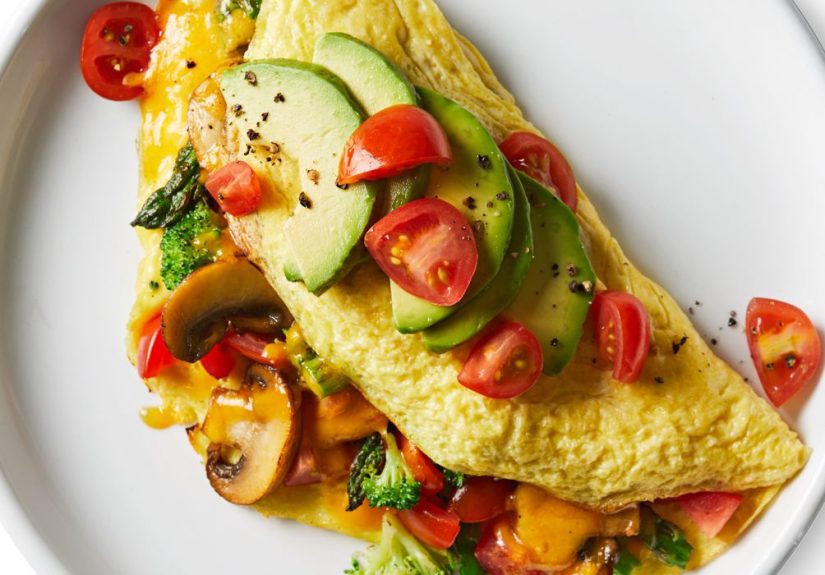
Then slide onto a plate. If you want peak brunch energy, add a final crack of pepper or a sprinkle of herbs.
How to Tell When It’s Done (Without Overcooking It)
The best omelet texture is set but tender: no raw liquid egg should be visible, but the center shouldn’t feel dry or squeaky.
If you’re cooking for someone who prefers fully firm eggs, keep it on the lowest heat a bit longer rather than blasting the heat.
High heat cooks fast but toughens proteins, which is why many “sad omelet” stories begin with the phrase, “I cranked it up to speed things along…”
Food safety note: Egg dishes are commonly recommended to reach 160°F if you’re checking with a thermometer.
If you prefer a softer, slightly glossy center, consider using pasteurized eggsespecially for higher-risk dinersso you can keep tenderness without guessing.
Flavor Ideas: 8 Omelet-for-One Variations
Think of your omelet as an edible blank page. Here are combinations that taste like effort even when they’re built from leftovers and optimism.
Each idea is sized for one 2-egg omelet.
1) Classic Cheese (because it works every time)
- 2–3 tablespoons shredded cheddar, Monterey Jack, Swiss, or mozzarella
- Optional: chives or green onion
2) Ham & Cheese Diner Style
- 2 tablespoons diced ham (warm it briefly)
- 2 tablespoons shredded cheese
- Optional: a pinch of paprika
3) Spinach & Feta “I’m Being Healthy”
- 1/3 cup spinach, wilted and squeezed dry
- 2 tablespoons crumbled feta
- Optional: dill or lemon zest
4) Mushroom & Herb (cozy, woodsy, impresses pets)
- 1/4 cup sautéed mushrooms
- 1 tablespoon grated Parmesan
- Fresh thyme or parsley
5) Pepper-Onion “Western-ish”
- 2 tablespoons sautéed diced bell pepper
- 2 tablespoons sautéed onion
- Cheddar or pepper jack
6) Caprese Omelet
- 2 tablespoons diced tomato (seed it to reduce moisture)
- 2 tablespoons mozzarella
- Fresh basil
7) Smoked Salmon & Cream Cheese (brunch flex)
- 1–2 ounces smoked salmon
- 1 tablespoon cream cheese (dollop in small bits)
- Dill or capers if you’re feeling fancy
8) Spicy Leftover Rescue
- 2–3 tablespoons leftover roasted vegetables or cooked meat
- 1 tablespoon cheese (or none)
- Hot sauce, chili crisp, or salsa on top
Pro Tips That Make a Big Difference
Use the right heat: steady beats speedy
Omelets are quick, but they’re not a race. Medium-low heat gives you control and tenderness.
Too hot and the bottom sets before the top can catch up, leading to browning, dryness, or sticking.
Butter is flavor and insurance
Butter helps prevent sticking and adds richness. If you like higher-heat cooking, use a little oil first and finish with a small knob of butter for flavor.
Either way, make sure the pan is coated.
Warm, dry fillings keep your omelet intact
Cold fillings slow down cooking and can lead to overcooked eggs. Wet fillings create steam pockets and watery seams.
If you’re using salsa, tomatoes, or spinach, reduce moisture before they go into your omelet. Your omelet should be fluffy, not soggy.
Don’t overbeat if you want diner-style curds
For a fluffier, rustic American omelet, beat until combined, not frothy. Excess air can make the omelet puff fast and then collapse into dryness.
For a smoother, French-leaning omelet, beat more thoroughly for a uniform, silky texture.
Troubleshooting: Common Omelet Problems (and Fixes)
Problem: It sticks
- Cause: pan not properly coated, heat too low at first, or worn nonstick surface
- Fix: preheat briefly, add enough fat, and use a silicone spatula; consider a small dedicated egg pan
Problem: It turns rubbery
- Cause: heat too high or cooking too long
- Fix: medium-low heat, pull it early, and let residual heat finish the center
Problem: It tears when folding
- Cause: overstuffed or the eggs set too thin
- Fix: reduce fillings to 1/3 cup, keep fillings centered, and cook until the base can support a fold
Problem: The middle is raw but the bottom is done
- Cause: heat too high or you didn’t move the set edges inward
- Fix: lower the heat and use the “push and tilt” method to spread uncooked egg into open areas
Make It a Meal: Simple Sides for One
- Toast or English muffin with butter, jam, or avocado
- Fruit (berries, orange slices, or whatever you can grab without a knife)
- Greens tossed with lemon and olive oil for a “breakfast salad” moment
- Roasted potatoes if you want weekend energy on a weekday
Cooking for One, Smarter: Prep Once, Omelet All Week
If you love omelets but don’t love dishes (same), do a tiny prep session:
- Sauté onions, peppers, or mushrooms and store in a container for 3–4 days.
- Wash greens and pat dry thoroughly.
- Shred cheese once and keep it sealed.
Then your omelet for one becomes a 5-minute habit instead of a project.
Real-Life “Omelet for One” Experiences (500+ Words)
There’s a special kind of freedom in making an omelet for one: no negotiating fillings, no pretending you’re “fine” with mushrooms when you’re absolutely not,
and no pressure to make it look like a magazine cover. It’s just you, two eggs, and a skillet that may or may not have survived your last attempt at caramelizing onions.
And honestly? That’s where omelets shinebecause the best practice happens when nobody’s watching.
Many people start their solo omelet journey with the same goal: “I want it fluffy.” What they usually mean is “I want it tender and not sad.”
The first few tries can feel like the eggs are playing a prank. One day the omelet sticks like it’s paid rent; the next day it slides out perfectly and you feel like
you should be awarded a tiny trophy shaped like breakfast. The difference often isn’t talentit’s heat and timing. Once you experience how forgiving
medium-low heat can be, your confidence skyrockets. You stop reacting to the pan and start directing it.
Cooking for one also turns you into a creative problem-solver. You begin to see leftovers as ingredients instead of orphans.
That spoonful of roasted vegetables from last night? Suddenly a gourmet filling. A couple slices of deli turkey? Omelet upgrade.
A lone scallion in the crisper drawer? Congratulations, you’re now the kind of person who garnishes.
Omelets are basically the “use what you have” champions of the kitchen, and that’s especially satisfying when you’re cooking solo and trying not to waste food.
Then there’s the oddly comforting ritual of it. Making an omelet for one can be a reset buttonespecially on days that feel noisy or overbooked.
The steps are simple and tactile: crack, whisk, melt butter, pour, nudge, fold. It’s just enough structure to feel grounding, but not so complicated that it adds stress.
And when the omelet hits the plate, warm and neatly folded, it feels like a small act of self-respect. You made something hot, fresh, and nourishing, just for you.
No one had to ask you. No one had to approve the cheese choice. It’s a quiet win.
Over time, you’ll also notice your preferences sharpen. Some people realize they love a soft, slightly glossy center (and learn to use pasteurized eggs for peace of mind).
Others prefer fully set eggs and discover that low heat is still the best pathbecause “fully cooked” doesn’t have to mean “dry.”
You might even develop a signature: a spinach-feta omelet with lemon zest, or a ham-and-cheddar version with hot sauce that tastes like a diner in the best way.
The point isn’t perfection. It’s ownership. An omelet for one lets you learn your style quickly, because every single omelet is feedback you can eat.
And yes, there will be occasional chaos: fillings escaping, folds that become accidental scrambles, omelets that look like modern art.
But that’s part of the charm. Omelets are one of those foods where “messy” still tastes great. The more you make them, the more intuitive it becomes.
Eventually you’ll whisk without thinking, adjust heat on instinct, and fold like it’s no big deal.
That’s when you realize the real magic of the omelet for one: it starts as a recipe, and quietly becomes a skill you carry everywhere.
Conclusion
A great omelet for one isn’t about fancy ingredients or chef-level dramait’s about gentle heat, smart filling choices,
and knowing when to stop cooking (because eggs keep going even after you do). With this single serving omelet recipe in your back pocket,
you can turn two eggs into breakfast, lunch, or dinner that feels intentional, customizable, and reliably delicious.
Make it once, learn something, make it again even better. That’s the omelet deal.