Table of Contents >> Show >> Hide
- Before You Start: Know What You’re Actually Installing
- Tools, Time, and Budget Reality Check
- How to Install Lambo Doors: 13 Steps (A Safe, Shop-Friendly Checklist)
- Step 1: Confirm your kit is truly compatible
- Step 2: Check local legality and inspection expectations
- Step 3: Talk to your insurance company (seriously)
- Step 4: Pick your installer (or get qualified supervision)
- Step 5: Photograph and measure the factory door alignment
- Step 6: Protect paint, glass, and interior trim
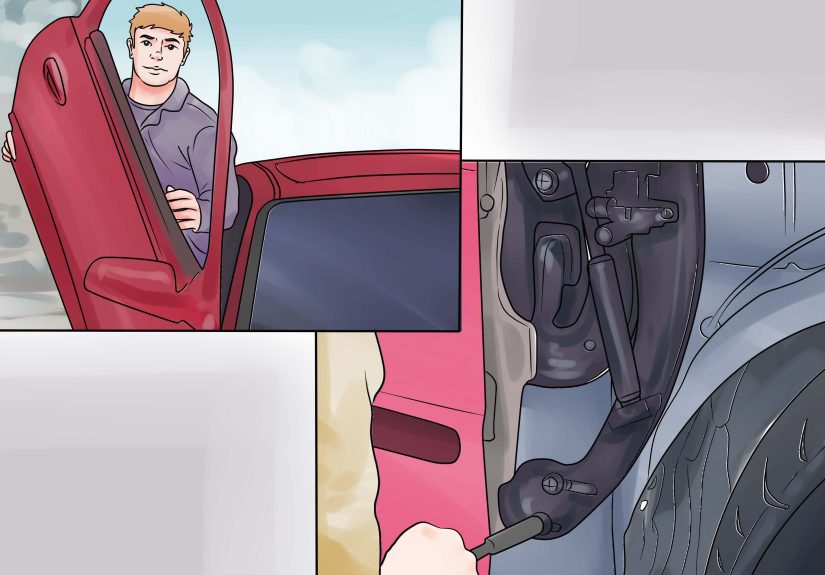
- Step 7: Safely support the door before removing factory hinges
- Step 8: Remove the factory hinge hardware and stage the new hinge assembly
- Step 9: Test-fit for clearance (fender, A-pillar area, and door edge)
- Step 10: Install and set up the gas strut(s) for controlled lift
- Step 11: Confirm wiring and harness slack through the full motion
- Step 12: Align the door so it closes like factory
- Step 13: Perform a safety and usability audit (then document everything)
- Common Mistakes (and How to Avoid Them)
- Maintenance Tips After Installation
- FAQ
- Real-World Experiences: What People Learn After the Hype
- Conclusion
- SEO Tags
“Lambo doors” (also called vertical doors or vertical hinge conversions) are the mod that turns a normal
parking-lot exit into a small performance art piece. The goal is simple: your door swings out a bit, then rises up on a vertical hinge with
a gas strut helping carry the weight.
But here’s the not-so-glamorous truth: doors are heavy, alignment is fussy, and the hinge/latch area is part of what helps keep occupants
inside a vehicle in a crash. So this is one of those mods where the smartest “tool” is a professional body shop or
experienced installer. If you’re under 18, treat this as a project you plan and supervise with qualified adults,
not a solo DIY adventure.
Below is a practical, owner-friendly 13-step checklist that explains what’s involved, what to watch for, and how to get
the best resultswithout turning your daily driver into a squeaky, rubbing, “why-does-my-window-hate-me” situation.
Before You Start: Know What You’re Actually Installing
A quality lambo door conversion is more than a random hinge you found at 2 a.m. during an online shopping spiral. Most vehicle-specific kits
include:
- Vehicle-specific hinge assemblies that match the factory mounting pattern (on many applications)
- Gas struts/shocks to assist lifting and controlled lowering
- Mounting hardware and adjustment points for alignment
- Instructions (read them before anything comes apartfuture you will send thank-you notes)
There are also “universal” kits out there, which often require more fabrication and can be harder to align cleanly. If you want doors that
close like factory, vehicle-specific engineering is your friend.
Tools, Time, and Budget Reality Check
Time
Even with the right kit, the work is rarely “bolt it on and go viral.” The real time sink is door alignmentgetting the
gaps even, the latch smooth, and the door seals happy. If a shop quotes more time than you expected, they’re not scamming youthey’re
describing physics.
Budget
Expect two main costs: the kit and professional labor. Kit pricing varies by vehicle and design, and labor
depends on complexity, local shop rates, and whether any trimming/fabrication is needed.
Insurance and resale
Lambo doors are a visible modification. That can affect how your car is insured and how claims handle aftermarket parts. If you want to be
covered properly, document your parts and talk to your insurer before you install anything.
How to Install Lambo Doors: 13 Steps (A Safe, Shop-Friendly Checklist)
These steps are written as an owner + installer checklist. They explain the process clearly without pretending every driveway
is a professional fabrication bay. Your best outcome comes from pairing this checklist with a qualified installer who can execute safely.
-
Step 1: Confirm your kit is truly compatible
Match your exact year/make/model (and trim, when relevant). Don’t assume “close enough” works in hinge geometry. Also verify whether the
kit is marketed as vehicle-specific and whether it uses factory mounting locations or requires modifications. -
Step 2: Check local legality and inspection expectations
Laws vary by state. The key concerns are usually whether the door latches securely, opens safely, and doesn’t interfere
with visibility or required equipment. Plan for the possibility of a safety inspection if your state requires one after major mods. -
Step 3: Talk to your insurance company (seriously)
Ask how aftermarket parts are covered, whether you need custom parts/equipment coverage, and what documentation they want
(receipts, photos, appraisals). This step is boringbut it’s the kind of boring that saves you money later. -
Step 4: Pick your installer (or get qualified supervision)
The installer should be comfortable with door alignment, body tolerances, and mechanical fitment. If you’re younger, involve a parent/guardian
and choose a shop with strong reviews for body and customization work. Vertical doors are not the place to “learn by vibes.” -
Step 5: Photograph and measure the factory door alignment
Before any bolts come out, document the factory gaps and door position from multiple angles. Mark reference points (with removable tape/marker)
so the installer can return the door to the original baseline after the hinge swap. -
Step 6: Protect paint, glass, and interior trim
Doors swing, tools slip, and gravity does not negotiate. Mask edges, cover fenders, and protect interior panels. This is how you avoid turning
“lambo doors” into “lambo scratches.” -
Step 7: Safely support the door before removing factory hinges
The door’s weight must be supported so it doesn’t drop, twist, or damage the hinge pillar. Professional shops use stands and methods designed
for safe door support and controlled movement. -
Step 8: Remove the factory hinge hardware and stage the new hinge assembly
Factory hinges come off, and the conversion hinge is test-positioned. The installer should confirm that mounting points sit flush and that
the hinge can move through its range without immediate interference. -
Step 9: Test-fit for clearance (fender, A-pillar area, and door edge)
This is where quality work shows. The door needs clearance when it swings outward and then rises. Some vehicles may require minor trimming or
adjustments depending on kit design and body shapeyour installer should identify this early and keep modifications minimal and clean. -
Step 10: Install and set up the gas strut(s) for controlled lift
Gas struts help lift and hold the door. The goal is smooth opening, stable holding, and a controlled closewithout the door feeling like it’s
trying to launch into orbit or slam shut with drama. -
Step 11: Confirm wiring and harness slack through the full motion
Doors carry wiring for locks, windows, speakers, mirrors, and sometimes airbags/sensors. The installer must ensure wiring is routed safely, has
appropriate slack, and won’t pinch, stretch, or chafe when the door swings and rises. -
Step 12: Align the door so it closes like factory
Alignment is the whole game: consistent panel gaps, smooth latch engagement, weather seal contact, and no rubbing. Expect iterative adjustments.
A great install looks “OEM-clean” even when the door is doing something wildly non-OEM. -
Step 13: Perform a safety and usability audit (then document everything)
Do repeated open/close cycles. Check that the latch is solid, seals are intact, windows operate normally, and nothing contacts painted surfaces.
Then take photos, keep receipts, and record the kit details for insurance and resale.
Common Mistakes (and How to Avoid Them)
Buying “universal” hardware for a complex door shape
Universal kits can work, but they’re more likely to require fabrication and more alignment time. If you want a predictable result, choose a kit
engineered for your vehicle.
Skipping the baseline measurements
If you don’t measure factory alignment first, you’ll waste time chasing gaps later. Baselines are your map back to “it closes correctly.”
Ignoring the wiring path
A door that opens beautifully but triggers electrical issues is not a win. Harness routing must be planned and protected from pinch points.
Rushing the final alignment
If the door needs a shoulder-check to close, alignment isn’t done. The end goal is a door that closes smoothly, seals properly, and behaves
consistently in heat, cold, and daily use.
Maintenance Tips After Installation
- Re-check fasteners after the initial break-in period (your installer will recommend an interval).
- Listen for new noises (creaks can signal shifting alignment or dry pivot points).
- Keep hinge areas cleanroad grit plus moving joints is a romance nobody asked for.
- Monitor the struts over time; gas struts can weaken and may need replacement to keep lift consistent.
FAQ
Are lambo doors safe?
They can be, when installed correctly with a quality kit and proper alignment. The hinge/latch area is part of the door retention system, so the
integrity of the install matters. That’s why professional installation is strongly recommended.
Will lambo doors make my car “not street legal”?
Not automatically. But street legality depends on your state and whether the doors latch securely and operate safely. If you’re unsure, ask a local
reputable shop that understands inspection requirements.
Will I need to tell my insurance company?
It’s a smart idea. Many insurers treat non-factory enhancements as modifications and may require additional coverage or documentation for aftermarket
parts.
Do they work in tight parking spaces?
Sometimes yessometimes no. Vertical doors often swing outward first, then rise. If you’re parked extremely close to another car, that
initial outward swing can still be a problem. The “vertical” part is not a magical teleport.
Real-World Experiences: What People Learn After the Hype
Talk to enough enthusiasts and installers and you’ll hear a pattern: the door conversion itself is only half the story. The other half is the daily
reality of living with itparking garages, rainstorms, curious strangers, and that one friend who immediately tries to open your door the wrong way.
Many owners say the biggest surprise is how much time a good shop spends on “unsexy” tasks: measuring gaps, re-checking clearances, and cycling the
door open and closed until it behaves consistently. The viral videos make it look like a simple hinge swap; the best installs are closer to a careful
fitment project. When done right, the door closes with a confident, factory-like feel. When done poorly, you get a door that needs a hip-check and a
prayer.
Another common lesson: weather seals and window behavior are the dealbreakers. People don’t complain because the door goes upthey
complain because the window whistles at highway speeds or the seal lets in water during a storm. Experienced installers often mention that “closing
like OEM” is a combination of hinge alignment, striker engagement, and seal compression. It’s not one adjustment; it’s a handful that must cooperate.
On the social side, owners report two types of attention: the fun kind (“That’s sick, how does it work?”) and the chaotic kind (someone yanking on
the door like it’s a medieval drawbridge). The practical solution many people adopt is simple: they demonstrate the correct motion once, then gently
guard the door like it’s a museum exhibit. If you’re letting friends ride along, a quick “Let me get the door” can save you from unnecessary strain.
Parking is its own mini-adventure. In wide-open lots, vertical doors feel like a superpower. In cramped spaces, that initial outward swing can be the
moment you realize your car is not, in fact, made of flexible rubber. Owners who love the mod often develop a habit of choosing parking spots with
extra room on at least one side, or backing into spots for better access. Not glamorousbut neither is repainting a fender because someone nudged the
door during the outward swing.
Finally, there’s the “adulting” part: documentation. People who had the best experiences tend to keep receipts, take install photos, and notify their
insurance company. It’s not exciting, but it’s the difference between “my car is customized” and “my claim got complicated.” The general vibe from
long-term owners is this: lambo doors can be awesome, but only when you treat them like a real mechanical upgradeplanned carefully, installed by pros,
and maintained like you actually want them to keep working.