Table of Contents >> Show >> Hide
- The quick answer: Yes, but you have to “budget” it
- Candy and diabetes: What “OK” really means
- Step 1: Know your candy “carb math”
- Step 2: Choose candy that’s easier to manage
- Step 3: Pair candy with smart timing
- Special case: Candy can be useful for low blood sugar
- What about sugar-free candy?
- How much candy is “too much”?
- Smart “candy strategies” that actually work
- Real-life scenarios (because candy doesn’t happen in a lab)
- When candy is not a great idea
- So… is candy OK for people with diabetes? The bottom line
- Experiences People Commonly Share About Candy and Diabetes (Extra 500+ Words)
If you have diabetes, candy can feel like it has its own personality: it stares at you from the checkout lane,
whispers your name in the office candy bowl, and shows up uninvited at every holiday like that one cousin who
always “forgets” to bring a dish. So… is candy OK for people with diabetes?
The honest answer is: sometimes, in the right amount, with the right plan. Candy isn’t a “forbidden food,”
but it is a fast-acting carbohydrate that can raise blood sugar quickly. The goal isn’t to pretend candy doesn’t exist
(good luck with that). The goal is to understand how it fits into your overall eating pattern, medications, and blood sugar targets.
The quick answer: Yes, but you have to “budget” it
Diabetes management is less like a courtroom drama (“Candy is guilty!”) and more like personal finance:
you have a daily carb “budget,” and candy is a flashy purchase that adds up fast. The key is to account for it
the same way you’d account for other carbsby portion size, timing, and what else you eat with it.
Why candy hits blood sugar hard
Most candy is made primarily of sugar and/or refined starches. Your body breaks carbs down into glucose, which increases blood sugar.
Candy often contains little fiber and minimal protein, so it tends to digest quickly and can cause a sharper glucose rise than slower-digesting foods.
That doesn’t mean you can never have it. It means you need a strategyespecially if you use insulin or medications that can cause low blood sugar
(like some sulfonylureas).
Candy and diabetes: What “OK” really means
“OK” is personal. What works for one person might spike another person. Type 1 and type 2 diabetes can have different medication routines,
and even two people with the same diagnosis can respond differently based on sleep, stress, activity, and where they are in their cycle
of “I swear I was good all week.”
Still, a few patterns show up consistently:
- Small portions are easier to manage than “just one handful” (which is never one handful).
- Eating candy with a meal often leads to a gentler glucose curve than candy on an empty stomach.
- Knowing the carb count matters more than whether the candy looks “healthy.”
- Monitoring (fingerstick or CGM) teaches you how your body responds in real life.
Step 1: Know your candy “carb math”
Carbohydrate counting (or at least being carb-aware) is one of the most practical tools in diabetes self-management.
You don’t have to turn into a human calculator, but you do want to know what you’re working with.
Read the Nutrition Facts label like a detective
When you look at a label, the most useful line is usually Total Carbohydrate. That number includes sugars, starches, and sometimes sugar alcohols.
Also check:
- Serving size (the label’s favorite prank)
- Total carbs per serving
- Added sugars (helpful for overall health goals, though total carbs often drive the immediate glucose impact)
Pro tip: many “single-serve” candy packages are actually two servings. Apparently, someone in a lab coat decided you can reseal a candy bag
and walk away. Sure.
What about “net carbs”?
You’ll sometimes see “net carbs” on packages or in marketing. For people dosing insulin based on carbs, “net carbs” can be confusing or misleading.
The safest move for most people with diabetes is to start with total carbs, then talk with your clinician or diabetes educator
if you’re trying to adjust for fiber or sugar alcohols.
Step 2: Choose candy that’s easier to manage
If you’re going to spend carbs on candy, you may as well buy the “best value” for your blood sugar. That typically means candy that:
(1) comes in easy-to-portion pieces, and/or (2) has fewer grams of carbs per serving, and/or (3) isn’t pure sugar with a side of sugar.
Chocolate vs. gummy/jelly-style candies
Many people notice that gummy candies, jelly beans, and chewy fruit candies spike glucose quickly because they’re basically concentrated sugar
with very little fat or protein. Chocolate often contains more fat, which can slow digestion and blunt the immediate spike for some people.
(The trade-off: higher-fat sweets can sometimes cause a delayed rise later, especially in larger portions.)
A practical approach: if you’re choosing between a fun-size chocolate and a similar carb amount of gummies, chocolate is often the easier option for many people.
But the portion still matters“king size” is rarely kingly for your glucose curve.
Hard candy: small pieces, easy portioning (usually)
Hard candies can be simpler to count one-by-one, and some people like them because they last longer. Just remember: “lasting longer” doesn’t mean “free.”
Sugar is still sugar, even if it’s taking its sweet time.
Step 3: Pair candy with smart timing
Best timing for many people: with a meal
Eating candy after a balanced meal (with protein, healthy fats, and fiber-rich carbs) often leads to a smaller spike than candy by itself.
You’re essentially letting the rest of the meal slow down the glucose rollercoaster.
If you’re going to snack on candy, “anchor” it
If candy is happening between meals, consider pairing a small portion with something that has protein or healthy fatlike a few nuts, a cheese stick, or
plain Greek yogurt. The candy still counts as carbs, but your snack becomes more steady and satisfying.
Special case: Candy can be useful for low blood sugar
Here’s the plot twist: candy isn’t always the villain. For people who take insulin or certain diabetes medications, low blood sugar (hypoglycemia)
can happen. In that case, fast-acting carbs are the treatmentand candy can work.
Many guidelines teach a version of the 15-15 rule: take about 15 grams of fast-acting carbohydrate, wait 15 minutes, and recheck blood sugar;
repeat if needed. After your blood sugar is back in range, a balanced snack or meal can help keep it stable.
Fast-acting carb examples (about 15 grams)
| Option | Approximate amount | Why people like it |
|---|---|---|
| Glucose tablets | Often 3–4 tablets (check label) | Portable, predictable dosing |
| Fruit juice or regular soda | About 4 oz (½ cup) | Works quickly, easy to measure |
| Table sugar or honey | About 1 tablespoon | Simple, fast, available |
| Hard candy | Often ~6–7 pieces (depends on candy) | Easy to keep in a bag or car |
Important note: chocolate bars and high-fat candy may work slower for lows because fat can delay absorption. If you’re treating a low, think “fast sugar,”
not “fancy dessert.”
What about sugar-free candy?
Sugar-free candy sounds like it should be a magical loophole. In reality, it’s more like a coupon with fine print.
Sugar-free doesn’t mean carb-free
Sugar-free candy may still contain carbohydrates (and calories). Many products use sugar alcohols (like sorbitol, xylitol, maltitol, erythritol)
or non-nutritive sweeteners. Sugar alcohols often have less impact on blood sugar than regular sugar, but they can still affect glucoseespecially in larger amounts.
The gut-check: sugar alcohols can cause GI drama
If you’ve ever eaten “just a few” sugar-free candies and then wondered why your stomach started composing a breakup song, sugar alcohols may be the reason.
For some people, they can cause gas, bloating, cramps, and diarrheaespecially when eaten in bigger portions.
Practical advice: if you want to try sugar-free candy, start with a small amount at home (not at an all-day event where bathrooms become a competitive sport).
Artificial sweeteners: generally OK, but watch the big picture
Many people with diabetes use non-nutritive sweeteners as a tool to reduce added sugar intake. These can help some people enjoy sweet flavors with fewer carbs.
But sweeteners don’t automatically make a product “healthy,” and some ultra-sweet foods can keep cravings revved up.
How much candy is “too much”?
Instead of a universal candy number, think in these questions:
- How many grams of carbs are in the portion I actually plan to eat?
- What else am I eating today? (Candy on top of a high-carb day hits differently.)
- What’s my medication situation? (Insulin timing and dose matter.)
- What does my blood sugar do after this? (Your meter/CGM gives the final verdict.)
As a general health target, many U.S. nutrition guidelines recommend limiting added sugars overall. That doesn’t mean “never,”
but it does mean candy should be an occasional treatnot a food group.
Smart “candy strategies” that actually work
1) Decide your portion before the candy decides for you
Put a serving in a bowl. Close the bag. Walk away. This is not about willpowerthis is about not negotiating with a crinkly package at 11 p.m.
2) Use the “trade, don’t stack” rule
If you want candy, consider swapping it for another carb serving you were going to have, rather than adding it on top of everything else.
(Example: smaller portion of chips at lunch because you’re saving carbs for dessert.)
3) Choose “worth it” candy
If you’re going to spend carbs, pick candy you truly enjoy. Eating a mediocre candy out of obligation is like paying full price for something you don’t want.
Blood sugar spikes should come with better entertainment.
4) Use your data (without obsessing)
Check your blood sugar/CGM trend before and after a treatespecially when you’re testing a new candy. Over time, you’ll learn patterns like:
“Gummies spike me fast,” or “A small piece of dark chocolate after dinner is fine,” or “Sugar-free candy is a trap disguised as a mint.”
5) If you use insulin, plan the timing with your care team
People who dose insulin based on carbs may need to consider when to bolus and whether the candy is eaten alone or with a meal.
High-fat sweets can complicate timing. If you’re unsure, a diabetes educator can help you personalize a plan.
Real-life scenarios (because candy doesn’t happen in a lab)
Halloween
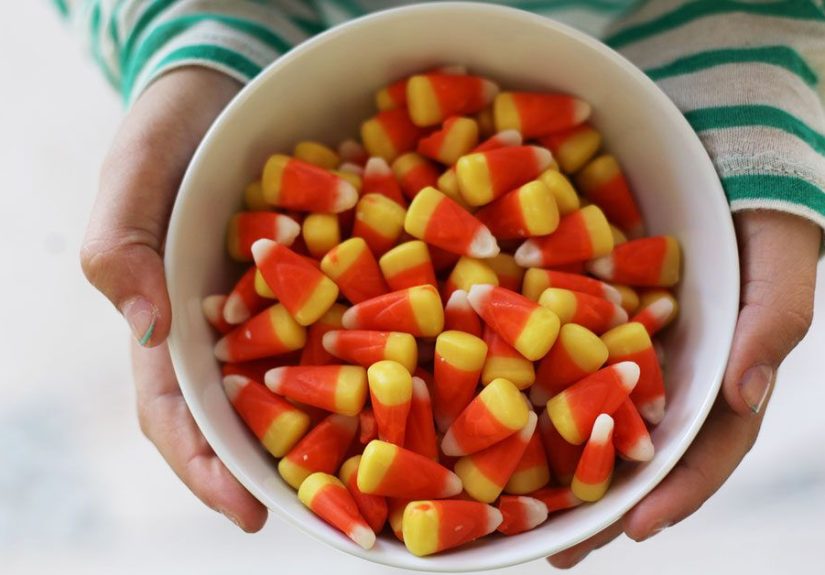
A common approach is to allow some candy, then trade or donate the rest. For kids, many families find it easier to set a “candy schedule”
(like a couple pieces with dinner) rather than letting candy roam free like a sugar-fueled raccoon.
Movie night
If you love candy at the movies, consider buying the smallest size, sharing, or portioning into a small bag. If popcorn is also involved,
it helps to choose which treat you want mostotherwise it becomes a carb double feature.
The office candy bowl
The office candy bowl is basically a stress test in a glass jar. A practical tactic: keep a planned snack at your desk (protein + fiber),
and if you choose candy, take one piece and walk away. “Just one” is easier when you’re not standing there staring into the candy abyss.
When candy is not a great idea
Candy might be a “not today” choice if:
- Your blood sugar is already running high and you’re trying to bring it down.
- You’re frequently experiencing highs after sweets and haven’t found a portion/timing that works.
- You’re relying on candy frequently instead of balanced meals (that’s a sign to adjust the overall plan).
- You have digestive issues and sugar-free candy triggers symptoms.
Candy is optional. Your health is not.
So… is candy OK for people with diabetes? The bottom line
Candy can fit into a diabetes-friendly eating pattern when you treat it like what it is: a fast-acting carb that needs a plan.
Use portion control, read labels, and consider timing (with meals often works best).
Sugar-free candy may reduce sugar, but it can still affect blood sugar and may cause GI side effects.
And remember the biggest power move in diabetes management: learning your own patterns.
Your blood sugar data, your medication plan, and your lifestyle matter more than any one candy rule on the internet.
Experiences People Commonly Share About Candy and Diabetes (Extra 500+ Words)
People living with diabetes often describe candy as a “small thing with a big impact.” Not emotionally (okay, sometimes emotionally),
but physiologicallybecause even a few bites can change a CGM trend line in a way that feels unfairly dramatic. One common experience is
realizing that the same candy behaves differently depending on context. A couple of mini chocolates after a balanced dinner might produce
a mild bump, but that same amount grabbed mid-afternoon on an empty stomach can create a sharper rise. Many people say this was the first
“aha” moment that helped them stop thinking in absolutes (good vs. bad foods) and start thinking in patterns (timing, portion, pairing).
Another frequent experience is the “serving size surprise.” People will buy a small bag of candies that looks single-serve,
only to realize the nutrition label lists two or three servings. It’s not that anyone was tricked (technically), but it can feel like candy packaging
was designed by a mischievous math teacher. Over time, many people develop a habit of scanning the label first and then choosing a portion that matches
their goals. Some even pre-portion candy into snack bags at home so the decision is already made before cravings show up.
For people who use insulin, a common learning curve is figuring out that different sweets can require different insulin timing.
Fast sugar (like gummies) may hit quickly, while higher-fat desserts (like candy bars or frosted baked goods) may rise later and linger longer.
People often report experimenting cautiouslychecking CGM trends, noting what happened, and bringing that information to their clinician or diabetes educator
for fine-tuning. Many describe this as empowering: instead of “I can’t,” it becomes “I can, if I plan.”
Sugar-free candy creates its own set of stories. A very common one is discoveringsometimes the hard waythat “sugar-free” does not mean “consequence-free.”
People frequently report that a handful of sugar-free candies can cause stomach upset, gas, or urgent bathroom trips. After that, the lesson tends to stick:
if they use sugar-free treats, they keep portions small, test tolerance at home, and pay attention to which sugar alcohol is used.
Interestingly, many people say sugar-free candy is most useful as an occasional toolnot an everyday habitbecause it can still perpetuate a strong sweet craving.
Finally, many people share a social experience: candy is often a “love language” from friends, coworkers, and family. Someone offers a treat to be kind,
and saying no can feel awkward. People often find it easier to have a simple script ready, like: “I’ll save it for later,” or “I’m good right now, but thanks.”
Others choose to accept a piece and enjoy it with a meal later. Over time, many people learn that the goal isn’t perfectionit’s consistency and confidence.
Candy becomes less of a daily battle and more of an occasional, planned choice that fits their real life.