Table of Contents >> Show >> Hide
- What Is Child’s Pose in Yoga?
- How to Perform Child Pose in Yoga: Step-by-Step
- How Should Child’s Pose Feel?
- How Long to Hold Child’s Pose
- How to Breathe in Child’s Pose
- Benefits of Child’s Pose
- Common Mistakes to Avoid
- Child’s Pose Modifications and Variations
- When to Be Careful With Child’s Pose
- How to Add Child’s Pose to Your Yoga Routine
- Beginner Tips for Better Child’s Pose
- Real-Life Experiences With Child’s Pose in Yoga
- Conclusion
Some yoga poses look dramatic enough to deserve their own movie trailer. Child’s Pose is not one of them. There is no flying, no balancing on one pinky toe, and no expression that says, “I have transcended rent, taxes, and emails.” And yet, this humble posture is one of the most useful poses in yoga.
Child’s Pose, also known as Balasana, is the posture many people return to when they need a reset. It is gentle, grounding, beginner-friendly, and surprisingly effective. Whether you are brand-new to yoga, sore from sitting all day, or simply trying to find one pose that makes your back say, “Thank you very much,” Child’s Pose deserves a place in your routine.
In this guide, you will learn how to perform Child Pose in yoga with proper form, how to breathe in the pose, how long to hold it, which mistakes to avoid, and how to modify it for tight hips, sensitive knees, pregnancy, or general human stiffness. In other words, this is your no-nonsense, no-contortion-required guide to one of yoga’s most comforting poses.
What Is Child’s Pose in Yoga?
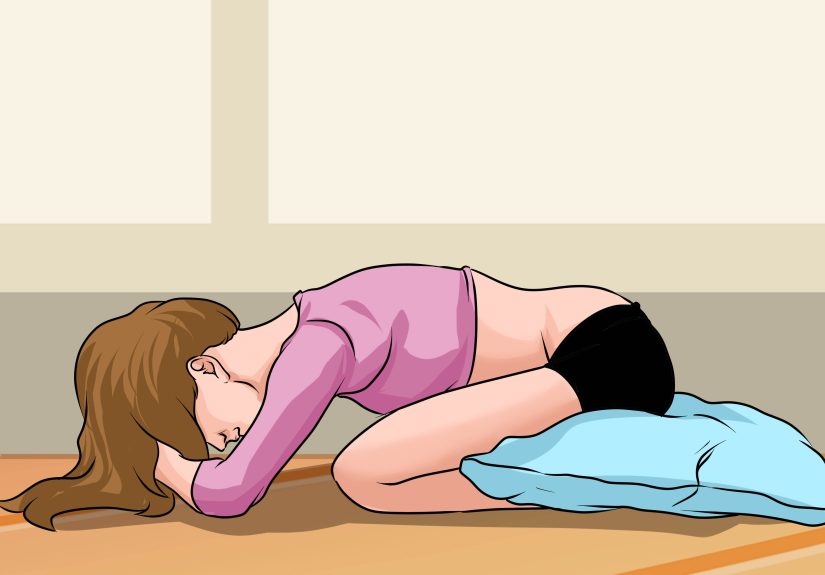
Child’s Pose is a classic resting posture in yoga. From a kneeling position, you fold your torso forward toward the floor and allow your hips to move back toward your heels. Your forehead rests on the mat, a block, or stacked hands, while your arms can stretch forward or relax beside your body.
It may look simple, but do not mistake “simple” for “useless.” This pose can gently lengthen the spine, stretch the hips, thighs, ankles, and shoulders, and encourage slow breathing. It is often used between more active yoga poses, at the start of practice to settle the body, or at the end when your nervous system needs a polite invitation to calm down.
If yoga had a “pause” button, this would be it.
How to Perform Child Pose in Yoga: Step-by-Step
If you want to know exactly how to do Child Pose, follow these steps.
- Start on your hands and knees. Come into a tabletop position with your wrists under your shoulders and your knees under your hips.
- Bring your big toes toward each other. Keep the tops of your feet on the mat. You can keep your knees together or separate them wider, depending on what feels best.
- Send your hips back. Slowly move your hips toward your heels. If they do not reach your heels, that is perfectly fine. This is yoga, not a folding contest.
- Fold your torso forward. Let your chest rest between or over your thighs. If your knees are together, your torso will drape over your legs. If your knees are wide, your torso can settle between them.
- Rest your forehead down. Place your forehead on the mat. If it does not comfortably reach, use a yoga block, folded blanket, or stacked fists.
- Choose your arm position. Stretch your arms forward with palms down for a longer reach through the sides of the body, or bring your arms back alongside your legs with palms up for a softer, more restorative version.
- Breathe slowly. Stay for several slow breaths, allowing your jaw, shoulders, and lower back to soften.
How Should Child’s Pose Feel?
A good Child’s Pose should feel comforting, not punishing. You may notice a gentle stretch in your hips, thighs, ankles, shoulders, or lower back. You may also feel your rib cage expand with each breath, especially if your knees are wider.
What you should not feel is sharp pain, pinching, numbness, or pressure that makes you want to launch yourself off the mat like toast from a toaster. If that happens, adjust the pose, add props, or come out of it.
How Long to Hold Child’s Pose
For most people, holding Child’s Pose for 5 to 10 slow breaths is a great starting point. In a gentle or restorative practice, you might stay longer, sometimes up to a minute or more, as long as you remain comfortable and can breathe easily.
If you are using the pose as a quick reset between stronger postures, even two or three deep breaths can help. Think of it as a mini exhale for your whole body.
How to Breathe in Child’s Pose
Breathing matters here. A lot. Child’s Pose works best when you are not holding tension in your face while breathing like you just ran up six flights of stairs.
Try this:
- Inhale slowly through your nose and feel your back body widen.
- Exhale gently and allow your shoulders, hips, and belly to soften.
- Keep the breath smooth, steady, and quiet.
Wide-knee Child’s Pose can make breathing feel easier because it gives your torso more room. If your breath feels cramped, widen the knees a little and support your forehead.
Benefits of Child’s Pose
One reason Child’s Pose in yoga remains so popular is that it does a lot without asking for a lot. It is accessible, adaptable, and effective for many bodies.
1. It encourages relaxation
Child’s Pose is commonly used as a resting posture because it supports slow breathing and a sense of grounding. When you stop trying to “perform” and simply rest, your body often responds by letting go of unnecessary tension.
2. It gently stretches the back body
This pose can create a mild stretch through the lower back, hips, thighs, and ankles. With the arms reaching forward, you may also feel length along the sides of the torso and into the shoulders.
3. It can relieve tension from long hours of sitting
If you spend the day hunched over a desk, keyboard, or phone, Child’s Pose can feel like a very civilized apology to your spine.
4. It helps you reconnect with your breath
Because the shape is stable and close to the floor, many people find it easier to focus on slow, intentional breathing in Child’s Pose than in standing poses.
5. It works for many levels
Beginners can use it as a base pose, while experienced practitioners often return to it throughout class. A pose does not have to be complicated to be valuable. Child’s Pose proves that beautifully.
Common Mistakes to Avoid
Even a simple pose can go sideways. Here are the most common mistakes people make when learning how to perform Child Pose in yoga.
Forcing the hips to the heels
If your hips do not sit all the way back, do not force them. Tight hips, quads, knees, or ankles can limit the shape. Place a blanket, bolster, or pillow between your hips and heels for support.
Jamming the forehead down
Your head should feel supported, not smashed. If your forehead does not comfortably reach the floor, elevate it with a block or folded blanket.
Holding tension in the shoulders
If your arms are stretched out and your shoulders are creeping toward your ears like suspicious little turtles, soften them. You can also bring your arms by your sides.
Ignoring knee or ankle discomfort
Child’s Pose should not be an endurance test for your joints. Add padding under the knees or shins, or reduce the depth of the fold.
Breathing too shallowly
If you are compressed and cannot breathe well, the pose needs adjusting. Widen the knees, separate the thighs, or use props to create more space.
Child’s Pose Modifications and Variations
One of the best things about Child’s Pose is that it can be modified in many smart, practical ways.
Wide-Knee Child’s Pose
This is one of the most common variations. Separate your knees wider while keeping your big toes moving toward each other. This creates more room for your torso and can make the pose more comfortable for the hips, belly, and breath.
Child’s Pose With Knees Together
Keeping the knees together creates a more compact shape and may change where you feel the stretch. Some people love it. Others do not. Your mat, your rules.
Supported Child’s Pose
Place a bolster or a stack of pillows lengthwise between your thighs and rest your torso on top. This version is especially soothing if you want a restorative experience or if folding all the way down feels too intense.
Child’s Pose for Tight Hips
If your hips feel like they signed a contract never to relax, widen your knees and place a folded blanket or cushion between your hips and heels. The support reduces strain and helps your body settle.
Child’s Pose for Knee Discomfort
Put extra padding under your knees, shins, or ankles. You can also place a bolster or rolled blanket behind your knees or between your calves and thighs to reduce the amount of bending. If kneeling is still painful, skip the floor version altogether.
Child’s Pose for Ankle Discomfort
Slide a folded blanket under the fronts of your ankles or shins. A little lift can make a big difference.
Pregnancy Modification
During pregnancy, a wider-knee version is usually more comfortable because it creates more room for the belly and allows easier breathing. A bolster under the chest can add support. Any position that causes pressure, breath restriction, dizziness, or discomfort should be avoided.
Arms Forward vs. Arms Back
Arms forward can create more length through the shoulders and sides of the waist. Arms back, with palms up, often feels more restful and less demanding on the shoulders. Try both and see which version your body votes for.
If Face-Down Child’s Pose Does Not Work for You
Some people simply do not enjoy folding forward on the floor, no matter how many blankets enter the group chat. That is okay. A reclined alternative, such as lying on your back and drawing your knees toward your chest in a relaxed shape, can offer a similar sense of comfort.
When to Be Careful With Child’s Pose
Child’s Pose is often considered gentle, but gentle does not mean universally right for every body on every day.
Use caution or talk with a qualified healthcare professional if you have:
- an acute knee injury or severe knee pain,
- a shoulder injury that is irritated by reaching forward,
- ankle pain with kneeling,
- back pain that worsens with forward folding,
- pregnancy-related discomfort in the shape, or
- any condition that makes kneeling or deep flexion uncomfortable.
As a simple rule, stop if the pose causes sharp pain, tingling, or a feeling of strain rather than ease.
How to Add Child’s Pose to Your Yoga Routine
You do not need a 90-minute incense-filled ceremony to use Child’s Pose well. It fits almost anywhere.
Before yoga practice
Use it at the beginning to settle your breathing and check in with your body.
During yoga practice
Use it as a reset between stronger poses such as Plank, Cobra, or Downward Dog.
After workouts
Try it after strength training, running, or a long day of sitting to gently release tension.
Before bed
A supported Child’s Pose with a bolster can be a calming part of a wind-down routine.
Beginner Tips for Better Child’s Pose
- Use more props than you think you need. Support is smart, not lazy.
- Do not worry about how the pose looks. Focus on how it feels.
- Let your neck relax completely.
- Move slowly in and out of the pose.
- Keep your breath steady instead of chasing a deeper stretch.
- Try both knees-together and knees-apart versions.
Real-Life Experiences With Child’s Pose in Yoga
For many people, Child’s Pose starts as “that break pose the instructor keeps offering” and turns into a full-blown favorite. The experience is often less about dramatic stretching and more about what the pose allows you to notice.
Beginners frequently say the first surprise is how different the pose feels from day to day. On one morning, the hips drop back easily and the spine feels long and calm. On another, the thighs feel tight, the ankles complain, and the forehead seems suspiciously far from the floor. That changing experience can actually be helpful. Child’s Pose teaches you to respond to the body you have today, not the one you had last week or the one you wish would magically appear after two green smoothies.
Office workers often describe Child’s Pose as a reset for “desk body.” After hours of sitting, hunching, and pretending posture does not matter, folding forward with the arms extended can feel like giving the back and shoulders a long overdue thank-you note. Even a few breaths in the pose can create a noticeable sense of release through the lower back and neck.
People who are new to yoga also tend to discover something important in Child’s Pose: rest is part of practice, not a failure of practice. That realization can be weirdly emotional. In a culture that treats slowing down like a software glitch, there is something powerful about being told, “Yes, you are allowed to pause here.” Many students remember the first time they actually relaxed in Child’s Pose because it felt less like exercise and more like permission.
For others, the experience is practical. A runner may use it after a workout to settle tight hips. Someone with a stressful schedule may turn to supported Child’s Pose in the evening because it helps them breathe more slowly. A yoga beginner with stiff knees may spend a week experimenting with blankets and bolsters before finding a version that finally feels comfortable. That trial-and-error process is normal. In fact, it is often the reason people end up trusting the pose more. Once they realize it can be adjusted to fit their body, the pose becomes far more inviting.
Pregnant practitioners often describe wide-knee Child’s Pose with props as one of the most comforting versions, especially when the shape gives the torso space and makes breathing feel less restricted. People with shoulder tension sometimes prefer the arms-back variation because it softens the effort. Those with sensitive knees may love the pose only after adding a blanket or bolster. In other words, the “best” Child’s Pose is rarely the textbook version. It is the version that allows you to breathe and feel supported.
There is also a mental side to the experience. Because your forehead is supported and your gaze disappears, the pose can feel private in the best possible way. The world gets quieter. The nervous system gets a hint that maybe, just maybe, not everything is urgent. That may sound dramatic for a pose that mostly involves kneeling and folding, but ask anyone who has melted into Child’s Pose after a chaotic day. They will probably tell you it felt like pressing reset on their entire personality.
That is why Child’s Pose remains so beloved. It meets people where they are. On strong days, it is a pause. On stressful days, it is a refuge. On stiff days, it is a gentle stretch. And on the messiest, most overbooked, nobody-text-me-right-now kind of days, it is the yoga equivalent of crawling under a cozy blanket and deciding to be a human being again.
Conclusion
If you have been wondering how to perform Child Pose in yoga, the answer is refreshingly simple: start on hands and knees, ease the hips back, fold forward, support your head, and breathe. Then make the pose fit you. Widen the knees, add props, change the arm position, and forget the idea that there is only one correct version.
Child’s Pose may be gentle, but it is not insignificant. It can help you slow down, breathe better, relieve tension, and reconnect with your body without demanding acrobatics or heroic flexibility. That is a pretty impressive résumé for a pose that looks like a nap with good posture.