Table of Contents >> Show >> Hide
- What Is a Round Scourer Sponge?
- Why the Round Shape Works So Well
- Round Scourer Sponge vs. Regular Kitchen Sponge
- How to Choose the Best Round Scourer Sponge
- Where to Use a Round Scourer Sponge
- Surfaces to Avoid Scrubbing Too Aggressively
- How to Clean and Maintain a Round Scourer Sponge
- Eco-Friendly Considerations
- Common Mistakes People Make With Round Scourer Sponges
- Practical Buying Guide: Which Round Scourer Sponge Fits Your Home?
- Real-World Experience With a Round Scourer Sponge
- Conclusion
A round scourer sponge may look like the humble sidekick of the kitchen sink, but underestimate it at your own greasy risk. This small, palm-friendly cleaning tool can scrub a skillet, wipe a countertop, rescue a coffee mug from mysterious brown rings, and make a sink look less like the aftermath of a spaghetti crime scene. In other words, it is not just a sponge. It is the tiny circular employee of the month in your cleaning cabinet.
The appeal of a round scourer sponge is simple: it combines the softness and absorbency of a sponge with the scrubbing power of a scouring surface. Its rounded shape makes it easier to grip, easier to twist inside bowls and cups, and less awkward than a stiff rectangular pad when you are cleaning curves, corners, and cookware edges. Whether you are washing dishes by hand, cleaning a stovetop, or tackling dried oatmeal that has become emotionally attached to a saucepan, this little scrubber can be surprisingly useful.
But not all round scourer sponges are created equal. Some are made for delicate nonstick pans. Some are designed for heavier-duty scrubbing. Some are double-sided, with one soft sponge side and one textured scouring side. Others are made from odor-resistant foam, recycled fibers, nylon mesh, cellulose, or synthetic scrub material. Choosing the right one matters, because the wrong sponge can scratch surfaces, trap food debris, smell like a swamp with ambition, or wear out faster than expected.
What Is a Round Scourer Sponge?
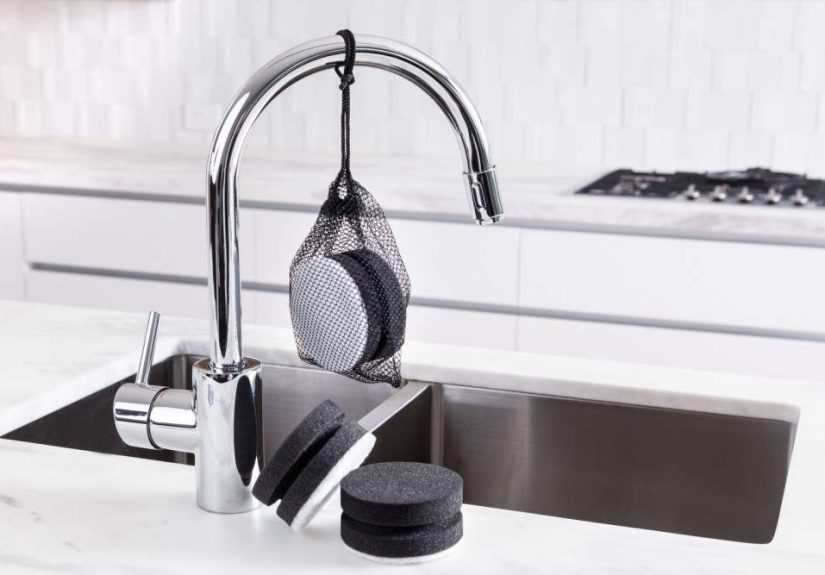
A round scourer sponge is a circular or disc-shaped cleaning sponge designed for washing, wiping, and scrubbing. Most versions include a soft absorbent section and an abrasive or textured section. The sponge side holds water and dish soap, while the scourer side helps loosen stuck-on food, grease, residue, soap scum, and light stains.
The round shape is more than a design choice. It improves handling. A circular sponge fits naturally in the palm, which gives you better control when cleaning curved objects such as mugs, bowls, glasses, small pans, sink drains, and faucet bases. Rectangular sponges are classic, but they can bunch, fold, or feel clumsy when you are trying to clean rounded surfaces. A round scourer sponge feels more like a cleaning puck: compact, direct, and ready for action.
Common Materials Used in Round Scourer Sponges
Most round scrub sponges use synthetic foam, cellulose, nylon mesh, polyester fibers, or nonwoven abrasive fibers. Some eco-focused options include recycled scrubbing fibers or plant-based cellulose sponge layers. A non-scratch round scourer sponge typically uses softer abrasive materials so it can clean coated cookware, ceramic dishes, glassware, and countertops without leaving visible damage when used properly.
Heavier-duty versions may include rougher scouring fibers. These can be excellent for stainless steel sinks, oven racks, grill tools, and uncoated pans, but they should be used carefully. Abrasive pads can dull shiny appliance finishes, scratch plastic, damage nonstick coatings, and remove printed measurement marks from cups or containers. The golden rule is simple: test first, scrub second, brag later.
Why the Round Shape Works So Well
The biggest advantage of a round scourer sponge is ergonomics. The disc shape spreads pressure evenly across your hand, which helps reduce finger fatigue during longer dishwashing sessions. Instead of pinching a thin pad, you press your palm into a rounded scrubber and move in circular motions. That motion is perfect for plates, bowls, pans, and stovetop rings.
Round sponges also rotate easily. When one part of the scrubber gets too soapy or dirty, you can turn it slightly and keep going. This sounds minor until you are cleaning a stack of dishes after dinner and trying not to drop a slippery glass into the sink like a dramatic movie prop.
Best Uses for a Round Scourer Sponge
A round scourer sponge is especially useful for everyday cleaning jobs. It works well on dinner plates, ceramic bowls, coffee cups, stainless steel sinks, glass lids, plastic food containers, tile backsplashes, stovetops, and bathroom sinks. A non-scratch version can often be used on nonstick cookware, but always check the product label and cookware care instructions first.
The round shape is also helpful for cleaning inside mugs and jars. A rectangular sponge may hit one wall at a time, but a round sponge can glide along the inside curve more smoothly. It is also great for wiping around sink drains, where food particles and soap residue tend to gather like they are holding a tiny kitchen meeting.
Round Scourer Sponge vs. Regular Kitchen Sponge
A regular kitchen sponge is usually rectangular and may or may not include a scrub layer. It is familiar, inexpensive, and widely available. A round scourer sponge, however, is designed for better grip and more controlled scrubbing. If you often clean bowls, cups, pans, or curved surfaces, the round option can feel more natural.
The difference becomes obvious when scrubbing circular stains, such as tea rings in mugs, sauce marks in bowls, or oil residue in pans. A round scrubber follows the shape of the mess. A rectangular sponge can still do the job, but it may require more folding, pressing, and repositioning. The round scourer sponge is not magic, but it does understand geometry better than your average dishcloth.
Round Scourer Sponge vs. Steel Wool
Steel wool is more aggressive and better suited for very tough cleaning tasks, such as restoring certain metal tools or removing heavy buildup from durable surfaces. However, it can scratch many common kitchen items. A round scourer sponge is usually the safer everyday choice because it offers scrubbing power without being as harsh as metal fibers.
For households with nonstick pans, glassware, ceramic plates, and coated appliances, a non-scratch round scourer sponge is usually more practical than steel wool. Save the metal scrubber for surfaces that can truly handle it. Your nonstick skillet did not sign up for battle.
How to Choose the Best Round Scourer Sponge
Choosing the best round scourer sponge depends on what you clean most often. A college student washing two plates and one heroic ramen pot needs something different from a home cook cleaning stainless steel pans every night. Before buying a pack, consider surface safety, texture, absorbency, odor resistance, durability, and how easy the sponge is to rinse.
1. Look for a Non-Scratch Label
If you plan to use the sponge on nonstick cookware, ceramic dishes, glass, or polished surfaces, choose a product labeled non-scratch. This does not mean it is impossible to cause damage, but it does mean the scrub layer is designed to be gentler than heavy-duty abrasive pads. Always avoid pressing too hard, especially on delicate finishes.
2. Choose the Right Texture
A good round scourer sponge should feel textured enough to remove stuck-on food but not so rough that it behaves like sandpaper in a bad mood. Soft mesh-covered versions are useful for daily dishwashing. Firmer scouring pads are better for pots, sinks, and tougher messes. If your kitchen has a mix of delicate and durable surfaces, keep two sponge types: one gentle and one heavy-duty.
3. Check Absorbency and Lather
The sponge side should hold enough water and dish soap to create a useful lather. A sponge that dries too fast may force you to add soap repeatedly. A sponge that holds too much water may stay damp for hours, which is not ideal for hygiene. The best balance is a sponge that foams easily, rinses clean, and dries reasonably fast when stored properly.
4. Consider Odor Resistance
Some modern scrub sponges are designed to resist odors better than traditional kitchen sponges. This can be helpful, but odor resistance is not a free pass to keep the same sponge forever. If a sponge smells bad, feels slimy, starts falling apart, or looks permanently stained, it is time to replace it. No sponge deserves a retirement ceremony. Just let it go.
5. Buy Multi-Packs for Better Rotation
Round scourer sponges are often sold in multi-packs, which makes sense. You can keep one by the kitchen sink, one for bathroom cleaning, one for outdoor furniture, and one as backup. Color-coded packs are especially useful because they help prevent cross-use. The sponge used for the bathroom should not become the sponge used for cereal bowls. That is not multitasking; that is chaos.
Where to Use a Round Scourer Sponge
A round scourer sponge is one of those cleaning tools that quietly travels from room to room. In the kitchen, it can clean dishes, pans, cutting boards, sinks, faucet handles, countertops, and appliance exteriors. In the bathroom, it can help scrub soap residue from sinks, tubs, and tile. In the laundry room, it can wipe detergent drips from shelves and machines. For outdoor use, it can remove dirt from patio tables, plant pots, plastic chairs, and garden tools.
Still, one sponge should not do every job. Keep separate sponges for different areas. A kitchen sponge should stay in the kitchen. A bathroom sponge should stay in the bathroom. A sponge used for pet bowls, shoes, trash cans, or outdoor grime should be clearly separated. Label them, color-code them, or store them in different caddies. Your future self will thank you.
Surfaces to Avoid Scrubbing Too Aggressively
Even a non-scratch round scourer sponge should be used with common sense. Avoid aggressive scrubbing on soft plastic, painted surfaces, stainless steel appliance fronts, glossy finishes, natural stone, acrylic tubs, and delicate nonstick coatings unless the product specifically says it is safe for those surfaces. When in doubt, test a small hidden area first.
The abrasive side of any sponge can become more aggressive if food particles, sand, or grit get trapped in it. That means a sponge that was safe yesterday may scratch today if it picked up something rough. Rinse it thoroughly before using it on delicate items. A tiny grain of debris can turn your friendly scrubber into a tiny betrayal disc.
How to Clean and Maintain a Round Scourer Sponge
Because sponges stay damp and touch food residue, they need regular care. After each use, rinse the sponge thoroughly under running water. Squeeze out excess moisture and store it where air can circulate. Do not leave it sitting in a puddle of gray sink water. That is not storage; that is a bacteria spa package.
Daily Care Tips
Rinse away soap, grease, and food bits after every cleaning session. Wring the sponge out firmly. Place it upright in a sponge holder, drying rack, or ventilated caddy. Avoid trapping it under dishes or leaving it inside the sink. The faster it dries, the fresher it stays.
Sanitizing Methods
Many kitchen sponges can be sanitized in the dishwasher using a hot cycle and heated dry setting. Some plain wet sponges without metal parts may also be sanitized in the microwave, but this must be done carefully: the sponge should be wet, and it should not contain metal or metallic scouring material. If the sponge has metal fibers, skip the microwave completely.
Other cleaning methods include boiling water, diluted bleach solutions, or vinegar soaks, depending on the sponge material and household preference. Always follow the manufacturer’s instructions. Cleaning can reduce microbes and odors, but it does not make a sponge immortal. Replacement is still part of good kitchen hygiene.
When to Replace It
Replace a round scourer sponge when it smells unpleasant, becomes slimy, loses its shape, sheds fibers, traps food that will not rinse out, or starts scratching surfaces. For busy kitchens, replacement every one to two weeks is a sensible habit. For lighter use, the timeline may be longer, but appearance and odor are important clues.
Eco-Friendly Considerations
If sustainability matters to you, look for round scourer sponges made with recycled scrubbing fibers, plant-based cellulose, reduced plastic packaging, or durable materials that last longer. Reusable scrubbers can reduce waste when they are properly maintained, but durability should not come at the expense of hygiene. A sponge that lasts a long time but smells like old soup is not exactly a victory for the planet.
You can also reduce waste by using the right sponge for the right task. Do not destroy a gentle kitchen sponge on a greasy grill grate. Use brushes, cloths, or heavier-duty pads where appropriate. A well-matched cleaning tool lasts longer and performs better.
Common Mistakes People Make With Round Scourer Sponges
The first mistake is using one sponge for everything. This spreads grime from one area to another and shortens the sponge’s life. The second mistake is storing it wet. Moisture encourages odors and buildup. The third mistake is scrubbing delicate surfaces without checking whether the sponge is safe for them. The fourth mistake is keeping the sponge long after it has clearly retired itself.
Another common mistake is assuming more pressure means better cleaning. Often, soaking is smarter than scrubbing. If food is stuck to a pan, add warm water and dish soap, let it sit, then scrub gently. Your sponge should not have to perform a full-body workout every time lasagna gets dramatic.
Practical Buying Guide: Which Round Scourer Sponge Fits Your Home?
For Everyday Dishwashing
Choose a soft, non-scratch round sponge with good lather and a gentle scouring surface. This is ideal for plates, bowls, mugs, glassware, and lightly soiled pans.
For Cookware and Stubborn Messes
Choose a firmer double-sided round scourer sponge. Use the sponge side for soap and water, then switch to the scouring side for stuck-on food. Make sure it is safe for your cookware material.
For Bathrooms
Choose a sponge with a textured scrub side that can handle soap scum and sink buildup. Keep it separate from kitchen sponges and replace it when it begins to break down.
For Eco-Conscious Cleaning
Look for recycled fibers, plant-based sponge material, minimal packaging, or washable designs. Pair the sponge with a good drying holder to extend usability.
Real-World Experience With a Round Scourer Sponge
Using a round scourer sponge every day teaches you a few practical lessons that product descriptions rarely mention. The first is that shape really does matter. A round sponge feels surprisingly natural when cleaning plates and bowls because your hand already wants to move in circles. Instead of dragging a rectangular sponge across a curved dish, you can rotate your wrist and follow the surface. It feels smoother, faster, and a little more satisfying than it probably should. Cleaning dishes is still not a vacation, but at least the sponge is trying.
The second lesson is that round scrubbers are great for mugs. Coffee and tea stains tend to form in rings, and a circular sponge attacks those rings with excellent enthusiasm. Add warm water, a little dish soap, and a few steady rotations, and most mug stains lift quickly. The same goes for small bowls used for oatmeal, soup, dipping sauce, or melted chocolate. A round sponge gets into the curve at the bottom without needing to be folded like a cleaning origami project.
The third lesson is about control. With a flat rectangular sponge, your fingers often do the gripping. With a round scourer sponge, your palm does more of the work. That gives you better pressure control, especially when cleaning something slippery. It also helps when washing glass lids, where the rim tends to collect grease. You can hold the sponge flat, move around the edge, and clean without constantly adjusting your grip.
In real kitchens, the double-sided design is the hero. The soft side handles soap, foam, and general wiping. The scrub side takes over when food refuses to behave. For example, after cooking eggs in a pan, the soft side may remove oil, but the textured side helps lift the thin cooked-on layer near the edges. After pasta night, the scourer side can clear sauce spots from plates without requiring dramatic force. For stainless steel sinks, a few circular passes can freshen the basin and make the faucet area look cleaner.
But the round scourer sponge also teaches discipline. You cannot leave it wet in the sink and expect miracles. If it stays damp under a pile of dishes, it will smell. If you use it on greasy pans and do not rinse it well, it will hold residue. If you use the same sponge for the sink, countertop, pet bowl, and coffee mug, you are creating a tiny cleaning scandal. The best routine is simple: rinse thoroughly, squeeze hard, store upright, and replace regularly.
Another experience-based tip is to keep more than one. A gentle round sponge belongs near the dish soap. A tougher one can live under the sink for heavier jobs. A bathroom-only sponge should be stored separately. Color coding helps. Once you start separating sponges by task, cleaning feels more organized and less suspicious.
The biggest surprise is how often the round scourer sponge becomes the tool you reach for first. It is small enough to use quickly, scrubby enough for everyday messes, and comfortable enough that you do not dread using it. No, it will not clean the whole house by itself. It will not fold laundry, pay bills, or explain why everyone in the house puts empty containers back in the fridge. But for dishes, sinks, mugs, pans, and daily wipe-downs, it earns its spot beside the faucet.
Conclusion
A round scourer sponge is a small cleaning tool with a big personality. Its circular shape makes it easy to grip, its sponge layer helps create lather, and its scouring surface gives you extra power against everyday messes. It is especially useful for dishes, mugs, bowls, pans, sinks, and curved surfaces where a standard rectangular sponge may feel awkward.
The best round scourer sponge for your home depends on your surfaces and cleaning habits. Choose non-scratch options for delicate cookware and glassware, firmer scrubbers for tougher jobs, and eco-minded materials if reducing waste is a priority. Most importantly, clean and dry your sponge properly, keep separate sponges for different tasks, and replace them before they become smelly, slimy, or worn out.
In the grand world of cleaning supplies, the round scourer sponge may not be glamorous. It will never get a red carpet moment. But when dinner is over, the sink is full, and that one pan looks like it has personal issues, this little round scrubber is exactly the kind of practical hero you want nearby.