Table of Contents >> Show >> Hide
- What Is Two Truths, One Lie?
- How to Play Two Truths, One Lie
- Basic Rules for Two Truths, One Lie
- What Makes a Good Lie?
- Best Strategies for Telling a Strong Lie
- Good Lies to Tell in Two Truths, One Lie
- Examples of Strong Full Rounds
- Two Truths, One Lie Variations
- Mistakes to Avoid
- Why This Game Never Really Gets Old
- Experience and Real-Life Fun With Two Truths, One Lie
- Final Thoughts
Some party games need props. Some need cards. Some need a host with the energy of a game show announcer and the patience of a kindergarten teacher on a sugar-heavy Friday. Two Truths, One Lie needs none of that. It only needs people, a little imagination, and the willingness to bluff with a straight face while your friends stare at you like tiny detectives.
If you have ever needed a fast icebreaker for a party, class, meeting, family gathering, camp, team-building event, or awkward Zoom call where everyone is pretending not to be awkward, this game earns its keep. It is simple, flexible, funny, and surprisingly revealing. You learn who once broke an arm roller-skating, who can juggle oranges, and who is way too comfortable lying about owning a llama.
In this guide, you will learn how to play Two Truths, One Lie, the basic rules, smart strategies, examples of good lies to tell, and ways to make the game better for kids, adults, classrooms, work teams, and parties. And yes, we will also talk about the art of the liebecause a weak lie ruins the round faster than someone saying, “My fake one is number three.”
What Is Two Truths, One Lie?
Two Truths, One Lie is a classic get-to-know-you game where each player says three statements about themselves. Two statements are true, and one is false. The rest of the group has to guess which statement is the lie.
That is the whole setup. No equipment. No scoreboard required. No dramatic soundtrack, although one would help. The charm is in the details: the player’s delivery, the creativity of the facts, and the group’s ability to sniff out nonsense.
The game works because it mixes curiosity, storytelling, humor, and light competition. People are usually more interesting than they sound in introductions, and this game gives them a way to prove it. Or fake it. Temporarily.
How to Play Two Truths, One Lie
Step 1: Gather the group
You can play with as few as three people, but it usually gets more entertaining with a slightly bigger group. It works well for small gatherings, classrooms, youth groups, office meetings, team-building sessions, and virtual calls.
Step 2: Explain the format
Each person takes a turn sharing three statements about themselves:
- Two statements must be true
- One statement must be false
The statements can be funny, surprising, random, impressive, or mildly embarrassing. In fact, mildly embarrassing usually does very well.
Step 3: Give players a minute to prepare
Some players can invent their three statements instantly. Others need a minute to remember whether they have ever met a celebrity or just once stood near a cardboard cutout of one. Giving everyone a short prep window helps the game move more smoothly.
Step 4: One person shares their statements
The player reads all three statements aloud. They can list them in any order. Some groups allow follow-up questions; others prefer immediate guessing. Both versions work.
Step 5: The group guesses the lie
Everyone else discusses the options and votes on which statement is fake. In a more competitive version, each player can write their guess down.
Step 6: Reveal the answer
The speaker reveals which statement was the lie. This is usually when the room erupts into one of three reactions: laughter, disbelief, or “Wait, that one was true?”
Step 7: Continue until everyone has a turn
The game ends after each player has gone once, or you can do multiple rounds with themes like travel, food, childhood, school, work, hobbies, or hidden talents.
Basic Rules for Two Truths, One Lie
The beauty of the game is that the rules are simple. Still, a few ground rules keep it fun and fair.
1. Keep all statements about yourself
The three statements should be personal facts or experiences. This is not the time to say, “Penguins have knees.” Interesting, sure. Helpful to the game? Not really.
2. Make the lie believable
A good lie should blend in with the truths. If two statements are ordinary and one is “I trained dolphins in Monaco for six years,” everyone will guess the lie before you finish saying Monaco.
3. Avoid hurtful, risky, or deeply private topics
Good game play does not require oversharing. Keep it light, appropriate for the setting, and respectful of the group.
4. Do not make the truths too obvious
If your truths are boring and your lie is exciting, the lie will stand out. The best rounds happen when all three statements feel equally possible.
5. Let everyone participate
Some people are natural performers; others are quieter. Give everyone enough time to think and share without pressure.
What Makes a Good Lie?
This is the heart of the game. A good lie to tell in Two Truths, One Lie is not wild. It is plausible. It sounds like something that could be true, especially coming from you.
Here is the formula:
- Believable: It should fit your personality or life story.
- Specific: A little detail makes it sound real.
- Not too dramatic: Small weirdness is stronger than giant absurdity.
- Close in tone to the truths: All three should “feel” similar.
For example, this set works better:
- I once got lost in an airport in another country.
- I hate ketchup on fries.
- I was on my high school debate team.
Why does it work? Because none of the statements scream fake. They all sound personal, ordinary, and oddly specific.
This set works worse:
- I have a younger brother.
- I like pizza.
- I used to be a backup dancer for a pop star.
One of these things is not like the others. One of these things is trying way too hard.
Best Strategies for Telling a Strong Lie
Use boring confidence
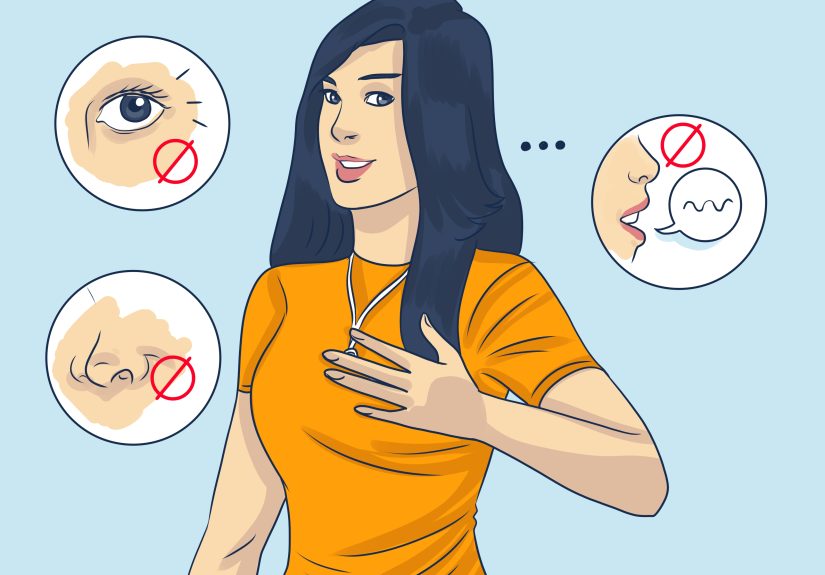
The more casually you deliver the lie, the better. If you suddenly become a theater major for one sentence only, people will notice.
Borrow the shape of a real memory
Many players create their best lies by tweaking a true story. Maybe you did go to summer camp, but the lie is that you won the archery competition. That tiny shift makes the fake detail sound natural.
Keep the statements balanced
If all three statements are about different parts of your life, the group has less to compare. That can help. But themed rounds can be fun too, as long as the statements are equally believable.
Do not over-explain
Extra details can sound suspicious unless the group is allowed to ask questions. Say the statements clearly and stop. Silence is your poker face.
Mix surprising truths with a simple lie
One of the best tricks is to tell two weird truths and one totally ordinary lie. People often chase the dramatic answer and miss the sneaky fake one hiding in plain sight.
Good Lies to Tell in Two Truths, One Lie
Need ideas? Here are examples of good lies for Two Truths, One Lie. These are written as possible false statements, but many could also be used as truths depending on your life.
Funny good lies
- I once accidentally joined the wrong wedding photo.
- I hate chocolate chip cookies.
- I can whistle with a mouth full of water.
- I used to think narwhals were made up.
- I got banned from a roller rink when I was a kid.
Good lies for adults
- I have never had coffee.
- I once missed a flight because I was reading at the gate and forgot where I was.
- I can name all fifty states alphabetically.
- I have been in a TV commercial.
- I once broke my phone on the same day I bought it.
Good lies for work icebreakers
- I have worked in three different industries.
- I met my best friend at a job interview.
- I still use the same email address I made in middle school.
- I have never used a spreadsheet formula.
- I once showed up to the wrong Zoom meeting and stayed five full minutes.
Good lies for students
- I have never been late to class.
- I can solve a Rubik’s Cube.
- I have read an entire book in one day.
- I broke a school record once.
- I have never fallen asleep during a movie.
Examples of Strong Full Rounds
Example 1
- I have been stung by a jellyfish.
- I can juggle.
- I have never eaten a taco.
This works because all three are realistic, slightly quirky, and easy to imagine.
Example 2
- I was once in a school play dressed as a tree.
- I have ridden in a helicopter.
- I do not know how to ride a bike.
This set has good balance: one funny memory, one exciting experience, and one humble confession.
Example 3
- I have never broken a bone.
- I can sleep on planes easily.
- I once won a pie-eating contest.
The sneaky move here is making the lie less flashy than the truth people expect to doubt.
Two Truths, One Lie Variations
For classrooms
Teachers often use this game as a low-pressure way to help students learn about one another. You can keep it short, have students write their statements first, or let classmates ask one question before voting.
For work teams
In workplace settings, use safe topics like hobbies, travel, food, first jobs, unusual skills, or funny mishaps. This keeps the activity inclusive and avoids personal boundaries getting bulldozed by enthusiasm.
For virtual meetings
On Zoom or Google Meet, players can post statements in chat, say them aloud, or use a quick poll for voting. Virtual play often works better when rounds move fast and the host keeps things organized.
Themed rounds
Try categories like:
- Childhood
- Travel
- Food
- Family
- School
- Hidden talents
- First jobs
- Bucket-list dreams
Themed rounds help people think faster and can make the game more cohesive.
Mistakes to Avoid
Making the lie too ridiculous
If it sounds like a cartoon plot, it is probably too much.
Choosing a lie that can be easily fact-checked
If everyone in the room knows you hate seafood, claiming you won an oyster-eating contest may not be your strongest move.
Giving away tells
Laughing, looking away, changing your voice, or staring at the ceiling like inspiration is written there can all expose the lie.
Oversharing
The goal is connection, not accidental therapy. Keep the game fun and appropriate to the setting.
Why This Game Never Really Gets Old
The game survives because it does several jobs at once. It is an icebreaker, a conversation starter, a mini storytelling exercise, and a social puzzle. It helps strangers warm up, coworkers feel more human, and friends discover that someone in the group has apparently milked a goat. Or lied about milking a goat. Sometimes both.
It also works across ages. Kids like the silliness. Teens like the challenge. Adults like pretending they are impossible to read. And groups that hate “forced fun” usually tolerate this game because it is quick and does not require trust falls, matching T-shirts, or saying “synergy” out loud.
Experience and Real-Life Fun With Two Truths, One Lie
One reason Two Truths, One Lie keeps showing up everywherefrom classrooms to office meetings to family game nightsis that people almost always underestimate how entertaining it becomes once the first few turns are over. At the beginning, everyone is cautious. The statements are usually tame. Someone says they have a dog, dislike olives, and once visited Florida. The room nods politely. The guesses are careful. It feels nice, but ordinary.
Then the game finds its rhythm.
After a few rounds, people realize they can be clever without making the game impossible. The truths become more colorful. The lies become more elegant. Suddenly someone reveals that the weirdest statement was actually true, and the whole group starts recalibrating how they judge people. That is when the game becomes memorable.
In real-life group settings, the best rounds often happen when a person uses two completely unexpected truths and hides a simple lie between them. For example, someone may honestly say they have eaten alligator, gotten locked in a museum bathroom, and never learned how to whistle. Most groups immediately assume the alligator story is fake, which is exactly why the lying player smiles like a magician who just hid the coin in plain sight.
Another common experience is that the quietest person in the room often wins the round. Why? Because nobody has enough information to judge what sounds likely. The group starts guessing based on stereotypes, and those guesses fall apart quickly. The soft-spoken coworker turns out to have performed in a marching band, lived in three states, and once met an astronaut. At that point, the game stops being a guessing contest and starts becoming a reminder that people are much stranger, funnier, and more layered than first impressions suggest.
At parties, the game tends to become funnier as the night goes on because people build off one another’s energy. At work, it can be surprisingly useful because it gives coworkers something more personal to remember than job titles and email signatures. In classrooms, it helps students speak up without needing a polished speech. In virtual meetings, it gives everyone a reason to look awake on camera. That alone deserves a small award.
There is also a weird little skill that develops the more you play: you get better at writing believable lies. Not creepy lies. Not giant dramatic lies. Just the kind that sound natural because they borrow the structure of truth. Players learn that the strongest fake statement is usually specific, short, and emotionally neutral. “I used to collect rocks as a kid” often works better than “I was secretly raised by circus performers.”
Over time, groups also develop traditions. Some keep score. Some vote dramatically. Some allow one follow-up question. Some create themed rounds like vacation disasters, food opinions, childhood chaos, or first-job stories. Families may turn it into a holiday ritual. Teams may use it to welcome new people. Friends may replay it months later and still discover brand-new material.
That is the secret behind the game’s staying power: it is simple enough to learn in one minute, but flexible enough to feel fresh almost every time. Each round is part bluff, part biography, and part comedy. And when it works well, it creates exactly what a good icebreaker should createlaughter, curiosity, and the very satisfying realization that your friend who claimed to hate tacos might actually be the most dangerous liar in the room.
Final Thoughts
If you want a game that is easy to start, hard to ruin, and surprisingly effective at getting people talking, Two Truths, One Lie is a winner. The rules are simple, the setup is basically nonexistent, and the best rounds feel like a cross between a guessing game and a tiny comedy show.
The key is not telling the biggest lie. It is telling the best lie: one that fits naturally beside the truth, sounds like it belongs to your life, and makes people second-guess their instincts. Add a few surprising truths, a little confidence, and a straight face, and you are ready.
So the next time you need an icebreaker, skip the awkward introductions. Give people three statements, let the bluffing begin, and prepare to discover that the person who looks most innocent may absolutely be lying about the goat.