Table of Contents >> Show >> Hide
- Why Hamsters Bite in the First Place
- Before You Start Training
- How to Train a Hamster Not to Bite: 14 Steps
- Step 1: Give Your Hamster Time to Settle In
- Step 2: Work With Their Schedule (Not Yours)
- Step 3: Let Your Hamster See and Hear You First
- Step 4: Wash Your Hands Before Every Session
- Step 5: Start With Presence, Not Touch
- Step 6: Use Treats as a Trust Bridge
- Step 7: Teach “Hand = Safe” With Short Repetition
- Step 8: Introduce Gentle Touch Only After They’re Relaxed
- Step 9: Scoop, Don’t Grab
- Step 10: Keep Handling Low and Secure
- Step 11: Respect the Nest and “Nope” Moments
- Step 12: Use a Cup or Tunnel for Nervous Transfers
- Step 13: Reduce Stress Triggers in the Habitat
- Step 14: Rule Out Pain or Illness if Biting Suddenly Starts
- What to Do If Your Hamster Bites You
- How Long Does It Take to Train a Hamster Not to Bite?
- Common Mistakes That Make Biting Worse
- Final Thoughts
- Experience-Based Notes (500+ Words): What Owners Commonly Learn the Hard Way
Hamsters are tiny, adorable, and surprisingly opinionated. One minute they look like a fuzzy marshmallow with feet, and the next minute they are telling you, very clearly, “Please do not poke me while I’m sleeping.” If your hamster bites, it does not automatically mean you have a “mean hamster.” In most cases, biting is a fear response, a startle response, or a “your hand smells like snacks” misunderstanding.
The good news? You can usually train a hamster not to bite with patience, gentle handling, and a routine that respects hamster body language. This guide walks you through 14 practical steps to build trust, reduce biting, and make handling safer for both of you. No yelling, no wrestling, no dramatic speeches required (though polite hamster pep talks are absolutely allowed).
Why Hamsters Bite in the First Place
Before training starts, it helps to know what you’re solving. Hamsters commonly bite when they are:
- Startled (especially if touched suddenly)
- Woken up from sleep
- Scared of a new environment or person
- Handled too roughly or restrained too tightly
- Territorial about their nest or hideout
- Confused by food smells on your fingers
- In pain or feeling unwell
Think of biting as communication. Your hamster is not trying to ruin your day; they are trying to feel safe.
Before You Start Training
Set yourself up for success with a few basics:
- Train in the evening when your hamster is naturally awake and active.
- Wash your hands before handling (preferably with unscented soap) so your fingers don’t smell like food.
- Wash your hands after handling your hamster, habitat, or supplies.
- Use short sessions (5–10 minutes) and keep them calm.
- Never punish a hamster for biting. Punishment increases fear and makes biting more likely.
How to Train a Hamster Not to Bite: 14 Steps
-
Step 1: Give Your Hamster Time to Settle In
If your hamster is new, don’t rush handling on day one. A new cage, new smells, and new humans can be stressful. Give your hamster a few days to settle into the environment, learn where food and water are, and feel secure in the habitat. You can still sit nearby and talk softly so they begin to recognize your voice.
-
Step 2: Work With Their Schedule (Not Yours)
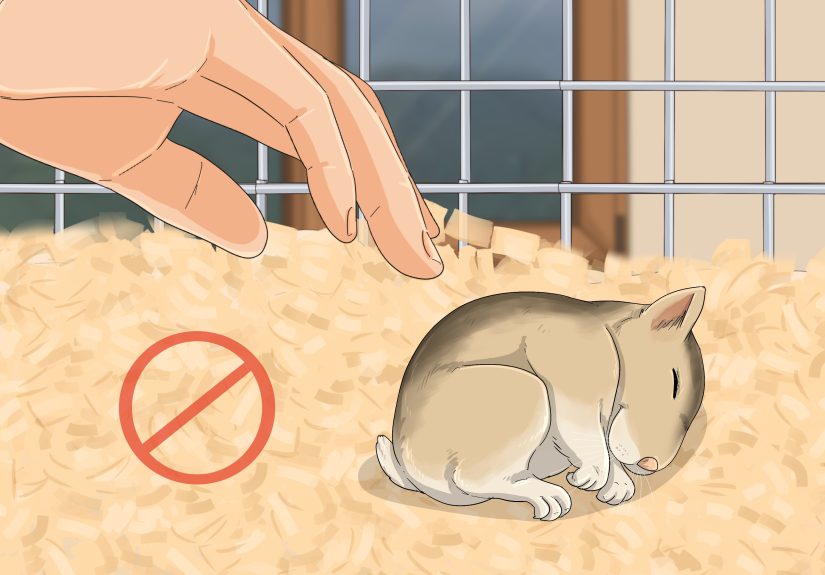
Hamsters are usually most active in the evening and at night. Trying to handle one during the daywhile they’re tucked in like a tiny burritooften leads to a grumpy reaction. Plan taming sessions when your hamster is already awake. A sleepy hamster is much more likely to bite than a curious, alert one.
-
Step 3: Let Your Hamster See and Hear You First
Never surprise-grab a hamster. Approach the cage slowly, speak in a calm voice, and let your hamster notice you before your hand enters the enclosure. Sudden movements can trigger a fear bite. If your hamster looks frozen, crouched, or overly tense, slow down and give them a moment.
-
Step 4: Wash Your Hands Before Every Session
This step sounds boring, but it works. If your fingers smell like fruit, chips, or yesterday’s sandwich, your hamster may “sample” you with a nip. Wash with mild soap, rinse well, and avoid strong perfumes or lotions before handling. Clean skin helps your hamster learn your normal scent and reduces food-confusion bites.
-
Step 5: Start With Presence, Not Touch
For the first few sessions, place your hand in or near the cage without trying to pet or pick up your hamster. Let them sniff, observe, and decide whether to come closer. This teaches your hamster that your hand is not a trap. You’re building trust, not auditioning for a magic trick.
-
Step 6: Use Treats as a Trust Bridge
Offer a small, hamster-safe treat from your fingertips or an open palm. Start with tiny portions and keep treats occasional so you don’t upset your hamster’s diet. The goal is simple: your hamster begins to associate your hand with calm, predictable good things. If they’re hesitant, place the treat near your hand first and progress slowly.
-
Step 7: Teach “Hand = Safe” With Short Repetition
Repeat the hand-and-treat routine daily. Keep sessions short and end on a good note. If your hamster sniffs your hand and walks away without biting, that’s progress. If they take a treat and pause nearby, that’s even better. Tiny wins matter with hamsters. Consistency beats intensity every time.
-
Step 8: Introduce Gentle Touch Only After They’re Relaxed
Once your hamster comfortably approaches your hand, try a gentle touch along the side or back while they’re calm. One light touch is enough for the first try. If they flinch, dart away, or turn quickly toward your hand, stop and go back a step. The fastest way to slow down training is to push too fast.
-
Step 9: Scoop, Don’t Grab
When your hamster is ready to be picked up, use a gentle two-handed scoop. Cupped hands under the body are usually safer and less threatening than grabbing from above. Avoid gripping tightly, squeezing, or pinching. And never pick a hamster up by the tailever. Tail handling can cause serious injury and instantly destroy trust.
-
Step 10: Keep Handling Low and Secure
Even a tame hamster may jump suddenly. Hold your hamster low over a soft surface, your lap, or the floor so a leap doesn’t turn into an injury. Support the body with both hands. If your hamster seems squirmy, return them to the cage calmly and try again later. Safe handling builds confidence; scary falls do the opposite.
-
Step 11: Respect the Nest and “Nope” Moments
Many bites happen when people reach into a nest box, corner a hamster, or chase them around the enclosure. Give your hamster a hideout and respect that space. If they retreat, flatten their body, chatter their teeth, or seem frantic, pause the session. Training works better when your hamster feels they have choices.
-
Step 12: Use a Cup or Tunnel for Nervous Transfers
If your hamster is still nippy during cage cleaning or transfers, don’t force hands-only handling. Use a small cup, tunnel, or carrier to move them safely. This reduces stress for the hamster and prevents defensive bites. It’s not “cheating”it’s smart handling while trust is still developing.
-
Step 13: Reduce Stress Triggers in the Habitat
A stressed hamster is a bite-prone hamster. Make sure your pet has a secure enclosure, fresh food and water, appropriate bedding, a hideout, chew items, and enrichment like tunnels or a wheel. Offer food in the evening when they’re more active. Keep cleaning routines predictable and avoid constant disruptions to their sleeping area.
-
Step 14: Rule Out Pain or Illness if Biting Suddenly Starts
If a previously gentle hamster suddenly begins biting, think health first. Pain, dental problems, overgrown nails, illness, or general discomfort can make any animal defensive. Warning signs include lethargy, discharge, diarrhea, changes in appetite, trouble eating, or obvious sensitivity when touched. If you notice sudden behavior changes, contact an exotic-animal veterinarian.
What to Do If Your Hamster Bites You
First: do not shake your hand, yell, or flick your hamster off. That can injure them and make future bites more likely. Stay calm, gently return your hamster to a safe surface or enclosure, and end the session.
If the bite breaks the skin, wash the area right away with warm soapy water. Monitor for redness, swelling, warmth, or increasing pain. Seek medical attention if the wound is deep, bleeding won’t stop, signs of infection develop, the hamster seems ill, or your tetanus vaccination is not up to date. When in doubt, call a healthcare professional.
How Long Does It Take to Train a Hamster Not to Bite?
Some hamsters improve in a few days. Others need several weeks (or longer) of patient trust-building. Species, age, temperament, past handling, and environment all matter. Syrian hamsters are often easier for beginners to handle than smaller, faster dwarf species, but every hamster is an individual.
The secret is not “perfect technique.” It’s calm repetition. When your hamster learns that your hands are gentle, predictable, and never forceful, biting usually decreases a lot.
Common Mistakes That Make Biting Worse
- Waking a sleeping hamster to play
- Reaching in fast from above like a predator
- Handling too long, too soon
- Letting kids handle without close supervision
- Using punishment after a bite
- Ignoring signs of illness or pain
- Trying to “power through” fear instead of stepping back
Final Thoughts
Training a hamster not to bite is really about teaching safety and trust. You’re not “dominating” your petyou’re helping a small prey animal feel secure in a giant human world. Go slow, be consistent, and celebrate progress in tiny whisker-sized steps. Your hamster may never become a pocket-sized extrovert, but many will become calm, handleable, and much less likely to bite when treated with patience and respect.
Experience-Based Notes (500+ Words): What Owners Commonly Learn the Hard Way
The most common experience people report is this: they bring home a hamster, fall in love immediately, and then try to handle it too soon. The hamster bites, the owner feels rejected, and suddenly everyone in the house acts like they’re negotiating with a tiny porcupine. In reality, this is a very normal start. A new hamster is dealing with a brand-new habitat, unfamiliar sounds, and giant hands appearing from the sky. Many owners notice that once they stop rushing and start following a simple evening routine, the hamster relaxes dramatically within a couple of weeks.
Another frequent experience is the “sleepy bite.” A family sees their hamster during the day, thinks it looks lonely, and wakes it up for playtime. The hamster comes out confused and cranky, then nips. Later, the same hamster may be totally fine when approached in the evening. This is one of the biggest mindset shifts for new owners: hamsters are not tiny daytime toys. When people start respecting the hamster’s schedule, biting often drops without any other major changes.
Owners also commonly learn that scent matters more than they expected. A hamster that is usually calm may suddenly nip after someone handled fruit, crackers, or another pet. People are often surprised by how much better training goes once they wash their hands before every session. In practice, this small habit prevents a lot of “taste-test” nibbles and helps the hamster recognize one consistent human scent.
Children and hamsters can do well together, but the successful experiences nearly always involve close adult supervision. Families who have the best outcomes tend to teach kids to use quiet voices, open palms, and short handling sessions. They also teach “pause and reset” when the hamster looks stressed. In contrast, rough grabbing, loud excitement, and long handling sessions usually lead to more biting and a hamster that becomes harder to tame over time.
Another experience many owners share is realizing that some hamsters simply prefer interaction on their terms. A hamster may happily take treats, sniff hands, and crawl across a lapbut dislike being held high in the air. That does not mean training failed. It means the owner learned the hamster’s comfort zone. People who adapt to the hamster’s style (lap time, low handling, cup transfers during cleaning) usually end up with a calmer pet and fewer bites than people who insist every hamster should enjoy cuddling.
Finally, experienced owners often mention that sudden biting can be an early clue that something is wrong. A hamster that becomes unusually defensive may have dental discomfort, illness, stress from habitat changes, or pain from rough handling. The best outcomes happen when people treat behavior changes as useful information, not “bad attitude.” In other words, the hamster is not trying to be difficultit is trying to tell you something in the only language it has: movement, posture, and sometimes teeth.
If there’s one practical lesson that keeps showing up, it’s this: trust-building with a hamster is less about doing one magical trick and more about repeating small, calm habits. Show up at the right time, move slowly, use gentle hands, and stop before your hamster feels overwhelmed. Those simple choices are what turn a bitey beginning into a much friendlier routine.