Table of Contents >> Show >> Hide
- What Is an Infected Scab (and Why It Happens)
- Common Causes and Risk Factors
- Symptoms: What an Infected Scab Looks Like
- Treatment: What to Do (and What Not to Do)
- Possible Complications (Why Early Attention Matters)
- Prevention: How to Keep a Scab From Turning Into a Problem
- Frequently Asked Questions
- Experiences: What People Commonly Notice (and Learn the Hard Way)
- Conclusion
A scab is basically your skin’s DIY “Do Not Disturb” sign. It’s a protective crust made from dried blood and wound fluid that helps shield a cut, scrape, or popped blister while new skin grows underneath. Most scabs do their job quietly and fall off when they’re ready (like a tiny, flaky retirement party).
But sometimes that hardworking scab turns into an infected scabmeaning bacteria (or other germs) have moved in, multiplied, and your body is now in full “evict the squatters” mode. The good news: many minor infections are treatable, especially when caught early. The not-so-fun news: ignoring warning signs can let an infection spread beyond the scab into nearby skin (cellulitis) or, rarely, into the bloodstream.
This guide breaks down what causes an infected scab, what it looks and feels like, how it’s treated, how to prevent it, and when to get medical carewithout making you feel like every scrape is a medical emergency. (Spoiler: it’s not. But your body does send clues when it is.)
What Is an Infected Scab (and Why It Happens)
An infected scab is a scab covering a wound that’s become infected. Infection happens when germs enter through broken skin and your immune system can’t clear them fast enough. Bacteria are the most common troublemakers, especially types of Staphylococcus (“staph”) and Streptococcus (“strep”).
A scab can hide what’s happening underneath. The wound may look “sealed,” but bacteria can still multiply under the crustparticularly if the wound wasn’t cleaned well, keeps getting irritated, or sits in a warm, sweaty, high-friction zone (hello, ankles, knees, and anywhere your shoes insist on arguing with your skin).
Normal scab vs. infected scab: the quick vibe check
- Normal healing: mild redness right at the edge, decreasing pain, mild itch, scab slowly shrinking, skin improving over time.
- Possible infection: redness that spreads, worsening pain, increasing swelling/warmth, pus, bad odor, or symptoms that escalate instead of calm down.
Common Causes and Risk Factors
Infections aren’t always about “poor hygiene.” Sometimes it’s simply bad luck plus a perfect storm of germs, moisture, friction, and a wound that got reopened one too many times. Here are the biggest causes and factors that raise the odds:
1) Germs get in (and get comfortable)
- Dirty or contaminated wounds (soil, saliva, animal bites, splinters, punctures).
- Not cleaning the wound well early onespecially if debris is left behind.
- Touching the wound with unwashed hands (your fingers are not sterile, even if they look innocent).
2) The scab gets damaged or repeatedly disturbed
- Picking or peeling a scab before it’s ready.
- Friction from clothing, shoes, sports gear, or constant movement over joints.
- Scratching due to itchiness (common as wounds heal).
3) The wound environment is “pro-germ”
- Excess moisture (sweat, wet bandages, long baths, damp socks).
- Occlusion without cleaning (keeping it covered but not changing dressings appropriately).
- Skin conditions that compromise the barrier (eczema, chronic cracking, athlete’s foot).
4) Your body has a harder time healing
- Diabetes or poor circulation (wounds may heal slower and be more prone to infection).
- Weakened immune system (certain medications, chronic illness, chemotherapy, etc.).
- Smoking, poor nutrition, or significant stress (all can slow repair).
Symptoms: What an Infected Scab Looks Like
Some redness and tenderness can be normal early in healing. The key is the trend: healing generally gets less angry over time. Infection often gets more angry. Watch for these signs:
Local signs (around the scab)
- Redness that spreads beyond the original wound area, especially if it keeps expanding.
- Increasing warmth compared to surrounding skin.
- Swelling that grows instead of shrinking.
- Worsening pain or tenderness (especially after a few days, when it should be easing).
- Pus or cloudy drainage (yellow, green, or thick fluid), sometimes with a bad smell.
- Scab looks soggy, breaks down, or has persistent weeping underneath.
- Delayed healing: the wound looks “stuck” or worse after a week instead of better.
Systemic signs (your whole body gets involved)
- Fever, chills, or feeling generally unwell.
- Swollen lymph nodes near the area (like groin nodes for a leg wound).
- Fatigue that’s out of proportion to your life situation (yes, even if your life situation is already a lot).
Red-flag symptoms that need urgent evaluation
- Red streaks extending away from the wound (can suggest spreading infection).
- Rapidly worsening redness, swelling, or pain over hours.
- Severe pain that feels disproportionate to the wound’s appearance.
- Confusion, dizziness, faintness, or trouble staying awake.
- Grayish drainage or skin that looks dusky/black around the wound.
Example: A scraped knee that’s a little pink at the edges on day 2 can be normal. A scraped knee that’s increasingly red on day 4, hot to the touch, oozing thick yellow fluid, and more painful than yesterday? That’s a different story.
Treatment: What to Do (and What Not to Do)
Treatment depends on severity. A tiny superficial infection may improve with careful wound care, but deeper or spreading infections often need medical evaluation and prescription treatment. When in doubtespecially if you have risk factors like diabetesget it checked.
Safe at-home care for a minor, early infection (or suspected irritation)
- Wash your hands first. Always. (Yes, every time.)
- Clean gently with mild soap and running water. Avoid harsh scrubbing that re-injures the tissue.
- Soften, don’t rip: if the scab is crusty and stuck, a clean wet compress can help soften it so you can clean around it without peeling it off like you’re opening a snack bag.
- Keep it appropriately moist: many clinicians recommend a thin layer of plain petroleum jelly to prevent cracking and repeated reopening. (Cracks can invite germs and slow healing.)
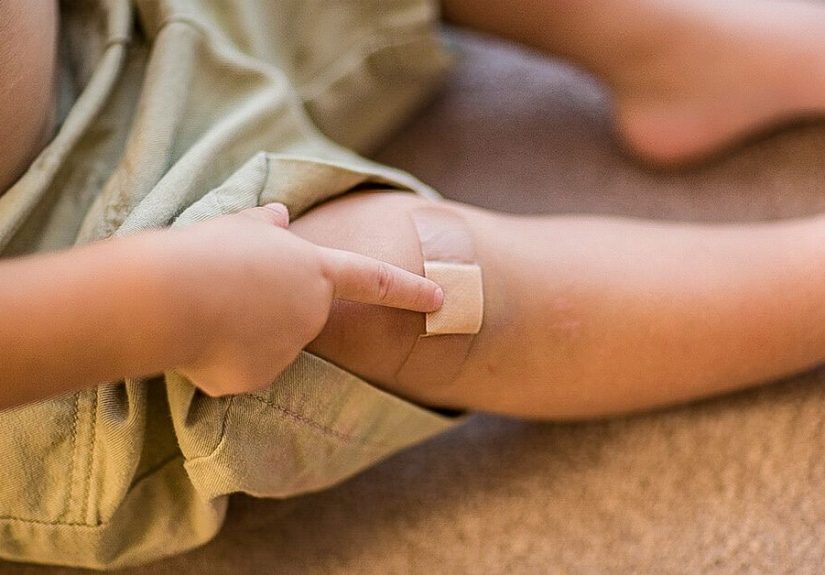
- Cover with a clean bandage if it’s likely to get dirty or rubbed. Change the bandage daily (or sooner if wet/dirty).
- Reduce friction: adjust shoes, use a protective dressing, or pad the area if rubbing is the problem.
- Don’t pick. Your scab is not a scratch-off lottery ticket.
What NOT to do
- Don’t use hydrogen peroxide or iodine repeatedly on healing tissue unless a clinician advises it; these can irritate and delay healing.
- Don’t “air it out” for days if it keeps cracking or getting dirtyrepeated reopening can prolong healing.
- Don’t share towels or let others touch the woundespecially if there’s pus.
- Don’t squeeze a painful pus-filled bump; abscesses often need proper drainage by a clinician.
When medical treatment is likely needed
Seek medical care if the area is spreading, painful, draining pus, or you have fever or red streaks. A clinician may:
- Assess for cellulitis (infection spreading through skin tissue).
- Check for an abscess (a pocket of pus) that may require drainage.
- Prescribe oral antibiotics (or sometimes topical antibiotics for select cases).
- Consider MRSA coverage if the infection looks like a boil/abscess or you have certain risk exposures.
- Recommend tetanus vaccination if your immunization isn’t up to date, especially for dirty or deep wounds.
Real talk: If your scab is leaking pus, it’s not “just healing weird.” That’s your body waving a tiny white flag made of discharge. Get it assessed.
Possible Complications (Why Early Attention Matters)
Most skin infections resolve with appropriate care. But when bacteria spread beyond the wound, complications can occur:
Cellulitis
Cellulitis is a deeper skin infection that can cause expanding redness, warmth, swelling, and pain, sometimes with fever or chills. It typically requires prescription antibiotics. The sooner it’s treated, the less likely it is to worsen.
Abscess
If pus collects under the skin, the area can become a tender, swollen lump. Antibiotics alone may not be enough if there’s a pocket of pusdrainage is sometimes necessary.
Severe or rapidly progressive infections
Rarely, a skin infection can escalate quickly, especially in people with weakened immune systems. Severe pain, systemic symptoms, confusion, or rapidly spreading changes warrant emergency evaluation.
Prevention: How to Keep a Scab From Turning Into a Problem
You can’t bubble-wrap your life (and even if you could, you’d still find a way to get a papercut). But you can dramatically reduce infection risk with a few habits that take less time than doomscrolling:
1) Clean early and gently
- Rinse with running water and mild soap as soon as possible after injury.
- Remove visible dirt carefully. If debris is stuck, medical help may be safer than aggressive digging.
2) Keep the wound protected
- Use a clean bandage when the wound might get dirty or rubbed.
- Change dressings daily or whenever they’re wet or dirty.
3) Moist (not soggy) healing
- A thin layer of petroleum jelly can help prevent cracking and repeated scab breakage.
- “Moist” means lightly protectednot marinating in sweat or a soaked bandage.
4) Hands off the scab
- Picking restarts the healing clock and can introduce bacteria.
- If itching drives you bananas, try a clean cool compress and keep the area protected.
5) Know your risk factors
- If you have diabetes or circulation problems, inspect wounds early and often.
- If you’re prone to boils or known MRSA exposure, ask a clinician about prevention steps tailored to you.
6) Stay up to date on tetanus vaccination
Tetanus is rare but serious. Keeping your tetanus shot current is part of smart wound careespecially with deep, dirty, or puncture injuries.
Frequently Asked Questions
Can a scab look yellow and still be normal?
A scab can look yellowish if dried wound fluid is present, especially in weepy scrapes. What matters is whether there’s active thick drainage, worsening redness, increasing pain, or a bad smell. When symptoms trend worse instead of better, consider infection.
Should I let a scab “air out”?
A little air is fine, but many experts prefer protecting wounds from repeated cracking and contamination. If a wound keeps reopening, staying lightly moisturized and covered can help it heal more efficiently.
How long does an infected scab take to heal?
It depends on how deep the infection is and whether treatment starts early. Minor irritation may improve in a day or two with proper care. Infections needing antibiotics often show improvement within a couple of days after appropriate treatment begins, but full healing can take longer.
Is an infected scab contagious?
The scab itself isn’t “contagious,” but bacteria in pus or drainage can spread through direct contact or shared items like towels. Covering the wound and washing hands helps protect others.
Experiences: What People Commonly Notice (and Learn the Hard Way)
Let’s talk about the part that doesn’t fit neatly into a checklist: how an infected scab tends to play out in real life. People rarely wake up and announce, “Ah yes, my wound is infected!” Instead, it’s usually a slow realization punctuated by phrases like “Huh, that’s weird” and “Why does this tiny thing hurt so much?”
A classic scenario is the scraped knee or elbow. Day one is dramatic (blood, grit, mild panic). Day two feels okay. By day three, the scab is tight and itchyso someone scratches it “just a little.” The next day, the scab cracks, the area looks redder, and suddenly bending the joint stings more than it did yesterday. That “getting worse instead of better” pattern is the big clue people remember afterward. Many report that once they started gentle cleaning, protecting it from friction, and stopped touching it, the irritation calmed down. But if thick drainage appeared or redness expanded, that was often the moment they decided to get it checked.
Another common experience is the shoe-rub scab on the heel or ankle. It starts as a blister, becomes a scab, and then gets pummeled daily by footwear like it owes money. People often describe a cycle: scab forms → shoe rubs it off → wound reopens → new scab forms. In that loop, infection risk climbs because the skin barrier never fully recovers. Practical fixesswitching shoes, adding padding, using a protective dressing, and keeping the area from drying and crackingtend to be the turning point. The lesson many share: “It wasn’t infected because I’m dirty. It got infected because it never got a break.”
Then there’s the mystery bump that turns into a scaboften a pimple, ingrown hair, or insect bite that was picked (because humans). People describe it as starting small, then becoming a tender red bump, and then suddenly there’s pus. That’s frequently when the word “staph” or “MRSA” enters the chat. A lot of people recall thinking it was minor… until it became a painful lump that didn’t respond to home tinkering. In these stories, professional evaluation mattered because some infections need drainage or specific antibioticsand squeezing at home can push bacteria deeper.
Finally, a very different vibe: post-procedure or post-surgery scabs. People often feel extra anxious here because they’re following instructions carefullyso any redness can be scary. Many describe a “normal healing” phase with mild pinkness and tenderness, followed by a more concerning phase where the site becomes hotter, more painful, or starts draining cloudy fluid. What helps emotionally (and medically) is watching the trend and contacting the surgical team early if changes look wrong. The most consistent takeaway: early questions are welcomed; delayed care is what clinicians don’t want.
Across these experiences, the theme is simple: healing is usually a downhill slope. It can be bumpy, but overall it should improve. When a scab’s story becomes a plot twistmore pain, more redness, more swelling, more drainagetreat that as useful information, not something to “tough out.” Your skin is trying to communicate. You don’t have to panic, but you do have to listen.
Conclusion
Most scabs are a normal part of healing. An infected scab is different: symptoms intensify instead of fading, and signs like spreading redness, warmth, swelling, pus, bad odor, red streaks, or fever signal that it’s time to step up careor get medical attention. Clean wounds early, protect them from friction, avoid picking, and keep healing conditions friendly. When in doubt, especially if you have diabetes or a weakened immune system, it’s smarter to ask a clinician than to gamble with “maybe it’ll be fine.”