Table of Contents >> Show >> Hide
- What Are the Real Diet Restrictions With Lisinopril?
- 1. Be Careful With Potassium Salt Substitutes
- 2. Potassium-Rich Foods Are Not Always Forbidden, But They May Need Limits
- 3. Alcohol Is Not a Great Teammate
- 4. Sodium Still Matters, Even Though Salt Substitutes Are Tricky
- 5. Dehydration Can Make Lisinopril Hit Harder
- 6. You Can Usually Take Lisinopril With or Without Food
- The Best Eating Pattern While Taking Lisinopril
- Foods and Drinks to Limit or Discuss With Your Doctor
- Sample One-Day Meal Idea
- When to Call Your Healthcare Professional
- Common Questions About Lisinopril Diet Restrictions
- Common Experiences People Have With Lisinopril Diet Restrictions
- Final Thoughts
- SEO Tags
If you just started lisinopril, you may have one very reasonable question: Do I need to break up with any foods? The good news is that lisinopril is not one of those medications that turns your kitchen into a crime scene. There is no dramatic “never eat this again” list for most people. The not-so-good news is that there are a few important diet restrictions and food habits that can seriously affect how safely this medicine works.
Lisinopril is an ACE inhibitor commonly prescribed for high blood pressure, heart failure, and kidney protection in some people with diabetes. It helps relax blood vessels so blood can move more easily. But because it can also affect your potassium balance and blood pressure response, your diet matters more than you might expect. In plain English: your dinner plate and your prescription bottle may be having more conversations than you realize.
This guide explains the real lisinopril diet restrictions, what foods and drinks deserve caution, what is probably fine, and how to build a heart-smart eating pattern without becoming terrified of bananas. Because yes, the internet does love turning bananas into villains.
What Are the Real Diet Restrictions With Lisinopril?
The short answer is this: the biggest lisinopril diet concerns are potassium, salt substitutes, alcohol, sodium-heavy foods, and dehydration. That does not mean every potassium-rich food is automatically banned. It means you need to be smart, consistent, and aware of your personal risk factors, especially if you have kidney disease, diabetes, heart failure, or previous high potassium levels.
1. Be Careful With Potassium Salt Substitutes
This is the number one issue. Many people with high blood pressure try to eat less sodium, which is usually a great idea. The problem starts when they replace regular salt with “lite salt,” “low-sodium salt,” or salt substitutes made with potassium chloride. Lisinopril can raise potassium levels in the blood, so piling on potassium-based seasonings can push things too far.
That means the shaker on your table may not be the sneakiest ingredient in the house. The real plot twist may be the “heart-healthy” salt alternative in your pantry. Read labels carefully. If a product says potassium chloride, potassium salt, or salt substitute, do not assume it is safe just because it sounds virtuous.
Examples that deserve a label check include:
- Lite salt or low-sodium salt blends
- No-salt seasoning mixes with potassium chloride
- Electrolyte powders
- Some sports drinks
- Potassium supplements
If your clinician specifically told you to avoid potassium, take that seriously. This is not one of those “I’ll just wing it” situations.
2. Potassium-Rich Foods Are Not Always Forbidden, But They May Need Limits
Here is where nuance matters. For many people with high blood pressure, potassium from food can be helpful. In fact, heart-healthy eating plans such as DASH often include foods naturally rich in potassium. But lisinopril changes the equation because it can raise potassium levels, especially in people who also have reduced kidney function or other risks for hyperkalemia.
So should you avoid bananas, oranges, tomatoes, potatoes, avocados, spinach, beans, and dried fruit forever? Usually, no. But you may need to limit some high-potassium foods if:
- Your blood tests show high potassium
- You have chronic kidney disease
- You are on other medications that increase potassium
- Your clinician or dietitian specifically told you to cut back
This is why blanket advice like “never eat fruit on lisinopril” is both dramatic and wrong. A better rule is this: don’t self-prescribe a high-potassium health kick while taking lisinopril. If your morning routine suddenly becomes a giant banana-orange-avocado-spinach smoothie plus a potassium electrolyte drink, your lab results may file a formal complaint.
If you have been told to watch potassium, common foods that often come up include:
- Bananas
- Orange juice and oranges
- Tomatoes and tomato sauce
- Potatoes and sweet potatoes
- Avocados
- Cooked spinach
- Dried fruit
- Some beans and lentils
The goal is not fear. The goal is matching your diet to your lab work and medical history.
3. Alcohol Is Not a Great Teammate
Alcohol and lisinopril are not an ideal duo. Lisinopril lowers blood pressure. Alcohol can also lower blood pressure temporarily and may increase dizziness, lightheadedness, or fainting, especially when you first start the medication or after a dose change.
That means a couple of drinks on an empty stomach after a hot day is basically a perfect recipe for standing up and suddenly wondering why the room is auditioning for a spinning role. Some people can drink small amounts safely, but this is a “check what is safe for you” issue, not a “bottomless brunch will probably be fine” issue.
If your healthcare professional has not told you otherwise, moderation matters. If alcohol tends to make you dizzy, flushed, weak, or woozy while taking lisinopril, that is your body sending a memo. Read it.
4. Sodium Still Matters, Even Though Salt Substitutes Are Tricky
One of the weirdest parts of lisinopril diet advice is this: you should usually cut back on sodium, but you also should not casually swap in potassium-based salt substitutes. Annoying? Yes. Important? Also yes.
A lower-sodium eating pattern helps lisinopril do its job better because sodium can raise blood pressure. The biggest sodium sources are usually not the salt shaker anyway. They are processed and restaurant foods, including:
- Canned soups
- Deli meats
- Frozen meals
- Fast food
- Pizza
- Packaged noodles
- Pickled foods
- Savory sauces and condiments
A smarter strategy is to reduce sodium by choosing more fresh foods, reading Nutrition Facts labels, cooking at home more often, rinsing canned beans and vegetables, and using herbs, lemon, garlic, vinegar, onion, and pepper for flavor. In other words, lower sodium without turning to potassium bombs.
5. Dehydration Can Make Lisinopril Hit Harder
This is not a classic “food restriction,” but it belongs in the conversation. If you become dehydrated, lisinopril can cause blood pressure to drop too much. That risk can rise during hot weather, intense exercise, severe sweating, vomiting, or diarrhea.
So yes, hydration matters. You do not need to chug water like it is a competitive sport, but you should drink enough fluids unless your clinician has given you a fluid restriction for another condition. If you get sick and cannot keep fluids down, or you have ongoing vomiting or diarrhea, check with your healthcare team. That is especially important if you feel faint or your blood pressure readings suddenly run low.
6. You Can Usually Take Lisinopril With or Without Food
Many people wonder if lisinopril has to be taken on an empty stomach. In most cases, no. It can generally be taken with or without food. If it bothers your stomach, taking it with food may help. What matters most is consistency. Take it the same way each day unless your prescriber tells you otherwise.
That is good news because your medicine schedule should fit your life, not require the planning skills of an air traffic controller.
The Best Eating Pattern While Taking Lisinopril
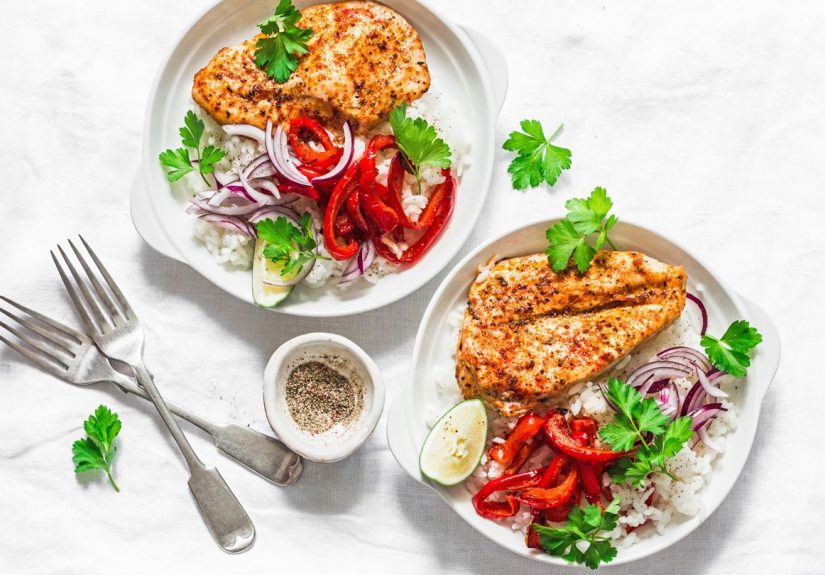
For most adults, the ideal overall approach is a DASH-style, lower-sodium, minimally processed diet that is personalized to potassium needs. Translation: think more real food, less packaged food, and fewer sodium bombs disguised as convenience.
A lisinopril-friendly plate often includes:
- Vegetables and fruits in amounts that fit your potassium plan
- Whole grains such as oatmeal, brown rice, and whole-wheat bread
- Lean protein like fish, chicken, tofu, or beans
- Low-fat dairy if it works for you
- Healthy fats from olive oil, nuts, and seeds
- Flavor boosters like herbs, spices, garlic, lemon, and vinegar instead of heavy salt
If your potassium level is normal, your clinician may not want you to restrict potassium-rich produce aggressively. If your potassium tends to run high, your eating plan may need more customization. This is where a registered dietitian becomes the hero of the story.
Foods and Drinks to Limit or Discuss With Your Doctor
- Potassium supplements: usually avoid unless prescribed
- Salt substitutes with potassium chloride: use only if your clinician approves
- Very high-potassium eating patterns: discuss if you have kidney disease or high potassium labs
- Alcohol: keep minimal or moderate, and watch for dizziness
- Ultra-processed, high-sodium foods: limit regularly
- Electrolyte drinks or powders: check labels for potassium
Sample One-Day Meal Idea
Here is a practical example of what a balanced day could look like for someone on lisinopril who is trying to lower sodium without going wild on potassium:
Breakfast
Oatmeal topped with berries and chia seeds, plus plain yogurt. Coffee or tea if tolerated.
Lunch
Grilled chicken wrap with lettuce, cucumber, shredded carrots, and a yogurt-herb sauce. Fresh fruit on the side if potassium limits allow.
Snack
Unsalted popcorn or apple slices with a small amount of peanut butter.
Dinner
Baked salmon, rice or quinoa, and roasted green beans or cauliflower with olive oil, garlic, and lemon.
Drinks
Water throughout the day. Skip the mystery electrolyte powder unless you have checked the label and your clinician says it is appropriate.
When to Call Your Healthcare Professional
Diet questions become more urgent if you notice possible high-potassium or low-blood-pressure symptoms. Contact your clinician if you develop:
- Unusual weakness
- Irregular heartbeat or palpitations
- Numbness or tingling
- Severe dizziness or fainting
- Ongoing vomiting or diarrhea
- Confusion or extreme fatigue
Also ask for guidance if you have kidney disease, follow a plant-based diet heavy in high-potassium foods, or want to use supplements, protein powders, or sports drinks regularly.
Common Questions About Lisinopril Diet Restrictions
Can I eat bananas while taking lisinopril?
Maybe. For many people, one banana now and then is not a crisis. But if you have kidney disease, high potassium, or specific instructions to restrict potassium, bananas may need limits.
Is grapefruit a problem with lisinopril?
The more common diet concerns with lisinopril are potassium, salt substitutes, alcohol, sodium, and hydration. If you are worried about grapefruit or any other food interaction, ask your pharmacist to review your full medication list.
Can I follow the DASH diet while on lisinopril?
Often yes, but it may need to be modified if your potassium runs high. DASH is excellent for blood pressure, but it is not one-size-fits-all when medication and kidney function enter the chat.
Do I need a special lisinopril meal plan?
Not necessarily. Most people do best with a lower-sodium, heart-healthy eating pattern and a careful eye on potassium sources.
Common Experiences People Have With Lisinopril Diet Restrictions
Important note: The examples below are illustrative, based on common real-world situations clinicians often discuss with patients. They are not individual medical records, but they do reflect the kinds of diet problems people frequently run into with lisinopril.
One of the most common experiences is the “I tried to be healthier and accidentally made things worse” moment. A person gets diagnosed with high blood pressure, starts lisinopril, and decides to clean up their diet overnight. They buy low-sodium soup, a salt substitute, electrolyte packets, and a few green smoothie ingredients. On paper, it looks like a wellness makeover. In practice, they may have quietly stacked multiple potassium sources on top of a medication that already raises potassium.
Another common experience happens with alcohol. Someone takes lisinopril faithfully, feels fine most days, then goes out for drinks and notices they get lightheaded much faster than usual. They stand up too quickly, feel flushed, or get that “uh-oh” wave of dizziness. That often surprises people because they are not expecting a blood pressure medication to make a social drink hit differently.
Then there is the hot-weather or workout scenario. A person takes lisinopril in the morning, spends time outdoors, sweats a lot, drinks less water than usual, and later feels weak or dizzy. They may assume the medicine “isn’t agreeing” with them, when the real issue is dehydration lowering blood pressure even more. This is especially common in summer, during long walks, or after vigorous exercise.
People are also often confused by potassium-rich foods because the advice sounds contradictory. They hear that potassium can help blood pressure, then hear that lisinopril can raise potassium, and now breakfast feels politically complicated. A typical experience is worrying that one banana will cause instant chaos. In reality, the issue is usually the overall pattern and whether a person has kidney disease or lab evidence of high potassium. Fear is common; clarity is better.
Restaurant eating is another frequent stumbling block. Someone may do well all week, then eat takeout, canned soup, deli sandwiches, or restaurant meals loaded with sodium and wonder why their blood pressure readings creep upward. Lisinopril helps, but it does not magically cancel a high-sodium diet. Many people discover that the medication works best when their daily eating habits stop fighting it like an uncooperative coworker.
Finally, many people feel relieved once they learn the real rule: lisinopril usually does not require a bizarre, joyless diet. What it requires is awareness. Check labels. Be cautious with potassium-heavy products. Go easy on sodium. Respect alcohol. Stay hydrated. Get labs checked when recommended. Once people understand those basics, the whole topic becomes much less intimidating and much more manageable.
Final Thoughts
Lisinopril diet restrictions are less about one forbidden food and more about smart balance. The main things to watch are potassium-based salt substitutes, potassium supplements, excess alcohol, high-sodium processed foods, and dehydration. For many people, the best approach is a lower-sodium, DASH-style eating pattern that is adjusted if potassium becomes an issue.
So no, lisinopril does not mean your favorite foods are gone forever. It just means you should stop letting “healthy-looking” labels make decisions on your behalf. Your blood pressure medication is doing important work. Your diet should help it, not heckle it from the sidelines.