Table of Contents >> Show >> Hide
- What Are Household Microbes?
- Are Microbes in Our Homes Dangerous?
- The Germiest Places in the Home May Surprise You
- Cleaning vs. Sanitizing vs. Disinfecting
- Food Safety: Where Microbes Matter Most
- Mold: The Microbe That Loves Moisture
- Do We Need to Kill All Germs?
- How to Create a Healthier Home Microbiome
- Experience-Based Reflections: Living With Microbes Without Losing Your Mind
- Conclusion: Dangerous or Not?
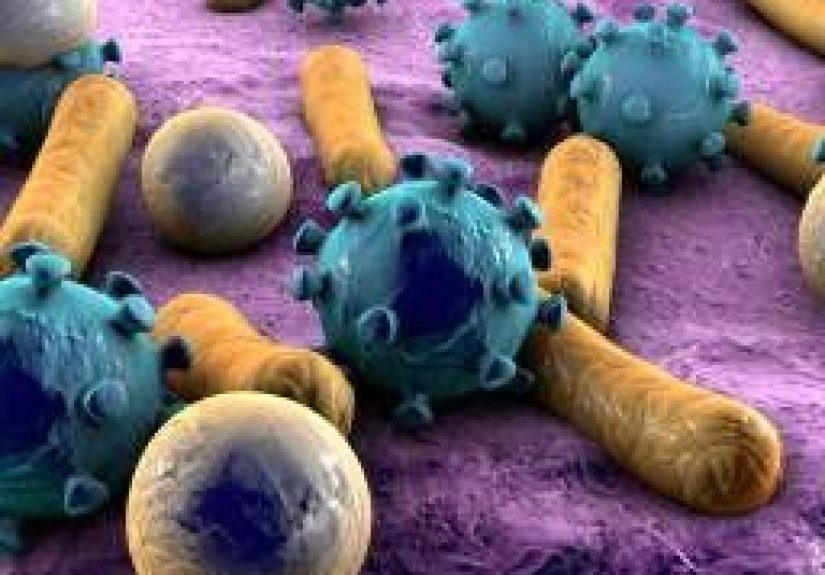
Every home has a secret roommate. Actually, billions of them. They live on countertops, float through dust, nap inside sink drains, hitch rides on pets, and probably know your refrigerator schedule better than you do. These tiny organismsbacteria, viruses, fungi, yeasts, and other microscopic life formsare called microbes. The big question is: are microbes in our homes dangerous or not?
The honest answer is both comforting and slightly gross: most household microbes are not dangerous, but some can cause problems when they land in the wrong place, grow in the right conditions, or meet a person whose immune system is vulnerable. Your home does not need to be sterile. In fact, a completely microbe-free home is impossible, and trying to create one may lead to overuse of harsh disinfectants. What your home does need is smart hygiene: cleaning where it matters, reducing moisture, handling food safely, and knowing when disinfecting is actually useful.
Think of microbes like guests at a party. Most are quiet, harmless, and just hanging around. A few are messy. A very small number might flip the table, eat the dip with their hands, and give everyone food poisoning. The goal is not to cancel the partyit is to manage the troublemakers.
What Are Household Microbes?
Household microbes are microscopic organisms that naturally exist in indoor environments. They include bacteria, fungi, viruses, molds, and yeasts. They come from people, pets, soil, plants, food, outdoor air, water, and building materials. Every time someone walks through the door, opens a window, cooks dinner, takes a shower, shakes out a rug, or lets the dog jump on the couch like a furry cannonball, microbes move around.
Researchers who study the indoor microbiomethe collection of microscopic life inside buildingshave found that homes are not biologically empty boxes. They are living ecosystems. Dust, for example, can contain microbes from outdoor soil, human skin, pet dander, pollen, and tiny particles from cooking or moisture. The mix varies depending on climate, ventilation, number of occupants, pets, cleaning habits, humidity, and even whether shoes are worn indoors.
Common Types of Microbes Found at Home
Bacteria are everywhere, including on skin, sinks, phones, cutting boards, and kitchen towels. Many bacteria are harmless. Some, such as certain strains of Salmonella, E. coli, Campylobacter, or Listeria, can cause foodborne illness when food is handled or stored improperly.
Viruses do not grow on surfaces the way bacteria or mold can, but they can survive for limited periods on high-touch areas such as doorknobs, faucet handles, phones, light switches, and remote controls. They become more important when someone in the home is sick.
Fungi and mold thrive where moisture lingers. Bathrooms, basements, leaky walls, damp carpets, window condensation, and poorly ventilated laundry areas can become mold-friendly zones. Mold is not always a medical emergency, but it can trigger allergies, asthma symptoms, irritation, and musty odors.
Yeasts are fungi that can appear in moist places, including sponges, drains, and refrigerator seals. Most are not dangerous in ordinary household amounts, but their presence often signals that an area needs cleaning and drying.
Are Microbes in Our Homes Dangerous?
Most microbes in the home are not dangerous to healthy people. Many are simply part of normal life. Humans carry microbes on the skin, in the mouth, and in the gut. Pets bring in their own microbial communities. Outdoor air carries pollen, spores, and bacteria from soil. A house with people in it will always have microbes.
The risk depends on four main factors: the type of microbe, the amount present, where it is located, and who is exposed. A harmless bacterium on a dry bookshelf is not the same as raw chicken juice on a cutting board. Mold spores in small background amounts are not the same as visible mold spreading across a damp wall. A virus on a remote control matters more when someone with the flu has been using it while sneezing dramatically into the plot twist.
When Household Microbes Become a Problem
Microbes are more likely to become risky when they have moisture, food residue, warmth, and time. That is why kitchens and bathrooms tend to be microbial hot spots. A dry doorframe may have microbes on it, but it is not exactly a five-star resort for bacterial growth. A damp sponge full of food particles, however, is basically a luxury hotel with room service.
Risk also increases for babies, older adults, pregnant people, and anyone with asthma, allergies, chronic illness, or a weakened immune system. For these households, careful food safety, mold prevention, and routine cleaning are especially important.
The Germiest Places in the Home May Surprise You
Many people assume the bathroom is the scariest microbial kingdom in the house. The toilet gets all the bad publicity. But in many homes, the kitchen is where the real microbial drama happens. Food particles, moisture, raw meat juices, produce, hands, towels, sinks, and sponges all gather there like characters in a tiny soap opera.
1. Kitchen Sponges and Dishcloths
Kitchen sponges and dishcloths are among the most microbe-friendly items in the home because they are often wet, warm, and full of trapped food particles. They touch dishes, counters, sinks, hands, and sometimes mysterious sticky spots that nobody admits creating. If they are not cleaned, dried, and replaced regularly, they can spread bacteria rather than remove them.
A safer routine is simple: rinse sponges well, squeeze them dry, store them where air can circulate, and replace them often. Wash dishcloths frequently in hot water. For food-prep surfaces, disposable paper towels or clean washable cloths may reduce cross-contamination, especially after handling raw meat, poultry, seafood, or eggs.
2. Kitchen Sinks and Drains
The kitchen sink looks clean because water runs through it, but water alone is not a magic wand. Sinks collect food scraps, raw food residue, grease, and moisture. Drains and garbage disposals can harbor biofilm, a slimy layer where microbes can cling and multiply. Cleaning the sink with hot soapy water and disinfecting it periodically can reduce buildup.
3. Cutting Boards and Countertops
Cutting boards and counters are important because they touch food directly. Cross-contamination happens when microbes from raw meat, poultry, seafood, or eggs spread to foods that will not be cooked, such as salad greens, fruit, bread, or sandwich ingredients. Use separate cutting boards when possible: one for raw meat and another for ready-to-eat foods. Wash boards, knives, dishes, and counters with hot soapy water after each food item.
4. Toothbrush Holders
Toothbrush holders can collect moisture, toothpaste residue, and bathroom particles. They are easy to forget because nobody looks at a toothbrush cup and thinks, “Ah yes, the swamp goblet.” But if water pools at the bottom, microbes can grow. Wash toothbrush holders regularly with hot soapy water, and let toothbrushes air-dry upright without touching each other.
5. Pet Bowls and Pet Areas
Pets are wonderful. Pet bowls are less wonderful when ignored. Food and water bowls can develop slime and residue, especially if wet food is involved. Wash bowls daily with hot soapy water, and clean the area around them. Pet toys and bedding should also be washed regularly, especially if pets go outdoors, drool professionally, or believe mud is a personality trait.
6. Bathroom Surfaces
Bathrooms contain moisture, skin cells, soap residue, and poor ventilation in many homes. Mold and mildew can grow on grout, shower curtains, walls, ceilings, and around tubs. Turn on exhaust fans during and after showers, wipe wet surfaces when possible, wash bath mats, and repair leaks quickly.
Cleaning vs. Sanitizing vs. Disinfecting
These words are often used as if they mean the same thing, but they do not. Understanding the difference can save time, money, and possibly your nose hairs from unnecessary chemical fumes.
Cleaning
Cleaning removes dirt, crumbs, grease, and many germs from surfaces. Soap or detergent and water are usually enough for everyday cleaning. Cleaning is the first step because dirt and grime can block disinfectants from reaching microbes effectively.
Sanitizing
Sanitizing reduces germs to safer levels, often used for food-contact surfaces. In kitchens, sanitizing may be useful after cleaning surfaces that touched raw meat, poultry, seafood, or eggs.
Disinfecting
Disinfecting kills many germs on surfaces when used correctly. It is most useful when someone in the home is sick, after handling high-risk food messes, or for contaminated high-touch surfaces. Disinfectants must usually sit wet on a surface for a specific contact time listed on the label. Spraying and immediately wiping is like inviting the disinfectant to work and then shoving it out the door before it clocks in.
Always follow product directions. Never mix bleach with ammonia, vinegar, or other cleaners. Chemical mixtures can create dangerous fumes. Also, more disinfectant does not mean more safety. It can mean more residue, stronger odors, and greater irritation for people with asthma, allergies, or sensitive skin.
Food Safety: Where Microbes Matter Most
The kitchen is one place where household microbes can move from “not a big deal” to “everyone regrets the potato salad.” Foodborne pathogens are invisible, and contaminated food may look, smell, and taste normal. That is why safe handling matters more than sniff tests or wishful thinking.
The classic food safety strategy is easy to remember: clean, separate, cook, and chill.
Clean
Wash hands with soap and water before preparing food, after handling raw meat or eggs, after using the bathroom, after touching pets, and after taking out trash. Wash utensils, cutting boards, dishes, and counters with hot soapy water after each food item.
Separate
Keep raw meat, poultry, seafood, and eggs away from ready-to-eat foods. Use separate cutting boards and plates. Never place cooked food back on a plate that held raw meat unless the plate has been washed.
Cook
Use a food thermometer. Color is not a reliable safety signal. Chicken can look done and still be undercooked; burgers can brown before reaching a safe internal temperature. A thermometer is not fussyit is factual.
Chill
Refrigerate perishable foods promptly. Bacteria multiply faster at room temperature, especially in the “I’ll put it away after one more episode” zone. Store leftovers in shallow containers so they cool quickly, and do not leave cooked food sitting out for hours.
Mold: The Microbe That Loves Moisture
Mold is a natural part of the environment, but indoor mold growth is a sign that moisture is winning. Mold can grow on walls, ceilings, wood, paper, carpet, fabric, insulation, and dust when enough moisture is present. The best mold control strategy is not perfume, candles, or pretending the spot behind the washing machine is “decorative shadow.” It is moisture control.
Keep indoor humidity as low as practical, ideally below 50 percent. Use bathroom and kitchen exhaust fans that vent outdoors. Fix plumbing leaks, roof leaks, and condensation problems. Dry wet materials quickly. If a home has been flooded and materials stay wet for more than a day or two, mold growth should be assumed and cleanup should begin carefully.
Health Effects of Mold
Mold affects people differently. Some people experience no symptoms. Others may develop sneezing, coughing, watery eyes, stuffy nose, itchy throat, skin irritation, or asthma flare-ups. People with mold allergies, asthma, lung disease, or weakened immune systems may be more sensitive.
Small mold areas on hard surfaces can often be cleaned safely with appropriate protection, ventilation, and cleaning products. Large mold problems, hidden mold, recurring mold, or mold after flooding may require professional help. The most important step is always fixing the moisture source. Otherwise, mold removal becomes a very annoying sequel.
Do We Need to Kill All Germs?
No. A healthy home is not a sterile home. Over-disinfecting can create unnecessary chemical exposure and may give a false sense of security. Everyday cleaning with soap or detergent removes dirt and many germs. Disinfection is useful in targeted situations, such as when someone is sick, after cleaning up bodily fluids, or after raw meat contamination.
Good hygiene is not about panic. It is about priorities. Wash hands. Clean food-contact surfaces. Keep bathrooms dry. Replace gross sponges. Ventilate. Fix leaks. Use disinfectants correctly when needed. These habits reduce risk without turning your home into a laboratory with throw pillows.
How to Create a Healthier Home Microbiome
Your home’s microbial environment is shaped by air, moisture, surfaces, people, pets, and habits. You cannot choose every microbe that enters, but you can create conditions that discourage the harmful ones.
Improve Ventilation
Fresh air helps dilute indoor pollutants and moisture. Use exhaust fans in bathrooms and kitchens. Open windows when outdoor conditions are good and safe. Make sure dryers vent outdoors. Good airflow reduces condensation and helps surfaces dry faster.
Control Moisture
Moisture is the VIP pass for mold and many microbial problems. Repair leaks quickly, use dehumidifiers in damp areas, clean gutters, prevent water from pooling near foundations, and watch for condensation on windows or walls.
Clean High-Touch Surfaces
Door handles, faucet handles, light switches, phones, keyboards, remotes, refrigerator handles, and cabinet pulls get touched constantly. Clean them regularly, and disinfect when illness is spreading in the home.
Wash Textiles
Towels, bedding, bath mats, pet bedding, kitchen towels, and throw blankets collect skin cells, moisture, dust, and microbes. Wash them regularly and dry them fully. Damp laundry left in the washer too long can become a microbial group project.
Practice Smart Shoe and Pet Hygiene
Shoes can track in soil, pesticides, outdoor microbes, and general sidewalk mysteries. A shoe-off policy or sturdy entry mat can reduce what comes inside. Wipe pet paws when needed, wash pet bedding, and keep litter boxes and pet feeding areas clean.
Experience-Based Reflections: Living With Microbes Without Losing Your Mind
The most useful lesson about household microbes is that fear is a poor cleaning strategy. It leads to frantic disinfecting, half-used bottles of harsh cleaners under the sink, and the feeling that every doorknob is plotting against you. A calmer approach works better: notice the places where microbes are most likely to grow or spread, then build simple habits around those spots.
For example, the kitchen sponge is a perfect symbol of the whole issue. It looks innocent. It costs almost nothing. It helps with dishes. Yet it can become one of the germiest objects in the house because it stays damp and collects food. The solution is not to panic every time you see a sponge. The solution is to treat it like a tool with an expiration date. Rinse it, dry it, sanitize it if appropriate, and replace it before it starts smelling like a science fair project.
Another practical experience is learning that “clean-looking” and “safe for food prep” are not always the same. A countertop may look spotless after crumbs are wiped away, but if raw chicken was prepared there, hot soapy water and proper sanitizing matter. On the other hand, a dusty bookshelf does not need hospital-grade disinfectant. It needs a cloth. This difference saves time and reduces unnecessary chemical use.
Bathrooms teach another lesson: moisture is often more important than dirt. A shower can be cleaned beautifully, but if the fan is never used and wet towels stay bunched on the floor, mildew will come back like an unpaid subscription. Drying surfaces, improving airflow, washing bath mats, and fixing leaks often do more than repeatedly scrubbing the same moldy corner.
Homes with kids, pets, or frequent guests need flexible hygiene habits. A dog bowl may need daily washing. A toddler’s favorite toy may need cleaning after it takes a field trip into the grocery cart, the car floor, and possibly another dimension. During cold and flu season, high-touch surfaces deserve extra attention. When everyone is healthy, routine cleaning is usually enough.
The biggest mindset shift is accepting that microbes are normal. They are not automatically enemies. Some exposure to everyday environmental microbes is part of living in the world. The real goal is to prevent the conditions that allow harmful microbes to spread: unsafe food handling, standing moisture, poor ventilation, neglected sponges, dirty pet bowls, and ignored illness cleanup.
A home that smells fresh, dries quickly after moisture, has clean food-prep areas, and uses disinfectants only when needed is usually healthier than a home blasted daily with harsh chemicals. Microbe management is less about perfection and more about rhythm. Clean the kitchen after cooking. Wash hands often. Keep things dry. Replace what gets gross. Disinfect when sickness or contamination calls for it. Then relax. Your home is supposed to be lived in, not autoclaved.
Conclusion: Dangerous or Not?
Microbes in our homes are not automatically dangerous. They are normal, constant, and mostly harmless companions in indoor life. But some household microbes can cause illness, allergies, asthma symptoms, mold problems, or foodborne infections when conditions allow them to multiply or spread.
The smartest approach is targeted hygiene. Clean regularly with soap or detergent. Disinfect when someone is sick or when high-risk contamination occurs. Handle food safely. Keep moisture under control. Ventilate bathrooms and kitchens. Pay special attention to sponges, sinks, cutting boards, pet bowls, toothbrush holders, and damp areas.
You do not need to fear every microbe in your home. You just need to stop giving the troublemakers free rent.