Table of Contents >> Show >> Hide
- Why Paris Rewards the Curious Shopper
- The Spirit of Serendipity: A Boutique State of Mind
- Saint-Germain-des-Prés: The Elegant Beginning
- Le Marais: Where Boutiques Become Treasure Hunts
- How to Shop Like a Paris Flâneur
- Design Lessons from Paris Boutiques
- Practical Paris Shopping Tips
- What to Bring Home from a Serendipitous Paris Shopping Day
- The Joy of Not Finding Exactly What You Wanted
- Conclusion: Let Paris Surprise You
- Extra Shopper’s Diary Experience: A Serendipitous Afternoon in Paris
- SEO Tags
Note: This article is written for web publication in standard American English and is based on real Paris shopping culture, design travel context, and widely reported information about Saint-Germain-des-Prés, Le Marais, Paris concept stores, boutique retail, vintage finds, home décor, and tax-free shopping for visitors.
Paris has a funny way of making even the most practical errand feel like a scene from a beautifully styled film. You set out to buy one notebook, one linen napkin, or one tiny gift for a friend back home, and somehow you end the afternoon holding a paper bag that smells faintly of cedar, soap, and financial irresponsibility. That, in spirit, is the charm behind Shopper’s Diary: Serendipity in Paris: the art of wandering without a rigid plan and letting the city’s boutiques, courtyards, markets, and window displays do the matchmaking.
The word “serendipity” feels especially at home in Paris. It belongs to the quiet side street you did not mean to take, the shop bell that rings like a polite secret, and the vintage chair that seems to wink at you from the corner. In a city famous for haute couture, grand department stores, and polished luxury, the most memorable shopping often happens on a smaller scale: a children’s boutique with restored furniture, a concept store where coffee meets ceramics, a Left Bank bookshop with old-world confidence, or a Marais design shop where everything looks casual until you check the price tag and briefly reconsider your life choices.
Why Paris Rewards the Curious Shopper
Shopping in Paris is not simply about buying things. It is about observing taste in motion. The city has spent centuries perfecting the relationship between beauty and daily life. A loaf of bread is wrapped like a gift. A pharmacy window looks like a skincare laboratory run by poets. A department store food hall can make a jar of mustard feel like a museum acquisition. For visitors, this makes Paris one of the world’s best cities for discovery shopping: you do not need a long list; you need comfortable shoes, an open afternoon, and the courage to enter small shops without knowing exactly what they sell.
The most rewarding Paris shopping itinerary balances famous destinations with accidental finds. Le Bon Marché offers polished Left Bank luxury and refined home goods. Merci in the Marais brings the concept-store experience into a relaxed, creative setting. Saint-Germain-des-Prés gives you boutiques, galleries, bookstores, cafés, and elegant streets made for slow wandering. Le Marais adds vintage fashion, independent labels, design stores, and an energy that feels slightly less formal but no less stylish. Together, these neighborhoods create the perfect setting for a shopper’s diary: part guide, part travel memory, part confession that you bought another tote bag.
The Spirit of Serendipity: A Boutique State of Mind
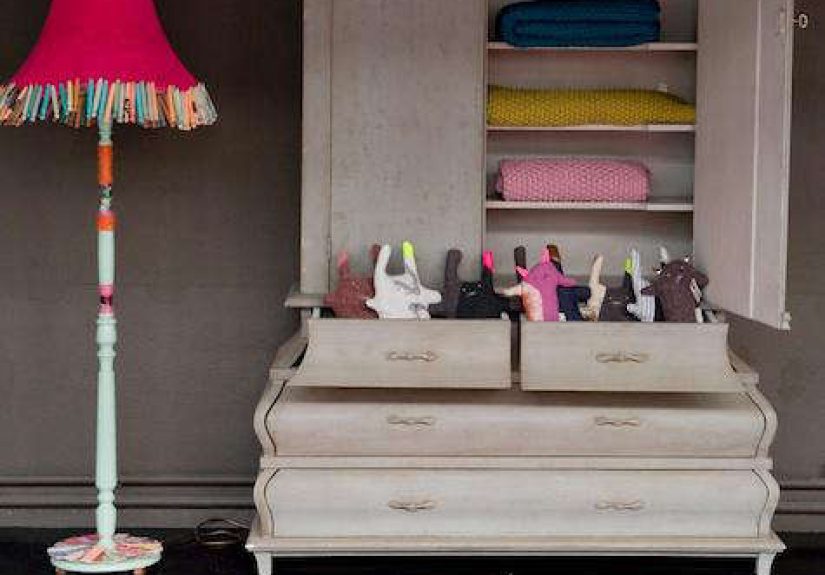
The original idea of “Serendipity in Paris” is tied to the appeal of a boutique that blended restored vintage pieces, new furniture, toys, and accessories in Saint-Germain-des-Prés. That formula remains deeply Parisian: old and new placed side by side, not as opposites but as conversation partners. A painted vintage dresser can sit near a modern lamp. A child’s toy can look sophisticated enough for a design editor’s apartment. A simple basket can suddenly seem like the missing emotional support object your home has needed for years.
This is where Paris excels. The city understands curation. A good Paris boutique does not scream, “Buy everything!” It whispers, “Look closer.” Objects are not always stacked high or heavily promoted. Instead, they are staged with restraint: a linen throw over a chair, a small ceramic dish near a candle, a wooden toy on a shelf, a striped cushion placed as if it has been waiting for you personally. The effect is subtle but powerful. You begin to imagine not just the item, but the life around it.
Saint-Germain-des-Prés: The Elegant Beginning
Saint-Germain-des-Prés is one of the best places to begin a Paris shopping walk because it mixes literary history, galleries, fashion boutiques, food shops, and classic cafés without losing its Left Bank poise. The neighborhood feels polished, but not sterile. It has enough famous names to impress first-time visitors and enough tucked-away corners to reward repeat travelers.
What to Look For in Saint-Germain
Start with the pleasures that travel well: stationery, fragrance, small leather goods, art books, scarves, table linens, and gourmet treats. These are the purchases that survive a suitcase and still feel special when you unpack them at home. Around Saint-Germain and Sèvres-Babylone, you can combine boutique browsing with stops at food shops, markets, and cafés. This matters because shopping in Paris should never become a forced march. The correct rhythm is browse, pause, sip coffee, browse again, pretend you are “just looking,” and then buy the thing you have circled back to three times.
Le Bon Marché is the grand anchor of the area, especially for travelers who want a curated overview of fashion, beauty, home décor, and gourmet gifts. Nearby, La Grande Épicerie de Paris turns edible souvenirs into a serious sport. Chocolates, biscuits, jams, teas, spices, and boxed sweets make excellent gifts because they are distinctly French without requiring you to explain why you brought someone a decorative object shaped like a mushroom. Although, to be fair, Paris can make even that seem reasonable.
Le Marais: Where Boutiques Become Treasure Hunts
If Saint-Germain is elegant, Le Marais is eclectic. The neighborhood is famous for narrow streets, historic architecture, galleries, vintage shops, independent fashion, design boutiques, beauty stores, cafés, and concept stores. It is also ideal for shoppers who prefer discovery over strict luxury. One street may offer minimalist clothing, the next vintage denim, the next handmade jewelry, and the next a home shop that convinces you your kitchen needs better salt spoons.
Concept Stores and Creative Retail
Merci remains one of the most discussed Paris concept stores because it brings together fashion, home goods, books, accessories, and café culture in a way that feels both stylish and approachable. It is the kind of place where visitors arrive for a souvenir and leave with a mental redesign of their entire apartment. The appeal is not just the merchandise; it is the atmosphere. Paris concept stores are built around browsing as an experience. They invite you to linger, compare textures, notice displays, and think about how design can make ordinary life feel more intentional.
Le Marais is also strong for vintage and independent fashion. For travelers, this is where serendipity becomes practical. A vintage scarf, a small framed print, a French-made candle, or a locally designed bag can carry more personality than a predictable souvenir. The trick is to leave space in your schedule and your suitcase. Paris shopping punishes overpacking. Bring fewer clothes than you think you need; you may return with better ones.
How to Shop Like a Paris Flâneur
The best Paris shoppers borrow from the tradition of the flâneur: the leisurely urban wanderer who observes, drifts, and lets the city reveal itself. This does not mean wandering aimlessly until your phone battery dies and your feet file a complaint. It means choosing a neighborhood, noting a few anchor stops, and allowing room for detours.
Build a Loose Route
A smart route might begin in Saint-Germain-des-Prés with boutiques, bookstores, and food shops, continue toward Sèvres-Babylone for department-store browsing, and end with a café break. Another day could be dedicated to Le Marais, starting around Rue des Francs-Bourgeois or Rue Vieille du Temple, then branching into smaller streets for vintage, design, and independent labels. The route should feel like a sketch, not a military operation. Paris is not a warehouse club. You are allowed to pause dramatically in front of a window display.
Buy the Small, Meaningful Thing
One mistake visitors make is assuming Paris shopping must involve luxury splurges. It does not. Some of the best purchases are modest: a bar of French soap, a small notebook, a tea towel, a market basket, a vintage postcard, a ceramic cup, a tube of hand cream, or a tin of biscuits from a beautiful food hall. These objects carry memory without demanding a second mortgage. They also make better stories than another airport magnet.
Design Lessons from Paris Boutiques
Paris boutiques are useful even when you buy nothing. They teach proportion, restraint, color, and texture. A tiny shop may show how one antique piece can warm up a modern room. A children’s boutique may demonstrate that playful design does not need to be loud. A home store may pair rough linen with glossy ceramics, or pale wood with deep blue textiles, and suddenly you understand why your living room has been sulking.
The Parisian approach to interiors often favors pieces that feel collected rather than matched. That is why restored vintage furniture sits so comfortably beside new design. The goal is not perfection. It is character. A shopper interested in home décor should pay attention to displays: how shelves are arranged, how colors repeat, how lighting softens a corner, how practical objects are made beautiful through placement. These observations can travel home even when the furniture cannot.
Practical Paris Shopping Tips
Serendipity is charming, but a little preparation saves time, money, and suitcase-related melodrama. First, check store hours. Many Paris boutiques open later than American shoppers expect, and some smaller shops may close for lunch, holidays, or certain weekdays. Second, wear comfortable shoes. Cobblestones are picturesque until your feet begin composing angry poetry. Third, carry a reusable tote. Paris purchases often start small and multiply mysteriously.
Tax-Free Shopping for Visitors
Non-EU visitors may be eligible for a VAT refund on qualifying purchases in France, but the process requires paperwork and validation when leaving the European Union. Ask participating stores about tax-free forms at the time of purchase, keep receipts accessible, and allow time at the airport or departure point to validate documents. France uses electronic customs validation systems in many locations, and travelers may be asked to show purchased items, so do not pack refund-eligible goods at the bottom of a checked suitcase before completing the process. This is not glamorous, but neither is losing money because your new scarf is trapped under three sweaters and a souvenir tin of cookies.
What to Bring Home from a Serendipitous Paris Shopping Day
The best Paris souvenirs are useful, beautiful, or tied to a story. A candle from a small boutique can remind you of a rainy afternoon in the Marais. A linen napkin can turn an ordinary dinner into a small French performance. A vintage book can sit on your shelf like proof that you are mysterious and cultured. A child’s wooden toy, a framed print, or a ceramic dish can become the kind of object guests ask about years later.
For fashion, look for pieces that feel wearable beyond vacation: a well-cut shirt, a scarf in a versatile color, a compact leather pouch, or jewelry that does not scream for attention. For home décor, prioritize items that pack safely: textiles, small ceramics, prints, trays, candles, stationery, and lightweight decorative objects. For food gifts, choose sealed items that travel well, such as tea, chocolate, biscuits, preserves, spices, or specialty pantry goods. Always check customs rules before bringing food products home.
The Joy of Not Finding Exactly What You Wanted
Here is the funny truth about shopping in Paris: the thing you planned to buy may not be the thing you remember. You may enter a boutique looking for a lamp and leave thinking about a painted stool. You may search for a famous store and find a tiny gallery instead. You may decide not to buy anything at all, then later realize the afternoon itself was the souvenir: the café table, the rain on the awning, the shopkeeper wrapping a small object with absurd care.
That is the soul of Shopper’s Diary: Serendipity in Paris. It is not a race through retail landmarks. It is a way of moving through the city with curiosity. Paris rewards people who notice details: door handles, handwritten tags, fabric textures, tiled floors, perfume bottles, old mirrors, and the quiet confidence of a shop that does not need neon to be unforgettable.
Conclusion: Let Paris Surprise You
Shopping in Paris is at its best when it feels personal. The grand stores are worth visiting, the concept shops are inspiring, and the famous neighborhoods deserve their reputations. But the real magic often appears between destinations. It happens when you turn down a street because the light looks pretty, step into a boutique because the window made you smile, or buy a small object that somehow captures the mood of the trip.
Whether you begin in Saint-Germain-des-Prés, wander through Le Marais, browse a design store, explore a food hall, or simply practice the noble art of window-shopping, Paris invites you to slow down and let taste unfold. The city does not merely sell things; it stages encounters. Sometimes the best purchase is planned. More often, it is serendipity wrapped in tissue paper.
Extra Shopper’s Diary Experience: A Serendipitous Afternoon in Paris
The best shopping afternoon I can imagine in Paris begins without heroic ambition. No spreadsheet, no color-coded map, no plan to “conquer” three arrondissements before lunch. Just a neighborhood, a loose direction, and the kind of optimism that says, “I’ll only browse,” even though history has proved this statement wildly unreliable.
Start in Saint-Germain-des-Prés late in the morning, when the streets are awake but not yet frantic. The windows are part of the pleasure. One boutique might display children’s furniture with the seriousness of an art gallery. Another might arrange candles, ceramics, and folded linens as if a very chic person just stepped out for espresso. You do not need to enter every shop. In Paris, window-shopping is a legitimate cultural activity. It is sightseeing with better lighting.
Eventually, you step inside somewhere small. The shopkeeper greets you, then lets you wander. This is important. Parisian service can be quieter than American service, but that does not mean it is unfriendly. It often gives you space to discover. You touch the edge of a linen cushion, inspect a wooden toy, admire a restored chair, and wonder whether your home has been secretly waiting for French influence. It probably has. Most homes are very patient about these things.
After Saint-Germain, take a break. A proper Paris shopping diary needs pauses. Sit at a café, order something simple, and review your tiny victories: the postcard, the soap, the notebook, the small gift that makes you look thoughtful and organized. This is also the moment to edit your impulses. Not every beautiful object belongs in your suitcase. Some are meant to remain in Paris, where they can continue looking elegant and impossible to pack.
In the afternoon, cross toward Le Marais for a livelier mood. The streets feel more like a treasure hunt. A vintage rack appears outside a shop. A concept store tempts you with home goods, clothing, books, and coffee. A narrow side street reveals jewelry, prints, or a small design studio. Here, serendipity feels less polished and more playful. You might find a scarf with the perfect pattern, a ceramic cup in a color you cannot name, or a tote bag that announces, with quiet authority, that you are now a person who shops in Paris.
The experience is not only about ownership. It is about collecting impressions. Paris teaches you to notice how objects live together: old wood against white walls, rough linen beside polished glass, modern lighting over antique floors. Even if you leave with nothing but a receipt for coffee and a few photos, you carry home ideas. Maybe you rearrange a shelf. Maybe you use the nice napkins on a Tuesday. Maybe you stop saving beauty for special occasions.
That is the lasting gift of a serendipitous Paris shopping day. It reminds you that style is not always loud, expensive, or perfectly planned. Sometimes it is a small discovery made while wandering, a shop bell ringing above your head, and the sudden feeling that the city has handed you a secretwrapped, naturally, in excellent paper.