Table of Contents >> Show >> Hide
- Why This Dish Works (Even When You’re Half-Asleep)
- Ingredients (Simple, Flexible, and Very Forgiving)
- Mushroom Ragù and Polenta Egg Bake (Step-by-Step Recipe)
- Polenta Tips That Make You Look Like a Pro
- Mushroom Ragù Tips for Big Flavor
- Variations and Smart Swaps
- Make-Ahead, Storage, and Reheating
- What to Serve With Mushroom Ragù and Polenta Egg Bake
- Nutrition Notes (What You’re Getting in Each Cozy Bite)
- FAQ: Troubleshooting (Because Life Happens)
- Kitchen Experiences: What It’s Like to Make This Dish at Home (Extra Notes + )
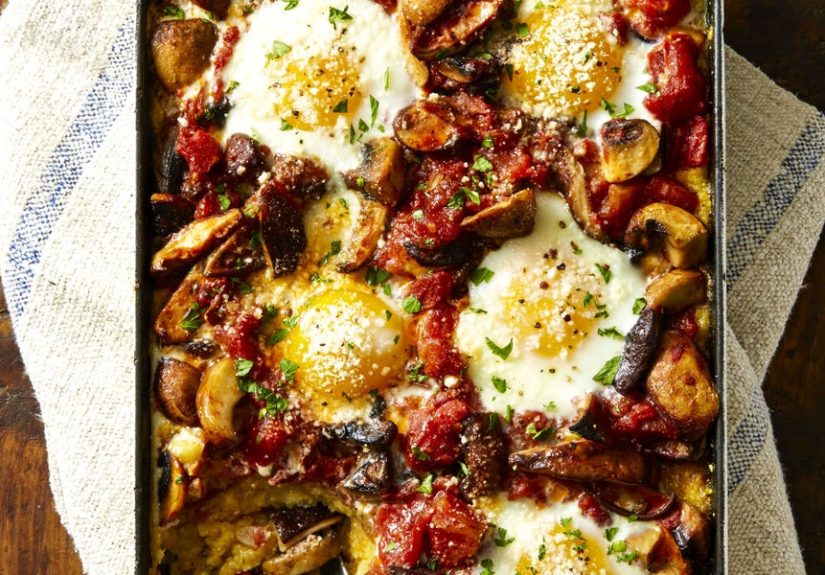
Some recipes are loud. This one is cozy. Think: creamy baked polenta as a warm, corn-scented “mattress,” a savory mushroom ragù as the blanket,
and eggs tucked on top like six little breakfast miracles. It’s the kind of dish that feels fancy enough for brunch guests, but forgiving enough for a
Wednesday night when your motivation is… present, but not sparkling.
Inspired by the classic Good Housekeeping-style approach (simple ingredients, smart method, big payoff), this baked polenta-and-mushroom casserole
delivers deep umami flavor without meat, and it feeds a crowd without chaining you to the stove. Bonus: you get that “I made a whole baked thing!”
pridewithout needing to whisk for an hour like you’re training for a culinary marathon.
Why This Dish Works (Even When You’re Half-Asleep)
Polenta = the easiest comfort-food foundation
Polenta is basically cornmeal’s glow-up: it turns into a creamy base that welcomes sauces, cheese, herbs, and all your “I have to use this up”
ingredients. Baking the polenta after a quick stovetop start helps it cook evenly and thicken gently, with minimal babysitting.
Mushroom ragù brings the “meaty” vibeno meat required
A mix of mushrooms gives you layers of flavor and texture: some melt into sauce, some stay pleasantly chewy. Add garlic and tomatoes, and suddenly
you’ve got a rich, savory topping that tastes like it simmered all day (even if it didn’t).
Eggs make it brunch, dinner, and “breakfast-for-dinner” royalty
Nestling eggs into the mushroom layer is the magic trick. The whites set, the yolks stay jammy if you time it right, and the whole bake becomes a
one-dish meal that doesn’t need much more than a salad and applause.
Ingredients (Simple, Flexible, and Very Forgiving)
This recipe is designed to be straightforward, but you’ve got room to personalize. Keep the core structure (polenta + mushroom tomato ragù + eggs),
then riff with herbs, cheese, and mushroom choices.
Core ingredients
- Olive oil (for sautéing and richness)
- Shallots (sweet, mellow onion flavor)
- Medium or coarse-ground cornmeal (for polenta)
- Low-sodium broth + water (for cooking the polenta)
- Mixed mushrooms (cremini, shiitake, oyster, buttonwhatever looks good)
- Garlic (because we’re not making “mushroom whisper” sauce)
- Diced tomatoes (canned is perfect)
- Large eggs
- Parmesan (or a similar hard cheese)
- Parsley (freshness and color)
- Kosher salt and black pepper
Optional upgrades (highly encouraged)
- Fresh thyme or rosemary for woodsy aroma
- Red pepper flakes for gentle heat
- A splash of dry white wine to deglaze the mushrooms
- Butter stirred into the polenta for extra silkiness
- A spoonful of tomato paste for deeper tomato flavor
- A tiny spoon of miso for extra umami (optional, but sneaky-good)
Mushroom Ragù and Polenta Egg Bake (Step-by-Step Recipe)
Yield: About 8 servings
Time: About 1 hour 30 minutes (hands-on time is much less than that)
Equipment: 4–5 quart pot, whisk, 12-inch skillet, 3-quart baking dish (or similar)
Ingredients (measured)
- 3 tablespoons olive oil, divided
- 2 medium shallots, finely chopped
- 2 cups low-sodium vegetable broth (or chicken broth, if you prefer)
- 3 cups water
- 1 1/2 cups medium or coarse-ground cornmeal
- 1 teaspoon kosher salt, divided (plus more to taste)
- 1 pound mixed mushrooms, sliced
- 2 garlic cloves, finely chopped
- 1 (14-ounce) can diced tomatoes
- 6 large eggs
- 1/4 cup grated Parmesan, plus extra if you’re feeling generous
- Black pepper, to taste
- Chopped fresh parsley, for finishing
1) Start the polenta (quick stovetop, then hands-off oven)
- Heat your oven to 350°F. Lightly oil a 3-quart baking dish and set it nearby.
-
In a 4–5 quart pot, warm 1 tablespoon of olive oil over medium heat. Add the shallots and cook until softened and fragrant,
about 3 minutes. - Pour in the broth and water and bring it to a strong simmer (nearly boiling). Season with about 1/2 teaspoon salt.
-
While whisking steadily, sprinkle in the cornmeal in a slow “rain,” not a dramatic dump. Keep whisking until the mixture thickens slightly,
about 3–4 minutes. (If it looks like lava, you’re doing it rightjust don’t touch it.) -
Scrape the polenta into your baking dish, cover tightly with foil, and bake for 45–50 minutes. Every 15 minutes, carefully pull
it out and stir (think: gentle encouragement, not aggressive workout). - Remove the foil at the end so the top can dry slightly while you finish the ragù.
2) Build the mushroom ragù (deep flavor in about 10–12 minutes)
- While the polenta bakes, heat the remaining 2 tablespoons olive oil in a large skillet over medium heat.
-
Add the mushrooms and a generous pinch of salt (about 1/2 teaspoon). Cook, stirring occasionally, until the mushrooms release
their liquid and start to turn goldenabout 10 minutes. Let them sit long enough to brown; color equals flavor. -
Stir in the garlic and cook just until fragrant, about 30 seconds. Add the diced tomatoes and cook 1–2 minutes to marry the flavors.
Taste and adjust salt and pepper.
3) Assemble, add eggs, and bake until set
- Spoon the mushroom ragù evenly over the baked polenta.
- Use the back of a spoon to make 6 small wells in the mushroom layer. Crack one egg into each.
- Season the eggs with a pinch of salt and pepper, then sprinkle Parmesan over the top.
-
Return the dish to the oven and bake for about 18–22 minutes, until egg whites are set. (Yolks will be softer at the lower end
of the time range and firmer at the higher end.) - Finish with chopped parsley and serve warm.
Serving tip: Let the bake rest for 5–10 minutes before slicing. It helps the polenta settle so you get neat portions instead of
“delicious chaos.”
Polenta Tips That Make You Look Like a Pro
Prevent lumps without drama
The secret is slow sprinkling and constant whisking at the start. Once the cornmeal is hydrated and thickened, the oven finish takes over.
If you do get lumps, don’t panicwhisk a bit more vigorously, or use a wooden spoon to press them against the pot.
Don’t fear a “looser” polenta
Polenta thickens as it sits. If it looks a touch loose coming out of the pot, that’s goodespecially for a bake. Overly stiff polenta can turn
dense after baking, like it’s auditioning to be a paperweight.
Want extra creaminess?
Many cooks boost texture by stirring in butter and cheese at the end of cooking, or by using a blend of broth and dairy. This dish already gets
richness from the topping and Parmesan, but a small pat of butter in the polenta never hurt anyone’s feelings.
Mushroom Ragù Tips for Big Flavor
Use a mix of mushrooms if you can
Cremini bring earthiness, shiitakes add deeper savor, oysters give delicate sweetness, and buttons keep things budget-friendly. If your store has
“mixed mushrooms” pre-packed, this is their moment.
Brown first, sauce second
Mushrooms need time in the pan to shed moisture and develop color. If you rush and keep stirring constantly, they steam instead of brownand you
miss out on that ragù-style depth.
Easy depth boosters (optional, not mandatory)
A splash of white wine, a small spoon of tomato paste, or a pinch of dried thyme can make the sauce taste more “slow-simmered.”
If you keep dried porcini around, a little porcini powder or soaking liquid can add serious umami.
Variations and Smart Swaps
Make it dairy-light
Use broth and water for the polenta, then keep Parmesan as a finishing touch (or use a smaller amount). The dish will still be rich thanks to the
mushrooms and eggs.
Make it vegetarian (it already is) or vegan-ish
The base recipe is vegetarian. For a vegan version, skip the eggs and Parmesan and top the mushroom ragù with crispy breadcrumbs, toasted nuts,
or a dairy-free cheese alternative. (It won’t be an egg bake anymore, but it will still be a great polenta-and-mushroom casserole.)
Add greens
Stir baby spinach into the mushroom ragù right at the end, or layer sautéed kale between polenta and mushrooms. It’s an easy way to make the dish
feel fresher and more weeknight-friendly.
Spice it up
Red pepper flakes, Calabrian chile paste, or a smoky pinch of paprika can take the flavor in a bolder directionespecially if you’re serving this
for dinner rather than brunch.
Make-Ahead, Storage, and Reheating
-
Make ahead: You can bake the polenta and cook the mushroom ragù up to 2 days in advance. Store separately, then assemble and bake
eggs right before serving. - Refrigerate leftovers: Cover and chill for up to 3 days. The polenta will firm up (totally normal).
-
Reheat: Warm portions in a 325°F oven until heated through. If the polenta seems tight, add a spoonful of broth around the edges
before reheating to re-loosen it. - Freeze: Freeze the mushroom ragù well. Polenta can freeze too, but the texture may change slightly; it’s usually best fresh.
What to Serve With Mushroom Ragù and Polenta Egg Bake
This bake is rich and savory, so pair it with something bright and crisp. A simple arugula salad with lemon, a citrusy fruit salad, or roasted
tomatoes on the side all work beautifully. If it’s brunch, add coffee and a smug little smile because you just served eggs to a crowd with minimal
effort.
Nutrition Notes (What You’re Getting in Each Cozy Bite)
Exact nutrition depends on your broth, cheese, and portion size, but a classic version of this dish is relatively balanced for a comfort-food bake:
carbs from the cornmeal, protein from eggs and Parmesan, and fiber from mushrooms and tomatoes. If you’re watching sodium, choose low-sodium broth
and season lightlyyou can always add a final sprinkle of flaky salt at the table for maximum impact per grain.
FAQ: Troubleshooting (Because Life Happens)
Can I use instant polenta?
You can, but the texture won’t be quite the same. Medium or coarse cornmeal gives a more substantial, casserole-friendly base. If you do use instant,
reduce cooking time and watch thickness closely so it doesn’t set up too fast.
My polenta looks too thickwhat now?
Stir in a splash of hot broth or water until it loosens. Polenta is very forgiving as long as you add liquid gradually and stir well.
How do I keep egg yolks runny?
Aim for the lower end of the bake window (around 18 minutes), and remember: eggs keep cooking a bit from residual heat after you pull the dish out.
If you want firmer yolks, bake a few minutes longer.
Can I double it for a crowd?
Yesuse a larger baking dish (like a deep 9×13) and consider baking in two pans for more even egg cooking. More surface area = happier eggs.
Kitchen Experiences: What It’s Like to Make This Dish at Home (Extra Notes + )
This is one of those recipes that teaches you a quiet little truth: “baked casserole” doesn’t have to mean “spent all afternoon cooking.” The first
thing most home cooks notice is how the timeline feels friendly. You start the polenta on the stove for a few minutes, then the oven takes over,
freeing you up to tackle the mushrooms without juggling three burners like a short-order cook.
The mushrooms are where the personality shows up. If you’ve only ever cooked mushrooms quickly, you’ll be surprised how much better they get when you
give them time. They start out squeaky and pale, then suddenly they release a puddle of liquid, and you think, “Oh no, I made mushroom soup.”
But you keep going. The liquid cooks off, the mushrooms deepen in color, and the smell turns from “raw fungi” to “steakhouse side dish.”
That browning step is the difference between a good ragù and a “well, it’s technically food” topping.
Polenta has its own learning curve, but this method is gentle. In real kitchens, the biggest mistake is pouring cornmeal in too quickly. If you dump
it like you’re emptying a beach bucket, it clumps up and you end up whisking like you’re trying to summon thunder. Sprinkling slowly while whisking
feels slower in the moment, but it saves you from the “polenta lumps of doom” later. And if a few lumps sneak through? Honestly, once it bakes and
gets topped with mushrooms, nobody at the table is going to file a formal complaint.
When it’s time to assemble, you’ll notice the bake looks almost too simple: polenta, mushrooms, eggs. But the first scoop is always a little
surprisingcorny creaminess underneath, savory tomato-mushroom on top, then the egg tying it together. It eats like comfort food, but it doesn’t sit
on your palate like a brick. That balance is why people love serving this for “brunch that isn’t pancakes,” and why it works just as well for
breakfast-for-dinner nights when you’re craving something hearty but not heavy.
Egg timing becomes your personal preference experiment. Some cooks love the yolks jammy, so they pull the dish as soon as whites are set and let
carryover heat finish the job. Others bake longer for firm yolks that slice cleanly. Either way, the dish is forgivingif you slightly overbake,
you still get a delicious casserole; if you slightly underbake, you get a saucier, dip-your-toast situation. (Both are valid lifestyles.)
The leftovers are a whole separate win. Once chilled, the polenta firms up, making portions easy to slice and reheat. Some people even lean into that
firmness: they warm leftovers in the oven until the edges crisp a little, then top with extra Parmesan and a handful of arugula. The dish becomes a
“next-day brunch square,” like a savory bakery item you made yourselfwithout paying $14 for it and pretending it’s “just a little treat.”
Finally, this recipe is a confidence builder. It looks impressive in the pan, it feeds people without stress, and it invites improvisation. Add thyme
one week, stir spinach into the mushrooms the next, swap cheeses when your fridge says so. After a couple of rounds, you’ll stop thinking of it as a
strict recipe and start treating it like a reliable formula: creamy base + savory topping + eggs = a meal that feels like a hug.