Table of Contents >> Show >> Hide
- Why Dutch still life paintings remain irresistible
- How I translated painting into photography
- The 9 photos in my fake fruit and veggie series
- 1. The Lemon That Stole The Scene
- 2. Plastic Grapes, Real Drama
- 3. The Proud Carrot Portrait
- 4. Faux Figs And A Velvet Mood
- 5. Cabbage With Main-Character Energy
- 6. The Pears That Looked Too Perfect
- 7. Pomegranate, Interrupted
- 8. Gourds, Shadows, And A Slightly Haunted Table
- 9. The Full Table Finale
- What fake produce revealed that real produce could not
- My experience creating this series
- Conclusion
There is something gloriously dramatic about a Dutch still life. A lemon peel curls like it knows it is being watched. Grapes glow like they have a publicist. A silver goblet catches a sliver of light and suddenly the whole table looks richer than your average streaming CEO. Classic Dutch still life paintings never simply showed food. They staged appetite, wealth, time, beauty, decay, and a tiny whisper that said, “Enjoy this now, because nothing lasts forever.” Cheerful, right?
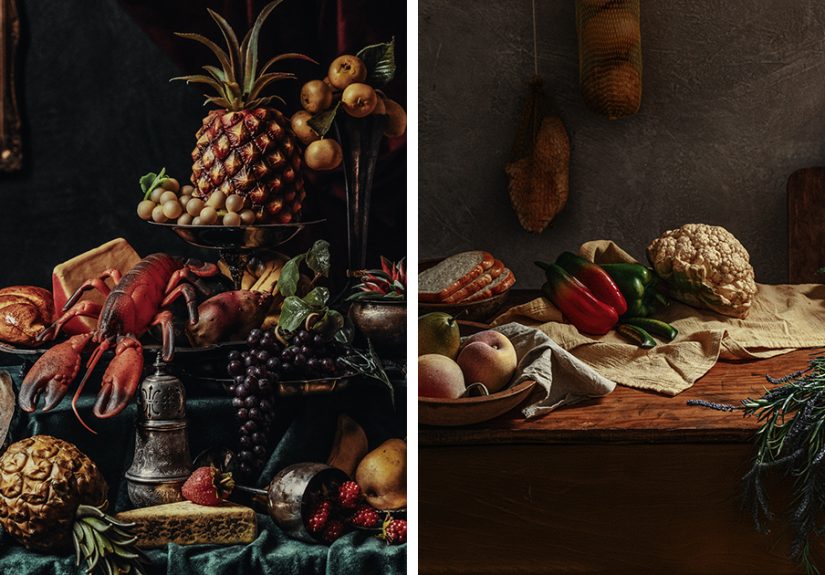
That tension is exactly what pulled me into creating nine photos of fake fruits and veggies inspired by classic Dutch still life paintings. Instead of fresh produce, I used artificial pears, plastic grapes, faux figs, painted gourds, and a few suspiciously perfect vegetables that looked like they had never met dirt. The result was part homage, part experiment, and part visual joke. I wanted the images to feel lush and old-world, but I also wanted them to quietly admit that they were made from imitation food in a very modern studio. In other words, I wanted oil-painting grandeur with a side of delightful fraud.
This series became my way of translating the visual language of the Dutch Golden Age into contemporary still life photography. I borrowed the moody lighting, the dark backdrop, the theatrical arrangement, and the symbolic clutter. But I swapped perishability for permanence. Real fruit bruises. Fake fruit waits patiently under studio lights like an overachiever. That simple exchange changed everything. The photographs became less about abundance alone and more about imitation, consumer culture, preservation, and our very human desire to make beauty hold still.
Why Dutch still life paintings remain irresistible
Classic Dutch still life paintings were never just “fruit on a table.” They were highly constructed performances. Artists arranged imported porcelain, polished metal, peeled citrus, velvet tablecloths, goblets, bread, oysters, flowers, and half-finished meals into scenes that looked casual but were anything but accidental. The best works balanced realism and theater so skillfully that viewers could almost hear the glass clink and smell the citrus. That sense of tangible illusion is still catnip for artists and photographers.
Another reason these paintings endure is that they reward close looking. A wilting flower might hint at mortality. A sliced lemon might show off the artist’s technical skill while also suggesting life’s fleeting pleasures. Grapes, pomegranates, ripe fruit, polished vessels, and overturned glasses all carried visual and symbolic weight. The paintings celebrated prosperity, but they also kept one eyebrow raised. Luxury was lovely, yes, but it was also fragile. In modern terms, they were beautiful table scenes with a philosophical jump scare.
That layered quality made Dutch still life a perfect inspiration for my photo project. Fake produce let me imitate the abundance without copying the perishability. Instead of showing time through rot, I showed it through artificial perfection. The fruit in my photographs does not age, soften, or mold. It just sits there, eternally ready for its close-up, which felt both funny and strangely eerie. That contrast became the heartbeat of the series.
How I translated painting into photography
When I started designing these images, I did not want to make a museum-costume version of a Dutch still life. I wanted to translate its mood and logic into a photographic language that still felt personal. So I focused on a few essentials: directional light, layered textures, sculptural arrangement, controlled color, and a sense that a human had just stepped away from the table.
I used a dark background to create that floating, candlelit atmosphere often associated with old-master interiors. I kept the lighting raking from one side so the fruit would cast long, descriptive shadows. In still life photography, that side light is magic. It reveals surface differences: glossy grape skins, powdery plums, waxy apples, rough linen, cool metal, and matte ceramic. Even when the fruit is fake, light tells the truth about texture. Or at least it tells an entertaining half-truth.
Composition mattered just as much. Dutch still life paintings often flirt with instability: a plate hanging near the edge, a lemon peel spilling forward, a cloth slipping off the table, a goblet tilted just enough to make you nervous. I borrowed that visual strategy. Perfect symmetry felt too dead. I wanted slight imbalance, the kind that makes a scene feel alive. It is the difference between “nice arrangement” and “something happened here.”
Then there was color. I avoided candy-bright saturation and leaned into deeper greens, wine reds, buttery yellows, bruised purples, and earthy browns. Those tones gave the photos a painterly richness and helped the fake produce feel more convincing. A plastic pear is much easier to believe when it is surrounded by velvet shadows and a moody tablecloth than when it is sitting under flat kitchen lighting looking like it just escaped a discount store.
The 9 photos in my fake fruit and veggie series
1. The Lemon That Stole The Scene
The first image centered on a faux lemon with a deliberately curling peel draped over the edge of the table. If you know Dutch still life, you know the move: the peel is not just garnish, it is a performance. I paired it with a pewter plate, a half-folded linen napkin, and a slightly tarnished goblet so the yellow would pop against a restrained palette. This image taught me that one object can carry an entire composition when shape, light, and placement do the heavy lifting.
2. Plastic Grapes, Real Drama
For the second photo, I used a cluster of fake black grapes spilling from a porcelain bowl. Grapes are perfect still life material because they are sensual without trying too hard. The round forms catch highlights beautifully, and they instantly create rhythm. To avoid making the image too polite, I let a few grapes tumble onto the cloth. That tiny loss of control made the setup feel more believable and a lot more cinematic.
3. The Proud Carrot Portrait
This was one of my favorite surprises in the series. Carrots do not usually get the red-carpet treatment, but under dramatic side lighting they become sculptural wonders. I used a bundle of fake heirloom carrots with leafy tops, arranged diagonally across a dark cloth. The earthy orange against green felt grounded and humble, which gave the image a nice counterweight to the more luxurious fruit-heavy setups. It had less banquet energy and more market-table poetry.
4. Faux Figs And A Velvet Mood
Figs are almost unfairly photogenic. Their shape, color, and association with abundance make them ideal for Dutch-inspired compositions. I staged several fake figs beside a silver knife and a folded burgundy textile to suggest the richness of old-master banquet scenes. The trick here was restraint. Too many props and the image would feel costume-y. Too few and the figs would lose their narrative charge. I wanted the scene to feel like a whisper, not a costume party.
5. Cabbage With Main-Character Energy
A faux cabbage became the unexpected diva of photo number five. Its layered leaves caught the light in a way that felt almost architectural. I placed it low and heavy in the frame, then surrounded it with a ceramic bowl and two small pears to create a sense of hierarchy. This image reminded me that Dutch still life paintings often made ordinary ingredients feel monumental. A cabbage is just a cabbage until light hits it like a Baroque spotlight and suddenly it deserves a museum wall.
6. The Pears That Looked Too Perfect
This setup leaned hardest into the uncanny. I used three artificial pears with surfaces so smooth and ideal they almost felt suspicious. Instead of hiding that artificiality, I emphasized it. I gave them a severe composition, a cool-toned dish, and crisp highlights that made their perfection feel intentional. The final image looked beautiful, but also slightly off. That discomfort was the point. Dutch still life often balanced pleasure and warning; these pears balanced beauty and unreality.
7. Pomegranate, Interrupted
The seventh image featured a faux pomegranate staged as if it had just split open. In painting, pomegranates can symbolize fertility, blood, renewal, and spiritual meaning, depending on the context. In photography, they also offer visual fireworks. I used the red interior as a focal point in an otherwise dark composition, then softened the scene with draped fabric and a dusty tabletop. This photo felt closest to the symbolic density I admire in historical still life painting.
8. Gourds, Shadows, And A Slightly Haunted Table
Not every image in the series aimed for lush elegance. This one leaned into austerity. I arranged painted faux gourds and a single ceramic cup on a narrow table with more negative space than the other photographs. The shadows did a lot of the storytelling. The result felt quieter, more reflective, and slightly haunted. It reminded me that Dutch still life is not always about excess. Sometimes it is about silence, restraint, and the way a single object can hold a room together.
9. The Full Table Finale
The last photo brought the whole project together: fake grapes, pears, figs, cabbage, carrots, a tipped glass, linen folds, and a bowl positioned just close enough to the edge to make me nervous. This was my love letter to the lavish banquet still life. I wanted abundance, variety, contrast, and a little bit of chaos. More than any other image, this one felt like a conversation between painting and photography, old symbols and synthetic materials, seriousness and play.
What fake produce revealed that real produce could not
Using artificial fruit and vegetables changed the emotional tone of the series in ways I did not expect. Real produce brings urgency. It browns, softens, collapses, and demands that you work quickly. Fake produce removes the ticking clock. At first that felt like a practical convenience. Later it felt conceptually important. Dutch still life paintings often meditate on impermanence, but my series pushed in a neighboring direction: permanence can be unsettling too.
A plastic lemon never dries out. A faux fig never bruises. A synthetic cabbage can sit under the same light for hours without losing a leaf. That durability made the objects feel strangely performative, like they were pretending to be symbols of nature while actually being artifacts of design and consumption. In that sense, the photos became less about food and more about representation. They asked a simple question: what happens when abundance becomes imitation, but still looks beautiful enough to tempt the eye?
That question feels surprisingly contemporary. We live among replicas, filters, staged surfaces, and carefully managed appearances. A fake pear photographed like a Dutch masterpiece is funny, yes, but it is also a small mirror. It reflects how easily surface can stand in for substance when light, composition, and context are persuasive enough.
My experience creating this series
Making these nine photos was one of those projects that started as a visual experiment and slowly turned into a personal obsession. At the beginning, I was mostly interested in style. I loved the moody drama of classic Dutch still life paintings and wanted to see whether I could borrow that emotional richness for photography. I thought the fake fruit angle would add some wit and make the concept feel fresh. What I did not expect was how much the process would change the way I looked at objects, light, and even patience.
The first challenge was learning how to slow down. In everyday life, fruit is background material. You buy it, wash it, eat it, forget it. In the studio, every object became a decision. A pear could not just be a pear. It had to face a certain direction, catch a certain highlight, sit beside a certain cloth fold, and earn its place in the frame. I spent embarrassing amounts of time rotating grapes by a few centimeters and repositioning leaves that were not even real leaves. Somewhere along the way, fussiness became a form of attention, and attention became the whole point.
I also learned that fake produce has a personality problem. Some pieces photographed beautifully right away, while others looked hilariously artificial no matter what I did. A glossy plastic apple under direct light can look like it belongs in a toy bin, not a fine-art composition. But give that same object softer side light, a dark background, and a textured cloth, and suddenly it starts behaving like a respectable subject. That transformation fascinated me. It showed me how much photography depends on context. The camera does not just record objects; it negotiates with them.
There was also something unexpectedly emotional about building scenes inspired by old paintings. I was not copying specific artworks, but I was definitely in conversation with them. I found myself thinking about artists who spent hours arranging tables, studying surfaces, and painting fragile food with astonishing care. That connection made the process feel less like imitation and more like participation in a long visual tradition. It reminded me that art history is not locked in museums. It is available every time a modern maker borrows an old idea and makes it speak in a new accent.
Most of all, this project taught me to embrace the line between sincerity and play. These photos are serious about composition, light, and reference, but they are also intentionally a little mischievous. They know the grapes are fake. They know the cabbage is acting. They know the whole thing is a performance. And somehow that honesty makes them more interesting to me, not less. The series let me celebrate beauty while also gently poking at illusion, which feels like a very good place for contemporary still life photography to live.
By the time I finished the ninth image, I realized the project had become bigger than a visual tribute to Dutch still life. It had turned into a meditation on surfaces, symbols, and the pleasures of making ordinary objects feel extraordinary. That is probably why I keep returning to these images. They are lush, theatrical, slightly absurd, and more revealing than they first appear. Honestly, not a bad résumé for a bunch of fake fruit.
Conclusion
My 9 photos depicting fake fruits and veggies inspired by classic Dutch still life paintings began as a playful idea, but it grew into a deeper study of artifice, abundance, and visual storytelling. By borrowing the language of Dutch still life paintingmoody light, symbolic objects, dramatic composition, and tactile richnessI was able to create a photographic series that feels historical and contemporary at the same time.
The fake produce mattered because it changed the meaning of the images. Instead of documenting fleeting freshness, the photographs explore permanence, performance, and the strange beauty of imitation. They salute the old masters while gently teasing our modern obsession with perfect surfaces. And that, for me, is the thrill of this series: it looks backward with admiration and forward with a sly smile.
Note: This HTML includes only the body content, is written in standard American English, and has been cleaned for web publishing with unnecessary placeholder citation artifacts removed.