Table of Contents >> Show >> Hide
- What “Olive Pinwale Five Pocket Cord” Actually Means
- Why This Style Works So Well
- Fabric and Construction Details That Matter
- How to Style Olive Pinwale Five-Pocket Cords
- How They Should Fit
- How to Care for Olive Pinwale Five-Pocket Cords
- What to Look for Before You Buy
- What the Wearing Experience Is Really Like
- Final Thoughts
- SEO Tags
Some pants try too hard. They come with ten zippers, mysterious straps, and the kind of “fashion innovation” that makes you wonder whether you are getting dressed or preparing for a low-budget spy mission. Then there is the olive pinwale five pocket cord: calm, textured, practical, and quietly stylish in that annoyingly effortless way. It does not scream for attention, but it does get it. That is the charm.
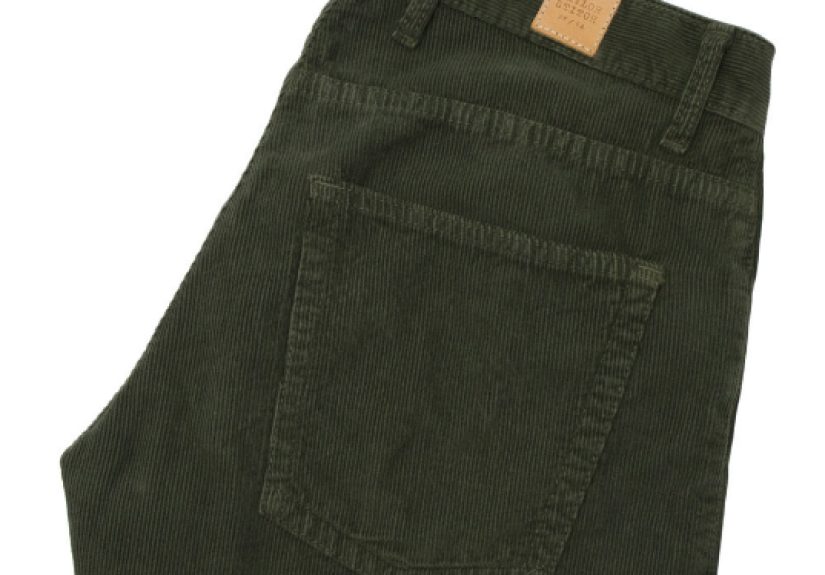
At first glance, the name sounds like a secret menswear password. Say it three times in a boutique and someone may hand you a cup of black coffee and start talking about Japanese selvedge. But the phrase is actually wonderfully straightforward. It describes a pair of olive-colored corduroy pants with fine ribs and a classic five-pocket layout. In other words, it is the rugged cousin of jeans and the more relaxed neighbor of chinos. It looks handsome in cool weather, feels soft without becoming floppy, and brings enough texture to make even a basic outfit look intentional.
For anyone building a wardrobe that can survive weekdays, weekends, casual dinners, coffee runs, and the occasional “smart casual” event that explains nothing and expects everything, this style is a heavy hitter. It is practical without being boring, refined without becoming precious, and comfortable without drifting into sweatpants territory. That last point matters. We live in a time when many people would wear fleece to a wedding if given half a chance.
What “Olive Pinwale Five Pocket Cord” Actually Means
Let’s decode the phrase one piece at a time.
Olive
Olive is one of the most wearable colors in men’s and casual fashion because it behaves almost like a neutral. It plays especially well with white, cream, gray, navy, black, brown, tan, denim blue, and muted burgundy. It has enough character to feel richer than khaki, but it is still grounded enough to wear repeatedly without anyone thinking, “There go the loud pants again.”
Pinwale
Corduroy is defined by its ridges, also called wales. A pinwale or fine-wale cord has narrow ribs placed closely together, giving the fabric a cleaner, more refined look than chunkier, wide-wale cords. If wide-wale corduroy is the lumberjack who orders stew and wears a barn coat, pinwale is the guy who still chops wood but owns better loafers. It keeps the softness and warmth of corduroy while looking sharper and less bulky.
Five Pocket
The five-pocket design is familiar because it borrows from the blueprint of jeans: two front pockets, a coin pocket, and two back pockets. This construction gives corduroy pants an easy, everyday personality. Compared with trouser-style corduroys, five-pocket cords usually feel more casual, more versatile, and easier to pair with T-shirts, oxford shirts, flannels, sweaters, chore jackets, and sneakers.
Cord
Short for corduroy, of course. Corduroy has long been beloved for its texture, durability, and cool-weather comfort. It adds visual depth to an outfit without requiring loud patterns or flashy details. A simple sweater and boots suddenly look more considered when paired with cords instead of flat twill.
The title also points to a real product lineage. “Olive Pinwale Five Pocket Cord” was used for a Taylor Stitch item, and that makes sense: the phrase describes exactly the kind of garment many modern American menswear brands have revisited again and againa classic five-pocket pant in textured cotton corduroy, often softened with washing, sometimes blended with a touch of stretch, and built to sit somewhere between workwear and everyday casual.
Why This Style Works So Well
The magic of an olive pinwale five-pocket cord is not in one dramatic feature. It is in the balance.
First, there is the texture. Corduroy gives you depth that denim or chino cloth cannot always match. Under natural light, those fine ridges catch subtle highlights and shadows, which makes the pants look richer. This is why corduroy often feels more “finished” than plain cotton twill even when the outfit itself is simple.
Second, there is the seasonal sweet spot. Corduroy naturally shines in fall, winter, and spring. It offers warmth and softness, but pinwale versions avoid the heavy, overbuilt feel some people associate with old-school cords. That makes them easier to wear indoors, easier to layer, and far less likely to make you feel like a visiting professor from a 1978 campus novel.
Third, there is the five-pocket silhouette. This matters more than people think. Trousers can look too dressy. Joggers can look too casual. Jeans can feel predictable. A five-pocket corduroy pant slides neatly between those categories. It has the everyday ease of jeans, but the fabric immediately elevates the look.
Fourth, there is the color olive. Olive has a military heritage, a workwear vibe, and a naturally earthy elegance. It reads masculine without being harsh and stylish without being trendy in a disposable way. Trends will come and go. Olive keeps showing up because it works.
Fabric and Construction Details That Matter
Not all cords are created equal, and this is where smart shoppers separate the future favorites from the future donation pile.
Wale Size
If you want a pant that looks cleaner and more versatile, pinwale or fine-wale is usually the move. It feels less costume-like than jumbo cords and can handle everything from a knit polo to a field jacket. Wide-wale cords absolutely have their place, but they tend to lean more statement-making, more rugged, and sometimes more retro.
Fabric Weight
Midweight corduroy tends to be the sweet spot for everyday wear. Heavy cord is cozy and durable, but it can feel bulky if the cut is not right. Lightweight cord is easier to layer and more office-friendly, but it may not deliver that satisfying substantial feel. If a brand mentions something in the neighborhood of a midweight cotton corduroy, that is usually a promising sign for daily use.
Cotton vs. Stretch Blend
Pure cotton corduroy has a classic feel and can age beautifully, especially when garment washed or dyed. A small amount of stretch, however, can make modern five-pocket cords more forgiving in the seat, thigh, and knees. Neither is automatically better. It depends on whether you want a more traditional character or a more comfort-driven fit for all-day wear.
Hardware and Reinforcement
Good five-pocket cords should feel sturdy where daily life attacks fabric first: pocket corners, fly area, seat, and stress points. Details like bar tacks, strong stitching, reliable buttons, and quality pocket bags are not glamorous, but they are what keep a pair of pants from becoming expensive regret by February.
Washed Finish
Garment washing makes a major difference. Washed cords tend to feel softer, less stiff, and easier to break in from day one. That lived-in finish also tones down the shine that cheap corduroy sometimes has. The result is a pair of pants that looks like it belongs in your wardrobe immediately, not after six weeks of negotiation.
How to Style Olive Pinwale Five-Pocket Cords
These pants earn their keep because they can dress up or down with suspicious ease.
1. The Reliable Weekend Uniform
Pair them with a white T-shirt, gray sweatshirt, or oatmeal henley, then add clean sneakers or suede chukkas. This is the kind of outfit that looks good at a coffee shop, a grocery store, a museum, a brewery, or any social event where nobody really knows the dress code but everyone pretends they do.
2. The Smarter Casual Look
Wear olive pinwale cords with a light blue oxford shirt, brown belt, and loafers or derby shoes. Throw on a navy sweater or unstructured blazer and suddenly you look like someone who can explain a wine list without lying. The texture of the pants keeps the outfit from looking too corporate.
3. The Cold-Weather Favorite
Olive corduroy looks terrific with flannel shirts, fisherman knits, chore coats, waxed jackets, and wool overshirts. Earth tones work especially well here: rust, camel, cream, charcoal, and navy all bring out the richness of olive without making the outfit too busy.
4. The Minimalist Route
Keep it simple with a black merino sweater and black leather boots. Olive adds the color and texture, while the rest of the outfit stays crisp. It is understated, masculine, and just polished enough to feel deliberate.
5. The Slightly Rugged Look
Add a denim shirt, thermal top, or olive field jacket in a slightly different tone. Layering similar earthy shades works surprisingly well when the textures change. The outfit feels tonal rather than matchy, provided you mix materials and keep the shapes clean.
How They Should Fit
The best olive pinwale five-pocket cords do not cling like painted-on denim, and they do not puddle like borrowed ski pants. The sweet spot is usually a clean seat, comfortable thigh, medium rise, and a leg that tapers or falls straight without excess fabric.
If the fabric contains little or no stretch, give yourself enough room in the thigh and top block. Corduroy folds and creases differently than denim, so pants that are too tight can look strained fast. If they are too loose, pinwale can lose its refined edge and drift into dad-on-a-leaf-tour territory.
Hem length matters too. A slight break is fine. No break is clean and modern. A giant stack of corduroy collapsing over your shoes is not “relaxed styling.” It is just your pants giving up.
The original product wording tied to this title emphasized a democratic fit: tailored, but not skinny, with room in the thigh and a shaped waistband. That is still a smart target today. Corduroy usually looks best when it follows the body without squeezing it.
How to Care for Olive Pinwale Five-Pocket Cords
Corduroy is durable, but it likes a little respect.
- Wash only when needed rather than after every wear, unless the pants are actually dirty.
- Turn them inside out to help protect the outer texture.
- Wash with similar colors and keep them away from lint-heavy items like towels.
- Follow the care label, but cold water and a gentle approach are often your safest bets.
- Skip harsh heat when possible. Low tumble or air drying helps preserve shape and texture.
- If wrinkles show up, treat them gently and avoid crushing the ribs with aggressive ironing.
In plain English: do not launder your favorite cords like gym socks. They are tougher than they look, but they still deserve slightly better manners.
What to Look for Before You Buy
If you are shopping for this style now, keep your eye on a few essentials.
- Color tone: Some olives lean earthy brown, others lean military green. Pick the one that works best with the rest of your wardrobe.
- Wale size: Fine-wale or pinwale will usually be more versatile than wide-wale.
- Fit: Straight or gently tapered fits tend to be the easiest to wear.
- Fabric blend: Decide whether you want classic 100% cotton character or a little stretch for comfort.
- Pocket design: True five-pocket construction gives the style its jean-like usefulness.
- Care instructions: Machine washable options are practical for real life.
- Construction: Strong stitching, sturdy buttons, and reinforced stress points are worth paying for.
What the Wearing Experience Is Really Like
Here is where the olive pinwale five-pocket cord earns its reputation. On paper, it sounds like a niche item for guys who own too many jackets and know what “selvedge” means. In reality, it is one of the easiest pants categories to wear once you actually spend time in a good pair.
Imagine pulling them on for the first time on a cool morning. The first thing you notice is the handfeel. Pinwale corduroy is soft, but not slippery. It has texture, but not bulk. It feels warmer than plain chinos and less stiff than brand-new denim. If the fabric has been washed well, it already feels broken in. You do not get that cardboard sensation some pants have straight off the hanger, where walking across the room feels like a negotiation between your legs and a shipping box.
As the day goes on, the five-pocket layout proves its value. Your phone sits where your hand expects it. Keys go where keys always go. Wallet, coin pocket, back pocketseverything feels intuitive because the structure is familiar. That familiarity is part of the appeal. The pants feel more interesting than jeans without asking you to relearn how pants work, which is honestly a pretty high standard in modern clothing.
The visual experience is just as good. Olive pinwale cords change personality depending on what you wear with them. With a white tee and sneakers, they look relaxed and easy. With a chambray shirt and boots, they lean rugged. With a navy sweater and loafers, they look almost dressy. That flexibility creates a pleasant kind of laziness: you can reach for them half-awake, throw on almost anything sensible from your closet, and still look like you made an effort.
They also improve through repetition. After a few wears, corduroy develops character in a way that feels personal rather than messy. The fabric softens more, the color settles in, and the pants begin to carry that slightly lived-in confidence that expensive marketing campaigns desperately try to fake. Good cords do not look worse after wear; they look more like yours.
There is also a social benefit, small but real. Olive pinwale five-pocket cords tend to attract the best kind of compliments: the ones that sound surprised. “Those are nice pants.” Not because they are loud, but because they are just different enough from standard jeans to register. You look put together, but not overdone. Stylish, but not theatrical. No one thinks you spent all morning planning your outfit, which is ideal because nobody wants credit for trying that hard on a Wednesday.
Most of all, the experience is one of reliability. They become the pair you grab when the weather cools down and you want comfort without surrendering shape. They work for errands, dinners, office days, road trips, and casual get-togethers. They look at home with sneakers, moc toes, loafers, and desert boots. They cooperate with flannel, knitwear, denim, fleece, and outerwear. That kind of range is rare.
In short, living with a great pair of olive pinwale five-pocket cords feels a lot like discovering the playlist you keep returning to. It may not be the flashiest option you own, but it becomes the one you trust, the one you reach for, and the one that somehow makes everything else in your wardrobe work a little harder.
Final Thoughts
The olive pinwale five pocket cord is not just a string of stylish words. It is a genuinely useful wardrobe formula: a versatile color, a refined corduroy texture, and a familiar five-pocket design that makes the pants easy to wear in the real world. It offers the comfort and visual richness of corduroy without the costume energy that heavier or louder versions sometimes bring.
If you want pants that feel more interesting than jeans, more relaxed than trousers, and more seasonally appropriate than basic chinos, this is a smart place to look. Choose a pair with a clean fit, solid construction, and a flattering olive tone, and you will have a dependable cool-weather staple that can carry your wardrobe for years.
Some clothes are built to make a statement. Others are built to become favorites. Olive pinwale five-pocket cords belong in the second category, and that is exactly why they matter.