Table of Contents >> Show >> Hide
- What Is an Original Popcorn Popper?
- A Brief History of the Popcorn Popper
- Why the Original Design Still Works
- Original Popcorn Popper vs. Modern Popcorn Makers
- The Science Behind Better Popcorn
- How to Use an Original Popcorn Popper Like You Know What You’re Doing
- What to Look for When Buying an Original Popcorn Popper
- Who Should Buy One?
- Common Real-World Experiences With an Original Popcorn Popper
- Final Thoughts
There are kitchen gadgets, and then there are kitchen gadgets with personality. The original popcorn popper belongs in the second category. It is practical, yes, but it is also theatrical. It rattles, it steams, it perfumes the room with that toasty aroma that makes people wander into the kitchen “just to check on something,” and somehow they leave with a bowl in their hands.
When people say original popcorn popper, they are usually talking about the classic style of popcorn maker: the old-school popper that relies on direct heat, simple mechanics, and a little patience instead of a lot of buttons. Think campfire poppers, stovetop crank poppers, and vintage-inspired models that still deliver the kind of popcorn that feels closer to a movie-night ritual than a microwave shortcut. In a world full of smart appliances that beep like impatient toddlers, that old-fashioned charm still hits the spot.
This article takes a closer look at what makes an original popcorn popper special, why the design has stuck around, how it compares with hot-air and microwave models, and what to know before buying one. Spoiler alert: the best popcorn often comes from a method that is a little less convenient and a lot more fun.
What Is an Original Popcorn Popper?
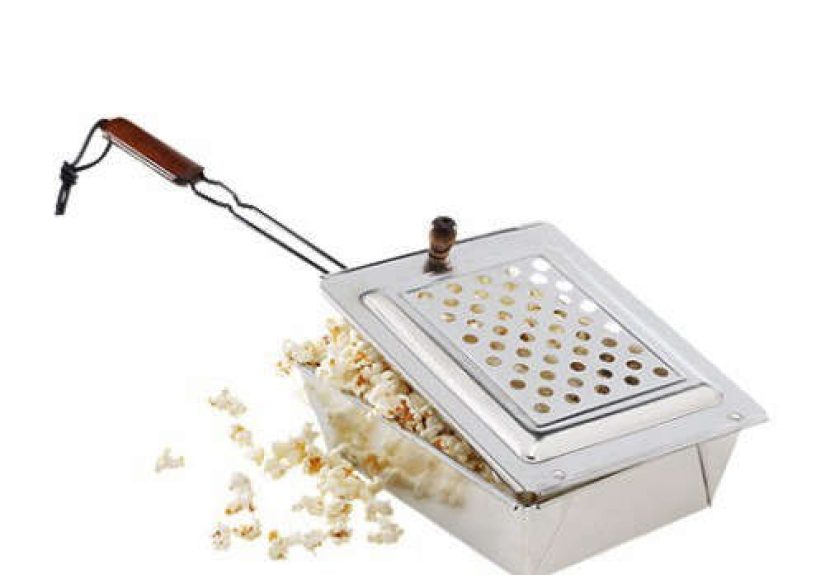
An original popcorn popper is less about one single patented shape and more about a traditional approach to popping corn. The classic versions are usually built from metal, heated over a stove, fireplace, or campfire, and designed to keep kernels moving so they pop more evenly. Some have a hand crank. Some have a long handle for outdoor use. Some look like they escaped from a 1950s movie concession stand and are very proud of it.
What unites them is the experience. An original popper asks you to measure the kernels, choose the oil, listen for the first pops, and know when the batch is done. That sounds like work, but let’s be honest: it is the good kind of work. The kind that makes you feel absurdly accomplished for producing a perfect bowl of popcorn in under three minutes.
Modern electric and microwave poppers are easier to store and often quicker to clean, but classic poppers keep winning hearts because they turn snack-making into an event. That is a big part of their staying power.
A Brief History of the Popcorn Popper
Popcorn itself is ancient. Long before theater tubs and extra-butter debates, people were popping corn thousands of years ago. Archaeological evidence places very old popcorn in the Americas, and popcorn has deep roots in Indigenous food history. Later, it became part of public life in the United States through fairs, street vending, and entertainment culture.
The real turning point for the popcorn popper came in the late 19th century. As popcorn grew in popularity, inventors began developing machines that could pop it consistently and in larger quantities. Charles Cretors is the name most closely associated with that leap. His work helped transform popcorn from a simple handmade snack into a commercial crowd-pleaser. Once portable poppers hit the scene, popcorn became much easier to sell at fairs, sporting events, and eventually movie theaters.
That matters because the original popcorn popper is not just a cute kitchen relic. It sits right at the intersection of food history, industrial design, and American snack culture. You can draw a straight line from old street machines to the stovetop popper sitting in a modern kitchen cabinet today.
Why the Original Design Still Works
1. It keeps kernels moving
One reason classic stovetop poppers perform so well is simple: movement. A hand-crank or stir mechanism prevents kernels from sitting still long enough to scorch. Even heating means more popped kernels, fewer sad half-popped casualties, and a more consistent texture overall.
2. It handles steam better
Good popcorn needs dry heat and controlled moisture. That sentence sounds like something a popcorn therapist would say, but it is true. Popcorn kernels contain a small amount of water inside a hard shell. As they heat up, pressure builds until the kernel explodes into that fluffy shape we all know and aggressively snack on. Classic poppers with vented lids or thoughtful design help release steam, which helps the finished popcorn stay crisp instead of turning soft and chewy.
3. It gives you flavor control
Original poppers are beloved by people who care about taste. You control the oil, the salt, the seasoning, and the final texture. Want rich, movie-style popcorn? Use oil and toss while warm. Want a lighter batch? Use less oil and keep the seasoning fine. Want to become the sort of person who debates coconut oil versus avocado oil at 9 p.m.? Congratulations, this hobby is ready for you.
4. It makes the process memorable
Some foods are just better when they come with a little ceremony. A classic popcorn popper gives you that. The sound of the crank, the building pop-pop-pop rhythm, and the rush to dump it into a bowl at exactly the right moment make the snack feel more earned. And food you earn with a little effort always tastes a tiny bit better. Science may or may not have measured that, but your taste buds probably agree.
Original Popcorn Popper vs. Modern Popcorn Makers
Stovetop original poppers
These are the closest thing to the classic experience most people want. They often pop quickly, produce a fluffy result, and allow for strong flavor development because oil is part of the process. Many popcorn fans love them for movie-night texture and reliable yield.
Hot-air poppers
Hot-air poppers are fast, clean, and convenient. They are especially appealing for people who want oil-free popcorn or something easy to use on busy weeknights. Recent testing from food-review outlets continues to rank hot-air poppers highly for speed and ease. The trade-off is flavor depth. Air-popped popcorn can be excellent, but it usually needs thoughtful seasoning afterward to avoid tasting a little too virtuous.
Microwave poppers
Microwave poppers sit in the middle. They are simple, compact, and often budget-friendly. They can produce crisp popcorn, but results vary more depending on the microwave and the exact timing. One person’s perfect batch is another person’s charcoal confetti. That is why microwave poppers tend to reward experimentation more than confidence.
Electric stirring poppers
These machines borrow some of the logic of the original popper by using heat plus movement. They are convenient and often effective, especially for families, but they give up some of the handmade feel. If you want the spirit of a classic popper without hovering over the stove, they are a reasonable compromise.
So which one is best? If you care most about nostalgia, texture, and control, the original popcorn popper still holds its ground beautifully. If you care most about convenience, hot-air and microwave options are strong contenders. There is no wrong answer here unless you burn the batch and pretend it is “smoky artisan popcorn.”
The Science Behind Better Popcorn
Popcorn is a tiny pressure cooker in a jacket. Each kernel contains a small amount of moisture tucked inside soft starch and wrapped in a hard outer shell. When heated, the moisture turns to steam, pressure builds, and the starch gelatinizes. Then the kernel ruptures and flips inside out in a gloriously dramatic snack explosion.
That is why kernel quality matters so much. Popcorn with the right moisture level pops better. Too dry, and it struggles to expand. Too damp, and the texture suffers. It is also why steam control matters in a popper. Excess moisture is the enemy of crunch. If steam has nowhere to go, the popcorn can end up soft instead of crisp.
Seasoning has its own science, too. Salt does not automatically cling to popcorn just because your heart wants it to. Fine particles stick better than coarse ones, and a light film of oil helps seasoning adhere without turning the batch greasy. Warm popcorn is the ideal target because it still carries a little surface heat and just enough tackiness to hold flavor.
How to Use an Original Popcorn Popper Like You Know What You’re Doing
Start with good kernels
Fresh kernels matter. Old popcorn often leaves behind more unpopped pieces and can taste stale. Store kernels in a cool, dry place and keep the container well sealed.
Use enough oil, but not a swimming pool
A modest amount of oil helps with heat transfer and texture. Too little can lead to scorching. Too much can make the batch heavy. Follow your popper’s instructions first, then adjust once you know how the pan behaves.
Keep the kernels moving
If your popper has a crank, use it steadily. Not wildly. You are making popcorn, not trying to launch a helicopter. Gentle, continuous movement is what promotes even heating and reduces burn spots.
Listen more than you look
The popping rhythm tells you a lot. When the rapid-fire noise slows down to a few seconds between pops, it is usually time to remove the popper from the heat. Waiting too long is how victory turns into a smoky life lesson.
Season while warm
Add fine salt and powdered seasonings right after popping. If you want stronger adhesion, use a very light drizzle of oil after popping before tossing the popcorn. A little goes a long way.
What to Look for When Buying an Original Popcorn Popper
Material
Aluminum heats quickly and is often lightweight, while stainless steel tends to feel sturdier and more durable. Outdoor campfire models may use heavier-gauge metal and longer handles for safety.
Ventilation
A good lid design helps steam escape. That is a bigger deal than it sounds. Crisp popcorn depends on it.
Stirring mechanism
The best classic poppers move kernels efficiently without scraping awkwardly or jamming. Smooth operation is part of what separates a charming tool from a frustrating dust collector.
Capacity
Think about your audience. A two-person household can get by with a smaller popper. A family movie night may call for something roomier unless you enjoy making batch two while everyone else starts eating batch one.
Indoor or outdoor use
Some original poppers are made for the stovetop. Others are built for campfires and fireplaces. Know where you will use it most often before buying. A gorgeous campfire popper is not very helpful if your idea of outdoor cooking is opening the back door for better Wi-Fi.
Who Should Buy One?
An original popcorn popper is a great fit for people who enjoy hands-on cooking, appreciate classic kitchen tools, or want popcorn that feels more special than a bag from the microwave aisle. It is also ideal for gift-givers shopping for movie lovers, campers, nostalgic cooks, or anyone whose personality can be described as “this old thing still works better.”
It may not be the best choice for someone who wants absolute convenience, zero cleanup, and no learning curve. But for many households, that tiny bit of extra effort is exactly the point.
Common Real-World Experiences With an Original Popcorn Popper
The first time many people use an original popcorn popper, there is usually a short moment of doubt. The pan is heating, nothing is happening yet, and someone inevitably asks, “Is it supposed to take this long?” Then the first kernel pops, everyone jumps like the stove just told a joke, and suddenly the whole kitchen wakes up. From there, the experience becomes oddly addictive.
One of the biggest pleasures is the smell. Microwave popcorn has a smell, sure, but a classic popper has an entrance. The scent rolls through the room in layers: warm oil, toasty corn, maybe a little butter, maybe a little garlic powder if you are feeling adventurous. It is the kind of smell that makes people appear from other rooms with suspiciously casual questions like, “Hey, what are you making?” They know what you are making. They just want first dibs.
There is also a rhythm to using a classic popper that people come to love. You measure the kernels. You add the oil. You crank or shake. You listen. It is fast, but it never feels rushed. That small ritual is part of the appeal. In a busy house, it can become a little signal that the day is winding down. The homework is done, the laptops are closing, and movie night is officially on.
Families often end up turning the popcorn popper into a tradition machine. Kids like hearing the popping start. Adults like pretending they are only making it for the kids. Couples end up arguing in a friendly way about toppings. One person wants classic butter and salt. Another wants nutritional yeast and smoked paprika. A third person, usually the boldest in the group, wants cinnamon sugar and refuses to explain further. The original popcorn popper becomes less of an appliance and more of a stage for these tiny household rituals.
Outdoor use adds another layer of charm. A campfire popcorn popper is simple fun in its purest form. You hold it over the flames, turn it carefully, and let the fire do the work. The result is not just a snack. It is an activity. People gather around. They watch. They wait. Someone always gets too close and asks if it is ready every 14 seconds. It is impossible to be mad because the whole thing feels wonderfully old-fashioned.
Of course, real experience also means learning a few lessons the hard way. Most owners eventually make one batch that is underdone, one batch that is overdone, and one batch so perfectly timed that they feel qualified to open a concession stand in their driveway. That learning curve is part of the bond. Once you figure out your stove, your oil, your preferred kernel brand, and your favorite seasoning routine, the popper stops feeling like a tool and starts feeling like your popper.
Another thing people notice is that classic poppers often become conversation pieces. Leave one on a shelf or hook for long enough, and somebody will ask about it. Vintage-inspired tools have that effect. They suggest stories, traditions, and practical confidence. Even people who do not cook much tend to understand the appeal right away. It looks useful. It looks sturdy. It looks like it belongs to a simpler era, and in a weirdly comforting way, that is part of the magic.
In the end, the experience of using an original popcorn popper is about more than popcorn. It is about sound, smell, anticipation, and the pleasure of making something warm and shareable with your own hands. That is probably why the design has lasted so long. Good popcorn matters, obviously. But the memory attached to the popcorn matters even more.
Final Thoughts
The original popcorn popper has survived for a reason. It is efficient, satisfying, nostalgic, and just theatrical enough to make ordinary popcorn feel special. It bridges old-school cooking and modern comfort in a way very few kitchen tools can. You do not need Wi-Fi, a touch screen, or a machine that sings to you. You need heat, kernels, a bit of attention, and a bowl big enough to handle success.
If you love snack foods with personality, the original popcorn popper is still one of the best buys in the kitchen. It delivers flavor, texture, and a built-in sense of occasion. And really, any tool that makes people gather in the kitchen while something delicious happens should be considered a keeper.