Table of Contents >> Show >> Hide
- Meet The Feline Explorer: From Window Watcher To World Traveler
- Gearing Up: What An Adventure Cat Needs To Travel Safely
- First Adventures: Backyard Safaris To Neighborhood Walks
- Leveling Up: Hiking Trails, Lakes, And Weekend Road Trips
- Building Trust: The Secret To Successful Cat Adventures
- Health And Safety Considerations For Adventure Cats
- Why People Love Watching Adventure Cats Online
- How Shared Adventures Deepen The Human–Cat Bond
- Real-World Lessons From An Owner Who Takes His Cat Everywhere
- Extra : First-Hand Style Experiences With An Adventure Cat
- Conclusion: Could Your Cat Be The Next Bored Panda Adventure Star?
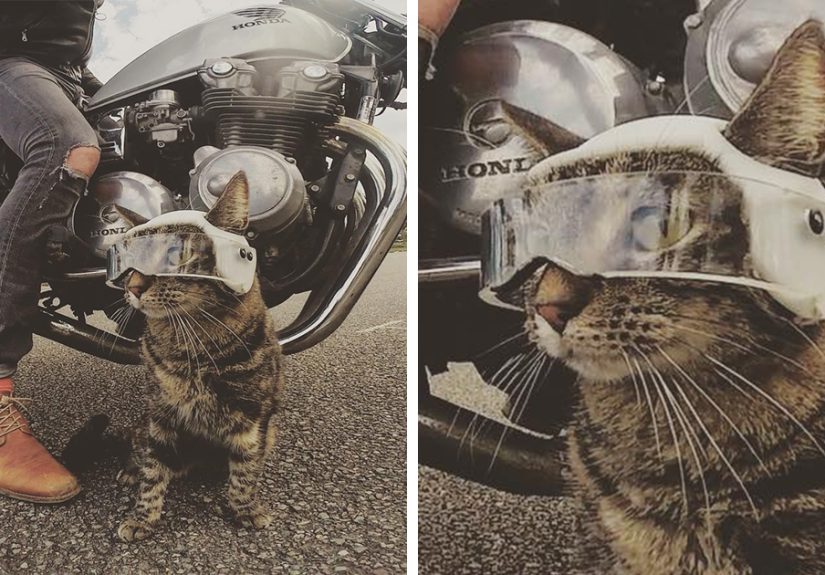
If you still think cats are couch potatoes who only sprint when the treat bag crinkles, allow me to introduce you to the modern “adventure cat.” These fearless felines hike mountains, paddle lakes, and road-trip across the country perched in backpacks like tiny, furry co-pilots. One such kitty is the star of our story today: an adorable cat whose owner brings him along on every kind of adventure, from forest trails to city skylines.
Inspired by real-life “adventure cats” that have taken over Instagram and TikTok, this Bored Panda–style tale is part heartwarming travel diary, part practical guide for anyone dreaming of turning their own house cat into a trail buddy. We’ll walk through how owners safely explore the world with their cats, the gear that keeps everyone comfortable, and why shared adventures can deepen the bond between human and feline more than any laser pointer ever could.
Meet The Feline Explorer: From Window Watcher To World Traveler
Every great adventure starts small. Many famous adventure cats, like Suki, Gary the Cat, and Simon the “backpacking kitty,” began as ordinary indoor pets who simply seemed a bit too fascinated with the great outdoors to ignore. Their humans noticed how intently they watched birds, squirrels, and passing clouds from the window and wondered, “What if we went out there together?”
Our featured owner noticed the same spark in his cat. While most cats sprint under the bed at the sight of a carrier, his fluffy sidekick leaned toward the open door, curious. Instead of forcing a big trip right away, he started slowly:
- Leaving the carrier open in the living room as a den-like hangout.
- Serving treats and meals inside so the cat saw it as a “safe cave,” not a prison.
- Taking short, no-pressure car rides around the block to build trust.
Those baby steps transformed a homebody cat into an eager explorer who now trots toward the carrier whenever it appears. For an adventure cat, that backpack is basically the feline version of a suitcase with a boarding pass.
Gearing Up: What An Adventure Cat Needs To Travel Safely
Before any epic story comes a not-so-epic gear checklist. Responsible adventure cat owners have a simple motto: “Cute photos are optional, safety is not.” Vets and animal welfare organizations stress that cats should always travel in secure carriers and never roam loose in moving vehicles. A sudden stop or an open door can put a curious cat in real danger.
The Outdoor Cat Starter Kit
Most adventure cats rely on a few key items:
- A well-fitted harness and leash. A cat harness distributes pressure more safely than a collar and gives the owner full control, whether they’re crossing a parking lot or walking a mountain trail. Harness training happens gradually at home, with short sessions and plenty of rewards.
- A sturdy cat backpack or soft-sided carrier. Adventure-specific backpacks keep the cat enclosed yet able to see the world through mesh panels or a bubble window. Many are designed like real hiking packs, with padded straps and hip belts so the human can comfortably carry the extra “purr-son.”
- Travel essentials. Collapsible bowls, a small water bottle, a lightweight towel, poop bags, a portable litter solution (even a small plastic tub with a bit of litter), and a favorite blanket or shirt that smells like home can all help keep an adventure cat calm and comfortable.
On top of that, many vets recommend microchipping and keeping up-to-date ID tags on the harness, just in case a cat ever slips away in a new environment. Some owners even use GPS trackers on harnesses for added security.
First Adventures: Backyard Safaris To Neighborhood Walks
No one wakes up on Monday with an indoor cat and summits a national park peak with them by Fridayat least, they shouldn’t. Our adventurous owner followed the same best practices shared by trainers and experienced “catexplorers”: start in the calmest place possible and work outward.
Their earliest “trips” were simple:
- Sitting together in the backyard with the cat in a harness, just soaking in new smells and sounds.
- Letting the cat nap in the backpack on the deck while the owner read a book.
- Short strolls up and down the sidewalk, allowing the cat to retreat into the carrier whenever traffic noise felt too intense.
Because cats are both predators and prey, they naturally notice everythingrustling leaves, distant dogs, wind shifts. The owner watched his cat’s body language closely, ending sessions before stress escalated. Over time, the cat began associating the harness and backpack with positive experiences: sunshine, chirping birds, and snacks on demand.
Leveling Up: Hiking Trails, Lakes, And Weekend Road Trips
Once the cat was relaxed on neighborhood walks, things escalated (in the best way). The duo started visiting easy hiking trailswide, low-traffic paths with plenty of shade and minimal steep drop-offs. This mirrors advice from experienced hiking-with-cats guides, which emphasize choosing beginner-friendly routes, avoiding extreme temperatures, and always prioritizing the cat’s pace over the human’s mileage goals.
On the trail, their routine looks something like this:
- The cat begins in the backpack, watching the scenery from a safe spot.
- When the area is quiet and safe, the owner lets the cat down on a short leash for some supervised explorationsniffing tree trunks, scratching logs, and posing dramatically on rocks, obviously.
- If a dog approaches, the terrain becomes tricky, or the cat seems overstimulated, it’s straight back into the backpack “mobile base.”
Eventually, their adventures extended to lakeshore picnics, easy camping trips, and longer road journeys. Pet travel experts recommend that even seasoned adventure cats stay confined while the car is moving and only explore on leash at rest stops or campsites. They also urge owners never to leave pets alone in cars because of the risk of overheating or theft.
Our intrepid pair took that guidance seriously. The cat’s carrier is buckled in like a toddler’s car seat, complete with shade, a small water dish, and occasional breaks where everyone gets fresh air (and maybe a drive-thru snack for the human).
Building Trust: The Secret To Successful Cat Adventures
If you ask any adventure cat owner what matters most, they’ll mention one thing again and again: trust. Hiking with a cat is less about “training them like a dog” and more about forming a deep partnership where the cat knows that their human will listenand respondwhen they’re nervous.
Our featured owner treats his cat like a tiny, furry teammate. That means:
- Reading signals. Dilated pupils, a low tail, flattened ears, or constant meowing are signs it’s time to retreat to the carrier or end the outing early.
- Letting the cat choose the pace. Some days the cat is in full explorer mode, eager to walk; other days, he just wants to ride and watch from the backpack. Both are okay.
- Never forcing interaction. If strangers ask to pet the cat, the owner checks the cat’s body language first. Adventure fame doesn’t mean he’s a public petting zoo.
That respect-based approach aligns with what behaviorists and seasoned “adventure cat” communities recommend: push slowly, celebrate tiny wins, and always give the cat a safe way to retreat.
Health And Safety Considerations For Adventure Cats
Truth time: outdoor fun doesn’t erase the fact that cats are delicate creatures with specific needs. Before their first serious trip, our owner talked to his veterinarian about vaccines, parasite prevention, and the cat’s general health. Experts often emphasize flea, tick, and heartworm prevention for cats who spend time in nature, especially in areas with mosquitoes, tall grass, or wildlife.
Other safety basics include:
- Temperature awareness. Cats can overheat quickly in hot weather and may get chilled in cold, wet conditions. Shade, fresh water, and a dry place to rest are essential.
- Careful consideration of sedation. While mild sedation may be appropriate for extremely anxious travelers, vets warn it carries risks and should only be done under professional guidance and with trial doses in advance.
- Respecting local wildlife and rules. Cats should never be allowed to hunt in parks or protected areas. Keeping them on leash protects both your pet and the ecosystem.
By approaching every outing like a low-key expeditionwith checklists, backup plans, and a fully charged phonethe owner makes sure the story ends with fuzzy cuddles back home, not an emergency vet visit.
Why People Love Watching Adventure Cats Online
Let’s be honest: part of the magic of “Owner Brings His Adorable Cat On All Kinds Of Adventures” is simply how photogenic the whole situation is. A wide-eyed cat peeking out of a backpack at the edge of a canyon is prime internet content. That’s why social feeds are packed with feline explorers whose mountain-top poses could compete with outdoor gear models.
But adventure cat accounts aren’t just cute; they’re surprisingly educational. Many owners use their platforms to share:
- Step-by-step harness training tips.
- Gear recommendations that actually work in the wild.
- Honest posts about setbacks, nervous days, and how they respect their cats’ limits.
In a world where cat stereotypes still revolve around aloofness and laziness, seeing cats hike, kayak, or ride on paddleboards challenges assumptions and encourages people to rethink what their own pets might enjoysafely, of course.
How Shared Adventures Deepen The Human–Cat Bond
At its core, this story isn’t really about gear or Instagram fame. It’s about what happens when an owner invites their cat into their life in a more expansive way. Instead of leaving their feline friend at home for every weekend trip, they design experiences that include their pet, paying attention to what the cat genuinely enjoys.
Many adventure cat owners describe their bond with their pets as feeling “more like a partnership.” Shared challengeslike crossing a wobbly bridge, riding through a windy mountain pass, or camping through a surprising stormcreate a sense of teamwork. The cat learns that their human will protect them; the human learns to slow down, notice small details, and celebrate little victories, like the first time the cat confidently pads down a forest trail.
And when the day’s adventures end, there’s nothing better than a tired cat curled up in a sleeping bag, purring as if to say, “We did it. Now hand over the treats.”
Real-World Lessons From An Owner Who Takes His Cat Everywhere
After years of exploring together, our fictional-but-realistic owner has gathered a handful of hard-earned truths that line up with advice from seasoned cat travelers, trainers, and veterinarians:
- Not every cat wants to be an adventure cat. Some genuinely prefer a sunny window and a steady schedule at home. Forcing those cats outdoors will only create stress.
- Progress is not linear. A cat who rocked last weekend’s hike might be nervous this week. Respect off days.
- Preparation beats spontaneity. Check trail rules, pack extra water, and know where the nearest vet or emergency clinic is along your route.
- Small adventures still count. A stroll around a quiet campground, an afternoon in a local park, or a scenic drive with windows cracked (for the human, not the cat) can be just as meaningful as a national park road trip.
These lessons echo what many adventure cat communities share online: you don’t need epic landscapes to create epic memories with your cat. You just need patience, consistency, and a willingness to look slightly ridiculous walking a cat down the sidewalk while your neighbors stare.
Extra : First-Hand Style Experiences With An Adventure Cat
To really understand what it’s like when an owner brings an adorable cat on all kinds of adventures, imagine a long weekend that blends several types of trips into one. Think of it as an “adventure sampler platter,” with your cat as the special guest star.
Day one starts at home, before the car keys even jingle. The owner lays out the gear: harness, leash, backpack, portable litter box, and a small “cat cupboard” of essentialsflea comb, wet wipes, collapsible bowls, a few favorite toys, and that one crinkly tunnel the cat inexplicably loves. While the human packs, the cat circles the backpack, hops inside, hops back out, and finally flops half in and half out like a fuzzy doormat. That’s adventure cat language for “I understand this is happening, and I approveconditionally.”
On the road, things are surprisingly calm. Because the cat has practiced short drives, the gentle vibration of the car is familiar. The owner keeps the radio low, talks softly, and occasionally reaches back to scratch the cat’s chin through the carrier door. At the first rest stop, they park in the shade, open the back of the car, and quietly clip the leash to the harness before unzipping the carrier. The cat pokes his head out, sniffs the air like a tiny lion, then steps into the world with careful, measured paws.
This stop isn’t about exercise; it’s about reassurance. The cat gets to stretch, sniff a few tufts of grass, and watch birds swoop overhead from the safety of a short leash and the open car door. After a few minutesand a treat or twohe willingly returns to the carrier. The message is clear: leaving home doesn’t mean losing safety.
By late afternoon, they arrive at a small, cat-friendly cabin near a trailhead. Before letting the cat explore, the owner does a quick safety scan: windows closed or securely screened, no open cleaning supplies, no spaces where a panicked cat could disappear. Only then does the cat get the grand tour. As expected, he immediately claims the space under the bed, then works outward, ending in the windowsill with the best view.
The next morning, they hit the trail just after sunrise, when it’s cool and quiet. The cat rides in the backpack at first, ears twitching at every bird call. After fifteen minutes, the owner steps off the trail to a calm clearing and lets him down. The ground is springy with pine needles; the sun filters through the trees in soft, golden beams. The cat investigates every log as if he’s the official inspector of forest textures.
They don’t go farmaybe half a mile of on-and-off walking for the catbut that’s the point. Adventure, for cats, isn’t measured in miles. It’s measured in new smells, sounds, and the reassuring rhythm of being lifted back into the backpack whenever the world feels a little too big. Back at the cabin, the cat naps so deeply that his paws twitch in dreamland, chasing phantom leaves.
On the final day, they drive to a lakeside park. Here, the cat stays mostly in the backpack as the owner sits on a rock by the water, feet dangling, reading a book. Occasionally, the cat presses his nose against the mesh, catching whiffs of fresh water and sunscreen. Kids squeal in the distance; ducks quack a running commentary. When it’s quiet, the owner opens the top flap and lets the cat perch with his front paws out, tail curled comfortably inside. Together, they watch the light shift on the surface of the lake.
By the time they return home, nothing about the cat’s daily routine has been ruinedlitter box location, feeding times, bedtime cuddles all resume as normal. But between those ordinary moments, there now exists a shared reel of memories: the first pine cone the cat swatted, the chipmunk he locked eyes with for a solid, cinematic minute, the way he chirped at the lake waves as if scolding them for misbehaving.
These experiences show why owners choose to bring their adorable cats on all kinds of adventures. It’s not about forcing a cat to become something they’re not. It’s about gently expanding the borders of their world, step by whiskered step, and discovering how much more vivid life feels when you see it through curious feline eyes. For some cats, adventure might mean a cross-country road trip and national park trails. For others, it might be a weekend cabin a couple of hours away or even just regular visits to the same quiet park. Big or small, these shared experiences become the stories you’ll tell for yearsand, if you’re anything like a typical Bored Panda reader, the photos you’ll gleefully overshare online.
Conclusion: Could Your Cat Be The Next Bored Panda Adventure Star?
The tale of “Owner Brings His Adorable Cat On All Kinds Of Adventures” proves that cats can be far more adaptableand far more adventurousthan the old stereotypes suggest. With patient training, thoughtful safety planning, and deep respect for feline comfort, a curious house cat can graduate from window watcher to backpack explorer.
If you’re tempted to follow in these paw steps, remember: start small, listen closely to your cat’s body language, and let them set the pace. Whether your adventures take you to national parks or just around the block, what matters most is the bond you build along the way. And who knows? The next viral Bored Panda post about an adorable adventure cat could be starring the furry roommate currently napping on your keyboard.