Table of Contents >> Show >> Hide
- Why Iceland Treats the Swimming Pool Like a Wellness Center
- The Roots of Icelandic Pool Culture
- Geothermal Water: The Warm Engine Behind the Habit
- Physical Health Benefits: Movement Without the Drama
- Mental Health: The Hot Tub as a Tiny Outdoor Therapy Room
- Social Health: Where the Community Meets
- The Role of Hot Tubs, Cold Tubs, Steam, and Saunas
- Pool Etiquette in Iceland: Shower First, Then Soak
- Health Safety: Warm Water Is Lovely, But Germs Also Enjoy It
- Why the Icelandic Model Works So Well
- Examples of Icelandic Pool Experiences
- Can People Outside Iceland Learn From This?
- 500-Word Experience Section: What It Feels Like to Use Pools and Hot Tubs in Iceland for Health
- Conclusion: Iceland’s Health Secret Is Warm, Social, and Surprisingly Simple
Note: This article is based on real information synthesized from reputable public health, medical, travel, and cultural sources, including materials on Icelandic swimming culture, geothermal pools, sauna research, hot-water bathing, and healthy swimming safety.
Why Iceland Treats the Swimming Pool Like a Wellness Center
In many countries, a swimming pool is a weekend treat, a hotel amenity, or the place where children learn the sacred art of splashing strangers. In Iceland, however, pools and hot tubs are woven into everyday life. They are not just for exercise, vacation photos, or pretending you are “recovering” after walking three blocks. For many Icelanders, the local pool is a health habit, a social club, a mental reset button, and a warm defense against weather that often seems personally committed to testing human patience.
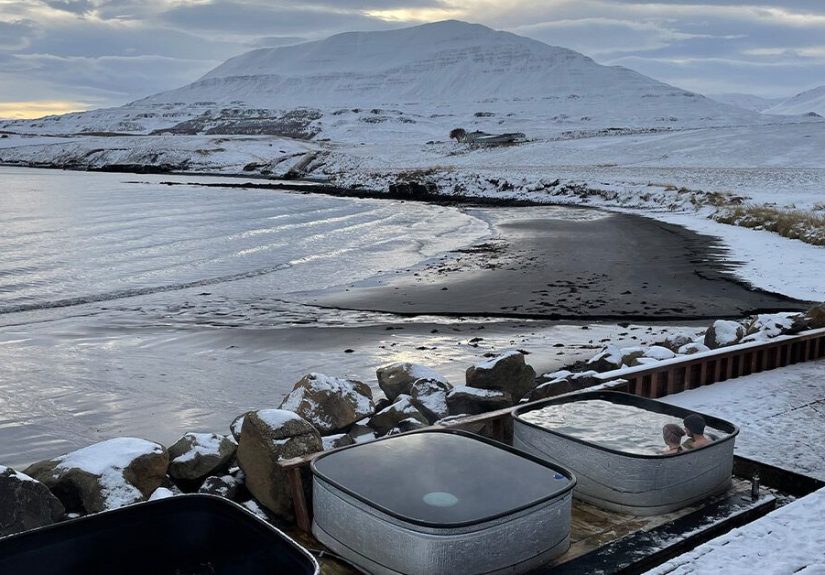
The reason is simple and deeply Icelandic: geothermal energy. Thanks to volcanic activity beneath the island, Iceland has abundant naturally heated water. This makes outdoor swimming pools, hot tubs, steam baths, and geothermal lagoons more affordable and accessible than they would be in many colder countries. Instead of hiding indoors all winter, Icelanders often step outside, shower properly, and sink into warm water while cold air swirls above them like a dramatic movie soundtrack.
The phrase “People in Iceland use pools, hot tubs for health” may sound like a travel headline, but it points to something bigger. Icelandic pool culture blends physical wellness, mental relaxation, community connection, and a respect for water safety. It is not a miracle cure, and nobody should expect one hot tub session to erase stress, back pain, and three years of unread emails. Still, the routine offers a practical model of wellness that feels refreshingly human: move a little, soak a little, talk a little, breathe a little, and repeat.
The Roots of Icelandic Pool Culture
Iceland’s swimming culture did not appear overnight, wearing a towel and looking majestic. It developed over time through geography, public health, education, and community life. Swimming became especially important because Iceland is an island nation surrounded by cold, powerful seas. Learning to swim is not merely a hobby; it is a life skill. Children in Iceland commonly learn swimming through school, and pool visits become part of growing up.
Over time, public pools became more than practical training spaces. They turned into neighborhood gathering places. In Reykjavík and across the country, many pools include lap lanes, children’s areas, several hot tubs at different temperatures, cold tubs, steam rooms, and sometimes saunas. The setup encourages a rhythm: swim, soak, cool down, chat, repeat. It is fitness, recovery, and social life in one neat packagebasically a community center that has better steam.
What makes Iceland unusual is how normal this all feels. In some places, visiting a spa is a luxury event involving robes, cucumber water, and a price tag that makes your wallet whisper goodbye. In Iceland, local public pools are often everyday destinations. People go before work, after school, after a hike, after a long day, or simply because it is Tuesday and the hot tub is there, heroically bubbling.
Geothermal Water: The Warm Engine Behind the Habit
Geothermal heat is the quiet star of Icelandic pool life. In many areas, hot water from the ground is used directly or indirectly to heat homes, pools, and bathing facilities. This natural energy source helps make warm outdoor swimming possible even when the air temperature is low. The experience is uniquely Icelandic: your body is warm, your face is cool, steam rises around you, and your hair may begin making independent decisions.
Not every Icelandic pool is a wild natural hot spring, and not every hot tub is full of mineral-rich water straight from a dramatic lava field. Many public pools use treated, clean water that is heated with geothermal energy. That distinction matters. The health benefits people enjoy often come less from magical minerals and more from the combination of warm water, movement, relaxation, routine, and social connection.
In other words, the pool is not powerful because it is mysterious. It is powerful because it is accessible. A wellness practice works best when people actually do it. Iceland’s geothermal infrastructure makes swimming and soaking a regular part of daily life rather than a once-a-year “I deserve this” event after assembling furniture.
Physical Health Benefits: Movement Without the Drama
Swimming is one of the most joint-friendly forms of exercise. Water supports the body, reducing stress on knees, hips, and ankles while still allowing muscles to work. For people who find running uncomfortable or gym machines about as charming as tax forms, swimming can be a gentler way to build endurance, strength, and flexibility.
Icelandic pools often encourage casual, sustainable movement. Not everyone is training for a race. Some people swim steady laps. Others do light movement, stretch in warm water, or simply walk through shallow areas. The key is consistency. A modest routine that happens often is usually more useful than an extreme workout performed once and then spoken of proudly for six months.
Warm Water and Muscle Relaxation
Warm water can help relax tight muscles and ease everyday stiffness. After a long hike, a cold commute, or a day spent sitting in a chair shaped by someone who apparently disliked backs, a hot tub can feel like a polite apology from the universe. Heat increases blood flow near the skin and may create a soothing effect that helps people unwind physically.
This does not mean hot tubs replace medical care, physical therapy, or exercise. They do not fix every ache, and they should be used carefully by people with certain health conditions. But as part of a balanced routine, warm soaking can support comfort, relaxation, and recovery after physical activity.
Circulation and Heat Exposure
Heat exposure from hot baths, saunas, and hot tubs has been studied for possible cardiovascular effects. Warm environments cause blood vessels near the skin to widen, which can temporarily increase circulation and make the heart work a bit differently. Some research on sauna bathing and hot-water bathing suggests associations with heart-health markers, although experts are careful to note that heat therapy is not a substitute for exercise, medication, or medical advice.
This is where the Icelandic approach feels sensible. The pool routine is not usually framed as a hardcore biohacking mission. It is a lifestyle habit. People swim, soak, rest, talk, and cool down. That balanced rhythm may be one reason the practice feels sustainable rather than punishing.
Mental Health: The Hot Tub as a Tiny Outdoor Therapy Room
One of the most important health benefits of Icelandic pools may be psychological. Warm water encourages relaxation. Outdoor bathing offers fresh air. Swimming provides gentle exercise. Social conversation reduces isolation. Put them together, and you have a wellness recipe that does not require a motivational poster or a subscription app.
In Iceland, the local pool can function as a reset space. People step away from screens, schedules, and indoor routines. They enter a shared public environment where the rules are simple: shower first, respect others, and do not behave like a tourist brochure with elbows. This simplicity may be part of the appeal. The pool gives people a place to be present without making a big speech about mindfulness.
Hot tubs also create a rare kind of social space. Conversations happen naturally because nobody is rushing. People sit shoulder-deep in warm water, looking equally relaxed and slightly boiled, and talk about work, family, politics, weather, sports, or nothing especially important. That low-pressure social contact matters. Health is not only about heart rate and step count; it is also about belonging.
Social Health: Where the Community Meets
Icelandic pools are sometimes described as democratic spaces. People of different ages, jobs, and backgrounds share the same water, the same changing rooms, and the same weather. You might see families, older adults, athletes, office workers, students, and travelers all moving through the same routine.
This community aspect is not decoration; it is central to the culture. The hot tub becomes a small public square. It is warmer than a town hall and considerably better for your shoulders. Regular visits can create casual connections that make daily life feel less isolated. In a country with long winters and dramatic weather, that kind of social infrastructure is valuable.
For visitors, joining the pool culture can be one of the most authentic ways to experience Iceland. The famous luxury lagoons are beautiful, but local public pools often reveal more about everyday life. They show how wellness can be ordinary, affordable, and community-based rather than packaged like a premium lifestyle accessory.
The Role of Hot Tubs, Cold Tubs, Steam, and Saunas
Many Icelandic pool complexes include multiple hot tubs with different temperatures. Some may be mild and easygoing; others are hotter and better suited for shorter stays. Cold tubs are also common in some facilities, and many people alternate between heat and cold. This contrast can feel energizing, although it should be approached with common sense.
Hot-cold routines are often discussed for circulation, alertness, and recovery. However, sudden temperature changes can be intense. People with heart conditions, blood pressure problems, pregnancy, dizziness, fainting history, or other medical concerns should speak with a healthcare professional before using hot tubs, saunas, or cold plunges. Wellness should not become a Viking-themed dare.
Steam rooms and saunas add another layer to the experience. They can promote relaxation and sweating, but they also increase heat stress. The safest approach is simple: stay hydrated, limit time, listen to your body, and exit if you feel dizzy, weak, overheated, or uncomfortable. The goal is to feel restored, not to win an imaginary endurance trophy.
Pool Etiquette in Iceland: Shower First, Then Soak
No article about Icelandic pools is complete without the shower rule. Before entering the pool, visitors are expected to shower thoroughly without a swimsuit. This can surprise travelers from countries where people treat pre-swim showers as a quick decorative sprinkle. In Iceland, it is serious etiquette and good public health.
The reason is practical. Clean bodies help keep pool water cleaner and reduce the burden on disinfectants. Sweat, oils, lotions, and dirt all affect water quality. A proper shower is not just a cultural formality; it is part of respecting everyone who shares the pool.
For first-time visitors, the rule may feel awkward for about thirty seconds. Then it becomes normal. Icelanders are generally matter-of-fact about it. Nobody is there to judge your kneecaps. They are there to keep the pool clean and get to the hot tub before someone takes the best corner.
Health Safety: Warm Water Is Lovely, But Germs Also Enjoy It
Hot tubs and pools can offer health benefits, but safety matters. Warm water can allow certain germs to grow if facilities are poorly maintained. Public health guidance commonly emphasizes proper disinfectant levels, pH balance, showering before entering, avoiding swallowing pool water, and staying out of pools when sick.
Good pool management is essential. So is personal responsibility. Users should avoid entering hot tubs with open wounds, should not use pools when they have diarrhea or contagious illness, and should shower after soaking, especially after hot tub use. Families should supervise children closely because drowning risks exist even in shallow or relaxing settings.
Heat also affects the body. Hot tubs may cause lightheadedness, especially if the water is very hot or the session is long. Alcohol should be avoided around hot tubs because it increases risks related to dehydration, judgment, and fainting. Pregnant people and individuals with medical conditions should get medical guidance before using hot tubs or saunas.
Why the Icelandic Model Works So Well
The real lesson from Iceland is not that everyone needs to move to Reykjavík and become a geothermal philosopher. The lesson is that health habits work best when they are enjoyable, social, and easy to repeat. Icelandic pool culture succeeds because it combines several wellness elements at once:
- Low-impact physical activity through swimming and water movement
- Muscle relaxation through warm soaking
- Stress relief through quiet, screen-free time
- Social connection through shared public spaces
- Outdoor exposure even during cold seasons
- Routine access made possible by geothermal energy
That combination makes the pool more than a place. It becomes a habit loop. People go because it feels good. They return because it fits into life. They keep going because it supports health without feeling like punishment. This is wellness with fewer slogans and more steam.
Examples of Icelandic Pool Experiences
Reykjavík Public Pools
Reykjavík has a strong network of public pools, many with hot tubs, steam rooms, children’s areas, and outdoor swimming spaces. Laugardalslaug, one of the city’s best-known pools, is often mentioned for its large swimming areas and multiple hot tubs. Other neighborhood pools offer quieter local atmospheres where visitors can experience everyday Icelandic life without the high-end spa setting.
Blue Lagoon and Geothermal Spas
The Blue Lagoon is Iceland’s most famous geothermal bathing destination, known worldwide for its milky-blue water and dramatic lava-field setting. It is more of a premium spa experience than a local municipal pool, but it helped introduce many travelers to Iceland’s bathing culture. Other geothermal spas and lagoons around the country offer similar combinations of warm water, scenic views, and relaxation.
Natural Hot Springs
Iceland also has natural hot springs, though they require extra caution. Temperatures can vary, paths may be slippery, and not every natural pool is safe for bathing. Visitors should respect signs, local guidance, private property, and environmental protections. Nature is beautiful, but it does not come with a lifeguard, a locker key, or a polite reminder to stop being foolish.
Can People Outside Iceland Learn From This?
Absolutely. You do not need a volcano under your neighborhood to borrow the best parts of Icelandic pool culture. The main idea is to build wellness into normal life. A local pool, community center, gym, or safe home bath can support relaxation and gentle movement. The key is moderation and consistency.
For example, someone might swim twice a week, stretch in warm water, or use a hot tub briefly after exercise. Others might use a sauna responsibly, take warm baths for relaxation, or schedule device-free time outdoors. The Icelandic example reminds us that health is not always about adding complexity. Sometimes it is about making simple practices easier to enjoy.
500-Word Experience Section: What It Feels Like to Use Pools and Hot Tubs in Iceland for Health
Imagine walking to a neighborhood pool in Iceland on a cold morning. The air is sharp enough to make your nose reconsider its life choices. You step inside, follow the local routine, shower thoroughly, and head outdoors. For one dramatic second, the cold air makes you question every decision that led to this moment. Then you enter the warm water, and suddenly the world becomes much more reasonable.
The first thing you notice is the contrast. Your shoulders relax because the water is warm, but your face stays cool because the air is crisp. Steam rises around the pool. People move calmly through their routines. Some swim laps with quiet discipline. Others sit in hot tubs, talking like they have solved the secret to winter. Maybe they have.
After a few minutes in the water, your body begins to soften. The tension in your neck loosens. Your legs feel lighter. If you swim, the movement feels smooth because the water supports you. There is less pounding than running, less noise than a gym, and fewer mirrors asking unnecessary questions. You are exercising, but it does not feel like a battle between ambition and gravity.
Then comes the hot tub. This is where the Icelandic pool experience becomes social. People sit together without much ceremony. Nobody needs a formal invitation to relax. Conversations drift in and out. You may hear locals discussing the weather, which in Iceland is not small talk so much as a continuing national documentary. You may also sit quietly, watching steam float upward while your brain slowly stops behaving like an overfilled browser tab.
The health effect is not only physical. It is emotional. A pool visit creates a pause in the day. You are not checking messages. You are not rushing through errands. You are not pretending that scrolling counts as rest. You are present in your body, in warm water, among other people doing the same ordinary, restorative thing.
For travelers, the experience can be surprisingly grounding. Many visitors arrive in Iceland focused on waterfalls, glaciers, volcanoes, and landscapes that look like Earth is showing off. But a local pool offers a different kind of memory. It shows daily life. It shows how people adapt to climate, use natural resources, and turn public spaces into health rituals.
The best part is how unglamorous it can be. Icelandic pool culture does not need luxury candles or a soundtrack of mysterious flutes. It works because it is practical. Swim a little. Soak a little. Cool off. Drink water. Respect the rules. Leave feeling better than when you arrived. That is not a complicated health philosophy, but it is a good one.
And when you step back into the cold air afterward, your body feels awake. Your skin tingles. Your muscles feel easier. Your mood may be lighter. The weather is still the weather, of course. Iceland has not suddenly become tropical. But you have changed your relationship with the cold. You have learned that warmth can be a habit, community can be a health tool, and sometimes the best wellness plan is waiting at the local pool, gently steaming like it knows something you do not.
Conclusion: Iceland’s Health Secret Is Warm, Social, and Surprisingly Simple
People in Iceland use pools and hot tubs for health because the practice fits beautifully into daily life. It supports movement, relaxation, recovery, mental calm, and social connection. Geothermal energy makes warm outdoor bathing practical, while strong pool etiquette helps keep the experience clean and respectful. The Icelandic pool is not just a place to swim; it is a cultural habit that turns wellness into something ordinary, affordable, and shared.
The biggest takeaway is not that hot tubs are magic. They are not. The real magic is consistency. Iceland shows how a society can make healthy routines feel natural instead of forced. A swim, a soak, a conversation, a breath of cold air, and a few minutes away from screens can do more for well-being than many complicated wellness trends. Also, unlike some trends, this one comes with bubbles.