Table of Contents >> Show >> Hide
- What Is a Porcelain Ginger Grater?
- Why a Porcelain Ginger Grater Stands Out
- How to Use a Porcelain Ginger Grater
- Porcelain Ginger Grater vs. Microplane vs. Box Grater
- What Can You Grate Besides Ginger?
- What to Look for When Buying a Porcelain Ginger Grater
- How to Clean and Care for It
- Best Ways to Use Fresh Ginger Paste
- Mistakes to Avoid
- Who Should Buy a Porcelain Ginger Grater?
- Final Thoughts
- Kitchen Experiences With a Porcelain Ginger Grater
If you have ever attacked a knob of fresh ginger with a box grater and ended up with wet hands, stringy pulp, and the mild suspicion that your kitchen tools are judging you, a porcelain ginger grater may be your new favorite tiny hero. It is small, simple, and a little old-school in the best possible way. Instead of shredding ginger into long fibers, this tool helps turn it into a juicy, concentrated paste that slips neatly into marinades, dressings, sauces, soups, and tea.
That alone would make it useful. But the appeal of a porcelain ginger grater goes beyond function. It feels good to use. It looks nicer than a hulking metal box grater. It stores easily. And unlike many single-purpose gadgets that end up living dramatic, lonely lives in the back of a drawer, this one actually earns its shelf space. It can handle garlic, nutmeg, radish, chocolate, Parmesan, and other small ingredients that need fine texture without a giant cleanup session afterward.
This guide breaks down what a porcelain ginger grater is, how it works, when it beats other graters, when it does not, how to shop for a good one, and how to get the most flavor out of fresh ginger without turning dinner prep into hand-to-hand combat.
What Is a Porcelain Ginger Grater?
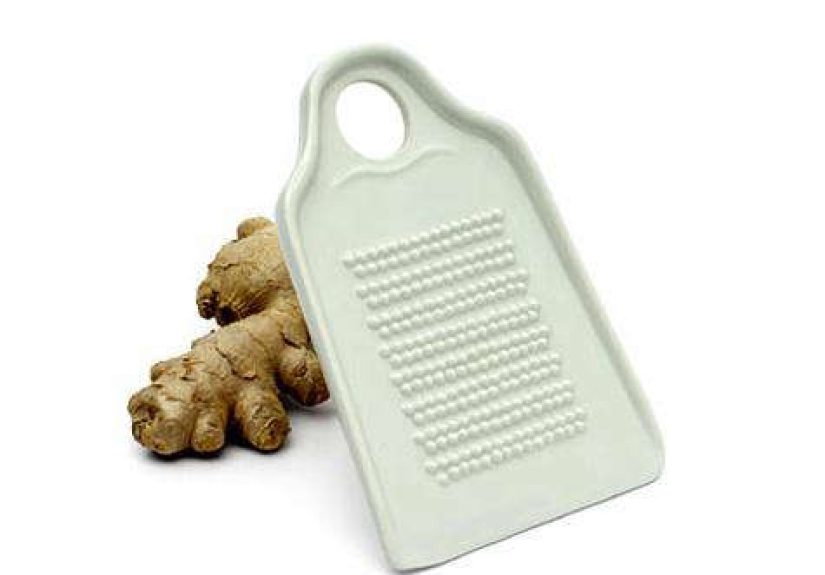
A porcelain ginger grater is a compact grating dish made from glazed porcelain or ceramic. In the center, it has raised teeth or ridges that break down fresh ginger into a wet, fragrant pulp. Many versions also include a shallow rim or trough to catch juice, and some have a spout that makes pouring the grated mixture into a bowl or pan much easier.
Think of it as the calm, minimalist cousin of the box grater. It is not built for giant piles of cheese or a mountain of carrots. It is designed for small amounts of potent ingredients where texture matters. That is exactly why so many cooks love it for fresh ginger. Ginger is fibrous, juicy, irregularly shaped, and not always cooperative. A porcelain grater works with that chaos rather than pretending it does not exist.
Why a Porcelain Ginger Grater Stands Out
It makes a paste, not just shreds
The biggest advantage is texture. A porcelain ginger grater tends to create a moist ginger paste with juice, rather than fluffy strands. That makes the flavor feel more direct and more evenly distributed, especially in dipping sauces, stir-fry sauces, curry bases, salad dressings, and quick marinades.
It helps separate tough fibers
Fresh ginger has plenty of stringy fiber, and not every recipe wants that hanging around. One reason cooks reach for a porcelain grater is that the grated pulp and juice collect in the dish while tougher fibers often stay closer to the teeth. That can give you a smoother result with less fuss.
It is compact and easy to store
This tool does not demand a whole cabinet shelf or a special storage strategy. Most porcelain ginger graters are small enough to slide into a drawer, stack with prep bowls, or sit on open shelving without making your kitchen look like it lost a bet.
It is useful beyond ginger
The name undersells it. A good porcelain ginger grater can also handle garlic, nutmeg, radish, hard cheese, chocolate, citrus zest in small amounts, and sometimes wasabi or turmeric. That flexibility is what turns it from “cute specialty tool” into “quiet workhorse.”
How to Use a Porcelain Ginger Grater
Using one is simple, but a few small techniques make a big difference.
- Start with fresh ginger. Choose ginger that feels firm and heavy for its size, with smooth skin and no obvious shriveling.
- Decide whether to peel. Many cooks peel ginger with the edge of a spoon because it gets around the knobs and curves without removing too much flesh. In some cooked or blended dishes, people skip peeling altogether, but for the cleanest paste, peeling is still a smart move.
- Hold the ginger firmly. Grip a chunk large enough that your fingertips are not immediately in danger of becoming part of the recipe.
- Rub in a circular motion. Move the cut side of the ginger over the raised teeth using light, steady pressure. Let the grater do the work. This is not a strength contest.
- Collect the pulp and juice. As you grate, the aromatic paste will gather in the trough or around the edges. If your grater has a spout, pour it directly into your pan, bowl, or measuring spoon.
- Stop before your knuckles get involved. When the ginger piece gets too small to hold safely, save the remaining nub for tea, stock, or another batch later.
For the best cleanup, rinse the grater soon after using it. Ginger pulp dries with the stubbornness of glitter after a craft project.
Porcelain Ginger Grater vs. Microplane vs. Box Grater
Every grater has its moment. The trick is knowing which one belongs in which scene.
Porcelain ginger grater
Best for small amounts, ginger paste, juicy texture, and recipes where you want concentrated flavor without noticeable strands. It is also handy when you want to grate directly into a small bowl or use the juice immediately.
Microplane or rasp grater
Best for speed and versatility. If you grate ginger all the time and also need to zest citrus or finely grate hard cheese, a Microplane is extremely useful. It is often faster than a porcelain grater, but the result can be less paste-like and more fluffy, depending on the tool and how sharp it is.
Box grater
Best for larger prep sessions, but usually not the most elegant choice for ginger. It works, of course, but it can feel clumsy for small roots and small quantities. You also tend to lose more ginger on the tool, on the board, and occasionally in the mysterious dimension where chopped herbs and patience go to disappear.
In plain English: if you cook with ginger often and care about texture, a porcelain ginger grater is worth owning. If you want one tool that does many jobs fast, a rasp grater may be more practical. Plenty of well-equipped cooks keep both.
What Can You Grate Besides Ginger?
A porcelain ginger grater becomes much more valuable when you stop treating it like a one-trick pony. Here are a few smart uses:
- Garlic: Great for sauces, aioli, compound butter, and marinades.
- Nutmeg: Perfect for fresh grating over custards, lattes, mashed potatoes, and cream sauces.
- Radish or daikon: Useful for fine condiments and fresh toppings.
- Parmesan: Small amounts can turn into a fine texture for finishing pasta or soup.
- Chocolate: Nice for shaving a little over desserts or hot drinks.
- Turmeric: Similar to ginger, though it stains more aggressively, so rinse promptly.
If you cook in small batches, make dressings from scratch, or enjoy finishing dishes with fresh aromatics, this tool earns repeat use very quickly.
What to Look for When Buying a Porcelain Ginger Grater
Raised teeth that are effective but not wild
You want pronounced ridges or teeth that actually break down ginger, but not a design so aggressive that cleaning feels like a punishment. Well-shaped teeth should grate efficiently without trapping every last strand forever.
A trough or shallow bowl shape
The best models do not just grate; they collect. A shallow well helps keep juice and pulp contained, which means less waste and less countertop drama.
A pouring spout
This is one of those features that sounds minor until you use it. A spout makes transferring ginger juice into a dressing or pan much neater, especially when the quantity is small.
Stable base
Some graters have a non-slip ring or design that helps keep them steady on the counter. That extra grip can make the whole process feel easier and safer.
Dishwasher-safe design
Many porcelain or ceramic graters are marketed as dishwasher-safe, but even then, it is smart to rinse them right away so fibers do not dry in place. A quick hand rinse often solves most of the problem before it starts.
How to Clean and Care for It
The main complaint about ginger graters is not performance. It is cleanup. That is fair. Tiny teeth love to trap tiny fibers. Still, cleanup is not difficult if you are quick about it.
- Rinse the grater immediately after use.
- Use a soft brush or toothbrush-like kitchen brush to remove trapped pulp.
- Avoid scraping with anything that could damage the glaze.
- If pulp dries on, soak the grater in warm water before brushing.
- Store it where the teeth will not be knocked against harder tools.
Porcelain feels delicate because it is pretty, but a well-made piece is often sturdier than it looks. Just do not drop it on a tile floor and expect a happy ending.
Best Ways to Use Fresh Ginger Paste
Once you have grated ginger into a fine paste, you start noticing how many dishes benefit from that smoother texture.
Sauces and marinades
Ginger paste disappears beautifully into soy-based marinades, sesame dressings, peanut sauces, and glaze mixtures for salmon, chicken, tofu, or roasted vegetables.
Soups and broths
Instead of biting into random chunks of ginger, you get warmth distributed through the whole pot. It works especially well in chicken soup, noodle broths, carrot soup, squash soup, and miso-based bowls.
Tea and wellness drinks
Grated ginger releases juice quickly, so it is useful for hot ginger tea, honey-lemon drinks, and simple soothing beverages when you want fresh ginger flavor fast.
Baking
Fresh ginger can add brightness to cakes, muffins, cookies, quick breads, and fruit desserts. A fine paste blends more easily into batter than larger chopped pieces.
Dips and condiments
Add it to yogurt sauce, scallion dressing, stir-fry finishing sauce, dumpling dipping sauce, or even a quick citrus vinaigrette when you want a fresh kick without visible chunks.
Mistakes to Avoid
- Using dried-out ginger: Old ginger is harder to grate and gives you less juice.
- Grating tiny nubs to the bitter end: Save your fingers. This is a kitchen tool, not a trust exercise.
- Letting pulp dry on the surface: That turns a fast rinse into a miniature restoration project.
- Expecting it to replace every grater you own: It is excellent at what it does, but it is not built for bulk prep.
- Ignoring storage: If you buy ginger regularly, freezing extra pieces can save money and reduce waste.
Who Should Buy a Porcelain Ginger Grater?
This tool makes sense for people who cook with fresh ginger more than occasionally, care about flavor and texture, and prefer a calmer, more precise prep experience. It is especially good for:
- home cooks who make stir-fries, noodle dishes, marinades, curries, and dressings
- tea drinkers who like fresh ginger infusions
- small-kitchen cooks with limited storage space
- gift buyers looking for a practical but charming kitchen tool
- anyone tired of shredding ginger across three square feet of countertop
If you barely use fresh ginger and prefer all-purpose tools, a Microplane may be the better buy. But if you appreciate specialized tools that solve a specific kitchen annoyance really well, a porcelain ginger grater is delightfully worth it.
Final Thoughts
The porcelain ginger grater is not flashy, trendy, or likely to become the star of an influencer unboxing video. That is part of its charm. It is a quiet, thoughtful tool built for one of the most fragrant ingredients in the kitchen. It delivers smooth ginger paste, catches flavorful juice, stores easily, and often looks lovely enough to leave out on the counter.
More importantly, it improves the cooking experience. That matters. Good kitchen tools do not just perform a task; they reduce friction. They make you more likely to cook, more likely to reach for fresh ingredients, and less likely to mutter at inanimate objects before dinner. By that measure, the porcelain ginger grater punches far above its size.
If your cooking regularly leans on fresh aromatics, this little grater is not an unnecessary gadget. It is a precision tool with real everyday value. And unlike some kitchen tools that promise to transform your life and then immediately vanish into a junk drawer, this one has a decent chance of staying in the rotation.
Kitchen Experiences With a Porcelain Ginger Grater
The first time I used a porcelain ginger grater, I expected something between “mildly helpful” and “unnecessary but adorable.” What I got was a small, oddly satisfying prep ritual that made ginger feel less like a chore and more like an ingredient worth celebrating. I peeled a knob with a spoon, rubbed it over the teeth in circles, and watched a pale golden paste gather in the dish. It felt neat. Controlled. Quietly competent. There was no flying shred, no wet cutting board, no awkward angle with a giant metal grater. Just ginger, juice, and a tool that seemed to understand the assignment.
The biggest difference showed up in sauces. When I used a box grater, I often got strands that clung to the whisk or floated around in the bowl like they had their own agenda. With the porcelain grater, the ginger became smoother and more concentrated. In a soy-sesame dressing, that meant a cleaner bite and better texture. In a quick marinade for salmon, it meant the ginger flavor spread more evenly instead of landing in random spicy pockets. Tiny difference on paper. Noticeable difference at dinner.
I also started reaching for fresh ginger more often simply because the process became less annoying. That may sound dramatic, but kitchen habits are built on tiny conveniences. If peeling and grating ginger feels messy, you will talk yourself into using powdered ginger, jarred paste, or nothing at all. When the tool is easy, fresh ginger wins more often. Suddenly it ends up in tea on cold mornings, in carrot soup, in cookie dough, in stir-fried greens, and in weekend vinaigrettes that make lunch feel suspiciously organized.
There is also something pleasantly tactile about porcelain. Metal graters can feel aggressive. Porcelain feels more deliberate. The tool sits like a small dish, not a sharp obstacle. Mine became one of those objects guests ask about when they see it drying by the sink. It sparks the kind of kitchen conversation that usually starts with “Wait, what is that?” and ends with “Okay, I need one.” That is always a good sign.
Of course, it is not perfect. If I am prepping a huge amount of ginger for a party or a batch cooking session, I still reach for a faster handled grater. And yes, if I forget to rinse the porcelain grater right away, the trapped fibers can cling like they signed a lease. But used for what it does best, small amounts and high flavor, it feels wonderfully efficient.
One of my favorite ways to use it is for ginger tea. Grate, pour in hot water, add lemon and honey, and suddenly the entire kitchen smells awake. Another is garlic for dressings. A clove rubbed across the teeth turns into a fine paste that vanishes into yogurt or mayonnaise without any harsh little chunks. It is the sort of detail that makes homemade food taste more polished, even when the rest of the meal is just leftovers wearing a better attitude.
Over time, the porcelain ginger grater stopped feeling like a specialty gadget and started feeling like part of the rhythm of cooking. That is probably the best compliment any kitchen tool can earn. It does not need applause. It just needs to make the next meal easier, cleaner, and more flavorful. This one does exactly that.