Table of Contents >> Show >> Hide
- Why Potato Casserole Recipes Never Go Out of Style
- The Main Types of Potato Casserole Recipes
- How to Choose the Right Potatoes
- Ingredients That Make a Potato Casserole Taste Better
- Five Potato Casserole Recipes to Make on Repeat
- Common Mistakes That Can Ruin Potato Casserole Recipes
- Make-Ahead, Storage, and Reheating Tips
- Kitchen Experiences That Make Potato Casserole Recipes Even Better
- Conclusion
Note: This article is formatted for web publishing and intentionally removes source links, citation clutter, and stray publishing artifacts.
Few dishes are as gloriously unfussy, crowd-friendly, and emotionally supportive as a good potato casserole. You can dress it up with Gruyère and cream, keep it casual with frozen hash browns and cheddar, or go fully over-the-top with bacon, chives, and enough sour cream to make your cardiologist raise one eyebrow. In other words, potato casserole recipes are the little black dress of comfort food: endlessly adaptable, always welcome, and suspiciously good at stealing the spotlight from the main course.
Whether you need a holiday side, a potluck hero, a weeknight dinner saver, or an excuse to use up leftover mashed potatoes before they enter their villain era, there is a potato casserole style for you. The beauty of this category is that it includes everything from creamy scalloped potatoes to crispy-topped hash brown bakes, loaded twice-baked casseroles, and rustic family-style dishes that look humble but disappear faster than common sense at an all-you-can-eat buffet.
In this guide, we are diving into the best types of potato casserole recipes, the ingredients that make them work, the biggest mistakes to avoid, and several practical recipe ideas you can actually use. So grab a baking dish, preheat the oven, and prepare to fall deeply, sincerely, and maybe a little dramatically in love with potatoes.
Why Potato Casserole Recipes Never Go Out of Style
Potato casseroles have serious staying power because they solve several dinner problems at once. They are filling, affordable, forgiving, and easy to make for a crowd. Potatoes also play nicely with all kinds of ingredients: cheese, herbs, onions, cream, broth, bacon, breadcrumbs, butter, garlic, mushrooms, ham, and even that half-used tub of sour cream staring at you from the fridge like it pays rent.
Another reason these casseroles endure is texture. A great potato casserole is never one-note. It gives you creamy interiors, crispy tops, golden edges, and rich flavor in every scoop. Some versions are fluffy and mashed. Others are layered and elegant. Some are pure church-basement comfort in the best way possible. All of them deliver warmth, substance, and the kind of satisfaction that makes people quietly abandon table manners and go back for seconds.
The Main Types of Potato Casserole Recipes
1. Cheesy Hash Brown Casserole
This is the classic potluck favorite. It usually starts with frozen hash browns, then gets mixed with sour cream, condensed soup, onion, shredded cheese, and some kind of crunchy topping. Cornflakes, crackers, breadcrumbs, and buttery crumbs all show up to do important emotional labor.
If you want speed, this is your casserole. If you want nostalgia, this is also your casserole. If you want to bring something to brunch that people recognize instantly and start hovering around before it even cools, congratulations: you have found your dish.
2. Twice-Baked Potato Casserole
Think of this as the loaded baked potato’s more social cousin. Instead of stuffing individual potato skins like a patient and noble kitchen elf, you bake russet or Yukon Gold potatoes, scoop out the flesh, mash it with butter, cream cheese, sour cream, milk, cheddar, and bacon, then bake the whole thing in one dish. Same big flavor, much less drama.
This style is excellent for holidays because it feels special without requiring a tiny assembly line. It also reheats well and pairs beautifully with roast chicken, ham, steak, and anything else that appreciates a rich, cheesy sidekick.
3. Scalloped Potatoes and Potato Gratin
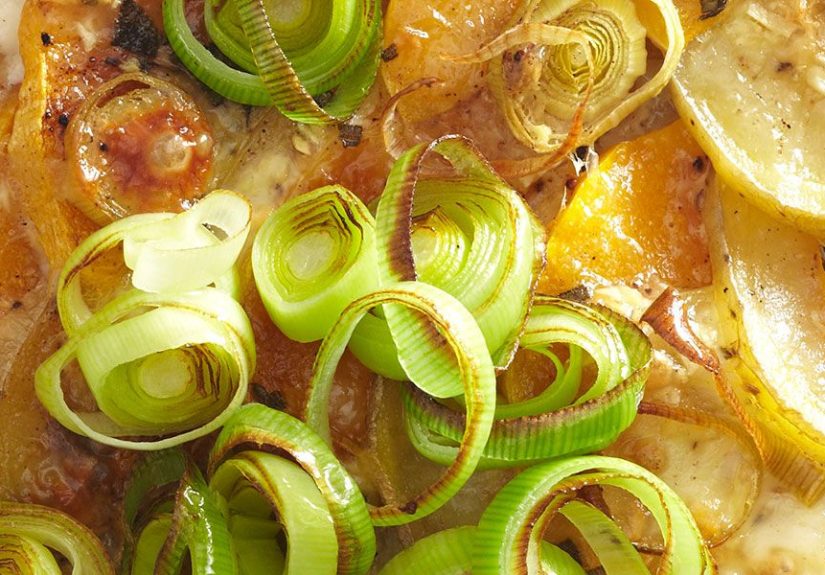
This is the elegant branch of the potato casserole family tree. Thin potato slices are layered with cream, milk, cheese, or all three if you are feeling bold and beautiful. The result is tender, silky, and golden on top. Scalloped potatoes often lean more creamy and sauce-forward, while au gratin versions usually bring more cheese to the party. Honestly, though, in real-life home kitchens, these lines get blurry fast.
If you want a casserole that looks impressive on the table and smells like a French restaurant wandered into your house by accident, go this route.
4. Mashed Potato Casserole
This is the answer to leftover mashed potatoes and the gateway to absolute comfort. You start with mashed potatoes, then enrich them with butter, milk, sour cream, cream cheese, herbs, or shredded cheese. Some cooks add fried onions, chips, or extra cheese on top for crunch. It is soft, fluffy, rich, and deeply lovable.
Mashed potato casserole is also very flexible. You can make it rustic and simple or fully loaded with bacon, chives, and enough toppings to qualify as a baked potato convention.
5. Funeral Potatoes and Party Potatoes
Yes, the names are memorable. These casseroles are beloved because they are creamy, cheesy, easy to scale, and built for sharing. They often include hash browns, sour cream, soup, cheddar, and a crunchy topping. The flavor profile is unapologetically cozy. This is not the moment for restraint. This is the moment for “Just one spoonful” turning into a suspiciously large square.
How to Choose the Right Potatoes
The best potato casserole recipes start with using the right potato for the right job. Russets are high in starch and ideal for fluffy baked or mashed casseroles. They break down easily and create a lighter texture, which is why they shine in twice-baked potato casserole and mashed potato bakes.
Yukon Gold potatoes are buttery, slightly creamy, and better at holding their shape while still becoming tender. They are especially good in gratins, scalloped potatoes, and casseroles where you want the slices to stay beautiful instead of collapsing into mashed-potato chaos. Red potatoes can work in chunkier casseroles, but they are less common when you want that lush, creamy texture people usually expect.
Frozen hash browns, meanwhile, are the shortcut MVP. They remove peeling, shredding, and pre-cooking from the equation, which is why they appear so often in easy potato casserole recipes. Just thaw and drain them well so you do not accidentally create potato soup wearing a casserole costume.
Ingredients That Make a Potato Casserole Taste Better
Dairy
Butter, sour cream, cream cheese, milk, half-and-half, and heavy cream all help build richness. Not every casserole needs all of them at once unless your goal is to make the spoon stand upright. But one or two creamy ingredients usually make the difference between “fine” and “please hide a portion for me before the guests arrive.”
Cheese
Sharp cheddar brings bold flavor. Gruyère adds nutty depth. Parmesan contributes salty punch. Fontina and Havarti melt beautifully. The best move is often a blend: one cheese for flavor, one for melt, one for a golden top that makes people weak in the knees.
Aromatics and Herbs
Onions, green onions, shallots, chives, garlic, thyme, rosemary, and parsley all brighten the richness. Potatoes love seasoning, and bland potato casserole is one of the saddest avoidable tragedies in home cooking.
Crispy Toppings
Do not underestimate texture on top. Crushed cornflakes, buttery crackers, panko, potato chips, fried onions, or broiled cheese can turn a good casserole into a great one. The creamy center needs contrast. Otherwise, every bite feels like a soft beige blanket. Comfortable? Yes. Exciting? Not always.
Five Potato Casserole Recipes to Make on Repeat
Classic Cheesy Hash Brown Casserole
Combine thawed hash browns with sour cream, shredded cheddar, diced onion, cream-style soup, melted butter, salt, pepper, and a pinch of garlic powder. Spread into a buttered baking dish. Top with crushed cornflakes or buttery crackers. Bake until hot, bubbly, and golden brown. This is the casserole version of a reliable friend who always shows up on time and brings snacks.
Loaded Twice-Baked Potato Casserole
Bake russet potatoes until tender. Scoop out the flesh and mash with butter, warm milk, sour cream, cream cheese, cheddar, chopped chives, salt, pepper, and crumbled bacon. Fold in a few chopped potato skins if you like extra texture. Transfer to a casserole dish, top with more cheese and bacon, and bake until puffed and lightly golden. It tastes like a steakhouse side dish got promoted.
Creamy Scalloped Potato Casserole
Slice Yukon Gold potatoes thinly and layer them with a cream mixture flavored with garlic, thyme, and onion. Add Gruyère or cheddar between some of the layers if you want a cheesy finish. Bake covered first so the potatoes soften, then uncover to brown the top. Let it rest before serving so the sauce thickens instead of sprinting across the plate.
Mashed Potato Casserole with Crispy Topping
Mix mashed potatoes with butter, sour cream, cream cheese, roasted garlic, and shredded cheddar. Spoon into a casserole dish and top with fried onions, crushed kettle chips, or breadcrumbs tossed with butter. Bake until hot. This one is especially smart after the holidays when leftover mashed potatoes are multiplying in containers like a dairy-based science experiment.
Ham, Potato, and Cheese Dinner Casserole
For a heartier all-in-one meal, combine diced potatoes or hash browns with chopped ham, cheddar, onion, a little mustard, and a creamy base made from milk or soup. Bake until the potatoes are tender and the top is browned. Add peas or broccoli if you want vegetables involved in the conversation. This is comfort food with actual weeknight practicality.
Common Mistakes That Can Ruin Potato Casserole Recipes
Using undercooked potatoes
If the potatoes are not cooked enough before serving, the casserole goes from cozy to disappointing in one bite. For sliced casseroles, cut potatoes thinly and bake until a knife slides in easily. For mashed or twice-baked versions, cook the potatoes fully before mixing.
Skipping seasoning
Potatoes need salt. They also benefit from pepper, garlic, herbs, and sometimes a little tang from sour cream, mustard, or sharper cheese. Without seasoning, the casserole can taste heavy and flat.
Adding watery ingredients
Wet potatoes, undrained hash browns, or vegetables with lots of moisture can loosen the casserole too much. Dry ingredients well and avoid overloading the dish with add-ins that leak water during baking.
Not waiting before serving
Fresh from the oven, a casserole is often too loose. Give it 10 to 15 minutes to rest. This helps the layers settle, the sauce thicken, and the top stay intact. It also prevents eager diners from burning the roof of their mouth, which is a surprisingly common potato-related lifestyle choice.
Make-Ahead, Storage, and Reheating Tips
One reason potato casserole recipes are so popular is that many of them work well as make-ahead dishes. Hash brown casseroles and twice-baked potato casseroles can often be assembled in advance, refrigerated, and baked later. That makes them ideal for holidays, brunches, and dinner parties when oven space becomes a competitive sport.
Mashed potato casseroles can also be prepped ahead, but keep in mind that chilled mashed potatoes may lose a little of their just-made fluffiness. The fix is simple: add a touch of dairy before reheating and warm them gently so they do not dry out.
Leftovers should be cooled, covered, and refrigerated. Reheat in the oven for the best texture, especially if the casserole has a crunchy top. The microwave works for speed, but it has a personal grudge against crisp toppings and will flatten their dreams.
Kitchen Experiences That Make Potato Casserole Recipes Even Better
There is something oddly emotional about potato casserole. Maybe it is because nobody makes it for a tiny, dainty occasion. Potato casserole shows up when people gather. It appears at holiday tables wedged between roast meat and green beans. It turns up at baby showers, potlucks, Sunday dinners, church suppers, and chaotic weeknights when everyone needs a hot meal and a better attitude.
One of the most relatable experiences with potato casserole is realizing that the person who said, “I’ll just have a little,” was lying to both of you. This dish has a way of encouraging oversized portions. Maybe it is the golden crust. Maybe it is the smell of butter and cheese doing a full Broadway performance from the oven. Maybe it is because potato casserole feels safe. Nobody worries about whether it will be too spicy, too trendy, or too complicated. It is comfort food that speaks fluent family.
Another classic experience is recipe evolution. Almost no one makes the exact same potato casserole forever. Someone starts with a basic version from a handwritten card, then adds more cheese, swaps soups, uses fresh garlic instead of powder, tosses in bacon, changes the topping, or starts making a holiday version and a weeknight version. Over time, the casserole becomes personal. It stops being just a recipe and becomes our recipe. That is part of the charm. Potato casserole is not rigid. It invites tinkering.
Then there is the leftover moment, which is secretly one of the best parts. Cold weather, next-day casserole, maybe a fried egg on top if you are feeling clever, and suddenly lunch looks suspiciously excellent. Some casseroles taste tired after a night in the fridge. Potato casserole often tastes like it had time to think things over and come back with better ideas.
And let us not ignore the emotional support role of potato casserole for home cooks. When dinner feels stressful, this dish is reassuring. You do not need chef-level knife skills, rare ingredients, or a six-step sauce. You need potatoes, a baking dish, and the willingness to believe that cheese is usually a solid decision. Potato casserole recipes reward practical cooking. They are not here to judge your shortcuts. They are here to help you feed people well.
That is why potato casserole remains a staple. It is generous, flexible, deeply satisfying, and almost impossible to hate unless someone somehow underseasons it and burns the top, in which case we wish them growth and healing. Done right, though, it is one of those dishes that makes a table feel fuller, warmer, and more alive. And for a humble pan of baked potatoes, that is a pretty impressive résumé.
Conclusion
The best potato casserole recipes are not just side dishes. They are crowd-pleasers, comfort-makers, and dinner-table peace treaties. Whether you prefer a cheesy hash brown bake, an elegant scalloped potato gratin, a loaded twice-baked casserole, or a fluffy mashed potato version with a crunchy topping, the formula is simple: choose the right potatoes, build in flavor, add texture, and bake until bubbly and golden.
If you keep those basics in mind, you can create a potato casserole for almost any occasion. Fancy holiday? Go gratin. Potluck? Hash brown casserole. Leftover rescue mission? Mashed potato bake. Steak dinner? Loaded twice-baked casserole all the way. No matter the version, one truth remains constant: when potatoes meet butter, cheese, and a hot oven, very good things happen.