Table of Contents >> Show >> Hide
- What Is Prickly Heat Rash?
- Causes: Why Heat Rash Happens (And Why It Picks the Worst Timing)
- Symptoms: What Prickly Heat Rash Looks and Feels Like
- Diagnosis: How Do You Know It’s Heat Rash?
- Treatments: What Actually Helps (And What Can Make It Worse)
- When to See a Doctor
- Prevention: How to Stop Heat Rash Before It Starts
- Common Mix-Ups: Conditions That Can Look Like Heat Rash
- Quick FAQs
- Real-World Experiences: What Prickly Heat Rash Feels Like in Daily Life (Extra )
- Conclusion
There are few summer souvenirs less charming than a rash that feels like your skin is auditioning for a cactus role. That “itchy, stingy, why-is-my-shirt-hurting-me?” situation often has a name: prickly heat rash, also called heat rash or miliaria. It’s common, usually harmless, and (thankfully) typically short-livedespecially once you cool down and give your sweat glands a break.
This article breaks down what prickly heat rash is, why it happens, what it looks and feels like, how to treat it at home, and when it’s time to call in professional backup. (Because sometimes a rash is just a rashand sometimes it’s your body waving a tiny red flag.)
What Is Prickly Heat Rash?
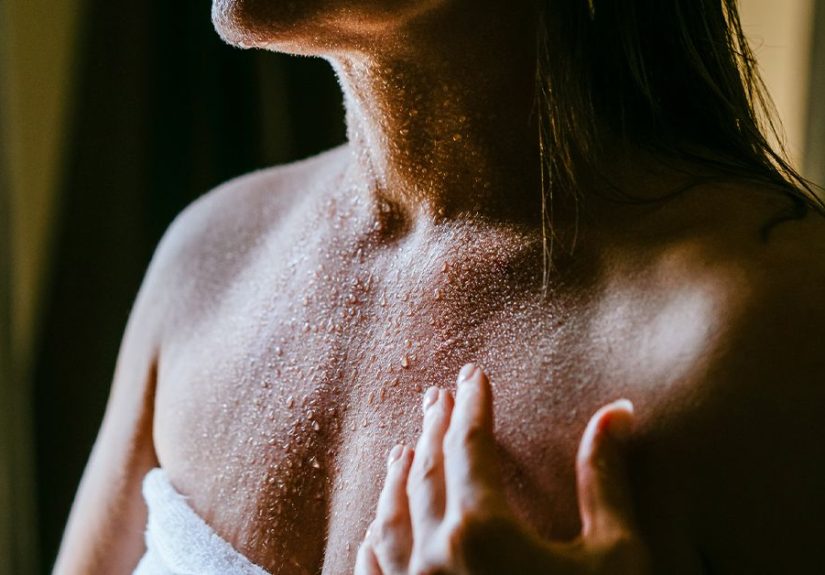
Prickly heat rash happens when sweat gets trapped under the skin because sweat ducts become blocked or irritated. Instead of evaporating like it’s supposed to, sweat backs upleading to bumps, redness, itching, and that signature prickly or stinging sensation. It’s most likely to show up in hot, humid weather or anytime your skin is sweating heavily and not getting enough airflow.
Heat rash can affect anyone, but it’s especially common in babies and young children (their sweat ducts are still developing) and in adults who work, exercise, or travel in warm climates. It also likes places where clothing rubs and sweat lingersthink necklines, underarms, back, chest, groin, and skin folds.
Causes: Why Heat Rash Happens (And Why It Picks the Worst Timing)
The root cause is simple: blocked sweat ducts. The reasons those ducts get blocked are where real life enters the chat.
1) Heat + humidity = sweat that can’t evaporate
In humid air, sweat doesn’t evaporate as efficiently. When sweat sits on the skin (or under it), your sweat ducts can become clogged, inflamed, or overwhelmed. That’s why heat rash is a classic in tropical climates, summer heat waves, and steamy rooms that feel like a sauna with Wi-Fi.
2) Tight, synthetic, or occlusive clothing
Clothes that trap heat and moistureespecially tight waistbands, snug athletic gear, backpacks, or uniform layerscan increase sweating and friction. The combo of heat + rubbing + trapped moisture is basically a VIP invitation for prickly heat.
3) Friction and “sweat pooling” in skin folds
Areas where skin touches skin (or skin stays pressed against fabric) are more likely to develop heat rash. Sweat builds up, airflow decreases, and irritation rises.
4) Heavy creams, ointments, and certain skincare products
Thick, occlusive products can block pores and sweat ductsespecially in hot weather. If your moisturizer is rich enough to butter toast, it might be too heavy for a humid July afternoon.
5) Fever, being bedridden, or limited airflow
Anything that increases sweating or limits coolinglike fever, being under blankets, or sitting in a warm car seatcan raise risk. Babies are particularly prone because they can overheat quickly and their sweat ducts are still maturing.
Symptoms: What Prickly Heat Rash Looks and Feels Like
Prickly heat rash isn’t one-size-fits-all. There are a few main types, and the look depends on how deep the sweat blockage is.
Common signs
- Small bumps (sometimes blister-like)
- Itching, prickling, or stingingoften worse when you sweat again
- Redness or inflammation (may look red on lighter skin tones and darker, grayish, purple, or less obvious on deeper skin tones)
- Rash in hot, covered, or friction-prone areas (neck, chest, back, underarms, groin, waistband area, skin folds)
The main types of heat rash
Miliaria crystallina (the “tiny clear bumps” version)
This is the mildest form. It can look like small, clear, superficial blisters that may break easily. It often isn’t very itchy, but it can look dramaticlike your skin got sprinkled with tiny dew drops.
Miliaria rubra (classic “prickly heat”)
This is the type most people mean when they say prickly heat rash. It often appears as red, inflamed bumps that itch or sting. If you keep sweating, symptoms can intensifybecause your skin is basically saying, “Respectfully, no more.”
Miliaria profunda (deeper, less common)
This is less common and happens with deeper blockage. It may cause firmer bumps and can be associated with reduced sweating in the affected area. It’s more likely to be persistent or recur in people repeatedly exposed to heat.
Diagnosis: How Do You Know It’s Heat Rash?
Most of the time, heat rash is diagnosed by its pattern and timing:
- It shows up after heat, humidity, sweating, or overdressing
- It appears in covered or friction-prone areas
- It improves when the skin cools and dries
In straightforward cases, you don’t need tests. But if the rash is unusual, severe, infected-looking, or not improving, a clinician may check for look-alikes (like folliculitis, contact dermatitis, eczema flares, fungal rashes, or other skin conditions).
Treatments: What Actually Helps (And What Can Make It Worse)
Heat rash usually clears once your skin cools down and sweating decreases. Treatment is mostly about cooling, drying, reducing friction, and calming irritation.
Step 1: Cool down the skin (your #1 move)
- Move to a cooler, less humid area (air conditioning helps)
- Take a cool shower or cool bath
- Use cool compresses for 10–15 minutes at a time
Cooling reduces sweating and inflammationthe two villains of this story.
Step 2: Let your skin breathe
- Wear loose, breathable clothing (cotton and lightweight fabrics are your friends)
- Change out of sweaty clothes quickly
- If possible, keep the area open to air
Step 3: Keep it clean, dry, and gentle
- Wash with mild cleanser (no aggressive scrubbing)
- Pat drydon’t rub like you’re trying to start a campfire
- Avoid heavy oils or ointments that can clog ducts
Step 4: Calm the itch safely
If itching is making you miserable, these options are commonly used:
- OTC 1% hydrocortisone (short-term, small areasfollow label directions)
- Colloidal oatmeal in a cool bath for soothing relief
- An oral antihistamine may help itching for some people (follow package directions; ask a clinician/pharmacist if unsure)
Important: For babies and young children, be extra cautious with medicated creams and “itch fixes.” Cooling, drying, and airflow are usually the safest first steps, and it’s wise to check with a pediatrician before using steroids or other medicated products on young skin.
What to avoid
- Heavy creams, oily ointments, thick sunscreens on the rash (they can trap sweat)
- Scratching (it increases irritation and can lead to infection)
- Overheating again (heat rash loves an encore performance)
People often ask about powders. Some feel that drying powders help reduce moisture, but powders can also irritate lungs if inhaled (especially for babies) and may cake in skin folds. If you consider a powder, use caution, keep it away from faces, and prioritize airflow and cooling first.
How long does it take to go away?
Many cases improve within hours to a few days once the skin cools and stays dry. If you’re still dealing with it after several days of proper cooling and skin careor if it’s getting worseget medical advice.
When to See a Doctor
Heat rash is usually mild, but you should get medical care if you notice:
- Fever, chills, dizziness, nausea, or symptoms of heat illness
- Increasing pain, swelling, warmth, pus, or crusting (possible infection)
- A rash that spreads rapidly or looks very different from typical heat rash
- No improvement after 3–5 days of cooling and gentle care
- Heat rash in a newborn that looks severe or is causing significant discomfort
If you suspect heat exhaustion or heat stroke (confusion, fainting, very high temperature, stopped sweating, severe weakness), that’s urgentseek emergency care.
Prevention: How to Stop Heat Rash Before It Starts
If you’re prone to prickly heat, prevention is mostly about lowering sweat buildup and friction.
Dress for airflow
- Choose loose, breathable fabrics
- Avoid tight waistbands and occlusive layers in hot weather
- Change clothes after sweating
Use smart cooling habits
- Take breaks in shade or air conditioning
- Cool showers after heavy sweating
- Use fans, breathable bedding, and lighter blankets
Go easy on heavy skincare in heat
- Use lighter lotions when it’s hot and humid
- Avoid thick oils on areas that sweat a lot
Baby-specific tips
- Dress babies in light layers
- Keep car seats and strollers cool and well-ventilated
- Change sweaty clothing promptly
Common Mix-Ups: Conditions That Can Look Like Heat Rash
Not every “summer rash” is prickly heat. Consider alternatives if the rash:
- Has a ring-shaped border (possible fungal rash)
- Centers around hair follicles with pustules (possible folliculitis)
- Appears after a new product, detergent, or plant exposure (possible contact dermatitis)
- Comes with significant scaling or chronic flare patterns (possible eczema)
- Is painful with grouped blisters in one area (possible shingles)
If you’re unsure, especially if symptoms are severe or persistent, getting a clinician’s opinion can prevent weeks of guessing games.
Quick FAQs
Is prickly heat rash contagious?
No. Heat rash is caused by trapped sweat, not an infection you can “catch.”
Can adults get heat rash?
Absolutely. Adults can get it during exercise, outdoor work, travel, or any situation involving heat, humidity, and friction.
Does sunscreen cause heat rash?
Sunscreen itself doesn’t “cause” heat rash, but very thick or oily products can trap sweat and make heat rash more likely in hot conditions. Consider lighter, non-greasy formulas when it’s steamy.
What’s the fastest relief?
Cool the skin, reduce sweating, and increase airflow. A cool shower and loose clothing are often the quickest wins.
Real-World Experiences: What Prickly Heat Rash Feels Like in Daily Life (Extra )
People often describe prickly heat rash less like “an itch” and more like “my skin is mildly offended by oxygen.” That stinging, prickling sensation can show up fastsometimes within an hour of sweatingespecially when a hot day meets a tight waistband or a backpack strap. One common scenario: a summer walk turns into a sweaty errand run, and by the time you’re home, your chest or back has tiny bumps that feel weirdly spicy under your shirt. You cool down, the bumps calm down, and you wonder why your skin is so dramatic. (It’s not drama. It’s physics and clogged ducts.)
Another frequent experience is the “vacation surprise.” You travel somewhere humid, you’re outside more than usual, and you’re wearing clothing that’s slightly more fitted because, hey, photos. After a day of heat, sweat, and frictionbooman itchy rash appears along the bra line, underarms, or waistband. The rash often gets worse the moment you start sweating again, which can make it feel like it’s “spreading,” even if it’s just becoming more noticeable in other sweaty spots. The fix that travelers mention most often is boring but effective: air conditioning, a cool shower, and switching into loose, breathable clothes.
For athletes, prickly heat can feel like a penalty you didn’t earn. Think of a long practice in humid weather, then staying in sweaty gear too long. Bumps may show up on the back, shoulders, chest, or anywhere equipment traps heat. People often say the rash feels most intense right after trainingwhen sweat is still coming and fabric is still rubbing. The most helpful habit is changing quickly, rinsing off, and letting the skin dry completely before putting on another layer. It’s not glamorous, but neither is “mystery rash season.”
Parents frequently notice heat rash in babies after car rides, naps, or warm days when a child is dressed a bit too snugly. The rash may show up on the neck, chest, back, or diaper areaplaces where sweat sits and airflow is limited. Caregivers often report that babies seem fussier, not because the rash is dangerous, but because it’s uncomfortable. The biggest improvements usually come from cooling the baby down, keeping the skin dry, and avoiding heavy lotions that can trap moisture.
Workplace heat rash stories are also common: kitchen staff, warehouse workers, landscapers, and anyone in protective gear can develop prickly heat where clothing seals in sweat. People often notice it in skin folds or under straps and uniforms. In these settings, prevention matters as much as treatmentscheduled cooling breaks, breathable base layers when allowed, and quick changes out of damp clothing can make a noticeable difference over a long, hot week.
Conclusion
Prickly heat rash is annoying, uncomfortable, andon the bright sideusually temporary. It happens when sweat gets trapped under the skin, often during hot, humid weather or in areas where friction and tight clothing prevent airflow. The best treatments are simple: cool down, dry out, reduce rubbing, and avoid heavy products that trap heat. If the rash doesn’t improve in a few days, looks infected, or comes with signs of heat illness, get medical guidance. Your skin isn’t trying to ruin your summerit’s just asking for a little less sauna and a little more breeze.