Table of Contents >> Show >> Hide
- What “Raised Panel” Actually Means
- Why Raised Panel Doors Became the Default “Fancy” Choice
- How Raised Panel Cabinet Doors Are Built
- Materials: Solid Wood, MDF, Plywood, and “It Depends”
- Profiles and Details That Change the Whole Personality
- Raised Panel vs. Shaker vs. Slab
- Pros and Cons in Real Kitchen Life
- How to Choose the Right Raised Panel Door for Your Home
- Refacing and Replacement: What to Know Before You Order
- Cleaning and Maintenance Without Losing Your Weekend
- Common Mistakes (And How to Avoid Them)
- Real-World Experiences With Raised Panel Cabinet Doors
- 1) The “Honey Oak Time Capsule” Kitchen (And the Great Paint Debate)
- 2) Cleaning Reality: Beautiful Shadows, Sneaky Grease
- 3) The “Transitional Compromise” That Actually Works
- 4) Seasonal Changes and the “Is My Cabinet Door Broken?” Moment
- 5) The “We Swapped Hardware and It Looked Like a Remodel” Surprise
- Conclusion
Raised panel cabinet doors are the little black dress of “traditional kitchen” design: they’ve been around forever,
they make almost everything look more polished, and they have a talent for catching the light in a way that says,
“Yes, I do have my life together,” even if the junk drawer is a chaotic neutral zone.
If you’re remodeling, refacing, or just trying to understand why one cabinet door looks “flat” while another looks
like it has cheekbones, you’re in the right place. We’ll break down what raised panel doors are, how they’re built,
why they cost more than simpler styles, and how to choose the right profile and finish for your spacewithout
turning your kitchen into a museum of dust-collecting grooves.
What “Raised Panel” Actually Means
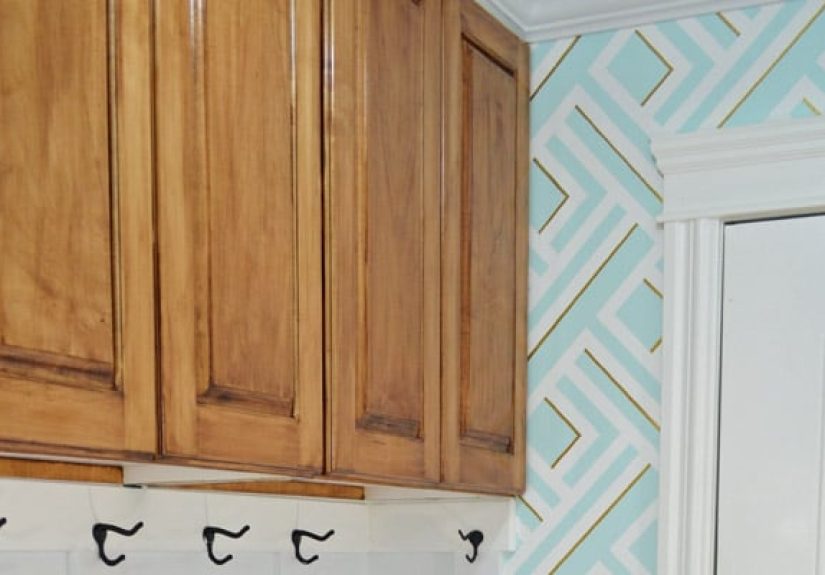
A raised panel cabinet door is a frame-and-panel door: the outer frame is made from four pieces
(two vertical stiles and two horizontal rails), and the center panel is shaped so it sits
proud of the surrounding frame. Instead of a flat center, the panel is “raised” by cutting an angled or curved
profile that slopes back toward the frame.
That raised center creates depth, shadow lines, and dimensionthree design ingredients that make cabinetry feel more
traditional, formal, and “built-in.” It’s also why raised panel doors tend to look especially at home in classic
styles like Colonial, Craftsman-leaning traditional, Tuscan-inspired kitchens, and many transitional spaces that want
warmth without going full “grandma’s formal dining room.”
Why Raised Panel Doors Became the Default “Fancy” Choice
Raised panel doors are popular because they add visual interest without needing extra décor. Light hits the beveled
or curved panel and creates subtle contrast, which can make even a simple kitchen look layered and intentional.
Historically, the style has been associated with traditional cabinetry and more ornate interiors, so homeowners often
reach for raised panel when they want “classic” rather than “contemporary.”
They also play nicely with a wide range of finishes. In stain-grade wood, the panel shape highlights grain and
craftsmanship. In paint, it offers texture and depththough it also offers more corners for crumbs to audition for a
long-term lease.
How Raised Panel Cabinet Doors Are Built
Most raised panel cabinet doors are built as frame-and-panel doors for a practical reason: wood moves.
Solid wood expands and contracts with seasonal humidity changes. A single, solid slab door would be more likely to
warp or crack over time. Frame-and-panel construction helps manage that movement by allowing the center panel to
“float” inside a groove in the frame.
Cope-and-Stick vs. Mortise-and-Tenon
There are two common ways the frame is joined:
-
Cope-and-stick joinery: The inside edges of the rails and stiles are shaped with matching profiles
that interlock. This is extremely common for cabinet doors because it’s efficient and repeatable for production. -
Mortise-and-tenon (or similar strong joinery): Often used in higher-end or heavier doors for added
strength. You’ll also see variations like loose tenons and dowel-based joinery in some shops.
The “Floating Panel” Detail That Saves Doors From Splitting
The center panel typically sits in a groove around the inside of the frame. With solid wood panels, the panel is
usually not glued along the edgesbecause that would restrict movement and can lead to cracking or splitting.
Many builders use small spacers or “space balls” to keep the panel centered while still allowing seasonal expansion.
A fun side effect: in very dry seasons, some doors can develop a tiny panel rattle. It’s not your kitchen being
haunted; it’s just wood being wood.
Materials: Solid Wood, MDF, Plywood, and “It Depends”
Raised panel doors can be made from different materials, and your best choice depends on budget, finish, and the
level of durability you want.
Solid Wood (Great for Stain, Good for Paint With Prep)
Solid wood doors are often chosen for stain-grade cabinetry because the grain is the star of the show. Common species
include maple (tight grain), oak (strong grain), cherry (warms with age), and alder (softer, rustic-friendly).
Solid wood can also be painted beautifully, but it requires careful prep to reduce visible grain texture and seasonal
movement lines.
MDF Center Panels (Paint’s Best Friend)
Many painted raised panel doors use a solid wood frame with an MDF center panel. MDF is stable, smooth, and less
likely to telegraph seasonal movement through the paint finish. That’s why it’s a go-to in painted kitchens where a
sleek, consistent look matters.
Plywood or Veneered Panels (Stable and Practical)
Some doors use plywood cores with veneer for stability. This can be helpful in more humid climates or for homeowners
who want a wood look with less risk of movement-related issues.
Profiles and Details That Change the Whole Personality
“Raised panel” isn’t one lookit’s a family of looks. The panel’s profile (the shape cut into it) and the inside
frame edge detail determine whether your doors read as classic, ornate, farmhouse-traditional, or quietly upscale.
Common Raised Panel Profiles
- Square/stepped: Cleaner and more transitional. Less “fancy,” more “tailored.”
- Ogee: A classic S-curve profile that leans traditional and decorative.
- Cove or bevel: A softer slope that adds dimension without heavy ornament.
- Beaded details: Adds a small rounded bead line for extra texturegreat in traditional and cottage-leaning designs.
- Arched or cathedral panels: A raised panel with a curved top shape, often seen in older or more formal kitchens.
Design tip: if your kitchen is small or lacks strong natural light, a heavily ornate raised panel can feel busy.
Choosing a simpler raised profile (or a narrower frame) keeps the dimension without visual clutter.
Raised Panel vs. Shaker vs. Slab
If cabinet doors had a high school yearbook, raised panel would be “Most Likely to Host a Dinner Party.” Shaker would
be “Most Likely to Be Everyone’s Friend.” Slab would be “Most Likely to Start a Minimalist Skincare brand.”
Raised Panel
- Look: Traditional, dimensional, formal to transitional
- Best for: Classic homes, warm wood kitchens, statement cabinetry
- Watch-outs: More details to clean; typically higher cost
Shaker (Recessed/Flat Center With Frame)
- Look: Simple, versatile, timeless
- Best for: Modern, farmhouse, transitional, “safe-but-stylish” remodels
- Watch-outs: Still has a frame ledge that can catch dust
Slab (Flat, One-Piece Look)
- Look: Modern, sleek, minimal
- Best for: Contemporary kitchens, high-contrast design, handleless styles
- Watch-outs: Can show fingerprints more; quality varies widely by material
Pros and Cons in Real Kitchen Life
Pros
- Classic depth and character: The profiles create shadow lines that add instant “custom” energy.
- Works with many finishes: Great in stain for warmth; great in paint for dimension.
- Pairs well with traditional details: Crown molding, furniture-style islands, and decorative hardware.
Cons
- More cleaning: The grooves and bevels can collect grease and dust (especially near the cooktop).
- Often higher cost: More machining and detailing typically means a higher price than flat or simpler doors.
- Style commitment: Very ornate profiles can feel dated faster than simpler, transitional versions.
How to Choose the Right Raised Panel Door for Your Home
Match the Door Profile to the Architecture
A raised panel door can look perfect in a traditional homeand oddly formal in a super-modern loft. If your house has
classic trim profiles, paneled interior doors, or detailed millwork, raised panel cabinetry often feels cohesive.
If your home is modern, consider a simpler raised profile with crisp lines (or use raised panel only on a feature
area, like an island, and keep perimeter cabinets simpler).
Consider the Finish Before You Choose the Detail
If you’re going with paint, a simpler profile can look more “updated” and less busy. If you’re going with stain,
raised panel can be the perfect way to show off wood characterespecially when paired with warm hardware finishes
like brushed brass, bronze, or black.
Think About Light (And Your Relationship With Dusting)
Raised panel doors look their best when light can create soft highlights and shadows. Under-cabinet lighting, window
light, and warm overhead lighting all help. If you hate cleaning details, choose a profile with fewer crevices, or
reserve raised panel doors for upper cabinets away from the mess zone.
Refacing and Replacement: What to Know Before You Order
Raised panel doors are a popular choice for cabinet refacing because you can dramatically change the style of a
kitchen without moving plumbing, electrical, or the cabinet boxes themselves.
Overlay vs. Inset Matters
Cabinet doors aren’t just about the facethey’re about how they sit on the cabinet box:
- Full overlay: Doors cover most of the cabinet face frame for a more modern look.
- Partial overlay: Leaves more frame visible; common in older kitchens.
- Inset: Doors sit flush inside the frame; very tailored but requires precision and often costs more.
If you’re replacing doors, match the overlay/inset style unless you’re also changing hinges and possibly modifying
the cabinet frames.
Cleaning and Maintenance Without Losing Your Weekend
- Weekly: Wipe with a soft cloth and mild cleaner (avoid harsh abrasives that can dull finishes).
- Monthly: Degrease areas near the stove and range hoodraised profiles love to collect cooking residue.
- Annually: Tighten hinges, check door alignment, and touch up dings before they become “character.”
For painted raised panels, a gentle approach is bestscrubbing deep into corners with aggressive pads can burnish the
paint sheen unevenly. Translation: your cabinets may end up with a “highlight” you didn’t ask for.
Common Mistakes (And How to Avoid Them)
-
Going too ornate in a small kitchen: Heavy profiles can make a tight space feel busy.
Choose a simpler raised panel or narrower frame. -
Mismatching door style and hardware: Ultra-modern bar pulls can fight with ornate raised panels.
Consider classic knobs, cup pulls, or traditional pulls with softer lines. -
Ignoring lighting: Raised panel doors shine when lighting is good. Plan for under-cabinet lighting
if your kitchen is dim. -
Expecting “no texture” from stained wood: Wood grain is part of the charm. If you want smooth,
consider painted MDF panels or a tighter-grain species like maple.
Real-World Experiences With Raised Panel Cabinet Doors
Because cabinet doors live where real life happensmorning coffee spills, spaghetti sauce splatters, and the
occasional “Who put a magnet on the fridge and missed?”the most helpful insights often come from how raised panel
doors behave in everyday homes. Here are a few common scenarios homeowners run into when they choose (or inherit)
raised panel cabinetry.
1) The “Honey Oak Time Capsule” Kitchen (And the Great Paint Debate)
One of the most common raised panel experiences is walking into a 1990s or early-2000s kitchen filled with warm
honey-oak doors, arched panels, and shiny brass knobs. The cabinets are often solid and functional, but the vibe
screams “I once owned a floral wallpaper border.” Homeowners in this situation typically face the same fork in the
road: embrace the wood or paint it.
Painting raised panels can be transformativeespecially in soft whites, warm greiges, or deep colors like navy or
forest green. The raised profile gives painted cabinetry depth, so it doesn’t look flat or “builder basic.” The
challenge is patience: raised panels have edges and corners that require careful prep and consistent coverage, or you
can end up with thin-looking paint near the bevels. Many homeowners say the best payoff comes when they pair freshly
painted raised panels with updated hardware (matte black, champagne bronze, or brushed nickel) and improved lighting.
Suddenly the kitchen reads “classic” instead of “dated.”
2) Cleaning Reality: Beautiful Shadows, Sneaky Grease
Raised panel doors can look immaculate from across the roomthose shadow lines are doing their job. Up close, the
same profiles can quietly collect grease near the stove, dust on upper cabinets, and the occasional mysterious
smudge at toddler height (which is somehow always exactly where your eyes land). Homeowners often describe a simple
rhythm: a quick weekly wipe for the flats, then a deeper monthly pass to get into the grooves around high-use zones.
The good news is that raised panel doors also hide minor imperfections better than slab doors. A tiny scuff or
fingerprint is less obvious on a door with dimension than on a perfectly flat surface that reflects light like a
mirror. In other words, raised panels are forgivingjust not in the “behind the handle where the grime gathers”
area.
3) The “Transitional Compromise” That Actually Works
Another common experience shows up when two people share one kitchen vision: one wants modern simplicity, the other
wants traditional warmth. Raised panel doors can be a surprisingly good peace treaty if you choose the right version.
Homeowners often land on a simpler raised profile (less ornate than ogee-heavy doors) and a clean,
timeless paint color. This creates a transitional look that feels classic without feeling fussy.
A popular approach is mixing: raised panel on perimeter cabinets to complement traditional trim, and a simpler door
(like Shaker) on the island for a lighter, updated feel. The key is consistency in finish and hardware so the mix
looks intentional rather than accidental.
4) Seasonal Changes and the “Is My Cabinet Door Broken?” Moment
In climates with noticeable humidity swings, some homeowners notice small seasonal changes. A panel might develop a
faint line where paint meets wood movement, or you might hear a subtle rattle if the panel shrinks slightly in a dry
season. This is often normal for frame-and-panel constructionwood responds to the environment. Most of the time,
it’s not a defect; it’s a reminder that your cabinets are made from a living material that still has opinions about
the weather.
The most successful long-term experiences come from setting expectations: raised panel doors are durable and classic,
but they’re not plastic. They age like wood agesusually gracefully, sometimes with a little personality.
5) The “We Swapped Hardware and It Looked Like a Remodel” Surprise
Homeowners also commonly report that raised panel doors respond dramatically to small changes. Because the doors
already have depth, the right hardware can elevate them quickly. Swapping shiny knobs for modern pulls, adding
soft-close hinges, and improving lighting can make existing raised panels feel updated without a full renovation.
It’s one of those rare home upgrades that feels like cheating (the good kind).
Put simply: raised panel cabinet doors aren’t just a style choice; they’re a day-to-day experience. Choose the
profile and finish that match how you live, and you’ll get the best version of what raised panels do bestwarmth,
depth, and a timeless “built-in” look that keeps your kitchen feeling like home.
Conclusion
Raised panel cabinet doors are a classic for a reason: they add dimension, craftsmanship, and warmthespecially in
traditional and transitional kitchens. The trick is choosing the right level of detail for your space, pairing it
with the right finish and hardware, and accepting that a door with beautiful grooves may occasionally demand a little
extra attention. (Think of it as the cabinetry equivalent of having a white couch: gorgeous, but it knows when you’re
eating spaghetti.)