Table of Contents >> Show >> Hide
- What Is Glomerular Filtration Rate (GFR)?
- GFR vs. eGFR vs. Creatinine Clearance: What’s the Difference?
- How Is a GFR Test Done?
- What Is a Normal GFR?
- GFR Levels and Chronic Kidney Disease Stages
- Why Your GFR May Be Lower Than Expected
- Symptoms of Low GFR or Kidney Disease
- What Happens After an Abnormal GFR Result?
- How to Help Protect Your Kidney Function
- Common Questions About GFR
- Real-Life Experiences With GFR Testing and Kidney Numbers
- Final Thoughts
If you have ever stared at a lab report and thought, “Why is my kidney number trying to look mysterious?” you are not alone. One of the most important numbers on a kidney-related blood test is the glomerular filtration rate, usually shown as GFR or more often eGFR. It sounds technical because, well, it is. But the idea behind it is refreshingly simple: this number helps show how well your kidneys are filtering waste, extra fluid, and toxins from your blood.
The catch is that GFR is not a scorecard you should read in isolation. A “normal” result depends on age, health history, and whether your urine test shows albumin, a protein that can leak into urine when the kidneys are damaged. That means a slightly lower number is not always a reason to panic, and a “normal-ish” number is not always a reason to ignore the rest of the picture. Kidney health likes context. It is annoyingly wise like that.
In this guide, we will break down what glomerular filtration rate means, how GFR tests work, what ranges are considered normal, when a low eGFR may signal chronic kidney disease, and what real patients often experience when this number shows up on routine lab work. If you want a practical, readable explanation without sounding like you swallowed a medical dictionary, you are in the right place.
What Is Glomerular Filtration Rate (GFR)?
Glomerular filtration rate is a measure of how much blood your kidneys filter each minute. Inside your kidneys are tiny filtering units called glomeruli. Think of them as very hardworking microscopic coffee filters, except they are filtering your blood instead of your morning survival brew.
When your kidneys are functioning well, they remove waste products and extra fluid while keeping important substances your body still needs. GFR is one of the best overall indicators of kidney function. In clinical practice, healthcare professionals usually look at estimated GFR, or eGFR, because directly measuring true GFR is much more complicated.
That matters because kidney disease can be sneaky. Many people in the early stages have no obvious symptoms at all. A declining GFR may show up on a routine blood test long before someone feels sick, swollen, nauseated, exhausted, or noticeably unwell. In other words, your lab report may know your kidneys are under stress before you do.
GFR vs. eGFR vs. Creatinine Clearance: What’s the Difference?
eGFR
eGFR is the number most people see on standard lab results. It is usually calculated using a blood creatinine level along with factors such as age and sex. Many labs now use a race-free CKD-EPI equation, which has become the preferred modern approach in adults.
Serum Creatinine
Creatinine is a waste product produced through normal muscle activity. Healthy kidneys remove it from the blood. When kidney function drops, creatinine can rise. But creatinine alone does not tell the whole story because levels can also be influenced by muscle mass, diet, activity, and body size. That is why eGFR is generally more informative than creatinine alone.
Creatinine Clearance
Creatinine clearance uses both blood and urine measurements, often involving a 24-hour urine collection. It can still be useful in special situations, but for most adults, eGFR is the more common and practical tool.
Cystatin C
Sometimes clinicians use cystatin C, another blood marker, to calculate kidney function. This can help when creatinine-based estimates may be less accurate, such as in older adults, people with unusually high muscle mass, or situations where a borderline result needs confirmation. When creatinine and cystatin C are used together, the estimate can be more precise.
How Is a GFR Test Done?
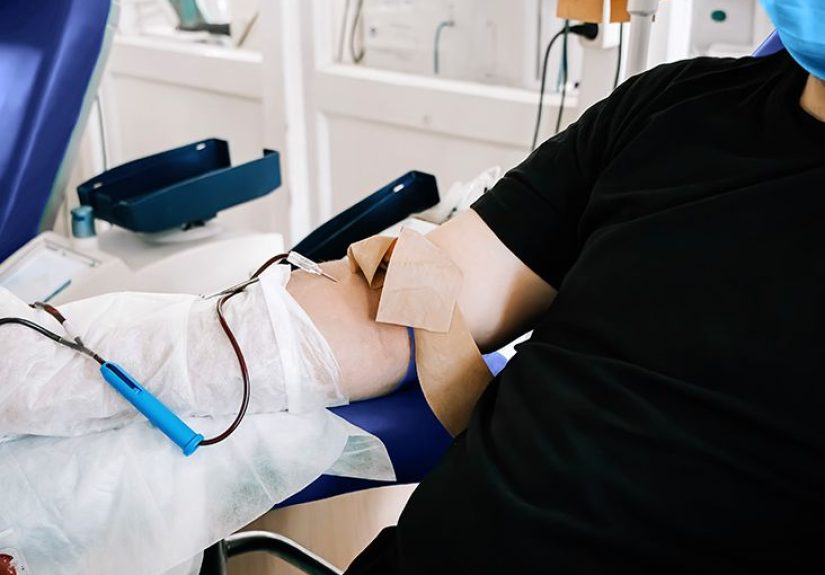
For most people, a GFR test is not a separate dramatic event. It is usually part of routine blood work. A healthcare professional draws a small blood sample from your arm, the lab measures creatinine, and then your eGFR is calculated.
You may need a kidney function test if you:
- Have diabetes
- Have high blood pressure
- Have heart disease
- Have a family history of kidney disease
- Are over age 50
- Smoke or have obesity
- Take medications that can affect the kidneys
- Have symptoms such as swelling, changes in urination, fatigue, itching, or nausea
Just as important, clinicians often order a urine albumin-to-creatinine ratio (UACR) along with eGFR. This helps show whether protein is leaking into the urine. That pairing matters because a GFR number and a urine albumin result together provide a fuller picture of kidney health than either test alone.
What Is a Normal GFR?
This is the question everyone wants answered fast. Fair enough.
In general, a normal eGFR in adults is often 90 or higher. Many healthy young adults fall in the range of about 90 to 120 mL/min/1.73 m². But here is the nuance: GFR naturally declines with age, even in people who do not have chronic kidney disease. So a lower number in an older adult may not mean the same thing it would in a 25-year-old.
Average Adult eGFR by Age
Typical averages decline over time. For example, commonly cited average eGFR values are roughly:
- 20s: around 116
- 30s: around 107
- 40s: around 99
- 50s: around 93
- 60s: around 85
- 70 and older: around 75
That does not mean every person should match those numbers perfectly. It means age matters, and your result should be interpreted in context.
When Is GFR Considered Low?
As a broad rule:
- 90 or higher: Usually normal, especially if urine albumin is normal
- 60 to 89: May be normal for some adults, but may also suggest early kidney disease if there is albuminuria or other evidence of kidney damage
- Below 60: May indicate kidney disease
- 15 or lower: May indicate kidney failure
One important detail gets missed all the time: chronic kidney disease is usually not diagnosed from a single low eGFR result alone. The abnormality generally needs to persist for more than three months, or there must be ongoing signs of kidney damage such as albumin in the urine.
GFR Levels and Chronic Kidney Disease Stages
Kidney disease is commonly staged using eGFR levels plus the degree of albumin in the urine. The usual eGFR categories are:
Stage 1 CKD
eGFR 90 or above, but with signs of kidney damage such as albuminuria or abnormal imaging. In other words, the filtering number looks fine, but the kidneys may still be injured.
Stage 2 CKD
eGFR 60 to 89 with evidence of kidney damage. This stage can still be quite quiet and easy to miss.
Stage 3a CKD
eGFR 45 to 59. Kidney function is mildly to moderately reduced.
Stage 3b CKD
eGFR 30 to 44. Kidney function is moderately to severely reduced.
Stage 4 CKD
eGFR 15 to 29. This is severe loss of kidney function and often requires closer specialist care.
Stage 5 CKD
eGFR below 15. This is kidney failure and may require dialysis, transplant evaluation, or other advanced treatment planning.
The key takeaway is simple: lower GFR usually means lower kidney function, but staging is more accurate when your provider also looks at albuminuria, trends over time, underlying causes, and symptoms.
Why Your GFR May Be Lower Than Expected
A low glomerular filtration rate does not point to just one problem. It can happen for many reasons, including:
- Diabetes
- High blood pressure
- Dehydration
- Reduced blood flow to the kidneys
- Obstruction in the urinary tract
- Inflammation or damage to the kidney filters
- Certain medications
- Heart or liver disease that affects circulation
Also, not every low-looking number means true chronic kidney disease. A person with very high muscle mass may have a higher creatinine level that pushes the creatinine-based eGFR lower than expected. An older adult may have a mildly reduced eGFR that reflects aging more than active disease. This is where repeat testing, urine albumin testing, and sometimes cystatin C become useful.
Symptoms of Low GFR or Kidney Disease
Early kidney disease often has few or no symptoms. That is one reason regular testing matters for people at higher risk. As kidney disease progresses, symptoms may include:
- Swelling in the feet, ankles, hands, or face
- Changes in urination frequency
- Dry or itchy skin
- Fatigue
- Muscle cramps
- Nausea or vomiting
- Poor appetite
- Shortness of breath in more advanced disease
If your eGFR is very low, or if you have symptoms plus abnormal kidney tests, prompt follow-up matters. Kidneys do not usually send calendar invites before trouble escalates.
What Happens After an Abnormal GFR Result?
If your lab report shows a lower-than-normal eGFR, the next step is usually not immediate panic. It is usually clarification. Your provider may:
- Repeat the blood test
- Order a UACR or other urine protein test
- Review medications and supplements
- Check blood pressure and blood sugar control
- Consider cystatin C for confirmation
- Look at trends over time rather than one isolated number
- Refer you to a nephrologist if the result is significantly abnormal or worsening
This matters because kidney disease is diagnosed and managed over time, not from one lonely lab value having a dramatic moment.
How to Help Protect Your Kidney Function
If you have a borderline or reduced GFR, the goal is usually to slow further decline. Depending on the cause, your clinician may recommend:
- Controlling blood pressure
- Managing diabetes carefully
- Reducing excess sodium in the diet
- Stopping smoking
- Maintaining a healthy weight
- Reviewing over-the-counter pain relievers and other medicines
- Following your treatment plan consistently
- Getting repeat kidney tests on schedule
Some people may also be prescribed medications that help protect kidney function depending on their condition, including certain blood pressure medicines or diabetes-related therapies. The right plan depends on the underlying cause, not just the number itself.
Common Questions About GFR
Is an eGFR of 60 normal?
It can be borderline. In some older adults, an eGFR around 60 may not automatically mean chronic kidney disease. But if it persists, or if urine albumin is elevated, it deserves medical follow-up.
Can you have kidney disease with an eGFR above 90?
Yes. If you have albumin in the urine or other signs of kidney damage, kidney disease can still be present even when eGFR is 90 or higher.
Can dehydration lower GFR?
Yes. Temporary dehydration can reduce kidney blood flow and affect lab values. That is one reason providers sometimes repeat testing before making a long-term conclusion.
Is a single low eGFR enough to diagnose CKD?
Usually no. Chronic kidney disease generally requires abnormalities that last more than three months or persistent markers of kidney damage.
Why would a doctor order cystatin C?
To get a clearer estimate when creatinine-based eGFR may be misleading or when a borderline result needs confirmation.
Real-Life Experiences With GFR Testing and Kidney Numbers
The most common experience people have with GFR testing is surprisingly ordinary: they are not even looking for kidney trouble. A routine annual physical, a diabetes visit, or blood work before starting a new medication comes back with a note that says “eGFR low” or “creatinine elevated.” Suddenly, a person who felt perfectly fine is googling kidney anatomy at midnight and wondering whether they should say goodbye to potato chips forever.
One common scenario is the person with diabetes or high blood pressure whose eGFR drifts down gradually over time. Their first reaction is often confusion because they feel normal. That makes sense. Early kidney disease frequently causes no symptoms. In real clinical life, these patients often learn that the number itself matters, but the trend matters even more. If the eGFR drops from the 80s to the 60s and urine albumin starts to rise, that pattern may be far more useful than any one test result by itself. Their experience is less about one shocking diagnosis and more about a long-term wake-up call: blood pressure, blood sugar, sodium, and medication choices suddenly become a lot more important.
Another common experience involves older adults. A 72-year-old may see an eGFR in the 60s or 70s and assume something catastrophic is happening. Often, the conversation with the doctor is more nuanced. Kidney function tends to decline with age, so a mildly lower number may not carry the same meaning it would in a younger adult. If urine albumin is normal and the value is stable, the message may be “watch it, don’t fear it.” For many patients, that explanation is a huge relief. It turns a scary-looking lab value into something manageable and understandable.
Then there is the very active person with a lot of muscle mass. This person may have a creatinine level that makes the automated eGFR look worse than expected. They feel great, exercise regularly, and have no kidney symptoms, yet the lab result looks grumpy. In some cases, clinicians order cystatin C or additional testing to get a more accurate estimate. The experience here is a good reminder that lab formulas are helpful, but they are still formulas. Human bodies enjoy being slightly more complicated than spreadsheets.
Some experiences are more urgent. A person preparing for imaging, chemotherapy, or surgery may need kidney testing because medication dosing or contrast use depends on kidney function. For them, GFR is not an abstract health metric. It helps guide immediate treatment decisions. A lower number may change which drugs are used, how much is given, or how closely the kidneys are monitored afterward.
Perhaps the most important real-world experience is emotional: people often feel alarmed when they first see a low eGFR. That reaction is understandable. But the most helpful next step is usually not panic. It is follow-up. Ask whether the test should be repeated. Ask for a urine albumin test. Ask whether dehydration, medications, muscle mass, or temporary illness could have affected the result. Ask what the trend has looked like over time. In many cases, those questions turn fear into a practical action plan, which is a much better use of everyone’s blood pressure.
Final Thoughts
Glomerular filtration rate (GFR) is one of the clearest windows into how well your kidneys are working, but it is not a stand-alone verdict. A truly useful interpretation looks at eGFR levels, urine albumin, symptoms, risk factors, and whether the results persist over time. In general, a higher number reflects better kidney filtration, a value under 60 deserves attention, and a value of 15 or lower may indicate kidney failure. But normal aging, muscle mass, hydration, and other factors can influence the number.
If there is one takeaway worth remembering, it is this: know your kidney numbers, but do not read them alone. The smartest way to understand GFR is in context, with your healthcare provider, and with follow-up when needed. Your kidneys work hard every day without applause. The least we can do is read their report card correctly.