Table of Contents >> Show >> Hide
- What Trompe l'Oeil Wallpaper Actually Is
- Why It Feels Like Instant Architecture
- Where Trompe l'Oeil Wallpaper Works Best
- How to Choose the Right Trompe l'Oeil Pattern
- Peel-and-Stick or Traditional?
- Common Mistakes That Ruin the Illusion
- Smart Styling Ideas That Make It Work Harder
- Living With the Illusion: Real Experiences With Trompe l'Oeil Wallpaper
- Conclusion
- SEO Tags
Trompe l’oeil wallpaper is the interior design equivalent of showing up to a casual brunch wearing a fabulous coat: it changes the whole mood immediately. One wall goes from plain drywall to “old-money library,” “Paris apartment,” “tailored paneling,” or “stone-clad vestibule” without a contractor hauling lumber through your hallway. That is the magic of this style. It tricks the eye, yes, but it also gives a room something many newer homes quietly crave: architecture, character, and a little bit of theater.
For anyone who has ever stared at a boring box of a room and thought, This place could use a cornice, some paneling, a dramatic niche, and perhaps a small miracle, trompe l’oeil wallpaper is the closest thing to instant gratification that decorating allows. It can mimic carved molding, weathered plaster, library shelves, draped fabric, marble blocks, wood paneling, or even the rhythm of classical wall panels. In a world where renovation budgets evaporate faster than your weekend, that is a very attractive proposition.
This is not about fake-looking décor that screams “nice try.” The best trompe l’oeil wallpaper works because it understands scale, shadow, proportion, and placement. It adds depth where there is none, structure where there is little, and drama where the room has been stubbornly acting like an intern instead of the CEO. Used well, it can make a powder room feel like a jewel box, an entryway feel collected, and a bedroom feel wrapped in softness and intention.
What Trompe l’Oeil Wallpaper Actually Is
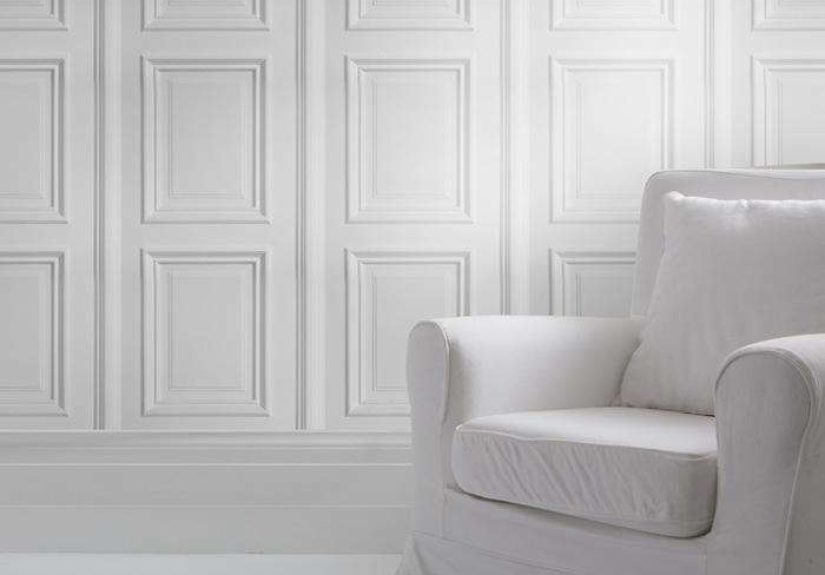
The phrase trompe l’oeil literally means “deceive the eye,” and that is exactly the point. Instead of presenting a flat pattern as a flat pattern, this kind of wallcovering creates the illusion of something dimensional or architectural. Think wallpaper that looks like coffered panels, fluted pilasters, linen drapery, cracked plaster, aged wood planks, bookcases, or stone blocks. You are not simply decorating a wall; you are asking the wall to cosplay as a much more expensive wall.
That is why the trend keeps resurfacing in design conversations. People want rooms to feel finished. They want depth, texture, and visual memory. But they do not always want the mess, cost, permanence, or timeline of real paneling, masonry, or decorative plaster. Trompe l’oeil wallpaper lands right in that sweet spot between fantasy and practicality.
Why It Feels Like Instant Architecture
It creates structure without construction
A room with flat drywall can feel visually unfinished, especially in newer builds or rentals. Trompe l’oeil wallpaper can introduce the illusion of millwork, molding, borders, framed panels, or even built-in features. Suddenly the wall has rhythm. It has order. It has a point of view. And best of all, nobody had to spend three weekends learning how to use a miter saw.
It borrows the glamour of real materials
There is a reason faux plaster, stone, wood, and textile looks are so compelling: they suggest age, craftsmanship, and material richness. A wallpaper that mimics limewash, limestone blocks, tufted upholstery, or antique paneling can give a room a collected, layered feel. The right print can soften a hard modern room or add seriousness to a space that feels a little too cheerful for its own good.
It can change how a room feels proportionally
Vertical motifs can nudge the eye upward and make ceilings feel taller. Framed panel designs can make blank walls feel more intentional. All-over faux textures can blur hard edges and add depth, especially when the lighting is good. A small room can feel more immersive, while a large room can feel more intimate and tailored. In other words, the wallpaper is not just decorative; it is quietly doing spatial math.
Where Trompe l’Oeil Wallpaper Works Best
Entryways and hallways
These transitional spaces often have the least architecture and the most missed opportunity. A faux stone or paneled paper can make an entry feel grander within about five minutes of someone stepping through the front door. Hallways also benefit from repetitive, structured patterns because they visually organize long, narrow proportions. It is like giving your corridor a backbone and a better personality.
Powder rooms
If there is one room that practically begs for drama, it is the powder room. Trompe l’oeil wallpaper can turn a tiny half bath into a miniature stage set. Because the room is small, you can afford to go bolder: faux marble blocks, draped fabric effects, ornate panels, or aged plaster patterns all feel more intentional in a compact space. It is the decorating version of wearing sequins to a dinner party and somehow pulling it off beautifully.
Bedrooms
In bedrooms, softer illusion matters. Upholstered or tufted effects, panel motifs, faded plaster, and textile-inspired prints can make the room feel cocooning rather than busy. A trompe l’oeil paper behind the bed can work as a headboard substitute, architectural backdrop, or quiet luxury move that says, “I own linen sheets and maybe a very nice hand cream.”
Dining rooms and libraries
This is where mood can deepen. Faux paneling, bookcase-inspired motifs, or richly shadowed designs feel formal in the best way. These rooms already support a little drama, so the wallpaper does not need to apologize for itself. It can be atmospheric, layered, and slightly theatrical without tipping into theme-park territory.
Rentals and budget makeovers
When real moldings or built-ins are not an option, removable trompe l’oeil wallpaper becomes a design loophole. You get the visual payoff of architectural detail without crossing into landlord-hostile behavior. That alone makes it one of the smartest tools in the renter decorating universe.
How to Choose the Right Trompe l’Oeil Pattern
Match the illusion to the room’s actual scale
A massive faux panel in a tiny vestibule can feel a little like wearing shoulder pads the size of dinner plates. Scale matters. Large motifs need room to breathe, while smaller spaces often do better with finer textures, slimmer stripes, narrower panel repeats, or softer shadow lines. The illusion should flatter the room, not dominate it like an overly enthusiastic guest.
Consider the light
Trompe l’oeil lives and dies by shadow. A pattern that mimics depth needs decent lighting to read correctly. In dim rooms, overly dark or hyper-detailed designs can muddy the effect. In bright rooms, subtle plaster or textile illusions can look beautifully nuanced. Always test a sample in morning light, afternoon light, and nighttime lamp light. Walls are moody, and they deserve to be auditioned properly.
Think about finish and realism
Some papers are playful and obviously stylized. Others aim for realism. Neither is wrong. The trick is choosing a level of illusion that matches your home. In a crisp modern apartment, a soft faux plaster or graphic panel effect often feels smarter than a hyper-rustic barnwood print. In a traditional house, a wallpaper that mimics old paneling, drapery, or decorative borders can feel seamless and charming.
Use samples like your sanity depends on it
Because it kind of does. Samples help you judge color, scale, sheen, edge contrast, and how convincing the illusion feels from different distances. What looks delicious online can look oddly cafeteria-adjacent on your actual wall. Better to find that out with a sample than with twelve full rolls and a deep sense of regret.
Peel-and-Stick or Traditional?
This decision is less about morality and more about the wall in question. Peel-and-stick wallpaper is a favorite for renters, short-term makeovers, and brave souls who like a lower-commitment decorating relationship. It is generally easiest on smooth, clean, well-prepped walls, especially those painted in finishes that allow better adhesion. Traditional paste-the-wall options can be the stronger choice for lightly textured walls, longer-term installs, and rooms that deal with more humidity.
If your wall is rough, dusty, newly painted, or living its best swampy-bathroom life, do not assume peel-and-stick will save the day. Prep matters. Surface matters. Humidity matters. This is not wallpaper being dramatic; it is physics being annoyingly consistent.
Common Mistakes That Ruin the Illusion
Ignoring wall prep
A trompe l’oeil design depends on clean lines and believable continuity. If the wall is bumpy, dirty, or patched like a last-minute school project, every flaw will show through. The better the wall prep, the more convincing the illusion.
Stretching the material during installation
Nothing breaks the spell faster than mismatched seams. If the pattern warps during application, faux panels become wonky panels, faux stone turns into melting stone, and everyone loses. Take your time, align carefully, and do not tug the material like you are trying to win an arm-wrestling match with it.
Overcomplicating the rest of the room
Trompe l’oeil wallpaper already brings a lot of visual information. Let it be the star. Furniture, lighting, and accessories should support the illusion, not compete with it in a loud group chat of unrelated design ideas. A few strong shapes, good materials, and edited styling usually win.
Choosing a fake look that fights the house
The goal is not to fool everyone into thinking your wall is carved stone from a Tuscan monastery. The goal is to create an atmosphere that feels convincing enough to be enjoyable. The illusion should feel in conversation with the house, not like it was beamed in from another decorating dimension.
Smart Styling Ideas That Make It Work Harder
Use trompe l’oeil wallpaper inside actual molding for a polished, framed effect. Paper the back of bookshelves or built-ins to add depth without coating the whole room. Wrap a ceiling in a subtle illusion if the walls are simple. Try a stair nook, mudroom corner, or landing where the visual surprise feels intentional. In small bathrooms, go either light and airy or deeply moody, but commit. Half measures often make statement wallpaper feel apologetic.
One of the most effective moves is pairing the wallpaper with one real architectural gesture, even a modest one. A crisp chair rail, painted trim, picture ledge, or vintage-style sconce can help the wallpaper’s illusion feel more rooted and believable. Give the paper one real friend, and it performs even better.
Living With the Illusion: Real Experiences With Trompe l’Oeil Wallpaper
The most interesting thing about trompe l’oeil wallpaper is that the experience changes after the install. At first, you notice the pattern. You are acutely aware that you chose a wallcovering designed to imitate architecture. You look at it from three feet away, then six feet away, then from the hallway, like a detective investigating whether the crime scene is convincing. But after a few days, something shifts. The wallpaper starts to behave less like décor and more like part of the room’s identity.
In an entryway, for example, the effect is immediate. You come home, drop your bag, and instead of walking into a bland transitional zone, you walk into a space that feels composed. Even if the “paneling” is printed and the “stone” is paper, the room reads as more intentional. Guests may not always clock what changed, but they often feel it. The space seems finished, and that emotional shift matters more than most people expect.
In a powder room, the experience is even more dramatic. Small rooms invite close looking. People notice the shadows, the faux texture, the way the wallpaper changes the mood under a sconce. A formerly forgettable half bath can suddenly feel like a tiny jewel box, a secret room, or a design punchline with perfect delivery. And because the room is used in short bursts, the pattern rarely overstays its welcome. It remains delightful, a little cheeky, and unexpectedly luxurious.
Bedrooms offer a quieter version of the same magic. A trompe l’oeil wallpaper that mimics drapery, paneling, or soft plaster can make the room feel wrapped rather than decorated. You may not consciously think, Ah yes, the illusion of tailored millwork improves my sleep quality, but the visual softness and structure do create calm. The room feels held together. It has edges and atmosphere. That can be especially helpful in newer homes where bedrooms sometimes feel square, practical, and emotionally unavailable.
For renters, the experience is often part relief, part triumph. There is genuine joy in making a temporary home feel less temporary. Peel-and-stick trompe l’oeil wallpaper can fake paneling, elevate a hallway, or give a blank niche some character without permanent changes. It creates the delicious sensation of having outsmarted the limitations of the lease. You did not just decorate; you negotiated with reality and won.
There is also a practical, everyday pleasure in how these wallpapers interact with furniture and lighting. A lamp casts a real shadow against a printed one. A console table sits in front of faux stone or faux molding and suddenly looks more expensive. A mirror reflects the pattern and doubles the drama. The room becomes richer through ordinary use, not just staged photographs. That is often the difference between a trend and a lasting design choice: whether it still feels good while you are folding laundry, brushing your teeth, or hunting for your keys.
Of course, not every experience is glamorous. Installation can be fiddly. Seams can test your patience. Samples can save you from poor decisions and should be treated like non-negotiable adult behavior. But once the right paper is up, the payoff is real. Trompe l’oeil wallpaper gives rooms a sense of history, architecture, and confidence they did not have before. It turns flat space into story. And honestly, that is a lot to ask from paper, yet here we are.
Conclusion
Trompe l’oeil wallpaper works because it delivers more than pattern. It offers atmosphere, structure, and the illusion of craftsmanship in places that might otherwise feel plain or unfinished. It is a design shortcut, yes, but a smart one. Whether you want faux paneling in a dining room, stone drama in an entry, or draped softness in a bedroom, this style gives you a way to create instant architecture without a full renovation.
The best results come from thoughtful choices: believable scale, good lighting, proper wall prep, and a pattern that suits the spirit of the room. Get those things right, and your wallpaper will not just decorate the walls. It will give the room a whole new identity. Which, frankly, is a pretty impressive career achievement for something that arrives in a roll.