Table of Contents >> Show >> Hide
- Why Pepper Jelly Works So Well with Pork Roast
- Best Cut of Pork for This Recipe
- Ingredients for Sweet and Spicy Pepper Jelly Pork Roast
- How to Make Pepper Jelly Pork Roast
- Helpful Tips for the Juiciest Pork Roast
- Flavor Variations
- What to Serve with Pepper Jelly Pork Roast
- Storage and Reheating
- Creative Ways to Use Leftovers
- Common Mistakes to Avoid
- Experience Notes: What Makes This Pepper Jelly Pork Roast Shine
- Conclusion
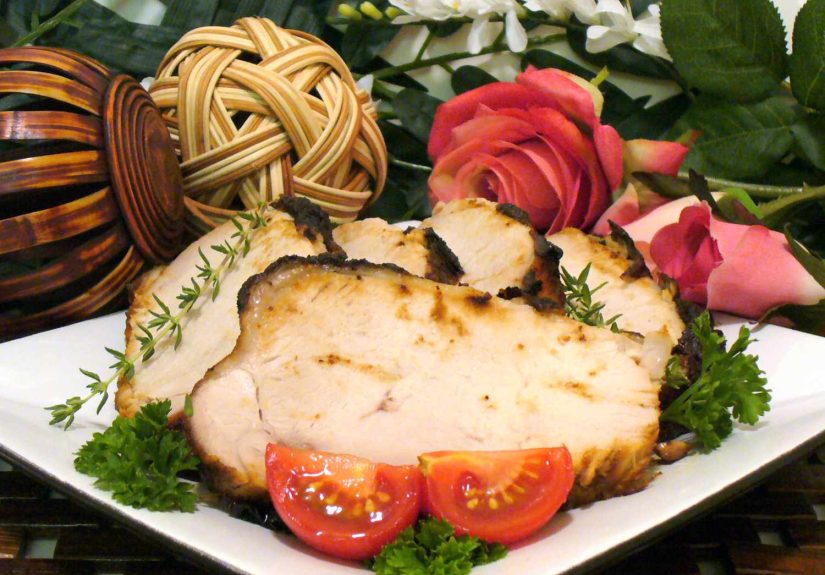
Some dinners politely enter the room. Pepper jelly pork roast kicks the door open wearing a shiny glaze and smelling like Sunday supper got a little adventurous. This sweet and spicy pork roast brings together juicy pork loin, tangy pepper jelly, savory mustard, garlic, onion, and just enough heat to make your taste buds sit up straighter.
The beauty of this recipe is that it feels impressive without behaving like a diva. You do not need a culinary degree, a mysterious French pan, or a grandmother whispering instructions from the pantry. You need a good pork roast, a jar of pepper jelly, a few pantry seasonings, and a meat thermometer. That last one is not optional unless you enjoy guessing games with dinner, which is a risky hobby.
This recipe for pepper jelly pork roast is designed for home cooks who want big flavor with practical steps. The outside becomes glossy, sticky, and beautifully caramelized, while the inside stays tender and sliceable. It is ideal for holidays, Sunday dinner, casual entertaining, meal prep, or any night when plain baked pork simply will not do.
Why Pepper Jelly Works So Well with Pork Roast
Pork has a naturally mild, slightly sweet flavor, which makes it a perfect canvas for bold glazes. Pepper jelly adds sweetness, fruitiness, vinegar-like brightness, and gentle heat in one spoonable ingredient. Instead of building a glaze from scratch with sugar, peppers, vinegar, and spices, pepper jelly does most of the heavy lifting. It is basically the overachiever of the condiment shelf.
When warmed, pepper jelly loosens into a smooth glaze that clings beautifully to pork. As the roast cooks, the sugars in the jelly caramelize on the surface, creating that shiny, lacquered finish that makes people assume you worked harder than you did. A little Dijon mustard cuts through the sweetness, Worcestershire sauce adds savory depth, and garlic gives the roast a more rounded, dinner-worthy flavor.
Best Cut of Pork for This Recipe
The best choice for pepper jelly pork roast is a boneless pork loin roast, usually weighing between 2 1/2 and 3 1/2 pounds. Pork loin is lean, easy to slice, and large enough to feed a family or small gathering. It should not be confused with pork tenderloin, which is much smaller and cooks faster.
Pork Loin vs. Pork Tenderloin
Pork loin is a larger roast that benefits from moderate roasting and a short rest before slicing. Pork tenderloin is narrow, delicate, and usually weighs about 1 to 1 1/2 pounds. You can use this glaze on tenderloin, but the cooking time must be reduced significantly. For this article, the method is written for pork loin roast because it creates generous slices and makes the most of that sweet and spicy pepper jelly glaze.
Ingredients for Sweet and Spicy Pepper Jelly Pork Roast
This recipe uses simple ingredients that work together like a very organized dinner committee. The pepper jelly brings sweetness and heat, mustard adds tang, Worcestershire sauce adds umami, and the dry spices build a savory crust under the glaze.
Main Ingredients
- 1 boneless pork loin roast, about 2 1/2 to 3 1/2 pounds
- 1 cup red or green pepper jelly
- 2 tablespoons Dijon mustard
- 1 tablespoon Worcestershire sauce
- 1 tablespoon apple cider vinegar
- 2 tablespoons olive oil
- 2 teaspoons kosher salt
- 1 teaspoon black pepper
- 1 teaspoon garlic powder
- 1 teaspoon onion powder
- 1/2 teaspoon smoked paprika
- 1/4 teaspoon cayenne pepper, optional
- 2 garlic cloves, minced
- 1 small onion, sliced, optional for the roasting pan
- Fresh thyme or rosemary, optional for garnish
Choosing the Right Pepper Jelly
Red pepper jelly gives the roast a classic ruby-colored glaze and a warm, fruity sweetness. Green pepper jelly usually has a brighter, slightly tangier flavor. Jalapeño jelly, habanero jelly, or hot pepper jelly can be used if you want more heat. For a family-friendly roast, choose mild red pepper jelly and add cayenne only if your dinner guests are not the type to dramatically reach for water.
How to Make Pepper Jelly Pork Roast
The method is simple: season, sear, glaze, roast, rest, and slice. Each step helps create a pork roast that is flavorful on the outside and juicy inside.
Step 1: Prepare the Pork
Remove the pork loin roast from the refrigerator about 25 to 30 minutes before cooking. Pat it dry with paper towels. This helps the seasoning stick and encourages browning. Moisture is useful in soup, but on the surface of a roast it can prevent a good sear.
In a small bowl, combine kosher salt, black pepper, garlic powder, onion powder, smoked paprika, and cayenne if using. Rub the seasoning all over the pork, including the sides and ends. Do not season only the top unless you believe the bottom of the roast has done something wrong. Every side deserves flavor.
Step 2: Make the Pepper Jelly Glaze
In a small saucepan over low heat, combine pepper jelly, Dijon mustard, Worcestershire sauce, apple cider vinegar, and minced garlic. Warm gently for 2 to 3 minutes, stirring until smooth. Do not boil the glaze aggressively; you are making dinner, not candy for a science fair.
Divide the glaze into two portions. Use one portion for brushing on the pork while it cooks. Save the second portion for serving. Separating the glaze keeps the finishing sauce clean and safe.
Step 3: Sear the Roast
Preheat the oven to 375°F. Heat olive oil in a large oven-safe skillet or Dutch oven over medium-high heat. Add the pork roast and sear it for about 2 to 3 minutes per side, turning until golden brown. Searing builds flavor and gives the glaze a better surface to cling to.
If you do not have an oven-safe skillet, sear the roast in a regular skillet and transfer it to a roasting pan. Add sliced onion to the pan if desired. The onion softens under the pork and catches the drippings, creating a delicious base for spooning over the slices.
Step 4: Glaze and Roast
Brush the pork generously with the first portion of pepper jelly glaze. Transfer the skillet or roasting pan to the oven. Roast uncovered for about 45 to 65 minutes, depending on the size and shape of the pork loin.
Brush the roast with more glaze every 15 to 20 minutes. If the glaze begins to darken too quickly, loosely tent the roast with foil. The goal is a glossy, caramelized coating, not a roast that looks like it spent spring break on the surface of the sun.
Step 5: Check the Internal Temperature
Use an instant-read meat thermometer inserted into the thickest part of the pork. The safe internal temperature for pork roasts is 145°F, followed by a rest of at least 3 minutes. For a larger pork loin, many cooks prefer resting for 10 to 15 minutes to help the juices redistribute and make slicing easier.
Avoid cutting into the roast to check doneness. That releases juices and gives you less accurate information. A thermometer is faster, cleaner, and much less dramatic.
Step 6: Rest, Slice, and Serve
Transfer the pork to a cutting board and tent it loosely with foil. Let it rest for 10 to 15 minutes. Warm the reserved glaze and spoon it over the sliced pork just before serving.
Slice the roast against the grain into 1/2-inch pieces. Arrange the slices on a platter and drizzle with extra pepper jelly sauce. Garnish with thyme, rosemary, or thinly sliced green onions for color.
Helpful Tips for the Juiciest Pork Roast
Do Not Overcook It
Pork loin is lean, which means it can go from juicy to dry if cooked too long. Pulling it from the oven when it reaches 145°F and letting it rest is the best way to keep it tender. The temperature may rise slightly as it rests.
Use a Rack or Onion Bed
Placing the roast on a rack allows heat to circulate. If you prefer more flavor, use sliced onions instead. The onions soften in the drippings and become sweet, savory, and excellent with the pepper jelly sauce.
Balance the Sweetness
Pepper jelly is sweet, so the glaze needs contrast. Dijon mustard, vinegar, Worcestershire sauce, garlic, and smoked paprika keep the flavor from becoming too sugary. If your jelly is very sweet, add an extra teaspoon of vinegar or mustard.
Let the Glaze Build in Layers
One heavy coat of glaze can slide off. Several lighter coats create better flavor and a prettier finish. Think of it like painting a fence, except the fence becomes dinner and everyone is happier.
Flavor Variations
Southern-Style Pepper Jelly Pork Roast
Add a tablespoon of brown sugar, a pinch of crushed red pepper flakes, and a splash of bourbon-style flavoring or extra apple cider vinegar. Serve with cornbread, collard greens, and mashed sweet potatoes.
Holiday Pepper Jelly Pork Roast
Add orange zest, fresh rosemary, and a spoonful of cranberry sauce to the glaze. This variation feels festive without requiring you to wrestle a turkey the size of a small appliance.
Extra Spicy Jalapeño Pepper Jelly Roast
Use jalapeño pepper jelly and add 1/2 teaspoon crushed red pepper flakes. Serve with cooling sides such as creamy coleslaw, sour cream mashed potatoes, or cucumber salad.
Apple Pepper Jelly Pork Roast
Add sliced apples and onions to the roasting pan. The apples soften and blend beautifully with the sweet heat of the glaze. This version is especially good in fall, though no one will complain if you make it in July.
What to Serve with Pepper Jelly Pork Roast
This sweet and spicy pork roast works with classic comfort-food sides as well as lighter vegetable dishes. Because the glaze has sweetness and heat, the best sides either add creaminess, freshness, or earthy flavor.
- Garlic mashed potatoes
- Roasted sweet potatoes
- Buttered green beans
- Brussels sprouts with balsamic glaze
- Macaroni and cheese
- Creamy coleslaw
- Rice pilaf
- Roasted carrots
- Skillet cornbread
- Simple garden salad
For a dinner party, serve the pork on a platter with extra glaze in a small bowl. Add roasted vegetables around the slices for a colorful, generous presentation. People eat with their eyes first, but their forks usually catch up quickly.
Storage and Reheating
Store leftover pepper jelly pork roast in an airtight container in the refrigerator for up to 3 to 4 days. Keep extra glaze in a separate container if possible. For longer storage, freeze sliced pork for up to 2 months.
To reheat, place slices in a covered baking dish with a spoonful of broth, water, or extra glaze. Warm at 300°F until heated through. Avoid blasting the pork in the microwave for too long, as lean pork can dry out quickly. If using the microwave, heat in short intervals and cover the plate.
Creative Ways to Use Leftovers
Leftover pepper jelly pork roast is not a problem. It is a head start. Slice it thin for sandwiches with sharp cheddar and arugula, chop it for tacos with cabbage slaw, or serve it over rice bowls with roasted vegetables. It also makes an excellent filling for sliders with a little extra glaze and pickled onions.
For a quick lunch, tuck pork slices into a toasted roll with mayonnaise, mustard, and crisp lettuce. For a weeknight dinner remix, dice the pork and warm it with rice, sautéed peppers, and a drizzle of glaze. Yesterday’s roast suddenly becomes today’s “look at me being efficient” meal.
Common Mistakes to Avoid
Using Too Much Glaze Too Early
Pepper jelly contains sugar, and sugar can burn. Start with a moderate coating and build layers as the pork roasts. If the roast gets too dark before the center is done, tent it loosely with foil.
Skipping the Resting Time
Resting allows juices to settle back into the meat. If you slice immediately, those juices run onto the cutting board instead of staying in the pork. That is tragic, and dinner deserves better.
Confusing Pork Loin with Pork Tenderloin
These cuts are not interchangeable without adjusting cook time. Pork tenderloin cooks much faster. If you use tenderloin, begin checking the temperature much earlier.
Forgetting to Reserve Clean Glaze
Always set aside some glaze before brushing the raw pork. The reserved portion can be safely warmed and served as a finishing sauce. This gives the roast a fresh, glossy final layer.
Experience Notes: What Makes This Pepper Jelly Pork Roast Shine
After making pepper jelly pork roast in different ways, one lesson becomes very clear: the magic is in balance. Pepper jelly alone is tasty, but on a pork roast it needs backup singers. Mustard brings tang, vinegar sharpens the sweetness, Worcestershire adds savory depth, and garlic keeps everything from tasting like dessert accidentally wandered onto a dinner plate.
The best results come from treating the glaze as a finishing flavor rather than a marinade that does all the work. A good dry rub underneath the glaze is important. Salt, pepper, onion powder, garlic powder, and smoked paprika create a savory foundation. Then the pepper jelly glaze adds the glossy sweet heat on top. When those layers combine, every slice tastes seasoned all the way through instead of just sticky on the surface.
Searing also makes a noticeable difference. It may seem like an extra step, especially when the oven is already waiting, but the browned crust gives the roast a deeper flavor. Without searing, the pork can still be good, but with searing it tastes more polished. It is the difference between “nice dinner” and “who made this, and are they accepting compliments?”
Another useful experience: the shape of the pork loin matters more than the exact weight. A long, narrow roast cooks faster than a short, thick one. That is why a thermometer matters so much. Cooking strictly by time can lead to dry pork, especially with lean cuts. Start checking early, and remember that the roast continues to warm slightly after it leaves the oven.
The glaze can also be adjusted depending on the occasion. For a family meal, mild red pepper jelly is usually the safest choice. It gives sweetness, color, and a little pepper flavor without overwhelming anyone. For guests who love heat, jalapeño jelly or a pinch of cayenne makes the roast livelier. For holiday meals, orange zest and rosemary make the dish feel more elegant. For summer dinners, a splash of lime juice and chopped cilantro can push it in a brighter direction.
Serving style changes the experience too. Thick slices feel hearty and traditional, especially with mashed potatoes. Thin slices feel more refined and work well on sandwiches or party platters. If serving a crowd, slice the pork and spoon warm glaze over the top just before it hits the table. That final shine makes the roast look fresh, even if it rested for a few minutes while everyone found their chairs.
One of the most practical tricks is to double the glaze. Half can be used during roasting, and the other half can be served at the table. People love sauce. Even people who say they do not need sauce will quietly take sauce when it is sitting there looking glossy and delicious. Extra glaze is also useful for leftovers, especially sandwiches and rice bowls.
Pepper jelly pork roast is also forgiving in the flavor department. If the glaze tastes too sweet, add mustard or vinegar. If it tastes too sharp, add a little more jelly. If it needs more depth, add Worcestershire sauce or smoked paprika. Taste before brushing it on the roast, and adjust until it makes you want to dip a spoon back in. That is usually a reliable sign.
The final experience-based advice is simple: do not rush the slicing. A rested roast cuts more cleanly, stays juicier, and looks better on the plate. Give it those 10 to 15 minutes. Use that time to warm the glaze, finish the sides, or pretend you planned the timing perfectly. The roast will reward your patience with tender slices, a sticky-sweet glaze, and just enough spice to keep dinner exciting.
Conclusion
This recipe for pepper jelly pork roast proves that a memorable dinner does not have to be complicated. With a juicy pork loin, a bright sweet-and-spicy glaze, and a few smart cooking steps, you can create a roast that feels special enough for guests but simple enough for a weekend meal. The key is balance: savory seasoning under the glaze, tangy mustard to cut the sweetness, careful roasting to protect tenderness, and a proper rest before slicing.
Serve it with mashed potatoes, roasted vegetables, cornbread, coleslaw, or rice, and save the leftovers for sandwiches that will make tomorrow’s lunch look suspiciously fancy. Whether you choose mild red pepper jelly or a fiery jalapeño version, this pork roast brings comfort, color, and a little sparkle to the table.