Table of Contents >> Show >> Hide
- Before You Thread: A Quick Setup Checklist
- Way 1: Thread the Upper Thread Path on a Necchi Machine
- Way 2: Wind, Insert, and Thread the Bobbin
- Way 3: Use the Automatic Needle Threader or Manual Needle Threading
- How to Test Your Necchi Threading
- Common Necchi Threading Mistakes and Quick Fixes
- Best Threading Tips for Modern and Vintage Necchi Machines
- Experience Notes: What Actually Helps When Threading a Necchi Sewing Machine
- Conclusion
Threading a Necchi sewing machine can feel like trying to solve a tiny mechanical maze while holding a piece of spaghetti. The good news? Once you understand the path, it becomes less of a mystery and more of a satisfying little ritual: spool, guide, tension, take-up lever, needle, bobbin, stitch. That is the sewing-machine version of “ready, set, go.”
Necchi machines have been loved for decades, from sturdy vintage models with front-loading bobbin cases to newer K, Q, NC, and Creator Series machines with clearly marked thread paths, automatic needle threaders, and beginner-friendly guides. While exact details vary by model, most Necchi sewing machines follow the same core threading logic. You need an upper thread, a properly wound bobbin, and both threads pulled into position before you sew.
This guide explains three practical ways to thread a Necchi sewing machine: threading the upper thread path, winding and inserting the bobbin, and using the automatic needle threader or manual needle-threading method. Along the way, you will also learn what to check when stitches loop, bunch, skip, or turn into a dramatic thread nest under your fabric.
Before You Thread: A Quick Setup Checklist
Before touching the thread, set your machine up for success. Turn the power switch off, especially if your machine has an electric foot control. Raise the presser foot. This matters because raising the presser foot opens the upper tension discs, allowing the thread to sit properly between them. If you thread with the presser foot down, the thread may ride outside the discs, and your stitches may look like they were assembled during an earthquake.
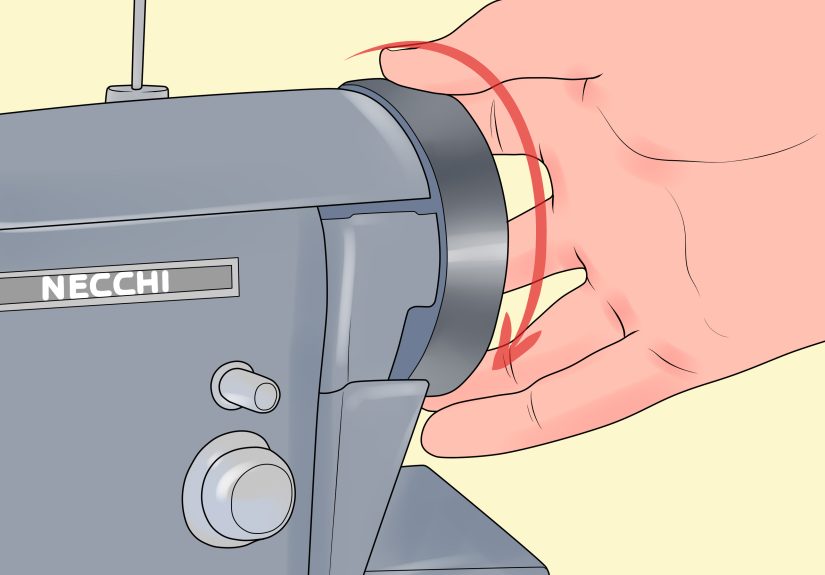
Next, raise the needle to its highest position by turning the handwheel toward you. On many Necchi machines, this also brings the take-up lever to the right spot for threading. Place a spool of all-purpose sewing thread on the spool pin and use a spool cap if your model has one. Make sure the thread unwinds smoothly, without catching on the edge of the spool.
Use the same general type and weight of thread in the bobbin and upper thread unless your project calls for a decorative effect. For everyday sewing, a universal needle and polyester all-purpose thread are a dependable pair. Think of them as the peanut butter and jelly of basic sewingordinary, reliable, and surprisingly hard to mess up.
Way 1: Thread the Upper Thread Path on a Necchi Machine
The upper thread is the thread that travels from the spool, through the guides and tension system, down to the needle. This path controls how smoothly the machine forms stitches. If the upper thread misses even one guide, the machine may still run, but the stitch quality may suffer.
Step 1: Place the Spool on the Spool Pin
Put the spool of thread on the spool pin. On many modern Necchi machines, the spool pin is horizontal, so the thread should unwind neatly from the spool without wobbling. If your machine uses a vertical spool pin, place the spool so the thread unwinds freely and does not wrap around the pin.
Step 2: Lead the Thread Through the First Guide
Pull the thread from the spool and guide it through the first upper thread guide. Many Necchi models have printed numbers, arrows, or molded channels that show the correct route. Follow those markings carefully. The machine is not decorating itself with arrows for fun; those little guides are doing serious work.
Step 3: Bring the Thread Down Through the Tension Channel
Guide the thread down the front channel of the machine. This is where the thread passes through or between the upper tension discs. Keep the presser foot raised while doing this so the thread can settle into the tension mechanism. If the thread is not seated correctly, you may see loose loops on the underside of the fabric, uneven stitches, or frequent thread breakage.
Step 4: Loop the Thread Around and Up to the Take-Up Lever
After the thread travels down, it usually goes around a lower guide and back up toward the take-up lever. The take-up lever moves up and down while sewing and helps control the thread as each stitch forms. Make sure the thread is fully caught in the take-up lever. Missing this step is one of the most common causes of tangled thread under the fabric.
Step 5: Bring the Thread Down to the Needle Bar Guides
Once the thread passes through the take-up lever, bring it back down through the remaining front guides. Most Necchi machines have one or more guides near the needle bar. These guides keep the thread aligned so it enters the needle smoothly and does not slap around while sewing.
Step 6: Thread the Needle
For many home sewing machines, including many Necchi models, the needle is threaded from front to back. Check your manual if you have a vintage model or a specialty machine. Pull several inches of thread through the needle and place the thread tail under the presser foot toward the back of the machine.
At this point, the upper threading is complete. Do not start sewing yet, though. Your machine still needs the lower thread from the bobbin. Sewing without the bobbin properly threaded is like making a sandwich with only one slice of bread: technically something happened, but it is not going to hold together.
Way 2: Wind, Insert, and Thread the Bobbin
The bobbin supplies the lower thread. Together, the upper thread and bobbin thread interlock to create a stitch. If the bobbin is wound badly, inserted backward, or not pulled into the bobbin tension path, the machine can jam, skip stitches, or create loose loops.
Step 1: Wind the Bobbin Evenly
Place an empty bobbin on the bobbin winder spindle. Pull thread from the spool through the bobbin winding guide, following the path shown on your Necchi machine. Thread the bobbin through one of its small holes from the inside out if your model requires it, then push the bobbin winder into the winding position.
Hold the thread tail gently and start winding slowly. After a few turns, stop and trim the tail close to the bobbin. Continue winding until the bobbin is full, but not bulging. A bobbin should be evenly wound and smooth, not piled into a lopsided mountain. If the thread stacks heavily on one side, rewind it. Uneven bobbins are tiny troublemakers.
Step 2: Insert a Drop-In Bobbin
Many newer Necchi machines use a top drop-in bobbin system. Raise the needle, turn the power off, and remove the clear bobbin cover. Place the bobbin in the bobbin holder so the thread unwinds in the direction shown by the arrow on your machine. On many drop-in systems, the thread runs counterclockwise, but always follow your model’s markings.
Hold the bobbin gently with one finger and pull the thread through the slit, then into the bobbin guide or tension notch. Pull out several inches of thread unless your machine has a built-in cutter designed to trim it to the correct length. Replace the bobbin cover.
Step 3: Insert a Front-Loading Bobbin Case
Some older Necchi sewing machines and certain mechanical models use a front-loading bobbin case. Open the shuttle cover, remove the bobbin case by lifting its latch, and place the wound bobbin inside the case. Pull the thread through the slot and under the tension spring until it exits smoothly.
Hold the bobbin case by the latch and insert it back into the shuttle. It should click or lock into place. If it does not seat fully, do not force it. Remove it, check the orientation, and try again. Forcing a bobbin case is a fast way to turn a simple threading job into a repair-counter conversation.
Step 4: Bring Up the Bobbin Thread
Hold the upper thread tail with your left hand. Turn the handwheel toward you one full turn so the needle goes down and comes back up. The upper thread should catch the bobbin thread and pull it up through the needle plate as a loop. Use a small tool, seam ripper, or closed scissors to pull the loop fully upward.
Place both the upper and bobbin thread tails under the presser foot and toward the back. Leave about 4 to 6 inches of thread tail. This prevents the threads from being pulled back into the machine when you begin sewing.
Way 3: Use the Automatic Needle Threader or Manual Needle Threading
Many newer Necchi machines include an automatic needle threader. It is a small feature with a big personality: wonderful when used correctly, mildly dramatic when rushed. The automatic threader helps pull the upper thread through the eye of the needle, saving time and reducing eye strain.
Step 1: Prepare the Machine
Raise the needle to its highest position. This is important because the needle threader must line up with the eye of the needle. Raise the presser foot and make sure the upper thread is already routed through the machine correctly. The automatic needle threader is not a shortcut for the entire threading path; it only handles the final trip through the needle eye.
Step 2: Lower the Needle Threader Lever
Pull down the needle threader lever according to your Necchi model’s instructions. A tiny hook should pass through the eye of the needle. Guide the thread around the threader’s hook or guide. Keep the thread relaxed but controlled. Tugging too hard can bend the small hook, and that hook is not something you want to negotiate with.
Step 3: Release the Threader
Let the lever return gently. The hook should pull a small loop of thread through the needle eye. Pull the loop completely through and place the thread tail under the presser foot toward the back.
Manual Needle Threading Method
If your Necchi machine does not have an automatic needle threader, or if the threader is being fussy, thread the needle manually. Trim the thread end cleanly with sharp scissors. A fuzzy thread end is harder to insert. You can also moisten the end slightly or use a handheld needle threader.
Make sure the needle is installed correctly and fully raised. Most Necchi home sewing machines thread from front to back, but some older or specialty machines may differ. Insert the thread through the eye, pull out a 4- to 6-inch tail, and guide it under the presser foot.
How to Test Your Necchi Threading
After threading, test on a fabric scrap. Use the same type of fabric and thread you plan to use for your project. Select a straight stitch, set the stitch length around a medium setting, and sew slowly for a few inches.
Check both sides of the fabric. Balanced stitches should look even on the top and bottom. If you see loops underneath, rethread the upper path with the presser foot raised. If the upper thread is pulling the bobbin thread to the top, the upper tension may be too tight. If the bobbin thread looks loose or tangled, check that the bobbin is inserted correctly and threaded through its tension path.
Common Necchi Threading Mistakes and Quick Fixes
The Thread Nests Under the Fabric
This usually points to an upper threading problem. Raise the presser foot, remove the upper thread completely, and rethread from the spool to the needle. Pay special attention to the take-up lever and tension channel.
The Needle Thread Keeps Breaking
Check for a dull or bent needle, rough thread, incorrect needle size, or thread caught on the spool. Also confirm that the thread is not wrapped around a guide or spool pin. If the thread path is correct but breaking continues, try a new needle and quality thread.
The Machine Skips Stitches
Skipped stitches often come from a needle issue. Make sure the needle is inserted all the way up, facing the correct direction, and matched to your fabric. Knits usually need a ballpoint or stretch needle, while woven cotton works well with a universal needle.
The Bobbin Thread Will Not Come Up
First, confirm the needle is fully raised and the bobbin is inserted in the correct direction. Hold the upper thread gently and turn the handwheel toward you, never away from you. If the bobbin thread still does not appear, remove the bobbin and reinsert it through the correct guide.
The Stitches Look Uneven
Uneven stitches may mean the upper thread is not in the tension discs, the bobbin is wound poorly, or the needle and thread do not match the fabric. Rethread both top and bottom, then test again before adjusting tension. Many sewing problems disappear after a calm, complete rethread.
Best Threading Tips for Modern and Vintage Necchi Machines
Modern Necchi machines often include printed threading diagrams, automatic bobbin winders, and needle threaders. Use those guides exactly as shown. Even if you have threaded other brands before, follow the Necchi markings because small path differences matter.
Vintage Necchi machines may require more attention because their thread guides, tension assemblies, and bobbin cases can differ from newer models. If you own a classic Necchi, look for the model number and find the matching manual. Older machines are often beautifully built, but they are not mind readers. They expect you to follow their particular route.
Keep the threading area clean. Lint around the bobbin case, under the needle plate, or near the tension discs can affect stitch quality. Brush out lint regularly and avoid blowing into the machine, which can push debris deeper inside. Replace needles often, especially after thick projects, denim, fleece, or accidental needle strikes.
Experience Notes: What Actually Helps When Threading a Necchi Sewing Machine
The first practical lesson is simple: slow down. Most threading mistakes happen when you try to rethread quickly because “it was just working five minutes ago.” Sewing machines are wonderfully useful, but they are also very literal. If the thread misses the take-up lever by a quarter inch, the machine does not politely compensate. It throws loops underneath your fabric and lets you discover the problem later with a seam ripper and a sigh.
One habit that helps is creating a small threading routine. Turn the power off, presser foot up, needle up, thread from spool to first guide, down through tension, up through take-up lever, down through lower guides, through the needle, then bobbin. Say it out loud if you need to. It may feel silly the first few times, but it is less silly than picking out eight inches of tangled thread from the underside of a pillow cover.
Another useful experience: always test after changing thread, needle, bobbin, or fabric. A Necchi that sews perfectly on cotton may need a fresh needle or slight tension adjustment for denim, knits, or slippery fabric. The threading may be correct, but the fabric may be asking for different support. A scrap test is not a waste of time; it is a tiny insurance policy.
Pay attention to sound, too. A properly threaded Necchi usually sounds steady and smooth. If you hear clicking, snapping, or a sudden heavy thump, stop. Do not keep pressing the foot pedal while hoping the machine “works through it.” Machines are not toddlers learning to tie shoes. If something sounds wrong, remove the fabric, cut the threads, check the bobbin area, and rethread.
For beginners, the automatic needle threader can feel confusing at first. The trick is alignment. The needle must be at its highest position, and the thread must be placed exactly where the threader expects it. If the tiny hook does not enter the needle eye, do not force it. Reposition the needle with the handwheel and try again gently.
Finally, keep good thread on hand. Bargain-bin thread may seem like a deal until it sheds lint, snaps repeatedly, or feeds unevenly. A Necchi sewing machine can only make neat stitches when the thread, needle, bobbin, and threading path cooperate. When they do, the machine feels almost magical. When they do not, it feels like a pasta maker with opinions. Start with clean threading, test on scraps, and your Necchi will reward you with strong, even stitches.
Conclusion
Learning how to thread a Necchi sewing machine is less about memorizing a complicated trick and more about understanding the relationship between the upper thread, bobbin thread, needle, and tension system. Start with the presser foot raised and the needle at its highest position. Follow the marked upper thread path carefully, making sure the thread passes through the tension discs and take-up lever. Wind the bobbin evenly, insert it in the correct direction, and bring the bobbin thread up before sewing.
Whether you use a modern Necchi with an automatic needle threader or a vintage model with a front-loading bobbin case, the same principle applies: correct threading creates balanced stitches. When something goes wrong, rethread before you panic. Most loops, nests, skipped stitches, and broken threads can be fixed by checking the basics. Your Necchi is not trying to ruin your afternoon; it is usually just asking for the thread to be seated properly.