Table of Contents >> Show >> Hide
- Why a Doorknob Can Change a Room
- The Tiny Paris Flat as a Master Class in Restraint
- Why This Look Works So Well in Small Spaces
- How to Recreate the Look Without Losing the Plot
- Common Mistakes to Avoid
- The Emotional Power of Small, Beautiful Things
- Design Lessons Worth Stealing From This Tiny Paris Flat
- Experiences That Make This Design Choice Memorable
- Conclusion
There are home upgrades that scream for attention, and then there are home upgrades that whisper, “Look closer, darling.” French-made doorknobs belong in the second category. They do not kick down the door with drama. They are the drama, just with better manners.
In a tiny Paris flat, that distinction matters. When square footage is limited, every element has to earn its keep. A chair must be useful and handsome. A shelf must store things and look intentional. And a doorknob, that humble object touched countless times a day, suddenly becomes more than hardware. It becomes a design statement, a tactile ritual, and a small clue that the person living here understands the power of details.
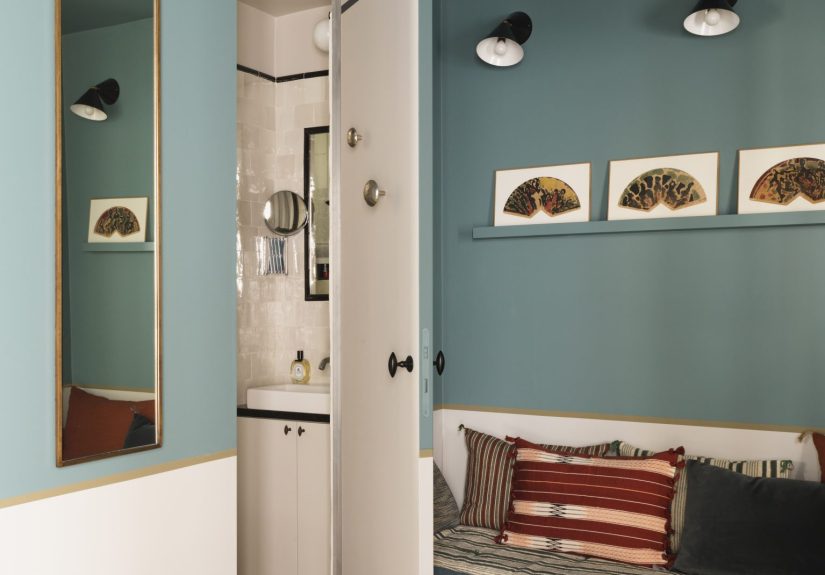
This is what makes the idea behind Remodelista Reconnaissance: French-Made Doorknobs in a Tiny Paris Flat so irresistible. It is not merely about a knob on a door. It is about how one small object can shift the mood of an apartment. It is about French craftsmanship, old-world charm, and the way tiny spaces become unforgettable when the finishing touches are chosen with care.
Why a Doorknob Can Change a Room
In design conversations, hardware is often treated like punctuation. Cabinets, tile, paint, flooring, lighting, and textiles get the headline treatment. Hardware shows up late, like a supporting actor who somehow steals the whole movie. That is especially true in compact homes, where the eye notices everything because there is nowhere for mediocre choices to hide.
A doorknob is one of the few design elements you see, touch, and hear. You notice its shape when sunlight hits it. You feel its temperature in your hand on a chilly morning. You hear the latch click when a room closes. That combination of visual and physical interaction gives hardware an outsized role in how a home feels. In a small apartment, where daily routines are compressed and every movement matters, that sensory effect becomes even more pronounced.
French-made doorknobs are especially appealing because they tend to balance refinement with restraint. They often feel crafted rather than mass-produced. Instead of looking overly slick or aggressively trendy, they suggest permanence. They have the confidence of objects that do not need to shout.
The Tiny Paris Flat as a Master Class in Restraint
Tiny Paris flats have a reputation for making even practical living feel cinematic. The bones help, of course: old doors, narrow passageways, tall windows, creaky floors, and walls that seem to have absorbed a century of conversations. But the real magic usually comes from editing. The best small Paris interiors do not try to fit a suburban fantasy into a city shoebox. They lean into intimacy, texture, and intelligent charm.
That is why French-made doorknobs make so much sense in this setting. They do not feel like accessories added at the end of a shopping spree. They feel native to the architecture. A beautifully shaped knob in black, antiqued brass, or porcelain can bridge the gap between old Parisian character and modern-day functionality. It can make a renovated flat feel more settled, more layered, and less like it was assembled from a panic order placed at midnight.
In other words, a good doorknob helps a small apartment feel complete. It turns “nice renovation” into “someone really thought this through.”
The Appeal of French-Made Hardware
French hardware has long been admired for its ability to combine utility with elegance. It is often rooted in traditional forms, but that does not make it stuffy. In fact, that heritage is what makes it versatile. A French-made knob can work beautifully in a classic Haussmann apartment, a pared-back studio, or even a modern renovation that needs one soulful note to keep it from feeling sterile.
There is also something refreshing about hardware that shows a little age or is designed to age well. Antiqued brass, unlacquered finishes, and softly worn surfaces bring warmth into spaces that might otherwise feel too crisp. In a tiny flat, that warmth is not a minor bonus. It is the thing that keeps minimalism from turning into emotional bankruptcy.
Why Brionne-Style Details Feel So Right
Part of the fascination around this design moment comes from the specific look: rounded forms, sturdy silhouettes, historic references, and finishes that feel gently lived-in instead of factory-fresh. A knob in this spirit can make an ordinary painted door look more expensive, more intentional, and more architectural. That is a huge payoff for a relatively small swap.
And because tiny apartments rely so heavily on consistency, repeating one beautiful hardware language across entry doors, interior doors, cabinetry, and built-ins can create visual rhythm. Suddenly the space feels cohesive without being matchy-matchy. It reads as curated rather than copied.
Why This Look Works So Well in Small Spaces
Small-space design is often misunderstood. People assume the answer is always white walls, invisible storage, and furniture so skinny it looks nervous. But genuinely successful compact interiors are not just about shrinking everything. They are about making every choice count.
French-made doorknobs work in a tiny flat for three big reasons: scale, texture, and emotional payoff.
1. Scale That Feels Intentional
A good knob has presence, but not bulk. It can punctuate a door without visually crowding it. In a compact home, that balance matters. Oversized hardware can feel bossy. Undersized hardware can disappear. A well-proportioned French-style knob sits in the sweet spot: noticeable, elegant, and believable.
2. Texture Without Clutter
Small homes need texture more than they need stuff. Texture adds richness without stealing floor space. A black iron knob, a brass rose, or a porcelain detail introduces depth in a way that a stack of random decorative objects never could. It keeps the apartment visually alive without making it look like a flea market sneezed.
3. Daily Pleasure
This may sound dramatic for a doorknob, but here we are. The best design choices improve ordinary moments. Turning a substantial, well-made knob feels better than grabbing a flimsy builder-grade one. That little interaction adds pleasure to everyday life. In a tiny flat, where you repeat the same movements constantly, those micro-experiences matter more than people think.
How to Recreate the Look Without Losing the Plot
If you love this Paris-flat hardware mood, resist the urge to turn your home into a stage set for a period drama. The goal is not costume. The goal is character.
Choose One Dominant Finish
Warm metals such as antiqued brass, aged brass, and unlacquered brass work especially well if you want that collected European feeling. Black can also be excellent, particularly on lighter doors where the contrast gives the knob a graphic presence. Pick one main finish and let it repeat across the space. This creates calm and avoids the “I bought whatever was on sale in aisle seven” effect.
Let the Door Do Some of the Work
Hardware shines brightest when the door itself has integrity. That does not mean every door must be antique. It means the door should look considered. Painted panel doors, solid wood doors, or even simple flat-front doors with good proportions can all benefit from elevated hardware. If the door looks cheap and the knob looks grand, the mismatch can feel awkward.
Use Repetition Strategically
In a small home, repeating a detail creates sophistication. Use the same knob family on interior doors and echo the finish in cabinet pulls, hooks, or light fixtures. The repetition should feel like a quiet theme, not a marching band.
Respect the Age of the Building
If your apartment has older bones, lean into them. Period-inspired hardware usually looks more natural than ultra-minimal contemporary pieces in historic settings. If your home is newer, you can still borrow the mood by mixing clean lines with one or two traditional details. Think modern shell, old soul.
Common Mistakes to Avoid
There is a fine line between charming and chaotic. Here are the traps people fall into when chasing a vintage-European look.
Buying Beautiful Hardware Without Checking the Function
A gorgeous knob that does not suit the door is not romantic. It is annoying. Before buying, check latch requirements, privacy needs, backset measurements, handedness if relevant, and whether the knob is meant for a passage door, bathroom door, or entry door. Beauty is lovely. A bathroom door that does not lock, less so.
Going Too Shiny
If the goal is Paris-flat charm, highly reflective finishes can tip the look into showroom territory. Softer finishes generally feel more nuanced and forgiving. A little patina is your friend. It tells a better story than a surface so glossy it can practically check your lipstick.
Mixing Too Many Eras at Once
One French-inspired note can elevate a room. Five competing historical references can make it look confused. If you choose classic French-made doorknobs, let them lead. You do not also need Victorian fuss, farmhouse barn doors, industrial pipes, and space-age acrylic all fighting for custody of the hallway.
The Emotional Power of Small, Beautiful Things
One reason design lovers obsess over details like doorknobs is that they symbolize care. Anyone can buy a sofa. Not everyone stops to think about the exact object they will touch every time they move from one room to another. When someone chooses French-made hardware for a tiny flat, they are making a quiet declaration: this home may be small, but it deserves dignity.
That idea is larger than style. It is about refusing to treat compact living as temporary, second-rate, or purely practical. A tiny apartment can still have richness. It can still feel layered, personal, and luxurious in the ways that matter most. Sometimes luxury is not square footage. Sometimes luxury is a doorknob that feels wonderful in your hand and makes you smile every single day.
Design Lessons Worth Stealing From This Tiny Paris Flat
The most useful takeaway from this whole French-made doorknob fascination is not “go buy this exact product and call it a day.” It is broader than that. The lesson is to stop underestimating the smallest components of a room.
When you are working with limited space, hardware becomes architecture’s jewelry. It can add polish without adding clutter. It can connect old and new. It can make plain cabinetry feel custom and basic doors feel storied. Most importantly, it can make a home feel complete.
That is why the tiny Paris flat resonates. It reminds us that beauty is often hiding in the least glamorous category on the renovation checklist. Paint gets the applause. Tile gets the close-up. But the doorknob? The doorknob gets the last word. And in this case, it says something very chic in a French accent.
Experiences That Make This Design Choice Memorable
What makes a French-made doorknob in a tiny Paris flat so compelling is not just the look in a photograph. It is the lived experience around it. That is where the design story really opens up.
Imagine stepping into a compact apartment after a long day in the city. The hallway is narrow. The kitchen is small enough that one pivot can take you from the sink to the stove. There is no grand foyer and no oversized mudroom pretending to be useful. Yet the place feels complete because every touchpoint has been chosen with care. Your hand lands on a substantial knob. It is cool at first, then warmer as you turn it. The weight feels reassuring. The action is smooth. That tiny interaction tells you more about the quality of the apartment than a dozen decorative accessories ever could.
That is the experience many people are really chasing when they admire French interiors. It is not about copying a Pinterest board or collecting objects that look old enough to have opinions. It is about sensory coherence. The door, the latch, the paint, the cabinetry, the trim, the flooring, and the light all feel as if they belong in the same sentence.
There is also something deeply comforting about hardware that changes with time. A finish that softens, darkens, or develops a little patina begins to record daily life. In a tiny flat, where routines repeat in close quarters, those signs of use do not read as wear in a negative sense. They read as intimacy. The apartment becomes more yours because the details respond to being lived with.
People often underestimate how much delight comes from these micro-moments. Opening a bedroom door. Closing a bathroom quietly at night. Pulling a pantry cabinet. Letting morning light bounce off a softly aged brass surface. These are not dramatic experiences, but they are the kind that shape how a home feels over months and years. In small-space living, that emotional texture matters enormously because you are in constant contact with your environment.
There is practical pleasure, too. Good hardware can make a modest renovation feel high-end without requiring a reckless budget. It can give old doors renewed dignity. It can make a compact rental-inspired kitchen feel more tailored. It can help an apartment feel less like a stopgap and more like a home you chose on purpose. That psychological shift is powerful. Once a space feels intentional, you tend to care for it differently. You edit better. You buy less nonsense. You stop trying to fill every empty corner and start appreciating the atmosphere you have built.
And perhaps that is the real charm of the tiny Paris-flat doorknob story. It invites us to notice what usually gets overlooked. It says that beauty is not reserved for giant homes, glossy renovations, or dramatic before-and-after reveals. Beauty can live in the curve of a knob, the finish of a rose plate, the click of a latch, and the confidence of one small decision made well.
That is a pretty wonderful lesson to bring home, whether you live in Paris, New York, Chicago, or a studio apartment where the kitchen can hear everything.
Conclusion
French-made doorknobs in a tiny Paris flat capture everything great design should do: solve a practical need, elevate the everyday, and make a small home feel richer than its square footage suggests. The lesson is simple but surprisingly powerful. When you choose details with intention, even the most compact apartment can feel timeless, personal, and quietly luxurious.