Table of Contents >> Show >> Hide
Some sales are loud. They wave giant digital flags, throw confetti made of coupon codes, and practically yell, “Buy this velvet flamingo side table before midnight!” The sale in Remodelista Selects Sale at DesignStory: Part II is the exact opposite. It is calm, collected, and deeply persuasive in the way only good design can be. Instead of pushing trend-chasing clutter, it presents a thoughtful edit of pieces meant for entertaining, feeding people well, and making a home feel quietly prepared for company.
That, frankly, is the magic here. The original concept behind this second installment was not “look at these objects because they are expensive and photogenic.” It was closer to: here are a few well-made things that earn their keep. A linen throw that softens a room without becoming needy. Dinner plates that can survive everyday use and still look right when guests come over. Tumblers that feel clean and modern, towels that improve with age, and a coffee press that is so streamlined it almost makes your sleepy Saturday kitchen look professionally styled. Almost. The unwashed mug in the sink may still have other plans.
For anyone who loves modern home decor, Scandinavian design accessories, and the idea of shopping a sale without regretting it three days later, this edit still feels smart. Remodelista Selects Sale at DesignStory: Part II works because it understands a truth many retailers forget: the most memorable homes are not built by buying more things. They are built by buying better things, then actually living with them.
Why This Design Sale Still Feels Fresh
The most interesting thing about this DesignStory sale is that it was never really about bargain hunting in the bargain-bin sense. It was about access to an aesthetic. Remodelista has long made a specialty of the “considered home,” a world where restraint is not boring and utility is not an insult. In this sale, the selections lean into that philosophy with unusual discipline.
That is why the collection still reads well today. The pieces land in a sweet spot between practical and elevated. They are useful enough for breakfast, lunch, and the occasional Tuesday dinner eaten while standing over the counter, but refined enough for summer entertaining. That balance matters. Great sale picks do not just look good in product photos; they adapt to real life. They survive coffee spills, dinner guests, weather shifts, overenthusiastic dishwashers, and the occasional host who swears the table will be “simple this year” before creating a centerpiece the size of a small shrub.
The curation also understands that a home feels richer when materials do the talking. Linen, porcelain, glass, felt, and steel do not need much embellishment. Their texture, weight, and finish provide character on their own. That is a classic Remodelista move: let quality and silhouette carry the room instead of depending on decorative noise.
What Part II Gets Exactly Right About Entertaining
Tableware That Doesn’t Try Too Hard
If there is a hero category in this story, it is tableware. The appeal of simple plates and tumblers can be hard to explain to people who think “special occasion” means buying dishes that are too precious to use. But timeless tableware earns its reputation precisely because it performs on ordinary days. Pieces like clean-lined porcelain plates and pared-back glassware make food look better, layer easily with linens, and move from casual brunch to dinner party without a costume change.
That is the genius of the Teema-style approach celebrated in the sale. Minimal forms have staying power because they are not tied to one season’s color obsession or some strange era of decorative overconfidence. They also play well with other pieces. Add striped napkins, a washed linen runner, or matte stoneware serving bowls, and suddenly the table has personality without looking over-rehearsed.
In SEO language, this is the dream combination of designer tableware, modern entertaining essentials, and everyday luxury. In regular human language, it means your pasta looks fancier and your table feels pulled together even when dinner is just roasted vegetables and a heroic loaf of bread.
Linen That Brings the Softness
The linen elements in Remodelista Selects Sale at DesignStory: Part II deserve their own standing ovation. Linen has that rare ability to make a room feel relaxed and intentional at the same time. It wrinkles, yes, but in a way that reads “European summer house” rather than “I gave up.” That is a very important distinction.
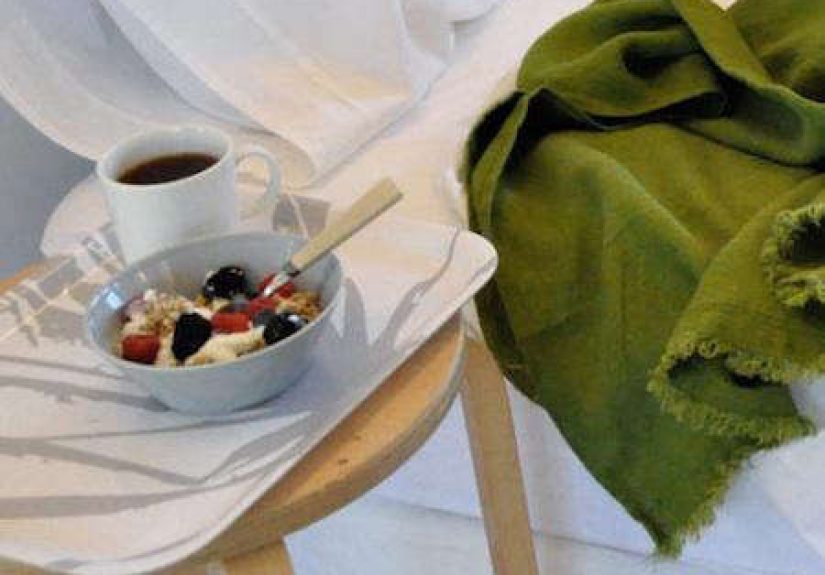
A linen throw like the Edith Throw works because it is not locked into one job description. It can live at the end of a bed, drift onto a sofa arm, or come outside on a cooler evening when dinner runs late and nobody wants the mood ruined by goosebumps. The same logic applies to linen napkins, tablecloths, and towels. They add warmth, movement, and a sense that the home is inhabited by people who understand texture instead of people who panic-buy shiny decor before guests arrive.
There is also a practical intelligence here. Good linens age well. They soften over time, layer beautifully, and create that casually polished look design editors love. You do not need twenty patterns fighting for attention when a few tactile, natural textiles can do the heavy lifting.
A Coffee Press That Actually Deserves Counter Space
Some kitchen tools are useful but ugly. Others are beautiful but make a terrible cup of coffee or require an instruction manual that reads like a legal document. The appeal of a modern coffee press in a curated sale is that it bridges the divide. It is functional, sculptural, and simple enough to leave out in the open.
That matters more than people admit. Entertaining is not just about what is on the table when guests arrive; it is also about the morning after, when someone wanders into the kitchen in socks asking if there is more coffee. A sleek press that looks good on the breakfast table and performs without drama is exactly the kind of purchase that justifies itself. It supports the whole lifestyle being sold here: pared back, hospitable, and quietly competent.
The Supporting Cast: Tumblers, Towels, and Felt Accessories
Design sales live or die by the smaller pieces. Big-ticket items attract attention, but it is usually the accessories that make a home feel complete. In this case, the supporting cast is unusually strong. Simple tumblers bring color and clarity without visual clutter. Towels add everyday usefulness and can shift from kitchen duty to guest-ready display. Felt accessories offer softness and storage in one neat package.
This is where the DesignStory edit shows real maturity. It does not separate decor from utility. Towels are not just towels; they are texture. Tumblers are not just vessels; they are part of the visual rhythm of the table. Felt baskets and accessories are not filler; they help control the chaos that naturally accumulates when people actually use a room. In other words, these are objects for homes, not showrooms.
How to Shop a Curated Home Sale Without Making Weird Choices
A sale like this can be incredibly useful if you approach it with a little strategy and a tiny amount of self-restraint. Tiny. Just enough to stop yourself from convincing your bank account that you suddenly need twelve matching serving pieces for the “outdoor dinner parties” you host once every lunar eclipse.
- Start with the table: If you want the biggest visual payoff, buy versatile plates, tumblers, or linens first. They change the look of everyday living fastest.
- Choose materials over novelty: Linen, porcelain, glass, felt, and brushed metal generally outlast trend-heavy finishes and gimmicky shapes.
- Look for overlap: The best pieces work in more than one room or season. A throw can move from sofa to guest bed. A towel can shift from bath to kitchen. A portable light can travel wherever the atmosphere needs help.
- Build around neutral anchors: Once your base is calm, you can add color through fruit, flowers, ceramics, candles, or food itself.
- Buy the item you will use next week: Not the one your fantasy self will use during an imaginary garden luncheon attended by suspiciously well-dressed people.
That is what makes the Remodelista approach so effective for modern shoppers. It respects the relationship between aspiration and reality. Yes, the images are beautiful. But the pieces are still meant to be lived with, washed, stacked, folded, carried, and occasionally knocked over by a guest who swears they are “totally fine.”
Best Ways to Style These Pieces at Home
For the Kitchen
Use clean-lined dinner plates and tumblers as your everyday base. Add a linen towel on an oven handle and keep a handsome coffee press visible on the counter. Suddenly the kitchen feels more edited, even before you have done anything heroic like organize the junk drawer.
For the Dining Area
Layer a neutral cloth or runner with simple dinnerware and one tonal accent color. A soft gray plate, clear or lightly tinted glass, and natural linen napkins create a table that feels current without screaming for social-media validation. The overall look is best when it seems effortless, even if you spent fifteen minutes adjusting one candle by half an inch.
For the Living Room
A linen throw and a felt accessory can transform a sofa zone quickly. One adds softness; the other quietly wrangles clutter. This combination is especially effective in rooms that already lean minimal and need warmth rather than more objects.
For Guest-Ready Hosting
When friends stay over or drop by for dinner, these kinds of pieces create comfort through repetition. The same materials appear across the space: linen in the dining room, linen in the guest room, felt storage in the entry, simple tumblers in the kitchen, soft light in the corner. That continuity makes a home feel intentional and calm.
Why the Remodelista Aesthetic Keeps Winning
Minimalism gets accused of being cold, but that criticism usually confuses minimalism with bad decorating. The Remodelista version of restraint has never been about emptiness. It is about editing. It is about keeping objects that contribute something real: function, material richness, elegance, durability, or all four.
Remodelista Selects Sale at DesignStory: Part II captures that beautifully. The sale is not trying to impress you with quantity. It is trying to persuade you that a few excellent pieces can make daily life better. That is a stronger argument now than ever. Most people do not need more home products. They need fewer, smarter ones.
And that is why this old sale still reads like a useful lesson in modern decorating. Build from essentials. Favor texture over fuss. Choose items that move easily between everyday use and entertaining. Let good materials age. Trust the quiet piece. It usually has more staying power than the flashy one anyway.
The Experience of Shopping a Sale Like This
There is a very specific feeling that comes with shopping a thoughtfully curated design sale, and it is completely different from the usual online retail stampede. You are not frantically scrolling past neon banners and countdown clocks. You are studying objects. You are imagining them in real rooms, under real light, around real meals. That slower rhythm is part of the experience, and it is exactly why a story like Remodelista Selects Sale at DesignStory: Part II still resonates.
Anyone who has ever tried to upgrade a home one piece at a time knows the emotional math involved. You start out thinking you need a “few things for the table,” and suddenly you are asking serious questions about whether your entire life would improve if your napkins had a better drape. Ridiculous? Maybe. Also slightly true. The objects we use every day shape how a room feels, and that changes how we feel inside it.
What is satisfying about a sale built around entertaining is that the purchases tend to create immediate results. Buy a set of versatile plates, and tonight’s dinner looks more intentional. Add linen napkins, and even takeout behaves like it was invited properly. Bring in a throw, and the living room gets that subtle “stay a while” energy. It is not about turning your home into a magazine spread. It is about reducing visual friction and making ordinary routines feel smoother, calmer, and a little more special.
There is also a confidence boost that comes from buying pieces you know you will keep. Trend-based shopping can be fun, but it often leaves behind a trail of decorative impulses you stop liking by the next season. Curated sales like this offer a different reward. They make you feel like an adult with taste. A person with standards. A citizen of the republic of “I bought the good towels on purpose.” That is no small thing.
And then there is the hosting angle, which is where these pieces really earn their applause. The best entertaining accessories do not perform like actors waiting for compliments. They work quietly in the background. Guests notice the ease of the room before they notice the individual items. They notice that glasses feel nice in the hand, that the table looks relaxed but finished, that the coffee setup the next morning seems simple and civilized. Good design often works like that: less “look at me,” more “this feels right.”
Curated sales also make shopping feel less lonely. That may sound dramatic for a discussion involving napkins, but hear me out. When an edit is assembled by a trusted style authority, you are not just buying a product; you are borrowing a point of view. You are stepping into a coherent vision of home life. In this case, the vision is clear: feed people well, keep the table honest, use materials that improve with age, and do not confuse luxury with fussiness.
That is probably why this story continues to matter. It is not merely a roundup of sale items. It is a small philosophy of living, disguised as shopping advice. It suggests that beauty belongs in use, not storage. That the best modern home decor sale is one that helps you live better next Tuesday, not just decorate better in theory. And that the right plate, towel, tumbler, or throw can do more than fill a shelf. It can make your home feel more like itself.