Table of Contents >> Show >> Hide
There is a very specific kind of comedy panic that sets in when a TV show reaches for an internet joke. You feel it in your bones. Your shoulders tighten. Your soul whispers, “Please don’t say the meme out loud.” And yet It’s Always Sunny in Philadelphia, a series that has made a luxury brand out of bad decisions, walked directly into that danger zone with its Season 17 riff on the “Hawk Tuah” phenomenon. The twist? Rob Mac knew exactly what he was doing.
That self-awareness is what makes this story more interesting than a simple “TV was late to the meme again” complaint. Yes, the joke arrived after the internet had already chewed it up, spit it out, and moved on to several newer obsessions. Yes, the reference felt intentionally dusty by the time it aired. But that dusty quality was also weirdly on-brand for Sunny. This is a show about people who are selfish, culturally warped, and usually several steps behind whatever decent, normal, socially acceptable behavior looks like. Of course their version of trend-chasing would feel like they found the meme under a bar stool.
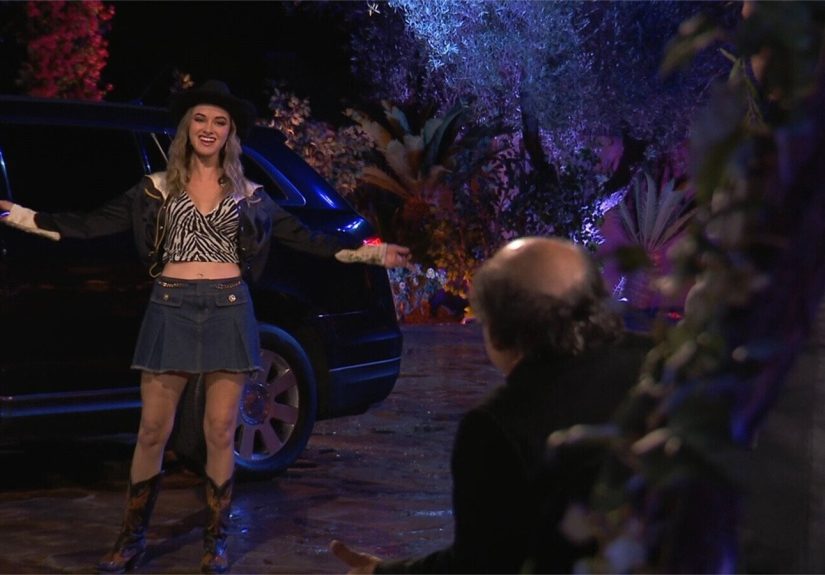
That is the genius and the gamble of the whole bit. When Frank Reynolds enters The Golden Bachelor orbit and encounters the show’s satirical “Hawk Tuah” stand-in, the joke works less as a sharp piece of trend commentary and more as a commentary on the Gang’s permanent inability to read the room. Rob Mac didn’t accidentally make an outdated joke. He knowingly made an outdated joke and then dared the audience to decide whether that made it funnier, sadder, or both.
Why the Joke Felt Late Because It Was
The core issue is timing. Internet culture moves like a raccoon on espresso. Television, even a nimble comedy with veteran writers, does not. By the time a show is written, shot, edited, promoted, scheduled, and released, the online moment that inspired it may already be a fossil. That problem was baked into the “Hawk Tuah” material from the start.
The original viral “Hawk Tuah” clip exploded in June 2024, when Haliey Welch turned a street-interview answer into one of the year’s most inescapable catchphrases. The bit spread because it was crude, instantly memeable, and simple enough to be remixed into oblivion. In other words, it was perfect internet fuel. But that kind of fame burns fast. What feels wild and unavoidable in June can feel like a leftover Halloween costume by December.
That is exactly why Rob Mac’s explanation matters. He did not pretend Sunny had captured the meme at peak freshness. He openly framed the show as “asymmetrically off” from popular culture, and that phrase is doing a lot of heavy lifting. It suggests the joke’s lateness was not a bug in the machine. It was the machine. The Gang does not merely miss trends; they arrive after the trend has been embalmed, tagged, and wheeled into storage.
In that light, the late “Hawk Tuah” riff becomes less like your uncle discovering TikTok slang six months too late and more like a character trait. Frank is not a master of the zeitgeist. He is a goblin in sunglasses. If he is trying to pursue some viral sex-symbol archetype after the internet has already cooled on it, that actually makes narrative sense.
TV Can’t Compete With TikTok Speed
Still, even when the lateness is intentional, viewers notice. They always notice. One reason is that meme humor ages differently from normal joke writing. A good character joke can live forever. A good physical gag can survive decades. But a meme joke has a brutal shelf life. It depends on freshness, context, and that hard-to-define feeling that the culture is currently vibrating at the same frequency. Once that frequency changes, the joke can sound like it arrived by horse-drawn carriage.
That tension showed up around Season 17 in other cast comments too. Charlie Day acknowledged he does not naturally gravitate toward pop-culture-reference comedy in the first place, even though he eventually committed once the team decided to do it. Glenn Howerton also admitted before the season aired that the “Hawk Tuah” material was already getting older and older, and he wondered how it would age. That is not the language of creators who think they just nailed the freshest joke on Earth. That is the language of creators who know they are playing with a ticking clock.
Which, honestly, is kind of refreshing. Too many shows use internet jokes with the confidence of a man wearing a fedora indoors. Sunny at least seemed aware that it was stepping into a minefield.
The Real Target Was Never Haliey Welch
The smartest thing about the “Hawk Tuah” parody is that it was never truly about Haliey Welch herself. The episode’s comedy target was Frank, then the Gang, then the whole grotesque machine that turns a tiny viral moment into a branded identity. That distinction matters.
Rob Mac emphasized that Sunny tends to make the Gang the butt of the joke rather than mocking the outside property directly. That approach helped the Golden Bachelor crossover feel less like a lazy parody and more like a collision between two wildly incompatible TV realities. The actual absurdity is not that a viral sex catchphrase once existed. The absurdity is that Frank Reynolds would treat that kind of online persona like a legitimate romantic ideal.
And that is where the satire sharpens. Frank is a man powered by libido, vanity, and the spiritual nutrition of a gas-station hot dog. Of course he would be fascinated by a hyper-viral, hyper-sexual persona marketed through sound bites and innuendo. The joke lands because Frank is exactly the kind of guy who would mistake a fleeting online spectacle for real intimacy. He would absolutely think a meme is a soulmate.
The parody character ridiculous name and all is funny in a blunt-force Sunny way, but she is not the emotional center of the episode. She is bait. Frank, being Frank, lunges for it. That is the point.
The Better Joke Was Frank on The Golden Bachelor
The crossover framework also did a lot of heavy lifting. Frank on The Golden Bachelor is a stronger comedic premise than “Sunny does a Hawk Tuah joke.” One is timeless because it is rooted in character contrast: a depraved little gremlin dropped into the glossy sincerity of reality-dating television. The other is temporary because it is attached to a specific pop-culture moment.
That difference explains why many viewers and critics responded more warmly to the broader crossover than to the meme-specific material. The reality-show structure, Jesse Palmer’s straight-man energy, and the visual commitment to recreating the Bachelor universe gave the episode a sturdy comic engine. The “Hawk Tuah” spoof was more like a flashy side mirror: memorable, yes, but not the thing keeping the car on the road.
It also helped that Sunny paired the broad meme parody with something stronger: Carol Kane. Once the episode shifted toward Frank’s chemistry with Sam, the joke stopped feeling like a desperate attempt to look online and started feeling like what Sunny does best turning terrible people into oddly compelling emotional disasters. Frank suddenly had a real choice between empty spectacle and a bizarre, age-appropriate connection. That is much richer territory than a one-note meme riff.
Rob Mac’s Honesty Is the Whole Story
The most revealing part of this whole saga is not that the joke was late. Everyone with Wi-Fi could tell it was late. The revealing part is that Rob Mac said the quiet part out loud. He essentially admitted that Sunny does not trail pop culture by a few minutes; it trails by years. That is a funny line, but it is also an artistic thesis.
For a long-running comedy, this is a surprisingly durable strategy. A newer, more image-conscious show might panic about looking out of touch. Sunny weaponizes being out of touch. It takes the embarrassing lag that sinks other comedies and turns it into character texture. These people are not cool. They are not culturally fluent. They are not digital natives offering sparkling commentary from the front lines of trend formation. They are parasites in a Philadelphia bar trying to convert every social shift into personal gain. Their lateness is part of the pathology.
That does not mean every stale reference becomes brilliant through sheer intention. Sometimes an old joke is just an old joke wearing a fake mustache. But in this case, the self-awareness counts for something. Mac’s honesty invited viewers to read the material not as “Look, we know this meme too!” but as “Look how badly these people understand culture, sex, fame, and relevance.” That is a much funnier lane for Sunny anyway.
There’s a Difference Between Dated and Deliberately Dated
That distinction is subtle, but important. Dated comedy happens when a show thinks it is current and fails. Deliberately dated comedy happens when the creators know the reference is stale and use that staleness as part of the joke. The audience may still groan, but now the groan is at least in conversation with the material.
And frankly, Sunny has earned some trust on that front. After 17 seasons, the show understands its own ugliness. It knows the Gang is gross, needy, stunted, and forever trying to cash in on things they do not understand. A too-late “Hawk Tuah” parody is not out of character. It is almost suspiciously perfect for them.
What This Says About Meme Comedy in Long-Running TV
The bigger lesson here is not really about one joke. It is about the impossible marriage between prestige-era television production and internet-speed culture. TV writers want to engage with the world people are actually living in. Audiences want shows to feel current. But the internet no longer moves in seasons; it moves in spasms. A meme can peak, mutate, backlash, become merch, become a podcast, become a scandal, and become old news before a network comedy finishes post-production.
That means shows have a choice. They can avoid meme culture almost entirely. They can chase it and risk becoming instantly embarrassing. Or they can do what Sunny did here: acknowledge the lag, build it into the premise, and let the awkwardness become part of the entertainment.
Is that a perfect solution? Not even a little. But it is better than pretending the problem does not exist. Rob Mac’s comments were funny because they were true. The joke was late. Everyone knew it. He knew it most of all.
And somehow that knowledge made the whole thing feel more honest, more ridiculous, and more appropriately pathetic for a show about people who would absolutely arrive at the cultural party after the chairs were stacked and the DJ had gone home.
Experience Section: What It Feels Like When a Joke Shows Up After the Internet Has Left the Room
Most people have lived some version of this experience, even if they have never watched It’s Always Sunny in Philadelphia. A meme explodes online. Your group chat won’t stop repeating it. Brands start circling it like gulls over a french fry. Someone makes a T-shirt. Someone makes a podcast. Someone’s aunt puts it on Facebook with a minion image. Then, just when the whole thing feels spiritually exhausted, it appears on television and asks you to care again. That sensation recognition mixed with secondhand embarrassment is now part of modern pop culture.
That is why the “Hawk Tuah” joke in Sunny felt familiar beyond its actual reference. It recreated the lived experience of watching culture arrive in layers. First, the internet creates the moment. Then media packages it. Then entertainment repurposes it. Then viewers sit there thinking, “Wow, we are all pretending this is still fresh, huh?” It is almost a shared civic ritual now.
But there is another side to that experience too. Sometimes the lateness becomes funny in its own way. Sometimes a joke circles back because it is no longer trying to be current; it is exposing how desperate everyone is to remain current. That is where Sunny finds its leverage. The show understands that trend panic is itself ridiculous. A character like Frank Reynolds should not sound ahead of the curve. He should sound like a man who heard about sex, memes, and branding from a cursed AM radio station.
Viewers recognize that emotional truth because they have seen it everywhere: in ads that use slang nobody says anymore, in social posts that feel AI-polished into a coma, in sitcom dialogue that sounds like a committee trapped in a Discord server. We have all watched culture get translated by people who arrived late and tried to fake confidence. That awkward translation process is now part of the comedy, whether creators intend it or not.
So in a strange way, the “too late” quality of the Sunny joke may be the most realistic thing about it. It mirrors how most people encounter mass culture now not at the exact moment of invention, but in the aftershocks. We catch trends once they have already been explained, monetized, repackaged, and shipped to us with a smile. By then, the original weirdness is gone, but a new weirdness has taken its place: the spectacle of everyone pretending the moment is still alive.
That is why Rob Mac’s honesty lands. He did not try to sell the audience on the fantasy that the show was first. He let the joke wear its lateness openly. In an era when so much entertainment tries desperately to look frictionless, that admission felt almost rebellious. A little pathetic, yes. Very Sunny, absolutely. But also weirdly perceptive. Sometimes the funniest thing a show can do is arrive late, notice the room is empty, and keep talking anyway.
Conclusion
Rob Mac’s “Hawk Tuah” comments revealed something valuable about how It’s Always Sunny in Philadelphia still works after all these years. The show is not trying to be the first comedy to pounce on an internet craze. It is trying to filter that craze through people who are vain, clueless, opportunistic, and permanently miscalibrated. That is a different comedic mission, and in this case, a smarter one.
The joke was late. The show knew it was late. And because the creators let that lateness become part of the bit, the result was more interesting than a standard meme parody. Not always sharper, not always funnier, but definitely more self-aware. In the end, that may be the most Sunny outcome possible: the Gang misses the moment, turns the miss into a feature, and somehow still leaves us laughing at how badly they understand the world around them.