Table of Contents >> Show >> Hide
- What You’ll Learn
- What Is Delicata Squash?
- Choose, Store, and Prep Delicata Squash Like a Pro
- Our Test Kitchen’s Best Methods for Cooking Delicata Squash
- Quick reference table
- Method 1: High-Heat Roasting (Best Overall)
- Method 2: Air Fryer Delicata Squash (Fastest Crisp-Edged Results)
- Method 3: Sauté + Steam-Finish (Best for Weeknights and Sauces)
- Method 4: Microwave (Tender Fast) + Optional Broil Finish
- Method 5: Grill (Smoky and Char-Kissed)
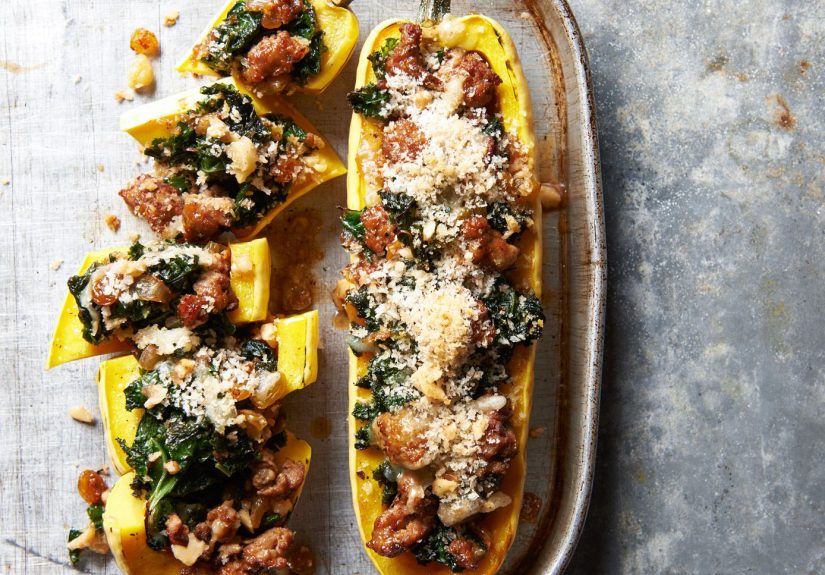
- Method 6: Stuffed Delicata Squash (A Main Dish Disguised as a Side)
- Seasoning Ideas That Make Delicata Squash Shine
- Troubleshooting: Fix the Usual Delicata Squash Problems
- Bonus: Roast the Seeds (Because Crunchy Snacks Don’t Grow on Trees)
- FAQ: Delicata Squash Cooking Questions
- Kitchen Experiences: The Real-Life Moments That Teach You How to Cook Delicata Squash
Delicata squash is the rare winter squash that behaves like it’s trying to make your life easier. It’s sweet, quick-cooking, and (cue angelic choir) you can eat the skinno peeling, no wrestling match, no “why is this vegetable built like a football helmet?” energy.
In our test-kitchen-style trials, we cooked delicata every which wayroasted, air-fried, sautéed, microwaved, grilled, and stuffedthen compared texture, flavor, and how many dishes we had to wash. Below are the best methods, the whys behind them, and the little moves that turn “fine” squash into “who made this and why aren’t they running for office?”
What Is Delicata Squash?
Delicata is a small-to-medium winter squash with pale yellow skin and green (sometimes orange) striping. The big headline: the skin is thin and edible once cooked, so you can slice, season, and cook without peeling. That saves time and also saves your mood.
Flavor-wise, think “butternut’s friendly cousin”: sweet, creamy, and mild enough to go savory or dessert-adjacent. Texture can land anywhere from tender and silky to crisp-edged and fry-like depending on how you cut it and how you cook it.
Choose, Store, and Prep Delicata Squash Like a Pro
How to pick a good one
- Look for: firm squash with intact skin, no soft spots, and clear striping.
- Feel for: “heavy for its size” (a good sign it’s not dried out).
- Avoid: deep cuts, wet patches, or squishy ends.
Storage basics
Whole winter squash keeps best in a cool, dry, well-ventilated spot (not the fridge). If you’ve already cut it, wrap it well and refrigerate; plan to use it within about a week for best quality.
How to cut delicata squash safely
- Scrub the skin well under running water and dry it (you’re going to eat that skin).
- Slice off a thin piece from each end to create flat, stable “parking spots.”
- Cut the squash in half lengthwise.
- Scoop out seeds and stringy bits with a spoon.
The three most useful cuts (and what they’re best for)
- Half-moons (½-inch thick): best all-purpose roast/air-fry shape.
- Rings: pretty presentation; great for roasting and topping bowls/salads.
- Boats (halves): ideal for stuffing or roasting with butter and herbs.
Our Test Kitchen’s Best Methods for Cooking Delicata Squash
Here’s the truth: delicata is hard to mess up, but it’s easy to under-deliver. Most “meh” squash issues come from the same three culprits: slices that are too thick (raw centers), a pan that’s too crowded (steam city), or not enough salt (sadness).
Quick reference table
| Method | Best Cut | Temp | Time | Best For |
|---|---|---|---|---|
| Roast (sheet pan) | ½-inch half-moons or rings | 425°F | 20–25 min (flip halfway) | Crisp edges + sweet, tender center |
| Air fryer | ¼–½-inch half-moons | 375–400°F | 12–18 min (shake/flip) | Fastest “roasted” vibe |
| Sauté + steam-finish | Thin half-moons | Stovetop | 10–15 min | Weeknight speed + saucy options |
| Roast halves (boats) | Halves | 400–425°F | 30–45 min | Stuffed mains, butter/herb roast |
| Microwave (steam) | Slices or cubes | High | 4–8 min | Fast “tender” for mashing/soup |
Method 1: High-Heat Roasting (Best Overall)
If you want delicata squash at its bestcaramelized, sweet, and crisp-edgedroasting wins. Our favorite approach is high heat, roomy spacing, and direct contact with the pan for browning.
How to roast delicata squash (slices)
- Heat oven to 425°F. Position a rack low in the oven for deeper browning.
- Cut squash into ½-inch half-moons or rings.
- Toss with 1–2 tablespoons olive oil per medium squash, plus ¾ teaspoon kosher salt.
- Spread on a bare metal sheet pan in a single layer with space between pieces.
- Roast 12 minutes, flip, rotate the pan, then roast 8–12 minutes more.
Test-kitchen-level upgrades
- Don’t crowd. Crowding traps steam, and steam is the sworn enemy of crisp edges.
- Skip parchment if browning is the goal. It’s great for cleanup, but direct pan contact browns better.
- Salt early. Salting after cooking tastes like you forgot somethingbecause you did.
- Finish smart. Add tender herbs (parsley, chives) after roasting; add hardy herbs (rosemary) before.
Roasting halves (“boats”)
For stuffed delicata squash or a simple butter-and-herb roast, keep the squash in halves. Brush cut sides with oil or butter, season, and roast at 400–425°F until a knife glides in easily, usually 30–45 minutes depending on size.
Method 2: Air Fryer Delicata Squash (Fastest Crisp-Edged Results)
Want “roasted” vibes with less preheating drama? The air fryer is your best friend. It’s especially good for smaller batches and for anyone who likes their squash a little bronzed and snackable.
Air fryer method
- Preheat air fryer to 375–400°F (3 minutes if your model preheats).
- Slice into ¼–½-inch half-moons.
- Toss with oil, salt, and your chosen spices.
- Cook 12–18 minutes, flipping or shaking halfway, until golden and tender.
Tip: If you want extra crisp edges, keep slices closer to ¼-inch. If you want creamier centers, go ½-inch and give it the full time.
Method 3: Sauté + Steam-Finish (Best for Weeknights and Sauces)
This is the “I have 15 minutes and a skillet” method. You get browned spots, tender centers, and a built-in path to glazes (maple, cider, hot honey, balsamicchoose your adventure).
Skillet method
- Heat 1–2 tablespoons oil (or a mix of oil + butter) in a large skillet over medium-high.
- Add ½-inch slices in a single layer; cook until browned on one side, 3–4 minutes.
- Flip, then add 2–3 tablespoons water (or cider), cover, and steam 3–5 minutes.
- Uncover and cook another 1–3 minutes to evaporate liquid and concentrate flavor.
Want a glossy glaze? Swap the water for apple cider, then finish with a pinch of salt and a tiny splash of vinegar to keep the sweetness from getting clingy.
Method 4: Microwave (Tender Fast) + Optional Broil Finish
Microwaving won’t give you roasted caramelization, but it will give you tender squash quickly perfect for soups, mashing, or “I need dinner to be soft and comforting” situations.
Microwave-steam method
- Place sliced squash in a microwave-safe bowl with 2 tablespoons water.
- Cover (a plate works) and microwave on high 4–8 minutes, stirring halfway, until tender.
- Drain, season generously, and serveor broil 2–4 minutes on a sheet pan for color.
Method 5: Grill (Smoky and Char-Kissed)
Grilling is underrated for delicata. The squash is sweet, the grill is smoky, and together they become that one friend who is somehow fun at brunch and also fun at a bonfire.
- Cut into rings or thick half-moons (about ½-inch).
- Oil and salt well.
- Grill over medium heat, 3–5 minutes per side, until tender with char marks.
Finish with lemon, chili flakes, and a drizzle of olive oil. Or go full fall: maple + mustard + toasted nuts.
Method 6: Stuffed Delicata Squash (A Main Dish Disguised as a Side)
Stuffed delicata is basically edible cookware: the squash holds the filling, the filling makes the squash taste even more like itself, and everyone at the table believes you tried harder than you did.
Simple stuffed template
- Roast halves cut-side down at 400°F for 20 minutes.
- Flip cut-side up, brush with oil or butter, and roast another 10–20 minutes until tender.
- Fill with cooked grains + sautéed vegetables + something savory (cheese, beans, sausage, mushrooms).
- Return to oven 5–10 minutes to warm through.
Seasoning Ideas That Make Delicata Squash Shine
Classic savory
- Olive oil + kosher salt + black pepper + garlic powder
- Rosemary or sage + browned butter
- Parmesan (add in the last 5 minutes so it doesn’t burn)
Sweet-meets-savory (fall’s love language)
- Maple syrup + chili powder + salt (balanced and addictive)
- Cinnamon + smoked paprika (weirdly excellent)
- Honey + lemon + yogurt sauce + crunchy onions (holiday energy)
Spicy and bold
- Harissa + olive oil + a squeeze of citrus
- Cumin + coriander + chili flakes
- Hot honey drizzle right before serving
Pro tip: Because delicata is sweet, it loves contrast. Acid (lemon, vinegar), salt, and a little heat keep it from tasting like “pumpkin pie’s shy cousin.”
Troubleshooting: Fix the Usual Delicata Squash Problems
“It’s soggy.”
- Use a bigger pan or two pans. Crowding = steaming.
- Increase heat to 425°F and slice ½-inch or thinner.
- Roast on a bare sheet pan for better browning.
“It’s browned outside but firm inside.”
- Your slices are too thick. Aim for ½-inch max for roasting.
- Lower the oven rack slightly and give it a few more minutes after flipping.
“It tastes flat.”
- Salt earlier and a bit more generously than you think.
- Add acid at the end: lemon juice, cider vinegar, or a tangy sauce.
- Finish with texture: toasted nuts, crispy onions, pepitas, or herbs.
“The edges burned.”
- Some dark spots are goodburnt bitterness is not. Reduce cook time slightly and rotate the pan.
- If using maple/honey, add it in the last 5–8 minutes to prevent scorching.
Bonus: Roast the Seeds (Because Crunchy Snacks Don’t Grow on Trees)
Delicata seeds roast beautifully, just like pumpkin seeds. The key is drying them well so they crisp instead of steaming.
Roasted squash seeds (easy method)
- Rinse seeds, removing most stringy bits. Pat very dry.
- Toss with ½ teaspoon oil per ¼ cup seeds + a pinch of salt.
- Roast at 325°F for 14–25 minutes, stirring once or twice, until lightly browned and crisp.
- Cool on the pan (they crisp more as they cool).
Flavor ideas: smoked paprika + garlic powder; cinnamon + a tiny pinch of sugar; or “everything bagel” seasoning.
FAQ: Delicata Squash Cooking Questions
Do you have to peel delicata squash?
Nope. The skin is thin and edible once cooked. Just scrub it well first.
Can I meal prep delicata squash?
Yes. Roast a batch, cool, and refrigerate. Reheat in a hot oven or air fryer to bring back edge crispness. Microwave reheating works, but it leans soft.
What’s the best method for beginners?
Roasting at 425°F with ½-inch slices, oil, and salt. It’s forgiving, delicious, and scales easily.
What should I serve with it?
Delicata plays well with roast chicken, pork, sausages, lentils, grain bowls, salads, and pastas. It also loves creamy sauces (yogurt, tahini, ricotta) and crunchy toppings.
Kitchen Experiences: The Real-Life Moments That Teach You How to Cook Delicata Squash
The first “experience” most people have with delicata squash is the surprise that it doesn’t need peeling. You scrub it, slice it, and immediately feel like you’ve hacked the systemlike you just found out your phone can also charge itself (it can’t, but let us dream). Then you roast it once and realize why delicata has such a fan club: the edges caramelize fast, the center gets creamy, and the skin turns tender instead of fighting back.
The second experience is learning that delicata is polite, but it still has boundariesespecially on a crowded sheet pan. The “I can fit all of this on one pan” optimism is relatable and also the reason you end up with squash that tastes like it took a sauna. When pieces overlap, steam builds up and browning disappears. The fix feels almost too simple: use two pans or roast in batches. Suddenly you get bronzed edges and that sweet, nutty aroma that makes everyone wander into the kitchen pretending they “just needed water.”
Then comes the seasoning moment. Delicata is naturally sweet, which means it’s basically begging for contrast. The experience here is tasting a bite and thinking, “This is good… but it’s missing something.” That “something” is usually salt or acid. Add a squeeze of lemon, a splash of vinegar, or a tangy sauce, and the squash wakes up. It goes from “pleasant side dish” to “I’m eating this directly off the pan with my fingers and I feel no shame.” Crunch helps toonuts, pepitas, crispy onionsbecause a tender vegetable loves a loud accessory.
Another very real delicata experience: the thickness debate. Thick slices feel hearty and cozy, but they take longer and can brown before they soften. Thin slices crisp faster but can cross the line into “chip territory” if you’re not watching. After a few rounds, you’ll find your personal sweet spot: ½-inch for the best balance, closer to ¼-inch when you want snacky crispness. This is also when you discover the joy of flipping pieces with tongs like you’re running a tiny squash-themed air traffic control tower: “You, rotate. You, move to the edge. You, stop sticking to the pan.”
The safety experience is worth mentioning, too. Some squash cut like a dream; others feel like they were raised on a steady diet of protein powder. If your knife is slipping or you’re white-knuckling the handle, hit pause. The microwave softening trick is a game-changer: a few minutes to take the edge off, then cool and cut with control. It’s the kitchen equivalent of stretching before a runno one wants to do it, everyone benefits when they do.
Finally, there’s the “bonus snack” experience: roasted seeds. At first you might toss them out because you’re focused on dinner, but once you try roasting them, it becomes a habit. You rinse, dry, season, and roast them while the squash cooks. They pop and toast and suddenly you’ve got a crunchy topper for salads, soups, and grain bowlsor, realistically, something you eat straight from the pan while waiting for the main dish to finish. Delicata isn’t just easy to cook; it’s the kind of ingredient that quietly upgrades your whole evening, one caramelized slice at a time.