Table of Contents >> Show >> Hide
- What Is a Rotomolded Cooler?
- What Is an Injection-Molded Cooler?
- Rotomolded vs. Injection-Molded Coolers: The Biggest Differences
- Real-World Examples That Show the Difference
- Which Cooler Is Better for Different Uses?
- So, Which Is Better?
- How to Choose Without Overthinking It
- Final Verdict
- Real-World Experiences: What Using These Coolers Actually Feels Like
- SEO Tags
If you have ever gone shopping for a hard cooler and suddenly felt like you were choosing between a battle tank and a fancy lunchbox with delusions of grandeur, welcome. You have officially entered the great cooler debate: rotomolded vs. injection-molded coolers.
At first glance, they all look pretty similar. Big box. Hinged lid. Promise to keep your drinks cold and your sandwiches from turning into warm regret. But under the lid, these coolers are built very differently, and those differences matter. The manufacturing method affects durability, weight, ice retention, portability, price, and overall value.
So which is better? The honest answer is not as dramatic as cooler marketing would like. Rotomolded coolers are usually better for maximum toughness and long-haul performance. Injection-molded coolers are often better for lighter weight, easier carrying, and better everyday value. In other words, one is built like a linebacker, and the other is smart enough to park closer to the picnic table.
This guide breaks down the real differences, explains where each type shines, and helps you choose the right cooler for camping, fishing, tailgating, beach trips, road trips, backyard cookouts, and the highly competitive sport of pretending you only packed “a few drinks.”
What Is a Rotomolded Cooler?
A rotomolded cooler is made through rotational molding. In plain English, powdered plastic is heated inside a mold that spins on multiple axes. The material melts and coats the mold evenly, creating a thick, one-piece shell. That one-piece construction is the big story here. Fewer seams generally mean fewer weak points, which is why rotomolded hard coolers developed a reputation for being the bruisers of the cooler world.
This is the style most people associate with premium outdoor brands. Think rugged corners, beefy walls, heavy-duty latches, thick gaskets, and the kind of confidence that says, “Yes, you can sit on me. No, I am not thrilled about it, but go ahead.”
Because rotomolded coolers are designed around toughness, they are popular with anglers, hunters, overlanders, and campers who use their gear hard. They are also common in premium coolers marketed for multi-day ice retention, rough transport, and rougher weather.
Why rotomolded coolers are popular
Rotomolded coolers are loved for a few simple reasons: they are usually extremely durable, they often have thick insulation, and they tend to feel more secure when they are dragged, tied down, or knocked around. If your cooler regularly rides in a truck bed, a boat, a raft, or a campsite full of rocks and bad decisions, rotomolding starts to make a lot of sense.
What Is an Injection-Molded Cooler?
An injection-molded cooler is made by injecting melted plastic into a mold under pressure. Instead of one continuous hollow shell, the structure is typically formed in separate pieces and then assembled, with insulation added between the interior and exterior walls. That sounds less glamorous than rotomolding, but it comes with serious advantages.
Injection-molded coolers are often lighter, easier to carry, and more flexible in design. Manufacturers can add clever compartments, more sculpted shapes, improved ergonomics, and a smoother finish. Some modern injection-molded coolers also perform far better than older “basic hard cooler” models, which means the gap between the two categories is no longer as dramatic as it once was.
In fact, a lot of brands now position injection-molded coolers as the sweet spot for buyers who want strong ice retention without the back workout and premium price tag of a heavier roto cooler.
Why injection-molded coolers are gaining fans
They are practical. That is the secret. A cooler you can actually lift by yourself is a beautiful thing. For day trips, tailgates, beach runs, and family outings, portability matters almost as much as insulation. A cooler that keeps ice for several days is impressive, but a cooler you can carry from the car to the campsite without negotiating your will and testament is also impressive.
Rotomolded vs. Injection-Molded Coolers: The Biggest Differences
1. Durability
If the question is pure toughness, rotomolded coolers usually win. Their one-piece shell design tends to resist cracking and structural failure better over time, especially when the cooler gets banged around, hauled over uneven ground, or loaded with heavy contents.
That does not mean every injection-molded cooler is fragile. Far from it. Modern models from brands like RTIC, Igloo, and Coleman show that injection molding can still produce a sturdy, adventure-ready cooler. But if you are shopping for the cooler equivalent of a pickup truck bumper, rotomolded construction remains the safer bet.
2. Weight
This is where injection-molded coolers often pull ahead. Rotomolded coolers are famous for their substantial build, which is another way of saying they get heavy in a hurry. And that is before you add ice, drinks, meat, bait, or the mysterious condiments that somehow appear in every camping cooler.
Injection-molded models are often noticeably lighter. That can make a big difference when you are lifting the cooler into an SUV, carrying it across sand, or moving it solo. Several brands now make lighter hard coolers specifically to bridge the gap between premium performance and everyday convenience.
3. Ice Retention
This category is more nuanced than marketing slogans suggest. Many buyers assume rotomolded automatically means colder for longer. Not always. Ice retention depends on more than the molding process. Insulation thickness, lid gasket quality, latch tension, air gaps, internal volume, how full the cooler is, and how often the lid is opened all matter.
Top-tier rotomolded coolers often deliver excellent multi-day performance, especially for long camping trips. But strong injection-molded coolers can also keep ice for multiple days, and in some everyday situations the performance difference may be smaller than buyers expect. In short: rotomolding may help the shell, but insulation design and seal quality do the real cold-keeping heavy lifting.
4. Price
Generally speaking, injection-molded coolers are more budget-friendly, while rotomolded coolers tend to live in the premium tier. There are exceptions, of course, because the cooler market enjoys chaos almost as much as the smartphone market. Still, if you compare similar capacity coolers, the roto model is often the pricier one.
That premium can be worth it for people who truly need maximum durability and extended performance. But if you mainly need a cooler for weekends, errands, soccer tournaments, fishing mornings, or a couple of beach trips each month, an injection-molded cooler may offer the better value.
5. Design and Features
Injection molding often allows for more design flexibility. That can mean more user-friendly lids, built-in cup holders, compartments, baskets, drain systems, and shapes that fit better in trunks and cargo areas. Rotomolded coolers, by comparison, often lean toward rugged simplicity: sturdy handles, tie-down slots, thick feet, and hardware that looks like it belongs on a small boat.
Neither approach is wrong. It just depends on whether you want your cooler to feel like an expedition tool or an everyday appliance that accidentally became cool.
Real-World Examples That Show the Difference
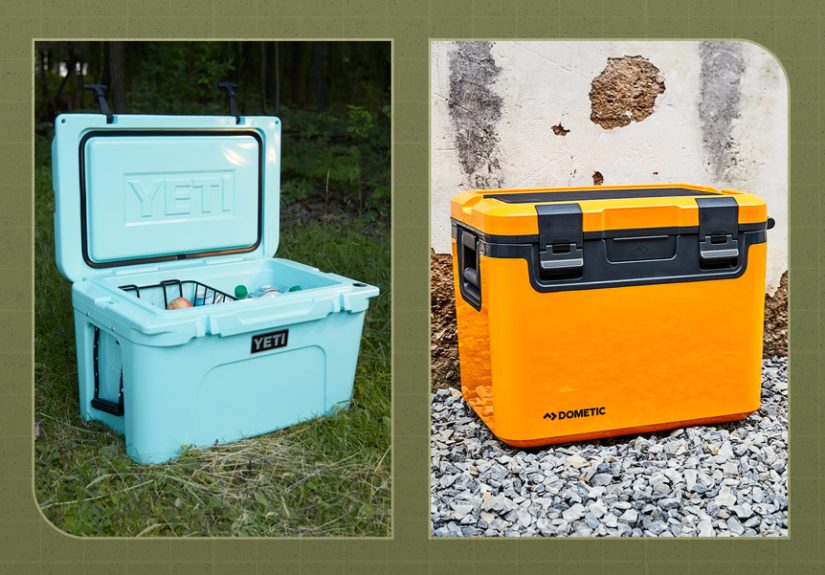
Brand examples make the distinction easier to understand. YETI’s Tundra line helped popularize the premium rotomolded cooler category and is known for thick walls, rugged construction, and serious long-trip appeal. Pelican Elite coolers also fit the roto mold: stout build, robust hardware, and a clear focus on durability.
On the injection-molded side, RTIC’s Ultra-Light series is marketed around being easier to carry while still offering thick closed-cell foam insulation and a tight gasket. Igloo’s IMX line is another strong example, blending lighter weight with durable construction and long ice-retention claims. Coleman’s Pro hard cooler line similarly leans into being lighter than comparable rotomolded coolers while still offering thick walls and solid cold retention.
These examples highlight a bigger trend in the cooler market: injection-molded coolers are no longer the cheap seats by default. Many are now designed as serious hard coolers for buyers who want performance without carrying a 30-pound empty chest like they are training for a strongman event.
Which Cooler Is Better for Different Uses?
Best for camping trips
If you are camping for several days and keeping perishable food cold matters, a rotomolded cooler often makes more sense. It is especially helpful if the cooler will stay in one place for long stretches and you care more about toughness and cold retention than convenience.
Best for beach days and park outings
An injection-molded cooler is usually the smarter pick. It is lighter, easier to move, and still more than capable for a one-day or weekend outing. Sand already makes everyone miserable; your cooler does not need to join the effort.
Best for boating, fishing, and rough use
Rotomolded coolers still hold the edge. If your gear gets exposed to sun, salt, impacts, and long days outdoors, the extra durability is not theoretical. It becomes part of the value.
Best for tailgating and backyard entertaining
This one depends on your priorities. If the cooler rarely moves and doubles as seating, a rotomolded model is great. If you haul it in and out of the car, carry it across parking lots, or use it for shorter sessions, injection-molded is often the more comfortable choice.
Best for budget-conscious buyers
If you want the strongest price-to-performance ratio, start with injection-molded hard coolers. They often deliver excellent real-world usability and plenty of cold retention without charging you luxury-watch prices for chilled soda.
So, Which Is Better?
Rotomolded coolers are better if your top priorities are durability, rugged construction, and multi-day adventure performance. They are the premium choice for rough handling, long camping trips, fishing trips, boating, and outdoor use where failure would be expensive or annoying.
Injection-molded coolers are better if your top priorities are lower weight, easier handling, and better value for everyday use. They are ideal for road trips, family outings, tailgates, beach days, park visits, and anyone who wants a hard cooler without turning every carry into an upper-body workout.
The smarter question is not “Which cooler is better?” but “Which cooler is better for the way I actually use one?” That answer is where the money gets saved, the back gets spared, and the drinks remain cold enough to earn compliments.
How to Choose Without Overthinking It
If you camp for multiple days, fish often, hunt, boat, or generally treat equipment like it owes you money, buy a rotomolded cooler. If you mostly need a reliable cooler for short trips, cookouts, road travel, sports events, or family life, an injection-molded cooler is probably the more practical purchase.
Also remember that the “best hard cooler” is not always the one with the most extreme specs. Sometimes the best cooler is simply the one that fits in your trunk, opens easily, drains cleanly, and does not make you dread carrying it from the garage to the car.
That may not sound romantic, but neither is warm potato salad.
Final Verdict
In the showdown of rotomolded vs. injection-molded coolers, there is no universal champion. There is only the right tool for the job.
If you want the most rugged, heavy-duty cooler for extended outdoor use, choose rotomolded. If you want a lighter, often more affordable hard cooler that still performs impressively for most real-life situations, choose injection-molded.
For many buyers, injection-molded coolers are the sweet spot. For serious outdoor users, rotomolded coolers still earn their reputation. Either way, your drinks do not care how the cooler was made. They just want you to stop standing there comparing wall thickness and close the lid.
Real-World Experiences: What Using These Coolers Actually Feels Like
Specifications are helpful, but the real difference between these coolers shows up when you live with them. On paper, a rotomolded cooler sounds heroic. In real life, it often is. You feel the sturdiness the moment you grab the handles. The lid closes with a satisfying, sealed-down confidence, and the body feels solid enough to survive years of camping, fishing, and road-trip abuse. On a multi-day trip, that toughness feels reassuring. You stop babying the cooler. It becomes gear, not décor.
That said, the same cooler can feel very different on a quick beach run. Empty, it is already substantial. Loaded, it becomes the kind of object that inspires teamwork. One person grabs one side, another grabs the other, and suddenly a trip for drinks feels like a furniture-moving exercise. People love rotomolded coolers for good reason, but many also discover a funny truth: the toughest cooler in the world is less impressive when it is sitting in the garage because nobody wants to lift it.
Injection-molded coolers tend to win people over in the first five minutes of ownership. They are easier to move, easier to load into the car, and less annoying to empty and clean afterward. That matters more than buyers sometimes admit. A cooler that gets used every weekend is often a better purchase than a premium cooler that only comes out for “serious” trips. In everyday life, lighter weight feels luxurious. You notice it on stairs, in parking lots, at boat ramps, and anywhere the terrain is less than helpful.
Families often prefer injection-molded coolers because they are simply more convenient. You can grab one for a soccer tournament, a road trip, or a backyard party without needing a second person or a motivational speech. Many of these coolers also include thoughtful features like baskets, easier drain systems, or more user-friendly handles. Those details may sound small, but they add up fast when kids are hungry, the sun is high, and someone is asking where the juice boxes went every four minutes.
Experienced campers often describe the choice this way: rotomolded coolers feel better when the trip is longer and rougher, while injection-molded coolers feel better when the day involves lots of carrying. That rings true. On a remote campsite, the extra durability and stronger seal of a rotomolded cooler inspire confidence. On a short outing, the lighter injection-molded cooler feels like common sense. Neither experience is wrong. They just solve different headaches.
Over time, many buyers end up learning that “better” depends on friction. If the biggest friction in your life is heat, sun, and keeping food cold for days, rotomolded is fantastic. If the biggest friction is hauling, lifting, organizing, and using the cooler often, injection-molded may make you happier. One feels like heavy-duty insurance. The other feels like practical freedom. The best choice is the one that matches the trips you actually take, not the fantasy expedition you might go on once every two years.