Table of Contents >> Show >> Hide
- What Makes a Rug “Exotic,” Anyway?
- A Quick Throwback: The 2009 Rug Sale That Still Lives Rent-Free in Design Brains
- How to Shop the Sale Like a Calm Adult (Even If You’re Not One)
- My Favorite “Exotic” Styles to Watch for on Sale
- Rug Sizing: The Part Where Most of Us Accidentally Buy a Bath Mat
- Don’t Skip the Rug Pad (Your Ankles Will Thank You)
- Care and Feeding of Your “Exotic” Rug
- Styling Tips: Making Exotic Feel Intentional (Not Like a Souvenir Shop Explosion)
- Final Thoughts: The Best Sale Rug Is the One You’ll Still Love on a Random Tuesday
- Diary Addendum: From the Rug Rabbit Hole
A true-life shopping mood (with measurements, mild drama, and zero regrets… probably).
There are two kinds of people in the world: those who scroll a rug sale and feel nothing, and those who suddenly believe a new rug will
fix their entire personality. I’m proudly in the second camp.
Today’s mission: hunt down an “exotic” rug at Williams-Sonoma Home without ending up with a cart full of things I didn’t know I needed
(like a hand-forged candle snuffer and a cashmere throw that whispers, “treat yourself”). The good news? Their rug sale section routinely
features markdowns on everything from hand-knotted showstoppers to sleek flatweaves and textural natural-fiber rugsaka the stuff that makes a room
feel finished instead of “still moving in.”
Let’s treat this like a diarybecause if I’m going to obsess over pile height and medallion placement, I want it documented for future generations.
Or at least for the next time I forget what size rug my living room needs (again).
What Makes a Rug “Exotic,” Anyway?
“Exotic” is one of those design words that means, in practice: this rug looks like it has a passport. It’s a vibepattern, texture,
craftsmanship, and a little bit of “Where did you find that?” energy.
Common “exotic” rug looks you’ll spot at Williams-Sonoma Home
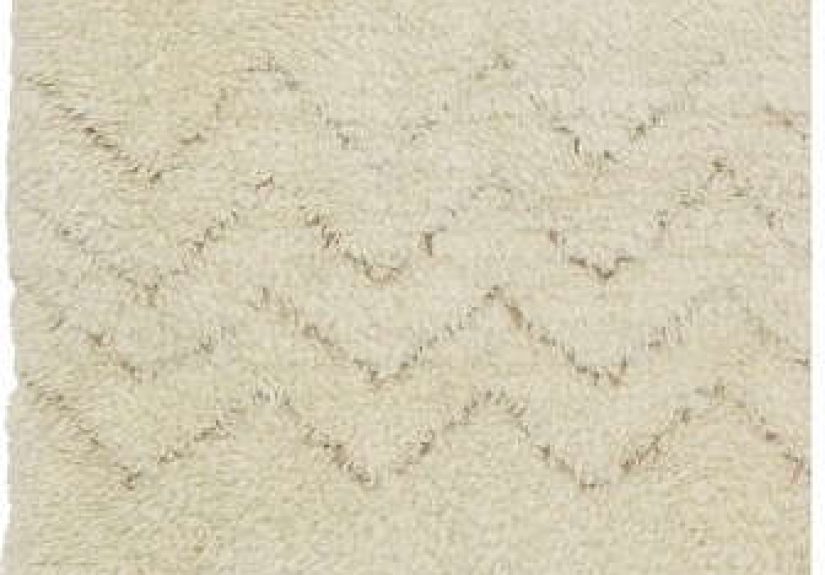
- Moroccan-inspired patterns: graphic diamonds, bold lines, high-contrast neutrals that feel both modern and worldly.
- Overdyed and “antiqued” styles: rugs designed to look softly fadedlike they’ve hosted a century of elegant dinner parties.
- Kilim and flatwoven influences: low-profile weaves with artisan character, great for layering and high-traffic spaces.
- Animal and hide rugs: organic shape, rich texture, and a little bit of “statement piece” without shouting.
- Motif-driven designs: medallions, borders, and symbolic patterns that feel collected rather than just purchased.
The trick is to choose “exotic” in a way that still makes sense for your real lifekids, pets, red wine, that one friend who never removes
their shoes, etc.
A Quick Throwback: The 2009 Rug Sale That Still Lives Rent-Free in Design Brains
If you’ve ever Googled this exact phrase“Shopper’s Diary: Exotic Rugs on Sale at Williams-Sonoma Home”you’ve probably run into a beloved
vintage post that name-drops swoon-worthy markdowns like a Moroccan zig-zag wool rug and an Anatolian kilim patchwork rug.
It’s basically a time capsule of early internet design delight: beautiful rugs, serious discounts, and the kind of specificity that makes
shoppers clutch a measuring tape like a security blanket.
Why bring it up now? Because it captures the core strategy that still works today:
use the sale as an opportunity to buy better craftsmanship than you’d normally splurge on.
You’re not just shopping a patternyou’re shopping construction, materials, and longevity.
How to Shop the Sale Like a Calm Adult (Even If You’re Not One)
Step 1: Decide what the rug needs to do
Start with function, not fantasy. Ask yourself:
- Is this rug for a high-traffic area (living room, hallway, dining room)?
- Will it live under a table where chairs scoot (dining room = constant abrasion)?
- Do you need stain resistance, or are you okay with “patina” and a little chaos?
- Do you want plush comfort, or a low profile that won’t fight doors and chair legs?
Step 2: Choose a construction that matches your lifestyle
Rug construction is the difference between “this looks amazing” and “why is it shedding like a stressed-out golden retriever?”
Williams-Sonoma Home highlights a range of constructionsespecially hand-knotted and flatwoven optionseach with a
different feel, durability profile, and price point.
Hand-knotted rugs: the heirloom-flex choice
Hand-knotted rugs are built knot by knot on a loomlabor-intensive, traditionally rooted, and often more durable over time.
That matters if you’re using the sale to buy something you plan to keep for years. Some hand-knotted pieces can take months to complete,
which helps explain why they feel like “investment” rugs (even when discounted).
A great example of what you’re paying for is the detail you’ll see in product descriptions: knot density, shearing, yarn-dyeing, and fiber origin.
If you spot specifics like “dense pile,” “yarn-dyed wool,” or “knots per square inch,” that’s usually a sign you’re looking at a more
craftsmanship-forward piece.
Flatweaves and kilim-style rugs: low profile, high practicality
Flatwoven rugs are especially handy in busy zones because they’re lower pile and easier to live with. They’re also excellent near swinging doors
and can be layered for that designer “collected” look. If you love the idea of pattern but hate the idea of vacuuming a shag rug,
flatweave is your friend.
Step 3: Let materials guide your expectations
Materials affect everything: how a rug feels, how it wears, how it cleans, and whether it will survive a holiday party.
Here’s a quick cheat sheet for “exotic rug” shopping:
Wool
Wool is a classic for a reason: it’s resilient, feels substantial, and works well for living spaces where comfort matters. If you want a rug that
looks rich without being precious, wool is usually a strong bet.
Wool blends and wool-silk looks
Wool blended with silk-like fibers can add subtle sheen and dimensiongorgeous for more formal rooms or places where you want a touch of luxe.
(Translation: it photographs like a dream.)
Natural fibers (sisal, jute)
These bring texture and an organic base layer that plays well with almost any style. They’re often used in large sizes because they anchor rooms
without overwhelming them. Great for layering under a smaller patterned rug if you want “exotic,” but also want to sleep at night.
Hide rugs
Hide rugs are a style move: bold texture, irregular silhouette, instant character. They’re not for everyone, but if your space needs a focal point,
they do the job with zero apologies.
My Favorite “Exotic” Styles to Watch for on Sale
1) Moroccan-inspired graphic rugs
These are the “I want pattern, but I also want to pretend I’m minimal” rugs. They pair beautifully with warm woods, black accents,
and creamy upholsteryespecially if the rest of the room is simple and the rug is allowed to be the star.
2) Overdyed medallions and distressed vintage looks
A distressed medallion rug is like adding instant history to a room. It works especially well when your furniture is more modern
the contrast makes the space feel layered and intentional. If you’re nervous about “too much pattern,” a faded/overdyed look tends to read softer,
like a print with built-in blur.
3) Motif-forward statement rugs (yes, even the tiger)
If you’ve never considered a bold motif rug, the sale is the time to flirt with one. A statement rug can turn a plain room into
a conversation pieceespecially in offices, libraries, or guest rooms where you want personality without remodeling.
4) Flatweaves for dining rooms and layered looks
Practical doesn’t have to mean boring. A flatweave with an artisanal pattern gives you style with fewer daily maintenance headaches,
particularly under a dining table where chairs drag and crumbs are basically guaranteed.
Rug Sizing: The Part Where Most of Us Accidentally Buy a Bath Mat
The fastest way to make a beautiful rug look wrong is to buy it too small. If you take nothing else from this diary,
take this: measure first, shop second. Then measure again, because optimism is not a measurement system.
Living room rug sizing that looks “designer,” not “floating island”
-
For many living rooms, a larger rug (often in the 8×10 or 9×12 neighborhood) anchors seating better than a smaller size that stops short of
your furniture. - A reliable approach is to size the rug so at least the front legs of major seating land on it, creating one cohesive “zone.”
- Want a quick reality check? Use painter’s tape on the floor to outline rug dimensions before you buy.
Dining room rule of thumb
The rug should be large enough that chairs stay on the rug even when pulled out. This reduces wobble, protects floors,
and prevents that awkward “chair leg caught the rug edge” moment.
A simple measuring shortcut
If you want breathing room around the edges of a rug, one common method is to subtract roughly one to two feet from your room dimensions
to leave a border of visible flooring. It’s an easy way to avoid the “wall-to-wall but not actually wall-to-wall” look.
Don’t Skip the Rug Pad (Your Ankles Will Thank You)
Rug pads aren’t glamorous. They also aren’t optionalat least not if you like rugs that stay put, floors that stay nice,
and corners that don’t curl up like they’re trying to wave hello.
What a rug pad does
- Reduces slipping and helps minimize trip hazards.
- Adds cushioning, which makes even a thinner rug feel more luxurious.
- Protects floors by acting as a buffer between the rug and the surface beneath.
- Extends rug life by reducing friction and wear.
Choosing the right type
- Grip-style pads tend to be thinner and helpful for high-traffic areas or under doors.
- Felt or cushioned pads add comfortgreat for bedrooms and living rooms.
- Combination pads can offer both grip and plushness.
Pro tip: many experts recommend trimming the pad slightly smaller than the rug so it stays hidden and reduces edge lift.
Small detail, big difference.
Care and Feeding of Your “Exotic” Rug
Buying the rug is only the beginning. Keeping it looking good is where the long-term relationship happens.
The nice part? Most rug care is boring, simple, and wildly effectivelike drinking water and going to bed on time
(I’m still working on those too).
Everyday care
- Vacuum regularly to keep grit from grinding into fibers.
- Rotate your rug every few months so wear and sunlight exposure distribute more evenly.
- Address spills fast: blotdon’t rubso you don’t push stains deeper.
Deep cleaning (the “adulting” edition)
For wool and delicate rugs, gentler cleaning methods mattercool water, mild solutions, careful testing in an inconspicuous spot,
and (sometimes) calling a professional if the rug is high-value or particularly delicate. For natural fibers like sisal and jute,
avoid soakingthose fibers and water can be a very bad romance.
A quick note on cleaning products
If you’re using a carpet cleaning solution or service, it can help to look for programs that evaluate cleaning products and equipment quality.
(Translation: not every spray bottle deserves your trust.)
Styling Tips: Making Exotic Feel Intentional (Not Like a Souvenir Shop Explosion)
An exotic rug can carry a room, but it needs a supporting cast:
- Let one element lead. If the rug is bold, keep furniture silhouettes clean and let the rug do the talking.
- Pull a color from the rug into pillows, art, or a throwjust one or two echoes makes it feel “designed.”
- Layer for depth. A natural-fiber base rug under a smaller patterned rug can look collected and custom.
- Embrace contrast. A vintage-style rug under modern furniture is one of the easiest ways to make a room feel layered.
Final Thoughts: The Best Sale Rug Is the One You’ll Still Love on a Random Tuesday
A rug sale is thrilling, but the goal isn’t “buy something because it’s discounted.” The goal is “buy something that makes your space feel better,
functions well in your real life, and holds up beautifully.” If you focus on size, construction, materials, and a rug pad, you’ll end up with a
rug that looks intentionalnot impulsive.
Now if you’ll excuse me, I have to go stare at my living room floor and whisper, “You’re about to look so expensive.”
Diary Addendum: From the Rug Rabbit Hole
Dear Diary: I opened the Williams-Sonoma Home rug sale page “just to look,” which is the interior-design equivalent of saying,
“I’m only going to have one chip.” Five minutes later, I was sitting on the floor with a tape measure, negotiating with reality.
First discovery: my living room is not the size I thought it was. It’s always bigger in your imaginationlike a vacation budget or a salad portion.
I did the responsible thing: measured the seating area, mapped out an ideal rug footprint, and then used painter’s tape on the floor.
The tape outline was… illuminating. My original plan was basically a doormat wearing a cape.
Then came the style spiral. I started with “something neutral.” Obviously. Ten scrolls later, I was deeply emotionally invested in rugs with bold
patterns and names that sounded like they belonged to a fantasy novel. One rug had a medallion that looked like it had opinions. Another had an
overdyed finish that made it look antique in the best waylike it had survived a century of glamorous footsteps and still had stories to tell.
I flirted with the idea of a dramatic motif rug (because a little chaos keeps us young). The sensible part of my brain suggested a flatweave
low pile, dining-room-friendly, easier to clean. The chaotic part of my brain whispered, “But what if you were a person with a tiger rug?”
I don’t even own a paperweight shaped like a leopard, and suddenly I wanted my floor to roar.
Eventually, I regained composure and did the grown-up checks:
- Construction: hand-knotted? flatweave? tufted? (I wanted durability, not a shedding situation.)
- Material: wool for comfort, natural fiber for texture, or a blend for a little sheen.
- Placement: would doors clear it? would chairs glide? would it trip my future self carrying laundry?
I also remembered the least glamorous hero of rug ownership: the rug pad. I used to think pads were optionallike the tiny plastic table
in the middle seat on airplanes. But now I see the light. A good pad keeps corners flat, helps prevent slipping, and makes the rug feel
noticeably more luxe underfoot. It’s like upgrading your rug from “pretty” to “pretty and stable,” which is the dream.
Final moment of wisdom: I stopped chasing the “best deal” and started chasing the “best fit.” Because the best rug isn’t the cheapest one
it’s the one that looks right at 7 a.m. on a Monday, holds up to real life, and makes you smile every time you walk into the room.
P.S. I’m still thinking about the tiger rug. I contain multitudes.