Table of Contents >> Show >> Hide
- Why Snow Shoveling Can Wreck Your Back
- Who Should Be Extra Careful Before Picking Up a Shovel
- Before You Start: Set Yourself Up Like a Pro
- How To Shovel Snow Without Angering Your Spine
- Pace Yourself So You Do Not Crash Halfway Through
- Common Mistakes That Lead to Back Pain
- If Your Back Starts Hurting While You’re Shoveling
- When Back Pain After Shoveling Means You Should Get Medical Help
- Back-Friendly Snow Shoveling Checklist
- Real-Life Experiences: What Snow Shoveling Teaches You the Hard Way
- Conclusion
- SEO Metadata
Snow looks magical from inside the house. From outside, with a shovel in your hands and a driveway the size of a small airport runway, it looks a lot less magical. And if you attack it the wrong way, your lower back may send you a strongly worded complaint before you even reach the sidewalk.
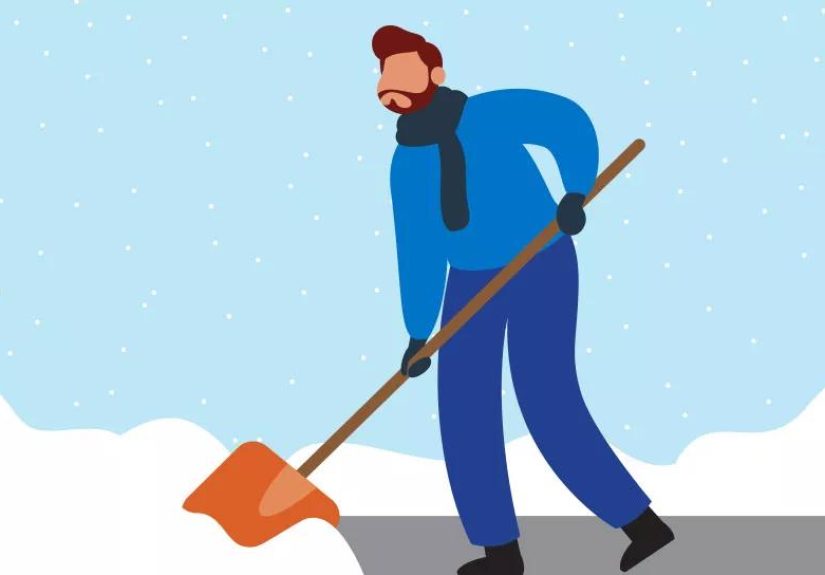
The good news is that snow shoveling does not have to turn into a one-person injury documentary. With smart prep, better body mechanics, and a little patience, you can clear snow while giving your back a fighting chance. The trick is to treat shoveling like real exercise, because that is exactly what it is. It is not a casual little chore. It is lifting, pushing, twisting, balancing, and working in cold weather, often before your coffee has done its job.
If you want to prevent back injury or pain while shoveling snow, think less “weekend warrior” and more “careful human with a spine.” Here is how to make that happen.
Why Snow Shoveling Can Wreck Your Back
Shoveling snow combines several things your back does not love all at once: bending forward, lifting weight away from your body, twisting to toss the snow, and working on a slippery surface. Add cold weather, which can make muscles feel stiffer and less ready for sudden effort, and you have the perfect setup for strains, spasms, and next-day regret.
Wet snow is especially sneaky. It looks fluffy and innocent, then suddenly feels like you are trying to deadlift a soggy mattress. Even light snow becomes a problem when you move too much of it at once or keep going long after your form falls apart.
The biggest back-risk moves are usually the same ones people do without thinking:
- Bending at the waist instead of using the hips and knees
- Lifting giant shovel loads to “save time”
- Throwing snow over one shoulder
- Reaching too far in front of the body
- Working fast without breaks
- Trying to finish everything in one heroic session
Your spine is strong, but it prefers teamwork. When your legs, glutes, and core help out, the back does not have to do all the heavy lifting alone.
Who Should Be Extra Careful Before Picking Up a Shovel
Almost anyone can end up sore after shoveling, but some people need to be especially cautious. If you already have low back pain, a history of disc problems, arthritis, osteoporosis, poor balance, or general deconditioning, snow removal deserves extra respect. The same goes for anyone who has not done much physical activity lately and suddenly decides to perform a cold-weather driveway marathon.
If you have heart disease, high blood pressure, or get short of breath easily, snow shoveling may not be your best winter hobby. In that case, a snow blower, professional help, or a very nice agreement with a younger neighbor may be the smarter option.
Before You Start: Set Yourself Up Like a Pro
1. Pick the right shovel
A lighter shovel is usually better than a giant one that tempts you to carry half the yard in a single scoop. Some people also find an ergonomic or bent-handle shovel more comfortable because it helps reduce how much they bend forward.
2. Dress for movement, not just survival
Wear layers so you stay warm without overheating. Gloves, a hat, and boots with good traction matter. If your feet slide, your back may try to compensate, and that is how small slips turn into big aches.
3. Warm up first
This is the part most people skip because they are eager to “just get it over with.” Bad idea. Spend five to 10 minutes getting your body ready. Walk around indoors, march in place, do gentle torso rotations, bend and straighten your knees, and loosen your hamstrings, hips, and shoulders. You do not need an Olympic warmup. You just need your muscles to stop acting like cold rubber bands.
4. Hydrate before you head outside
Cold weather tricks people into forgetting they are working hard. You can still get dehydrated while shoveling. Drink some water before you start and again during breaks.
5. Shovel early and often
Fresh snow is usually lighter than packed, slushy, stomped-on snow. Clearing a few inches at a time is far easier on your back than waiting until your driveway looks like a ski hill.
How To Shovel Snow Without Angering Your Spine
Use the “push first, lift second” rule
Whenever possible, push the snow instead of lifting it. Pushing generally puts less strain on the back than scooping and throwing. Think of the shovel as a plow before you treat it like a catapult.
Keep the load small
If you must lift, take smaller scoops. Yes, it means more repetitions. No, it is not glamorous. But a few extra passes beat spending the next two days walking like a creaky folding chair.
Bend at the hips and knees
Keep your back more neutral and bend through your hips and knees instead of folding at the waist. Let your legs do the heavy work. They are large, powerful muscles. Your lower back would very much like them to earn their keep.
Keep the shovel close to your body
The farther the load gets from your torso, the more strain it puts on your spine. Keep your hands comfortable, your elbows slightly bent, and the snow close rather than reaching way out in front.
Avoid twisting
This is one of the biggest mistakes. Twisting while lifting is a classic way to irritate the back. Instead of planting your feet and flinging snow sideways with a dramatic spin, turn your whole body by moving your feet. Your back likes boring technique. Give it boring technique.
Do not throw snow over your shoulder
That move belongs in action movies, not on icy driveways. If you need to toss snow, keep the motion small and controlled, and dump it forward whenever possible.
Switch sides sometimes
If you always shovel and toss in the same direction, one side of your body does all the work. Change your grip or direction periodically to reduce overuse.
Pace Yourself So You Do Not Crash Halfway Through
Snow removal is not a race, even if your inner overachiever disagrees. Work at a steady pace, take short breaks, and split the job into sections if needed. It is far better to shovel in stages than to power through until your body starts sending emergency alerts.
Try this simple rhythm:
- Work for 10 to 15 minutes
- Pause briefly to stand upright, breathe, and check how your back feels
- Drink water if you are sweating or working a long stretch
- Resume only if your form still feels solid
If the snow is deep or heavy, clear a narrow path first, then come back for the rest in layers. This is not laziness. This is strategy.
Common Mistakes That Lead to Back Pain
- Starting cold: Going straight from couch mode to shovel mode can shock stiff muscles.
- Taking giant scoops: The bigger the load, the more likely you are to strain something.
- Twisting to dump snow: A major back-pain classic.
- Ignoring fatigue: Form usually falls apart before people notice it.
- Wearing bad footwear: Slips and near-slips are rough on the back.
- Trying to finish in one go: Your driveway does not need your personal sacrifice.
If Your Back Starts Hurting While You’re Shoveling
First, stop. Not “just one more strip.” Not “I am almost done.” Stop. Pain is useful information, not background music.
If the discomfort seems mild and muscular, head inside and rest. You may feel better with ice during the first day or two if the area feels inflamed or freshly strained. Later, some people find gentle heat more soothing for stiffness. Light walking can help, but long bed rest usually does not. The goal is to calm things down without becoming completely inactive.
When you feel better, ease back into movement gradually. Do not go right back outside and challenge the snowbank to a rematch.
When Back Pain After Shoveling Means You Should Get Medical Help
Some soreness is common after hard work. Some symptoms are not. Reach out to a healthcare professional if your pain is severe, keeps getting worse, or is not improving after a few days. Get medical help sooner if you have any of the following:
- Numbness or tingling
- Weakness in one or both legs
- Pain shooting down the leg
- Trouble controlling your bladder or bowels
- Fever with back pain
- Pain after a fall or hard slip
And if shoveling brings on chest pain, dizziness, lightheadedness, unusual shortness of breath, or a racing heartbeat, stop immediately and get urgent medical attention. At that point, the problem may be much bigger than a sore back.
Back-Friendly Snow Shoveling Checklist
- Warm up for 5 to 10 minutes first
- Wear boots with traction and dress in layers
- Use a light shovel and small loads
- Push snow whenever possible
- Bend with hips and knees, not your waist
- Keep the shovel close to your body
- Move your feet instead of twisting
- Take frequent breaks and drink water
- Shovel early before snow becomes packed and heavy
- Stop at the first sign of real pain, chest symptoms, or dizziness
Real-Life Experiences: What Snow Shoveling Teaches You the Hard Way
Anyone who has shoveled snow more than once has probably learned at least one lesson the annoying way. One common experience goes like this: a person wakes up, looks outside, sees a moderate snowfall, and thinks, “This will take 15 minutes.” Forty minutes later, they are breathing hard, one glove is wet, the end of the driveway has turned into a fortress built by the snowplow, and their lower back is sending out distress flares. What went wrong? Usually, they started too fast, took huge scoops, and treated the job like a sprint. Snow almost always punishes optimism.
Another classic experience happens when someone waits too long. The snow looks manageable in the morning, but life gets busy. By afternoon, foot traffic, sun, ice, and moisture have transformed it into a heavy, compacted mess. Now every scoop feels twice as heavy, and every lift requires more force. This is where people start bending farther, jerking the shovel, and twisting harder just to get the snow moving. The body notices. The next morning, they discover muscles they did not know they had.
Then there is the “I am in decent shape, so I will be fine” experience. Fitness helps, but even active people can get hurt if their mechanics are sloppy. A strong gym routine does not magically protect you from twisting while lifting a load on a slick driveway in freezing weather. Many back strains happen not because someone is weak, but because they combine fatigue, cold, and poor form. The body may be capable; the technique is the real issue.
There is also the experience of the one-sided shovel toss. You know the move: scoop, twist, fling to the right, repeat 200 times. It feels efficient until one side of your lower back and ribs starts acting like it filed a formal grievance. Repeating the same motion over and over can create a lot of asymmetrical stress. People often do not notice it until later, when reaching for a coffee mug suddenly feels like an advanced mobility drill.
On the brighter side, people who develop a routine usually have a much better experience. They stretch a little, dress properly, clear the snow in stages, and stop before exhaustion wrecks their form. They push more than they lift. They take smaller scoops. They do not try to launch snow theatrically over their shoulder like winter lumberjacks. And guess what? They often finish the job with energy left and a back that is merely aware of the effort instead of deeply offended by it.
The biggest real-world lesson is simple: snow shoveling rewards patience and punishes ego. The people who stay safest are not always the fastest or strongest. They are usually the ones who respect the task, notice early warning signs, and choose smart technique over dramatic effort. In other words, the best snow shoveler on the block may be the least impressive-looking one, but they are also the one not spending the evening lying flat on the living room rug negotiating with their spine.
Conclusion
Shoveling snow can be a solid winter workout, but it is also one of those chores that can go from routine to painful in a hurry if you rush, twist, or overload your body. The best way to prevent back injury or pain is to keep the job boring in the best possible way: warm up, use good form, take smaller loads, push when you can, and stop before fatigue makes decisions for you.
Your goal is not to prove anything to the snow. Your goal is to clear it and still move like a normal person afterward. That is the real winter win.