Table of Contents >> Show >> Hide
- What Is a Snickerdoodle, Really?
- The Surprisingly Confusing History of Snickerdoodles
- Key Ingredients (and Why They Matter)
- Classic Snickerdoodles Recipe
- Pro Tips for Next-Level Snickerdoodles
- Fun Variations to Try
- Serving, Storing, and Freezing
- Why Snickerdoodles Never Go Out of Style
- Snickerdoodle Experiences: From Bake Sales to Late-Night Cravings
If cookies had personality types, snickerdoodles would be the cozy extroverts of the bunchsoft, a little tangy, rolled in cinnamon sugar, and always the first to disappear from the plate. These classic American cookies show up at bake sales, holiday swaps, and random Tuesday nights when you just need something warm and nostalgic from the oven. But what actually makes a snickerdoodle different from a regular sugar cookie, and why is everyone so obsessed with that mysterious ingredient, cream of tartar?
Let’s dive into the sweet, slightly nerdy world of snickerdoodles: where they came from, why they taste the way they do, how to bake a batch that stays soft for days, and a few fun twists if you’re ready to level up beyond the basic cinnamon-sugar combo.
What Is a Snickerdoodle, Really?
At first glance, a snickerdoodle looks like a simple cinnamon sugar cookie. But there are a couple of important differences:
- Snickerdoodles are rolled in cinnamon sugar before baking, creating a crackly, fragrant crust.
- They traditionally contain cream of tartar, which gives them a subtle tang and a soft, chewy texture that separates them from standard sugar cookies.
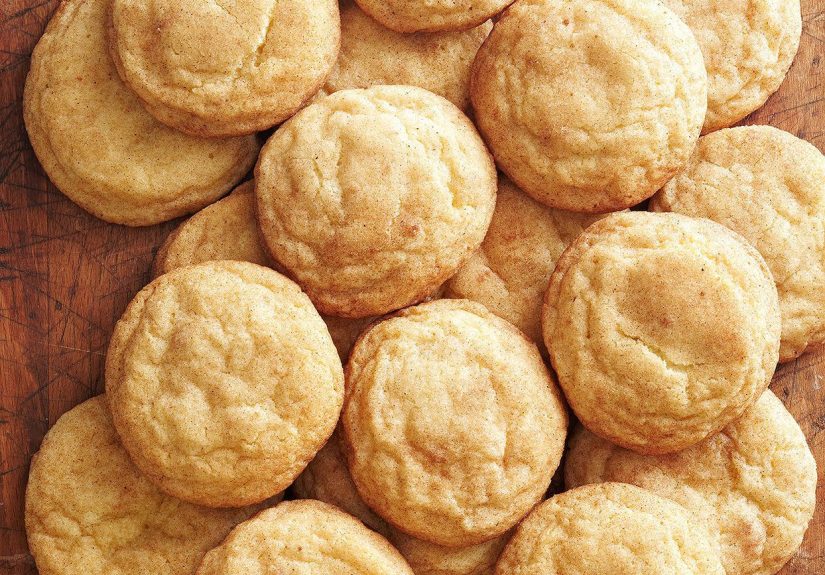
The result is a cookie that’s crisp at the edges, pillowy in the middle, and just complex enough in flavor to feel more grown-up than it looks. That little tang is the secret: without it, you basically just have a cinnamon-coated sugar cookie.
The Surprisingly Confusing History of Snickerdoodles
The origin story of snickerdoodles is delightfully messy, with several competing theories:
- German roots: Many food historians trace the name to the German word Schneckennudel, a type of cinnamon roll or coffee cake. As the recipe and name traveled with German or Dutch immigrants to the U.S., especially into Pennsylvania, the word likely evolved into “snickerdoodle.”
- New England whimsy: Another theory says the name doesn’t mean anything at allit’s just part of a New England tradition of giving cookies silly, sing-song names.
- Snipdoodle & coffee-cake cousins: Some writers point to an earlier treat called a “snipdoodle,” a cinnamon-topped coffee cake popular among Pennsylvania Dutch communities, which may have gradually morphed into the cookie we know now.
By the late 19th and early 20th centuries, snickerdoodle recipes were appearing in American cookbooks and magazines, sometimes even with raisins mixed insomething many modern cookie purists would probably stage a protest over. Over time, the raisin versions faded, and the cinnamon-sugar cookie we recognize today took over as the standard.
Key Ingredients (and Why They Matter)
Butter and Sugar
Many classic recipes use either all butter or a mix of butter and shortening. Butter delivers flavor and helps the cookies spread into those perfect rounds; shortening, when used, can make them a bit thicker and softer. Creaming the butter and sugar properly adds air into the dough, supporting that tender texture.
Eggs and Vanilla
Eggs provide structure and moisture. Vanilla is technically optional, but modern recipes almost always use it to round out the flavor and keep the cookie from tasting one-note.
Flour, Baking Soda, and Salt
All-purpose flour is typical, giving enough structure to hold the cookie together while still staying soft. Baking soda helps the dough puff and then gently collapse into that signature crinkled top, especially when it reacts with cream of tartar. Salt sharpens all the flavors, including the cinnamon.
Cream of Tartar: The Snickerdoodle’s Secret Hero
Cream of tartar is what takes a snickerdoodle from “cinnamon cookie” to “oh wow, what is this?” It:
- Adds a mild tang that you won’t find in regular sugar cookies.
- Works with baking soda to help the cookies rise and then fall into a crinkly, soft texture.
- Helps keep sugar from recrystallizing, so the cookies stay soft longer instead of turning grainy.
You can substitute baking powder if you don’t have cream of tartar, but at that point, you’re edging away from a true snickerdoodle and more into general cinnamon-sugar cookie territory.
The Cinnamon-Sugar Coating
That final roll in cinnamon sugar is more than a garnish. It creates:
- A shimmering crust that catches light and looks bakery-level pretty.
- A fragrant first biteyour nose gets the cinnamon before your tongue does.
- A contrast between the crisp outside and soft, chewy interior.
Classic Snickerdoodles Recipe
Yield: About 24 cookies
Time: 20 minutes prep, 8–10 minutes bake per tray
Ingredients
For the dough
- 1 cup (2 sticks) unsalted butter, softened
- 1 1/2 cups granulated sugar
- 2 large eggs, at room temperature
- 2 teaspoons vanilla extract
- 2 3/4 cups all-purpose flour
- 2 teaspoons cream of tartar
- 1 teaspoon baking soda
- 1/2 teaspoon fine salt
For the cinnamon-sugar coating
- 1/4 cup granulated sugar
- 2 teaspoons ground cinnamon
Instructions
- Preheat and prep. Heat your oven to 375°F (190°C). Line two baking sheets with parchment paper or silicone baking mats.
- Cream the butter and sugar. In a large bowl (or using a stand mixer), beat the butter and 1 1/2 cups sugar together until light and fluffy, about 2–3 minutes. This step traps air in the dough and helps the cookies bake up soft instead of dense.
- Add eggs and vanilla. Beat in the eggs one at a time, scraping down the sides of the bowl. Mix in the vanilla until smooth.
- Whisk the dry ingredients. In a separate bowl, whisk together flour, cream of tartar, baking soda, and salt until everything looks evenly combined.
- Combine wet and dry. Add the dry mixture to the wet ingredients in two additions, mixing on low speed just until no streaks of flour remain. Avoid overmixing; it can make the cookies tough.
- Make the cinnamon-sugar coating. In a small bowl, stir together 1/4 cup sugar and 2 teaspoons cinnamon.
- Shape and roll. Scoop out tablespoon-size portions of dough (or use a small cookie scoop), roll them into balls with your hands, then roll each ball generously in the cinnamon-sugar mixture.
- Arrange on trays. Place the coated dough balls on the prepared baking sheets, leaving about 2 inches between them to allow for spreading.
- Bake. Bake for 8–10 minutes, just until the edges look set and the tops are puffed and cracked. The centers should still look slightly soft; they’ll continue to firm up as they cool.
- Cool. Let the cookies cool on the baking sheet for 5 minutes, then transfer them to a wire rack to cool completely (or at least until you can grab one without burning your fingers).
You now have a batch of snickerdoodles that taste like childhood plus a tiny bit of science experiment in the best way.
Pro Tips for Next-Level Snickerdoodles
- Don’t overbake. Pull them from the oven when the edges are set but the centers still look soft. Overbaking turns them from pillowy to dry and sad very quickly.
- Chill if it’s hot. If your kitchen is warm and the dough feels sticky or loose, chill it for 20–30 minutes. Slightly cooler dough spreads more slowly, giving you thicker, chewier cookies.
- Use fresh cream of tartar. Yes, it can sit in your pantry for ages, but if it’s ancient, it might not be as effective. Fresh leavening makes a noticeable difference in lift and texture.
- Double-coat for extra cinnamon. For hardcore cinnamon fans, press the dough balls lightly into the coating, roll again, and give them a second pass in the mixture.
- Try different sizes. Make mini snickerdoodles for parties and big bakery-style ones (using 2–3 tablespoons of dough per cookie) when you want showstoppers.
Fun Variations to Try
Once you’ve mastered the classic version, snickerdoodles are surprisingly easy to remix:
- Brown butter snickerdoodles: Brown the butter first for deeper, nutty flavor. Let it cool before mixing into the dough.
- Chai-spiced snickerdoodles: Replace some or all of the cinnamon with a chai blend (cardamom, ginger, clove, nutmeg) for a cozy tea-time vibe.
- Stuffed snickerdoodles: Wrap the dough around a small caramel or piece of chocolate for a molten center.
- Whole wheat or oat flour twist: Swap in a small portion of whole wheat or oat flour (about 1/2 cup) for a heartier texture and slightly nuttier flavor.
- Snickerdoodle bars: Press the dough into a pan and bake as bars instead of cookiesan idea popular in many modern recipe collections for when you need dessert fast.
Serving, Storing, and Freezing
Snickerdoodles are at their absolute best within a few hours of baking, when the centers are tender and the cinnamon-sugar crust is still slightly crisp. Serve them:
- With cold milk or hot coffee.
- On a holiday cookie tray alongside sugar cookies, gingerbread, and chocolate crinkles.
- As ice cream sandwich “lids” with vanilla, cinnamon, or caramel ice cream in the middle.
Store leftover cookies in an airtight container at room temperature for 3–4 days. To keep them soft, you can tuck a slice of bread into the container; the cookies will steal the moisture from the bread (it’s a victimless crime, unless you’re the bread).
Snickerdoodle dough freezes well: roll into balls, freeze on a tray, then store in a freezer bag for up to 2 months. Bake from frozen, adding 1–2 extra minutes to the bake time.
Why Snickerdoodles Never Go Out of Style
Snickerdoodles hit that sweet spot between simple and interesting. They’re easy enough for beginning bakers, nostalgic enough for grandparents, and still cool enough to show up in bakery cases, dessert blogs, and holiday cookie boxes across the U.S. year after year.
They’re also incredibly forgiving: no frosting to fuss with, no complicated decorations, just a bowl, a whisk, and a cinnamon-sugar spa treatment before baking. If you’re building a go-to recipe collection, snickerdoodles absolutely belong on your short list.
Snickerdoodle Experiences: From Bake Sales to Late-Night Cravings
Beyond the recipe, part of what makes snickerdoodles special is how often they show up in real life. These cookies have a way of sneaking into memories and becoming “that cookie” everyone asks you to make.
Picture this: you bring a tray of still-warm snickerdoodles to an office potluck. There might be fancy dessertscheesecakes, layered bars, something involving a blowtorch and meringuebut the snickerdoodles disappear first. People recognize them instantly, grab one “just to taste,” and then circle back for seconds. Someone will inevitably say, “Wow, I haven’t had these since my grandma used to make them.”
At kids’ events, snickerdoodles are a quiet parenting hack. They look plain compared to sprinkle-heavy cookies, but the cinnamon sugar wins children over quickly. They’re easy to hold, not crumbly like some shortbread, and they don’t leave neon icing stains all over tiny hands and clothes. You can label them without any hype and still come home with an empty container.
They also shine during the holidays. In December, kitchens all over the U.S. turn into production lines: some families roll out decorated sugar cookies, others shape gingerbread people. But there’s almost always one person whose job is “the snickerdoodle person.” That’s the baker who knows exactly how long to bake them, how soft the dough should feel, and who is suspiciously protective of the cream of tartar jar.
A lot of bakers find that snickerdoodles become their “gateway” cookiethe one that teaches them how important seemingly small details are. The first time you overbake them, you learn just how quickly soft and chewy can turn into dry and crunchy. The first time you forget the cream of tartar, you discover you’ve accidentally made an entirely different cookie. And the first time you chill the dough on a hot day and see how much better they hold their shape, you start to appreciate that baking is both art and science.
Snickerdoodles are also great for experimenting without fear. Want to play with brown butter? Try it here. Curious about swapping in a bit of whole wheat flour? This dough can handle it. Need a dessert you can dress up with ice cream or caramel sauce for company but still enjoy plain on the couch while watching TV? Snickerdoodles fit every role. They’re simple enough for beginners but flexible enough for more experienced bakers who like to tinker.
And then there’s the late-night factor. Because the ingredients are so basicflour, sugar, butter, eggs, cinnamonyou can usually make snickerdoodles on a whim. No special chocolate, no nuts to toast, no fancy equipment. Just a craving, a mixing bowl, and 30 minutes. By the time you’ve finished loading the dishwasher or catching up on a podcast, the first batch is already cooling on the counter, scenting your entire kitchen with cinnamon.
That’s why snickerdoodles stay popular: they’re more than a recipe. They’re a baking confidence-builder, a nostalgia machine, and a reliable way to make people smile with very little effort. Once you’ve made them a few times, you don’t even need to look at the recipe. Your hands remember the feel of the dough, and your nose knows exactly when they’re done. At that point, snickerdoodles have officially become part of your personal baking story.