Table of Contents >> Show >> Hide
- What a spider bite usually looks and feels like
- The spiders in the U.S. that matter most medically
- How to identify a spider bite without overdiagnosing every bump
- Spider bite treatment at home
- When to see a doctor for a spider bite
- How long does a spider bite take to heal?
- Spider bites in children
- How to prevent spider bites
- Experience-based examples: what spider bite situations often look like in real life
- Final thoughts
Spider bites have a strange talent for stealing the spotlight. A mystery bump appears, it hurts, it itches, and suddenly everyone in the room becomes an amateur arachnologist. The truth is less dramatic but far more useful: most spider bites are minor, many suspicious skin spots are not spider bites at all, and the best response usually starts with calm, basic first aid. That said, a few bites deserve real respect. If a black widow or brown recluse is involved, or if symptoms start traveling beyond the skin, it is time to stop playing detective and get medical help.
This guide walks through how to think about spider bite identification, what symptoms actually matter, how treatment works at home and in a medical setting, and when a bite crosses from annoying to urgent. Consider it your no-panic, no-nonsense field guide to one of the internet’s favorite skin mysteries.
What a spider bite usually looks and feels like
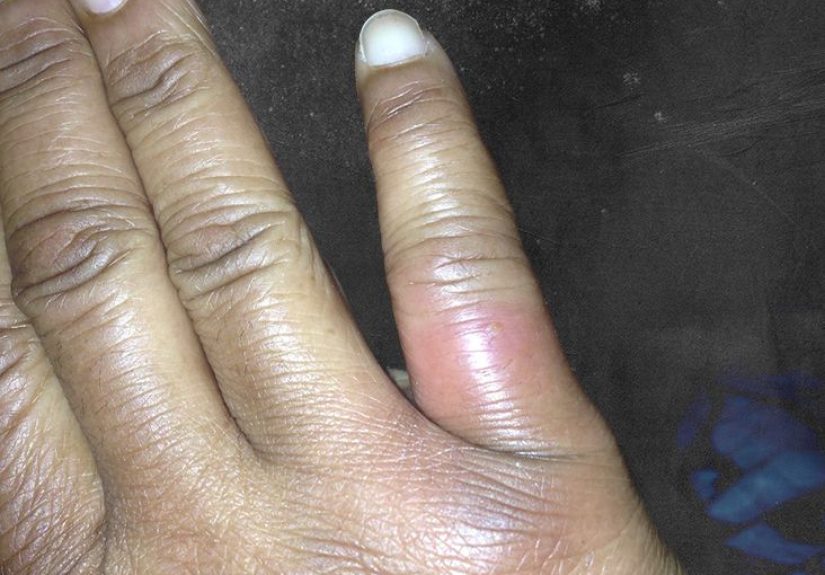
Most spider bites cause mild, local symptoms. Think redness, slight swelling, tenderness, itching, or a small sore spot that looks a lot like other bug bites. In many cases, the bite site can resemble a bee sting more than a Hollywood disaster scene. It may be uncomfortable, but it often improves with simple care over a few hours to a few days.
Here is the catch: a bump that appears overnight is often blamed on a spider even when no spider was seen. Dermatologists and toxicology experts have warned for years that skin infections, inflamed hair follicles, bed bug bites, flea bites, allergic rashes, and even certain skin cancers can be mistaken for a “spider bite.” In plain English, not every mysterious red spot comes with eight legs and bad intentions.
Clues that support a possible spider bite
A spider bite becomes more believable when you actually saw or felt the spider, the symptom started shortly afterward, and the mark is a single painful or irritated area rather than a cluster of bumps. Spiders do not typically feed on people, so they do not line up for repeated snack breaks the way bed bugs or fleas do.
Clues that suggest it may be something else
If you have multiple bites in a line or cluster, if the area is draining, if it keeps getting bigger without a known bite event, or if the rash appears in several places at once, other causes move higher on the list. A sore that becomes more inflamed over time can also be an infection that needs medical evaluation, not a spider mug shot.
The spiders in the U.S. that matter most medically
In the United States, the two spiders most often linked with medically significant bites are the black widow and the brown recluse. That does not mean every black or brown spider is dangerous. It means these are the names healthcare professionals pay the most attention to when symptoms match the pattern.
Black widow spider bites
Black widow bites often begin with pain that can spread beyond the bite area. The skin mark itself may look surprisingly modest, which feels unfair for something with such a dramatic name. Over the next several hours, some people develop muscle cramping, sweating, nausea, restlessness, and pain that radiates into the abdomen, back, or chest. This is why black widow bites can be confused with other urgent medical problems.
The classic adult female black widow is glossy black with a red or orange hourglass marking on the underside of the abdomen. But nature, being nature, does not always hand out perfectly labeled specimens. So visual identification helps, but symptoms matter more than your confidence level after one online image search.
Brown recluse spider bites
Brown recluse bites may start out quietly. Some people do not notice much at first, then develop pain, redness, and a small blister later. In certain cases, the center of the area can become pale or dusky and may worsen into a deeper wound over time. Not every brown recluse bite causes serious skin damage, but when it does, the tissue injury can take time to declare itself.
Brown recluse spiders are most commonly associated with the Midwest and south-central or southern parts of the U.S. They are often found in quiet, dry, sheltered places such as closets, attics, shoes, storage boxes, wood piles, and undisturbed corners. They do not charge across the room looking for trouble. Most bites happen when the spider gets trapped against the skin, such as inside clothing or bedding.
How to identify a spider bite without overdiagnosing every bump
Let us be honest: identifying a spider bite is tricky. Even clinicians often cannot confirm the diagnosis unless the spider was seen and safely collected. The goal is not to become a backyard toxicologist. The goal is to recognize patterns that help you choose the right next step.
Ask these simple questions
Did you actually see the spider? If yes, that helps. If no, keep your mind open.
Is the reaction local or body-wide? Local redness and swelling are usually less concerning than muscle cramps, trouble breathing, vomiting, or severe pain.
Is the mark staying stable or getting worse? A spot that grows, darkens, ulcerates, or becomes much more painful deserves medical attention.
Could this be an infection or another bite? Clusters, drainage, fever, or spreading redness can point away from a spider and toward infection or another cause.
Should you save the spider?
Only if it can be done safely. If the spider is already dead or easy to trap without risk, place it in a secure container for identification. Do not chase it around the garage like this is an action movie. Medical care matters more than insect-level forensics.
Spider bite treatment at home
For mild bites, home care is usually enough. The big goals are to reduce pain, control swelling, protect the skin, and watch for symptoms that suggest you need more help.
Basic first aid steps
Wash the area gently with mild soap and water. This helps lower the chance of a secondary infection and clears away dirt or bacteria that may have gotten into the skin.
Apply a cool compress or ice pack wrapped in cloth for about 15 minutes at a time. Cooling the area can reduce pain and swelling. Do not place ice directly on bare skin unless your plan is to trade one injury for another.
Elevate the area if the bite is on an arm, hand, leg, or foot. Less swelling is always welcome.
Use an over-the-counter pain reliever if needed. If itching is the main issue, an antihistamine or hydrocortisone cream may help, provided the skin is intact and you are using the product as directed.
Try not to scratch. Yes, this is boring advice. It is also excellent advice. Scratching can irritate the skin and raise the risk of infection.
What not to do
Do not cut the skin. Do not try to suck out venom. Do not apply random household remedies from the dark corners of the internet. If a tip sounds like it belongs in a cowboy movie or a conspiracy forum, skip it.
When to see a doctor for a spider bite
Some symptoms should move you from home treatment to professional care pretty quickly. This is especially true for children, older adults, and anyone with a serious underlying health condition.
Get urgent or emergency care if you have:
Problems breathing or swallowing, severe muscle cramps, chest pain, intense abdominal pain, repeated vomiting, faintness, rapid worsening pain, a growing wound, spreading redness, red streaks, face or mouth swelling, or signs of a serious allergic reaction.
You should also seek care if you think the bite came from a black widow or brown recluse, or if you are not sure but the symptoms are more than mild. A bite on a child that seems dramatic or unusually painful should not be handled with a shrug and a search bar.
What treatment might a doctor provide?
Medical treatment depends on the spider and the symptoms. For black widow bites, clinicians may use pain medication, muscle relaxers, fluids, and occasionally antivenom in severe cases. For brown recluse bites, treatment is generally supportive: wound care, pain control, tetanus review, and close monitoring. If the skin breaks down or infection develops, further care may be needed.
Antibiotics are not routinely used for every spider bite. They are used when there is evidence of bacterial infection. That matters because a lot of people assume “red skin equals antibiotics,” and medicine is rarely that lazy.
How long does a spider bite take to heal?
Mild spider bites often improve within a few days. Black widow symptoms can be intense but often ease over one to three days with proper care. Brown recluse bites are more unpredictable. Some stay mild, while others evolve slowly and can take weeks to heal if skin injury develops.
The takeaway: if the bite is improving, that is reassuring. If it is deepening, spreading, or becoming more painful instead of less, do not wait around hoping time will develop a better bedside manner.
Spider bites in children
Kids are excellent at two things: finding hidden corners and underreporting important details until bedtime. A child with a spider bite may only say that something hurts or itches. Because young children can become sicker faster from venom effects or dehydration, it is smart to have a lower threshold for calling a healthcare professional if symptoms seem significant.
Seek prompt care if a child has widespread pain, vomiting, unusual fussiness, muscle cramping, trouble breathing, facial swelling, or a bite that rapidly worsens. A mild bite with minor redness can still often be managed with gentle washing, cool compresses, and observation.
How to prevent spider bites
Prevention is not glamorous, but it works. Spiders prefer dark, quiet, undisturbed spaces, which unfortunately describes a lot of garages, sheds, closets, and that one box in the basement nobody has opened since 2019.
Smart prevention habits
Shake out shoes, gloves, towels, clothing, and bedding if they have been stored in a garage, shed, barn, attic, or basement. Wear gloves and long sleeves when moving firewood, boxes, rocks, or other stored materials. Reduce clutter indoors. Vacuum webs and corners regularly. Seal cracks and gaps where spiders can enter. Brush spiders off instead of crushing them against your skin, because bites are more likely when a spider gets trapped.
Spiders are helpful predators outdoors, so the goal is not to launch a tiny eight-legged eviction war against the planet. It is simply to keep them from sharing your sleeves, shoes, and pillowcase.
Experience-based examples: what spider bite situations often look like in real life
Real-world spider bite stories tend to be a lot less cinematic and a lot more ordinary. One common experience goes like this: someone cleans out a garage, feels a quick sting on the wrist, and notices mild redness by dinner. They wash it, use a cold compress, take an over-the-counter pain reliever, and by the next day it is already less tender. That is the boring, happy ending most people should root for.
Another common scenario is the “mystery bump panic.” A person wakes up with a sore red spot on the leg, assumes a spider is guilty, and spends the morning comparing online images. A day later, there are actually three nearby bumps, all itchy, all about the same size. That pattern is more consistent with another bug bite or skin irritation than a true spider bite. In many cases, what people call a spider bite turns out to be something else entirely, which is why diagnosis by guesswork can go sideways fast.
Then there is the black widow experience, which people often describe as strangely misleading at first. The skin mark may not look severe, but the body has other opinions. A person may notice increasing pain, followed by tight muscles, sweating, or cramping that spreads into the back or stomach. That disconnect between a small-looking bite and bigger body symptoms is one reason black widow bites deserve attention.
Brown recluse stories often unfold in slow motion. Someone may not feel much at first, then later notice increasing pain, a blister, or a center that starts to look pale or dusky. Because the bite can worsen over time instead of all at once, people sometimes wait too long, assuming it will settle down by morning. When a wound keeps growing or darkening rather than calming down, that is not the moment for heroic patience.
Parents often report a different kind of experience: uncertainty. A child says, “Something bit me,” but there is no spider, no clear timeline, and no way to tell whether it is a bite, a rash, or an irritated scratch. In that situation, watching the child matters more than naming the culprit. Is the area getting bigger? Is the child uncomfortable in a way that seems out of proportion? Are there body-wide symptoms like vomiting, cramping, or trouble breathing? Those answers are more useful than winning the spider identification quiz.
People who work outdoors or handle storage items indoors also share the same lesson again and again: prevention feels silly until the day it feels genius. Shaking out gloves, checking boots, moving boxes with sleeves on, and wearing gloves while carrying firewood do not seem dramatic. They are also exactly the habits that reduce accidental contact when spiders are hiding where spiders love to hide.
Perhaps the most practical experience of all is this one: many “spider bites” get better with simple care, and the ones that do not usually give you clues. More pain. More swelling. More body symptoms. More skin breakdown. In bite care, “more” is often the sign that it is time for “medical help.”
Final thoughts
Spider bites sit at the intersection of medicine, myth, and midnight internet anxiety. Most are mild. Some are not. The smartest approach is not fear; it is pattern recognition. Clean the area, cool it, elevate it, control symptoms, and keep an eye on the direction things are moving. Better is reassuring. Worse is information. Fast-worsening symptoms, severe pain, body-wide reactions, or a growing wound all deserve professional care.
And remember: if you did not actually see a spider, you are allowed to keep your options open. Sometimes the most dangerous part of a “spider bite” is mislabeling it and missing what it really is.