Table of Contents >> Show >> Hide
- What Is Steaming, Exactly?
- Health and Nutrition Benefits of Steaming
- Foods That Are Perfect for Steaming
- Basic Steaming Equipment (and DIY Setups)
- Step-by-Step: How to Steam Food Perfectly
- Common Steaming Mistakes (and How to Avoid Them)
- Steaming vs. Other Cooking Methods
- Real-Life Steaming Experiences and Pro Tips (500-Word Deep Dive)
If you’ve ever lifted the lid off a pot and gotten a friendly little facial from a cloud of steam, you’ve already met one of the most underrated cooking methods in the kitchen. Steaming is a classic moist heat cooking method that uses vapor, not direct contact with water or oil, to turn raw ingredients into tender, flavorful food. It’s gentle, it’s healthy, and it’s a lot more versatile than a humble plate of steamed broccoli might suggest.
In this guide, we’ll break down what steaming actually is, why chefs and nutrition experts love it, which foods shine in a steamer, and how to nail the technique at homeeven if you don’t own a fancy steamer basket. We’ll also compare steaming with other moist heat cooking methods and sprinkle in practical, real-life tips so you can confidently put your pots and pans to work.
What Is Steaming, Exactly?
Steaming is a moist heat method where food is cooked by the heat of steam produced from boiling liquid, usually water. The food sits above the water, not in it. Once the water reaches a full boil at around 212°F (100°C), it turns into steam, which transfers heat to the surface of the food and cooks it through.
Unlike boiling or simmering, where food is submerged and agitated by moving water, steaming keeps ingredients relatively still and cushioned in vapor. That’s why it’s perfect for delicate foods like fish fillets, dumplings, or tender veggies that you don’t want battered around by bubbles.
Why Steaming Is a Moist Heat Method
Culinary schools group cooking techniques into three big families: dry heat (like roasting and grilling), moist heat (like steaming and poaching), and combination methods (like braising). Steaming falls under moist heat because wateror another liquidis the source of energy. Even though the food doesn’t actually touch the water, the vapor that surrounds it comes from boiling liquid, which makes steaming part of the moist heat club.
What makes steaming extra interesting is that it uses moisture plus relatively high temperature with very little agitation. That combo leads to foods that are soft, tender, and juicy without being mushy or waterlogged (assuming you don’t forget them on the stove).
Health and Nutrition Benefits of Steaming
When people call steaming one of the healthiest ways to cook, they’re not just trying to sell you a countertop appliance. There’s real science behind it.
Better Nutrient Retention
Water-soluble vitamins like vitamin C and many B vitamins are sensitive to both heat and water. When you boil vegetables, a good chunk of those nutrients can leach out into the cooking liquid. Studies comparing different cooking methods have found that steaming tends to preserve more vitamin C and other nutrients than boiling or blanching because the food has less direct contact with water.
Practical translation: your steamed broccoli has a better chance of hanging onto its vitamins than broccoli that’s been boiled into submission.
Less Fat, Fewer Calories
Steaming doesn’t require oil or butter to do its thing. You can absolutely add fats later for flavor, but the cooking itself depends on vapor, not fat. This makes steaming a go-to technique for anyone watching calories or trying to cut back on fried or heavily sautéed dishes.
And because steam helps food stay moist, you’re less likely to end up with dry, leathery chicken or fish that “needs” a heavy sauce to be edible.
Better Color, Texture, and Flavor
When vegetables are steamed properly, they usually come out with brighter color and a crisp-tender texture instead of turning dull and mushy. That’s because steaming uses gentle heat and doesn’t agitate the food, so cell walls break down just enough to soften without being destroyed.
Flavor-wise, steaming lets the ingredient itself shine. Since you’re not drowning it in water or browning it with high, dry heat, the natural taste is more intact. That’s a blessing with fresh produce and delicate seafood, though it also means you’ll want to season thoughtfully.
Foods That Are Perfect for Steaming
You probably think of veggies first when you hear “steamed,” but the method works beautifully for a wide range of ingredients.
Vegetables
Steaming is practically a vegetable love language. Broccoli, green beans, carrots, cauliflower, asparagus, and leafy greens all steam well and maintain great color, texture, and nutrients.
Quick example:
- Broccoli florets: 4–6 minutes until bright green and crisp-tender.
- Green beans: 5–7 minutes for tender but snappy beans.
- Carrot coins: 6–8 minutes depending on thickness.
Toss with a drizzle of olive oil, a squeeze of lemon, and a sprinkle of salt and pepper, and suddenly “steamed vegetables” sounds like a dish you actually want.
Fish and Seafood
Delicate proteins love steam. Fish fillets, shrimp, scallops, and mussels all cook gently and evenly in vapor. Because there’s no harsh direct heat, you’re far less likely to overcook and dry them out.
Try this simple combo: white fish fillets, a bed of sliced lemon, fresh herbs, and a bit of salt and pepper. Steam until the fish flakes easily with a forkusually 8–12 minutes depending on thickness.
Chicken and Other Meats
Boneless, skinless chicken breasts, thighs, or meatballs can all be steamed, especially when you want a lower-fat, high-moisture result. Steamed chicken is common in many cuisines and works well in salads, rice bowls, and noodle dishes.
To keep things flavorful, marinate the chicken or season it generously before steaming, and finish with a sauce or dressing.
Dumplings, Buns, and Grain-Based Foods
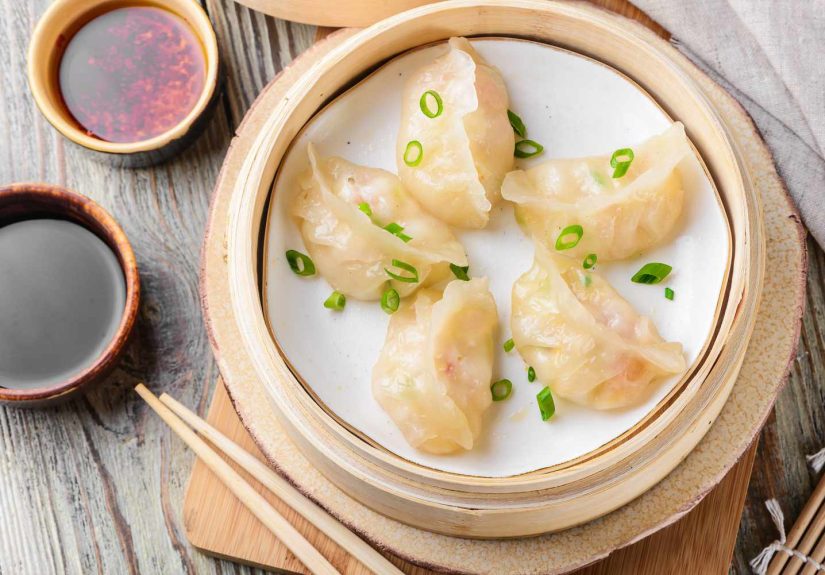
Steaming is the backbone of many dumplings, buns, and cakes: think shrimp dumplings, vegetable momos, fluffy bao, idli, and certain sponge cakes. The moist environment helps them rise and set without drying out or cracking.
You can also steam rice, sticky rice, and some whole grains or reheat cooked grains without drying them out.
Basic Steaming Equipment (and DIY Setups)
You don’t need a specialty appliance to take advantage of steaming. In fact, many home cooks already own everything they need.
Classic Options
- Steamer basket: A metal or silicone basket that sits above boiling water in a pot. It’s adjustable, durable, and inexpensive.
- Bamboo steamer: Popular in Asian cooking, these stackable baskets sit over a wok or pot of boiling water. They’re great for dumplings, buns, and veggies.
- Electric steamer or multi-cooker: Countertop steamers and multi-cookers offer timed, set-it-and-forget-it steaming modesperfect for busy days.
How to Steam Without a Steamer
No basket? No problem. Food writers and test kitchens offer several clever hacks using tools you already own:
- Plate-on-foil method: Put a few balls of aluminum foil in a pot, rest a heatproof plate on top, add a shallow layer of water below the plate, cover, and steam.
- Strainer or colander method: Set a metal strainer or colander over a pot of simmering water, making sure it doesn’t touch the water, and cover.
- Wire rack in a deep pan: Place a small rack or inverted bowl in a deep pan, add water below the level of the rack, place food in a dish on top, cover, and steam.
The only non-negotiables: the food must be above the water, the pot must be covered, and the water must be kept at a steady simmer or boil.
Step-by-Step: How to Steam Food Perfectly
1. Add Water and Set Up
Pour 1–2 inches of water into your pot or pan. You want enough to produce steam for the entire cooking time but not so much that it touches the food. Insert your steamer basket, bamboo steamer, strainer, or improvised steaming platform.
2. Bring Water to a Boil
Cover the pot and bring the water to a full rolling boil over medium-high heat. Once you see steady steam escaping, you’re ready to add the food.
3. Add Food and Cover Immediately
Arrange food in a single layer if possible, leaving space between pieces so steam can circulate. Cover the pot quickly to trap heat and moisture. Don’t walk off and forget ittime matters here.
4. Adjust Heat and Steam
After returning to a good level of steam, you can usually lower the heat a bit to maintain a steady simmer. Too high and you may evaporate the water too quickly; too low and you’ll barely cook anything.
5. Check for Doneness
Use a timer as a guide, but rely on sensory cues:
- Vegetables: Bright color and tender texture when pierced with a knife.
- Fish: Opaque flesh that flakes easily.
- Chicken: No pink inside; juices run clear; internal temp around 165°F.
- Dumplings/buns: Dough looks set and slightly puffed; interior is hot and cooked through.
6. Season and Finish
This is where you bring personality to your steamed dish. Drizzle with olive oil, toasted sesame oil, or melted butter; sprinkle with herbs, spices, or citrus; or toss with a light sauce or dressing. Steaming is neutralyour finishing touches do the talking.
Common Steaming Mistakes (and How to Avoid Them)
Overcrowding the Basket
If you cram in too much food, steam can’t circulate evenly, so some pieces overcook while others stay too firm. Give your ingredients a little breathing room and cook in batches if necessary.
Letting the Pot Run Dry
When the water level gets too low, it can evaporate completely, burn the pan, and ruin the food. (Also, your smoke alarm will not appreciate it.) Check the water occasionally during longer steaming sessions and add hot water if needed.
Under-Seasoning
Steaming doesn’t automatically mean “bland,” but if you skip seasoning, the result will taste flat. Season before steaming when possibleusing marinades, spice rubs, or aromatic ingredientsand finish with extra flavor at the end.
Steaming for Too Long
Because steaming is gentle, it’s tempting to think “a few more minutes can’t hurt.” It can. Over-steamed vegetables turn mushy, and fish can go from silky to dry. Stick to recommended time ranges and test early.
Steaming vs. Other Cooking Methods
So where does steaming fit among other moist heat cooking methods and common techniques?
- Steaming vs. boiling: Boiling submerges food in bubbling water, which can cause nutrient loss and texture breakdown. Steaming keeps food above the water, leading to less leaching and gentler cooking.
- Steaming vs. simmering or poaching: Simmering and poaching cook food gently in hot liquid, which can be great for infusing flavor but may still cause nutrient loss into the liquid. Steaming avoids direct contact with the cooking liquid and any agitation.
- Steaming vs. roasting or grilling: Dry heat methods develop browning and caramelization, bringing big flavor and crispy textures. They can, however, dry out lean ingredients and often require added fats. Steaming trades crispy edges for moisture, tenderness, and nutrition.
- Steaming vs. microwaving: Both can preserve nutrients well when used correctly. Microwaving can be very fast and efficient; steaming offers more control over texture and is often easier for larger quantities.
In practice, you don’t need to choose a single “best” method. Many home cooks pair steaming with other techniqueslike steaming vegetables and then quickly sautéing them for a hint of char, or steaming chicken before finishing it on the grill.
Real-Life Steaming Experiences and Pro Tips (500-Word Deep Dive)
Steaming sounds simple on paper, but most home cooks learn its quirks through experiencethe slightly underdone broccoli, the fish that stuck to the basket, or the time someone forgot to add enough water and discovered “smoked” vegetables instead.
Learning the Line Between Crisp-Tender and Overcooked
One of the most common experiences people share with steaming is figuring out their personal “perfect doneness.” Cookbooks may say 5–7 minutes, but your stove, your pot, and your ingredients all behave slightly differently. The first few times you steam vegetables, it’s worth lifting the lid early (quickly, to avoid losing too much heat) and testing a piece with a fork. If it still feels too firm, give it another minute or two and check again.
Over time, you’ll recognize visual cues: the moment broccoli turns a punchy green, asparagus just bends when you pick it up, or green beans smell intensely “green.” Those tiny details are the difference between “meh” and “wow.”
Steaming as a Weeknight Lifesaver
Many busy home cooks eventually realize steaming is the secret weapon they’ve been ignoring. Once your setup is ready, the active work is minimal. You can steam a piece of fish and a pile of vegetables in the time it takes to cook rice or reheat leftover grains.
Picture this: you set rice in the cooker, put a pot of water on the stove with a steamer basket, and while it heats, you season fish and chop vegetables. When the water boils, you add the veggies for a few minutes, then stack the fish on a separate rack or in a heatproof dish above them. Dinner is ready in under 20 minutes, with almost no splatter or mess. That’s the kind of experience that converts people into steaming fans.
Experimenting with Aromatics and Flavored Steam
Another fun realization many cooks have is that you can infuse subtle flavor into your food just by tweaking what’s in or under the steamer. Adding slices of lemon, ginger, garlic, scallions, or herbs either directly under the food or in the water can give your steamed dishes a gentle aromatic boost.
For example, sliding a few ginger coins and scallion pieces into the water beneath a bamboo steamer of fish and vegetables can lightly perfume everything above. It won’t taste as strong as a sauce, but the hint of fragrance makes the meal feel more intentional and restaurant-worthy.
Discovering That Steaming Isn’t Just “Diet Food”
Plenty of people approach steaming like a necessary evilsomething you do when you’re “being good.” But once you start exploring the variety of dishes that rely on steam, that mindset shifts. Think of fluffy bao filled with savory pork, translucent shrimp dumplings, soft idli with coconut chutney, or gently steamed sponge cakes. These are anything but boring.
At home, you might start with steamed vegetables for health, then move on to your first batch of dumplings or buns. Many cooks recall the thrill of lifting the lid and seeing perfectly puffed buns or translucent dumpling wrappers that didn’t split or burst. It’s a little bit of kitchen magic, powered by nothing more than water and heat.
Using Steaming for Leftovers and Meal Prep
Another “aha” moment: steaming is fantastic for reviving leftovers. Instead of microwaving rice or cooked vegetables until they dry out, you can quickly steam them. A few minutes in a steamer basket softens rice, rejuvenates roasted vegetables, and warms cooked chicken without giving it that rubbery texture.
Many meal-preppers eventually adopt a two-step approach: they’ll roast or sauté ingredients on the weekend for flavor, then gently steam portions during the week to reheat them without sacrificing moisture. This small adjustment can make prepped food taste freshly cooked again.
The Confidence Boost of a Reliable Method
Finally, one of the biggest experiential benefits of learning to steam well is the confidence it brings. Once you know how to set up a pot, adjust the heat, and judge doneness, you can apply that skill to a wide range of ingredients and cuisines. You’re not relying on a specific recipe so much as a flexible technique.
That confidence transforms steaming from “a diet trick” into a genuine, everyday toolone that helps you cook healthier, faster, and more delicious food with less stress. And in a busy kitchen, that might be the biggest benefit of all.
SEO JSON