Table of Contents >> Show >> Hide
- Why Prime Day Is a Sneaky-Good Time to Prep
- The “Start Here” Emergency Kit (What Most Households Actually Need)
- 1) Water: the one supply you can’t improvise
- 2) Food: shelf-stable, no-drama calories
- 3) Light + power: because phones don’t charge themselves
- 4) Communication: don’t rely on one info source
- 5) First aid + meds: customize for your household
- 6) Hygiene + sanitation: the comfort category people forget
- 7) Home safety + tools: small items, big payoff
- Prime Day Shopping Strategy: How to Get the Good Stuff (and Skip the Junk)
- Build It in Layers: A Simple Priority Order
- Quick “Prime Day Emergency Kit” Bundles by Budget
- After You Buy: Make Your Supplies Actually Useful
- Real-World Lessons: Experiences People Share After the Power Goes Out (500+ Words)
- Conclusion
- SEO Tags
Prime Day is basically the Super Bowl of “ooh, that’s a good price” shopping. And while it’s tempting to use the event to
finally buy that gadget you’ll swear you need (until it arrives and becomes a very expensive drawer ornament), Prime Day
is also one of the smartest times to stock up on emergency supplies.
Why? Because emergency preparedness isn’t glamorous. A 7-gallon water container doesn’t spark joy the way a new TV does.
But when a storm knocks out power, a wildfire makes the air gross, or your local water system has an unexpected issue,
“boring” supplies suddenly become the main characters.
This guide walks you through what to prioritize, what typically goes on sale during Prime Day, and how to shop like a calm,
organized adulteven if your inner goblin is yelling “ADD TO CART” in all caps.
Why Prime Day Is a Sneaky-Good Time to Prep
Prime Day deals often favor practical categories: batteries, flashlights, power banks, small appliances, home safety gear,
and pantry staples. In other words: the exact stuff you’ll wish you had when life gets inconvenient.
Preparedness isn’t about panicit’s about fewer headaches
Emergency kits are less “doomsday bunker” and more “I’d like to keep everyone fed, hydrated, informed, and reasonably un-miserable
for a few days.” Federal, medical, and humanitarian organizations generally recommend building a basic kit with water, food, light,
communication, first aid, and sanitation essentialsthen customizing based on your household.
Prime Day shopping is time-limited, so you need a plan
Prime Day typically includes limited-time promotions (like Lightning Deals) and app-based deal alerts, which is greatif you’ve already
decided what you need. If you haven’t, you’ll end up impulse-buying a waffle maker the size of a manhole cover.
The “Start Here” Emergency Kit (What Most Households Actually Need)
If you don’t have an emergency kit yet, don’t overcomplicate it. Start with a 72-hour baseline for each person, then build toward a more
comfortable at-home supply. Many official checklists begin with the same core categories: water, food, light, communication, first aid, and
hygiene.
1) Water: the one supply you can’t improvise
A common guideline is to store at least 1 gallon of water per person per day for several days (drinking + sanitation).
If possible, building toward a longer supply adds flexibilityespecially for hot climates, illness, or larger households.
Prime Day deal targets for water:
- Stackable water jugs (space-efficient storage)
- Collapsible water containers (great for small apartments or car kits)
- Reusable bottles and replacement filters (if you already use a filter system)
- Waterproof storage bins to keep supplies clean and contained
2) Food: shelf-stable, no-drama calories
Emergency food should be non-perishable, easy to prepare, and familiar enough that your household will actually eat it. Think:
canned proteins, nut butters, trail mixes, shelf-stable milk, crackers, rice packets, soups, and ready-to-eat meals.
Prime Day deal targets for food:
- Pantry staples you already like (canned beans, tuna/salmon, soups, pasta, oats)
- High-calorie snacks (protein bars, jerky, nuts, dried fruit)
- Manual can opener (the unsung hero of “why didn’t I buy this sooner?”)
- Food storage: airtight containers, zip bags, labels, and a tote for “grab-and-go”
3) Light + power: because phones don’t charge themselves
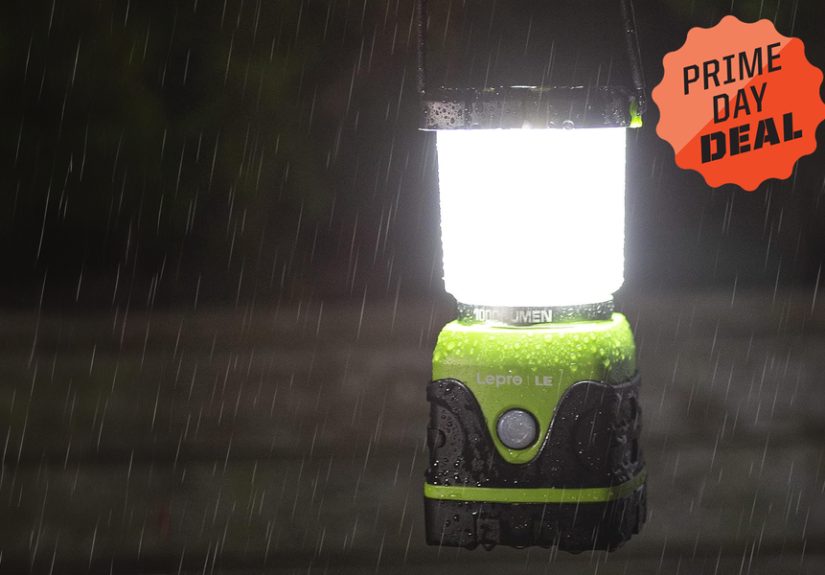
During outages, lighting and device power matter more than people expect. A headlamp keeps your hands free, a lantern makes a room usable,
and a power bank keeps your phone alive for updates, emergency calls, and that one relative who will text “are you okay???” every 11 minutes.
Prime Day deal targets for light + power:
- Headlamps (look for comfortable straps and multiple brightness modes)
- LED lanterns (battery-powered or rechargeable)
- Power banks (higher capacity for longer outages)
- Rechargeable AA/AAA batteries + a reliable charger
- Battery power stations (quiet backup power for devices and small appliances)
- Extension cords and surge protectors for safe, organized charging
Quick safety note: if you use any fuel-burning equipment during a power outage, follow public health guidance to prevent carbon monoxide exposure.
(Translation: keep combustion sources outdoors and well away from your home, and use working CO detectors.)
4) Communication: don’t rely on one info source
When internet or cell service is spotty, a battery-powered or hand-crank radio can keep you informed. NOAA Weather Radio broadcasts official
weather and hazard information continuously, including alerts and warnings.
Prime Day deal targets for communication:
- NOAA weather radio (battery, rechargeable, or hand-crank models)
- Walkie-talkies for short-range communication (useful in large buildings or neighborhoods)
- Spare charging cables and a small cable organizer pouch
5) First aid + meds: customize for your household
A basic first aid kit is a great start, but the real win is tailoring it to your home: allergy meds if you need them, extra contact supplies,
spare glasses, and a plan for prescription refills. Many preparedness lists also include masks (for dust or smoke), gloves, and a thermometer.
Prime Day deal targets for health supplies:
- First aid kit (or refill packs if you already have one)
- OTC essentials (pain relief, antihistamines, electrolyte packets)
- Basic health tools (thermometer, tweezers, instant cold packs)
- Protective gear (N95-style masks for smoke/dust situations, if appropriate)
6) Hygiene + sanitation: the comfort category people forget
Hygiene supplies aren’t just “nice.” They help prevent illness, reduce stress, and make a tough situation more manageableespecially with kids.
Think wipes, hand sanitizer, trash bags, paper products, and a simple way to keep clean without relying on running water.
Prime Day deal targets for hygiene:
- Baby wipes or cleansing wipes
- Hand sanitizer and soap
- Trash bags, zip bags, and paper towels
- Toiletries in travel sizes for a go-bag
7) Home safety + tools: small items, big payoff
Some supplies are “emergency” even when the weather is perfect: smoke alarms, CO detectors, and fire extinguishers. Others are practical:
a wrench or pliers to shut off utilities (if you know where they are), duct tape, work gloves, and a sturdy flashlight.
Prime Day deal targets for home safety:
- Smoke and CO detectors (check your replacement schedule)
- Fire extinguisher appropriate for home use
- Multi-purpose tool, work gloves, and a compact tool kit
- Emergency whistle and reflective tape (simple, effective)
Prime Day Shopping Strategy: How to Get the Good Stuff (and Skip the Junk)
Make your list first, then shop the deals
The best Prime Day “deal” is buying exactly what your household needsonce. Start by writing a short checklist for:
home kit (stay put), go-bag (leave fast), and car kit (stuck somewhere inconvenient).
Use deal alerts so you’re not glued to the screen
Amazon supports deal discovery features like Lightning Deals and app-based deal alerts. Prime members can also create deal alerts for items they’ve searched
or viewed, which helps you catch a discount without refreshing a page like it’s 2009.
Check quality signals (because “emergency” gear should work in emergencies)
- Look for clear specs: battery type, runtime, waterproof rating, capacity, warranty.
- Prefer known safety certifications when relevant (especially for chargers and electrical gear).
- Beware of “mystery brands” with identical photos and suspiciously perfect reviews.
- Buy refills for systems you already use (filters, batteries, first aid refills) instead of reinventing your setup.
Don’t get tricked by “deal math”
A true bargain is a fair price on something you’d buy anyway. If you want to get extra savvy, compare current pricing to recent pricing and consider
whether you’d still want the item at full price. If the answer is “absolutely not,” that’s not a dealit’s a dopamine rental.
Build It in Layers: A Simple Priority Order
Layer 1: 72-hour essentials
Water, shelf-stable food, lights, a way to charge a phone, basic first aid, hygiene items, and a radio. This is your “we can handle a few rough days” kit.
Layer 2: Comfort and continuity
Add backups: extra batteries, more water storage, extra toiletries, warm blankets, a second charger, pet supplies, baby items, and spare glasses/contacts.
Layer 3: Home resilience
Improve your overall safety baseline: replace detectors, add a fire extinguisher, store shelf-stable pantry food you rotate anyway, and organize supplies so they’re easy to grab.
Quick “Prime Day Emergency Kit” Bundles by Budget
$50 starter bundle
- Headlamp or flashlight
- Extra batteries (or rechargeable set)
- Small first aid kit
- Wipes + hand sanitizer
$100 practical bundle
- Lantern + headlamp
- Power bank + spare cable
- Manual can opener + pantry staples
- Water container (collapsible or stackable)
$250 “seriously prepared” bundle
- NOAA weather radio
- Higher-capacity power bank or compact power station
- More water storage + shelf-stable meal staples
- Home safety upgrades (CO detector, extinguisher as needed)
After You Buy: Make Your Supplies Actually Useful
Label, store, and rotate
The biggest mistake people make is buying supplies… then losing them in the garage labyrinth. Use clear bins, label them, and keep grab-and-go items
near an exit. Rotate food and household items by using them normally and replacing what you consume.
Set a reminder (future you will be so proud)
Put a recurring calendar reminder to check batteries, replace expired items, and update documents. Preparedness is less “one big shopping trip” and more
“a couple small habits that save you later.”
Real-World Lessons: Experiences People Share After the Power Goes Out (500+ Words)
If you ever want motivation to build an emergency kit, ask people what they wished they had before the outage, storm, evacuation notice, or
“please boil your water” alert. The stories aren’t usually dramaticthey’re practical. And that’s the point: most emergencies are inconvenient, not cinematic.
They’re the kind of situations where your biggest challenge is staying calm, making good decisions, and avoiding a spiral of small problems that pile up fast.
One of the most common “I can’t believe we forgot that” moments is lighting. People often have a flashlight somewhere, but not where they can find it in the dark.
Or the batteries are dead. Or the flashlight is technically a toy from a party favor bag. That’s why headlamps and lanterns get so much love from experienced
planners: a headlamp keeps your hands free while you check on family members, look for supplies, or navigate a breaker panel. A lantern turns a whole room into
a functional space so everyone isn’t clustered around one weak beam like campers telling ghost stories.
Another repeated lesson is how quickly phone batteries become a source of stress. When the power’s out, your phone stops being a casual entertainment device and
becomes your lifeline for alerts, updates, navigation, and contacting loved ones. People who already had a charged power bank report a noticeable reduction in anxiety
because it buys timetime to get information, time to find a safe place to stay, time to coordinate rides, and time to avoid making rushed decisions. And it’s not just
about one phone. Households quickly learn that multiple charging cables are not a luxury when several people need power at once.
Food experiences are surprisingly emotional. During disruptions, familiar snacks can be morale boostersespecially for kids. People often say they stocked “healthy”
emergency food, then realized no one wanted it when they were tired and stressed. The smartest strategy tends to be a mix: dependable staples (canned goods, nut butters,
crackers) plus a few comfort items (a favorite granola bar, instant coffee, shelf-stable treats). The goal isn’t perfect nutrition. It’s steady energy and a sense of normalcy.
Another small-but-mighty lesson: a manual can opener earns instant legendary status. The number of households who discover they own twelve cans and zero ways to open them
is… higher than anyone wants to admit.
Water is the category people respect after they’ve needed it. Official guidance often emphasizes at least a few days’ worth for drinking and sanitation, and
that sanitation part is the surprise. You don’t just drink wateryou wash hands, clean surfaces, brush teeth, and deal with minor messes that suddenly feel major when the
taps aren’t cooperating. People who stored water in sturdy containers (and kept them somewhere accessible) describe it as one of the most “quietly lifesaving” preparations.
Finally, people talk about the value of organization. Not fancy organization. Just “we knew where the kit was.” When supplies are scattered, you waste time and raise stress.
When they’re in labeled bins, you can hand someone a flashlight, pull out first aid supplies, or grab a go-bag quickly. That’s why Prime Day is perfect: you can buy the bins,
the labels, the refills, the batteries, and the basics in one planned sweepthen set yourself up for the kind of preparedness that feels less like fear and more like competence.
Conclusion
Prime Day isn’t just for splurgesit’s for smart “future me will thank me” purchases. If you build your cart around real emergency kit basicswater storage, shelf-stable
food, reliable lighting, backup power, communication tools, first aid, and hygieneyou’ll end the sale with supplies that matter.
Start small, prioritize what you’ll actually use, and organize it so it’s easy to find. Because the best emergency supply is the one you can grab in five seconds…
not the one you remember buying while standing in the dark, thinking, “I’m sure it’s in here somewhere.”