Table of Contents >> Show >> Hide
- First, What Exactly Is the Tailbone?
- When a Tailbone “Sticks Out” Might Be Totally Normal
- Common Reasons Your Tailbone Looks or Feels More Prominent
- 1) Weight Loss or Low Body Fat (Less Padding Back There)
- 2) Bruise, Sprain, or Inflammation (Coccydynia)
- 3) Fracture or Dislocation After a Fall (Or a Direct Impact)
- 4) Childbirth-Related Tailbone Injury
- 5) Arthritis or Joint Changes at the Sacrococcygeal Joint
- 6) A Pilonidal Cyst or Abscess (Not a Bone ProblemBut It Can Look Like One)
- 7) Spine Curve or Pelvic Alignment Differences
- 8) Rare Causes (Tumors, Infections, or Other Conditions)
- Signs You Should See a Doctor (And When It’s Urgent)
- How a Clinician Figures Out What’s Going On
- What You Can Do at Home (Safe, Sensible Moves)
- Medical Treatments That May Be Recommended
- How to Lower Your Odds of Making It Worse
- Bottom Line
- Real-World Experiences: What People Commonly Notice (And What They Wish They’d Known)
You catch a glimpse in the mirror (or feel it when you sit down) and think: “Wait… has my tailbone always been this… pointy?”
If your tailbone seems to stick out, you’re not aloneand you’re not automatically doomed to live on a donut cushion forever.
Sometimes a “protruding” tailbone is just normal anatomy. Other times, it’s your body’s way of raising a tiny bony flag that says,
“Hey, maybe check what’s going on back here.”
This guide breaks down the most common reasons the tailbone (coccyx) can look or feel like it’s sticking out, what symptoms matter,
and when it’s smart to get checked out. (Spoiler: if there’s fever, drainage, numbness, weakness, or bowel/bladder changes, don’t “wait and see.”)
First, What Exactly Is the Tailbone?
Your tailboneaka the coccyxis the small bone at the very bottom of your spine. It’s usually made of several tiny fused vertebrae.
Even though it’s small, it does a big job: it helps support your weight when you sit and serves as an attachment point for muscles,
ligaments, and pelvic floor structures.
Translation: it’s not just decorative. So when it starts complaining (or suddenly feels like it’s auditioning to be a doorstop),
it’s worth paying attention.
When a Tailbone “Sticks Out” Might Be Totally Normal
Some people naturally have a coccyx that angles outward more than average. Others have a longer coccyx, a different curve,
or a body shape that makes the area more noticeable. If you have:
- No pain
- No swelling or redness
- No recent injury
- No new lump
- No other symptoms
…a visible tailbone can simply be a normal variation. Think of it like having prominent collarbonesexcept located in a spot that
doesn’t get invited to formal events.
Common Reasons Your Tailbone Looks or Feels More Prominent
1) Weight Loss or Low Body Fat (Less Padding Back There)
One of the most common non-scary explanations is also the simplest: less cushioning. If you’ve lost weight recently,
especially around the hips and buttocks, your tailbone may become easier to see and easier to feel when you sit on firm surfaces.
Example: Someone who drops 15–30 pounds may suddenly notice that hard chairs feel “mean,” and the tailbone feels sharper or more exposed.
That doesn’t mean anything is brokenit may just mean the natural padding changed.
2) Bruise, Sprain, or Inflammation (Coccydynia)
“Coccydynia” is the medical term for tailbone pain. A fall onto the buttocks, a sports collision, repetitive strain, or prolonged sitting
can irritate the coccyx and nearby soft tissues. Even without a fracture, the area can become inflamed and sensitive.
Inflammation can change how you sit and move, which sometimes makes the tailbone feel more prominentbecause you’re subconsciously shifting
pressure onto it or noticing it more often.
3) Fracture or Dislocation After a Fall (Or a Direct Impact)
A hard fallespecially landing directly on your buttcan bruise, crack, or (rarely) dislocate the coccyx. When the coccyx is injured,
pain usually gets worse with sitting, leaning back, or standing up from a chair. Some people also notice discomfort during bowel movements.
A visible “new angle” or sudden change in shape after trauma is a reason to get evaluatedparticularly if pain is intense or you have
neurologic symptoms like numbness, tingling, or weakness.
4) Childbirth-Related Tailbone Injury
Vaginal delivery can put significant pressure on the coccyx. In some cases, the coccyx can be bruised or strained during labor,
especially with a difficult delivery, larger baby, or certain positions. Tailbone pain after childbirth can range from mild and annoying
to “I can’t sit normally.”
If the tailbone feels newly prominent postpartumor sitting becomes sharply painfulit’s reasonable to bring it up with a clinician.
Most cases improve with conservative care, but it’s important to rule out complications and get proper guidance.
5) Arthritis or Joint Changes at the Sacrococcygeal Joint
The coccyx connects to the sacrum at a small joint. Over time (or after injury), that joint can develop degenerative changes that lead
to pain, stiffness, or altered mobility. In some people, coccyx movement becomes abnormaleither too stiff or too mobilewhich can
contribute to persistent discomfort and a “something feels off” sensation.
6) A Pilonidal Cyst or Abscess (Not a Bone ProblemBut It Can Look Like One)
A pilonidal cyst is a skin condition that occurs near the top of the buttock crease, close to the tailbone. It can cause a tender lump,
redness, swelling, and sometimes drainage. If infected, it can become an abscess (a pocket of infection).
Important: a pilonidal cyst can make it look like something is “sticking out,” but what’s sticking out is swollen tissue,
not your coccyx itself. This needs medical evaluationespecially if there’s fever, pus/blood drainage, rapidly increasing pain,
or spreading redness.
7) Spine Curve or Pelvic Alignment Differences
Posture changes, pelvic tilt, or spinal curvature can affect how the coccyx is positioned. Sometimes the tailbone appears more prominent
because the pelvis is rotated or the lower spine has a different curve. This doesn’t automatically mean something serious,
but if it’s new or painful, it’s worth discussing with a clinician or physical therapist.
8) Rare Causes (Tumors, Infections, or Other Conditions)
Most protruding tailbones are explained by anatomy, padding changes, or injury. Very rarely, persistent tailbone pain can be linked to
tumors, deeper infection, or other less common conditions. That’s one reason clinicians take “pain that won’t quit” seriouslyespecially
when it comes with red flags like fever, unexplained weight loss, or pain that progressively worsens.
Signs You Should See a Doctor (And When It’s Urgent)
Here’s the practical part. If your tailbone sticks out and any of the following is true, it’s a good idea to get evaluated:
Make a regular appointment soon if you have:
- Pain lasting more than a few weeks (or getting worse instead of better)
- New tenderness when sitting or standing up
- A noticeable change after a fall, sports injury, or childbirth
- A new lump near the tailbone (especially if it’s sore or growing)
- Recurring tailbone pain that keeps coming back
Seek urgent care / emergency evaluation if you have:
- Fever with tailbone-area swelling, redness, warmth, or drainage
- Pus or blood draining from the skin near the buttock crease
- Severe pain after trauma, especially if you can’t sit or move normally
- Numbness, weakness, or tingling in the legs or groin area
- New bowel or bladder problems (retention or incontinence)
- Unexplained weight loss or pain that is constant and worsening
The bowel/bladder and neurologic symptoms matter because they can point to serious nerve compression (rare, but not a DIY situation).
If that’s happening, it’s “get help now,” not “let’s Google one more time.”
How a Clinician Figures Out What’s Going On
A good evaluation usually starts with the basics: what changed, when it started, and whether there was an injury or triggering event.
A clinician will typically:
- Ask about falls, childbirth, prolonged sitting, cycling, and other repetitive pressure
- Check for skin issues (like a pilonidal cyst), swelling, redness, or a visible lump
- Press gently over the coccyx to locate the exact tenderness
- Assess posture, pelvic alignment, and nearby structures
Imaging isn’t always needed. But if symptoms are persistent, severe, or concerning, clinicians may use X-rays or advanced imaging
(like MRI) to look for fractures, joint changes, or rare causes.
What You Can Do at Home (Safe, Sensible Moves)
If your tailbone looks prominent but your symptoms are mild, conservative care often helps. The goal is to reduce pressure,
calm inflammation, and avoid turning a short-term irritation into a long-term feud.
Try these strategies:
-
Use a seat cushion: A wedge-shaped coccyx cushion (often with a cut-out) can reduce pressure on the tailbone.
Some people prefer a donut-style cushion, but a coccyx cut-out often targets pressure more directly. -
Change how you sit: Avoid slumping and leaning back onto the coccyx. Sit tall, distribute weight evenly,
and take standing breaks. -
Ice in the first 48 hours after an injury: Short sessions can help reduce swelling (never directly on bare skin).
After the acute phase, some people prefer heat. -
OTC pain relief (if safe for you): Anti-inflammatory medications may help, but follow label directions and check with a clinician
if you have medical conditions, take other meds, or aren’t sure what’s safe. -
Ease bowel movement strain: If pain spikes with bowel movements, hydration, fiber, and gentle stool-softening strategies
(under clinician guidance if needed) may reduce strain while you heal.
If your symptoms are improving week by week, that’s usually a reassuring sign. If they’re stuck or getting worse,
it’s time for professional evaluation.
Medical Treatments That May Be Recommended
If home strategies aren’t enough, clinicians have additional tools. Treatment is often stepwisestarting conservative and escalating
only if needed.
Physical therapy (including pelvic floor therapy)
Tailbone pain isn’t always just “the bone.” Pelvic floor muscles and surrounding structures can become tight, irritated, or dysfunctional,
especially after injury or childbirth. Pelvic floor–focused physical therapy may help reduce pain, improve sitting tolerance,
and restore healthy movement patterns.
Injections or nerve blocks
For persistent coccydynia, some patients may benefit from local anesthetic/steroid injections or targeted procedures
(like a ganglion impar block) performed by experienced clinicians.
Surgery (rare)
Coccygectomy (removal of part or all of the coccyx) is generally reserved for severe, chronic cases that don’t respond to conservative treatment.
It’s not commonand it’s definitely not the first stop on the tailbone tour.
How to Lower Your Odds of Making It Worse
- Don’t “power through” long sitting sessions if sitting triggers painbreak it up.
- Use supportive seating during flare-ups (especially on hard chairs or bleachers).
- Address repetitive pressure (cycling, rowing, long commutes) with padding and posture changes.
- Take skin changes seriouslya tender lump or drainage near the buttock crease needs medical attention.
Bottom Line
A tailbone that sticks out can be completely normalespecially if you’ve always had it, you’re lean, or your anatomy just angles that way.
But if the prominence is new, painful, associated with a lump, or follows a fall or childbirth, it’s worth getting checked.
The good news: most tailbone issues improve with time, pressure relief, and targeted conservative care.
Real-World Experiences: What People Commonly Notice (And What They Wish They’d Known)
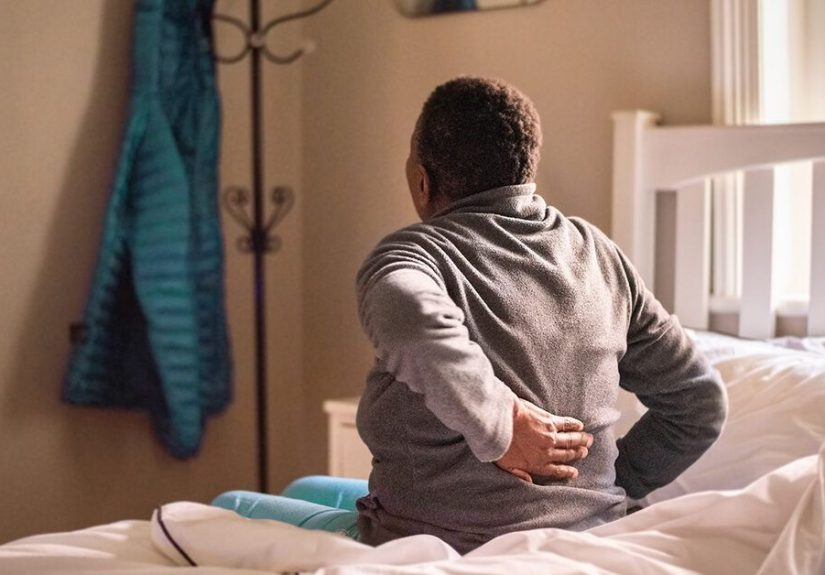
The “tailbone sticks out” moment often shows up in everyday life, not a dramatic medical scene. One common experience is noticing it after
weight loss. People describe it like this: they sit on a hard chair and suddenly feel a sharp point they never paid attention to before.
The surprise isn’t always painsometimes it’s just awareness. They’ll say, “I didn’t realize I had a bone there,” which is both true and,
honestly, a little funnybecause yes, you did have it there the whole time.
Another frequent scenario involves a minor fall that seems harmless at first. Someone slips on wet pavement, lands on their butt, feels sore for
a day or two, and expects it to fade. But then sitting becomes a daily negotiation: leaning forward at dinner, shifting in the car,
standing up like they’re 87 years old (even if they’re not). In these stories, the biggest regret is waiting too long to adjust habits.
People often say they wish they had used a coccyx cushion sooner, taken more standing breaks, and avoided long “just push through it” sits that
kept re-irritating the area.
Some experiences are less about the bone and more about the skin. People sometimes assume a tender bump near the tailbone is the coccyx
“sticking out,” when it’s actually a pilonidal cyst. The typical pattern: discomfort that’s worse when sitting, a feeling of swelling,
and eventually redness or drainage. The lesson these folks share is consistent: if there’s warmth, swelling, fever, or any kind of drainage,
don’t treat it like a simple bruiseget it checked. Skin infections and abscesses don’t usually improve with wishful thinking.
Postpartum tailbone pain has its own storyline. New parents often notice that the “sit to feed the baby” routine becomes unexpectedly painful.
Many describe trying three pillows, two blankets, and one heroic level of patienceonly to realize that a purpose-built cushion and a conversation
with a clinician or physical therapist would’ve saved a lot of discomfort. A common emotional theme here is frustration: “I expected sleepless nights,
not tailbone pain.” The reassuring part is that postpartum tailbone pain is often treatable, and many people improve with conservative measures and
pelvic floor–aware rehab.
There are also experiences that fall into the “red flag” bucket. People who develop numbness, leg weakness, or bowel/bladder changes often describe
a strong sense that something is genuinely wrongnot just annoying. These aren’t the stories where someone toughs it out successfully.
The best outcomes tend to happen when people seek urgent evaluation promptly. If there’s one takeaway from these real-world patterns, it’s this:
mild discomfort can often be managed conservatively, but systemic symptoms, neurologic signs, or signs of infection deserve faster attention.
Finally, many people share a surprisingly practical insight: tailbone issues can be a posture and pressure problem as much as a “bone problem.”
Once they learn to sit differently, take frequent breaks, and use the right support, their symptoms often improve. And yessome eventually become
unofficial experts in judging restaurant chairs. (If you see someone subtly scouting the seating situation before ordering, now you’ll know why.)