Table of Contents >> Show >> Hide
- Before You Take an Energy Supplement: Start With the Real Question
- The 11 Best Vitamins and Supplements to Boost Energy
- 1. Vitamin B12: The Classic Energy Nutrient
- 2. B-Complex Vitamins: Support for Energy Metabolism
- 3. Iron: Essential for Oxygen and Stamina
- 4. Vitamin D: The Sunshine Nutrient With Muscle Support
- 5. Magnesium: The Mineral Behind Hundreds of Reactions
- 6. Coenzyme Q10: Mitochondrial Support
- 7. Creatine: Quick Energy for Muscles and Performance
- 8. Omega-3 Fatty Acids: Support for Brain, Heart, and Inflammation Balance
- 9. Ashwagandha: Stress-Related Energy Support
- 10. Rhodiola Rosea: An Adaptogen for Stress and Fatigue
- 11. Caffeine With L-Theanine: Focused Energy Without the Jitters
- How to Choose the Best Energy Supplement for You
- Food-First Energy: The Supplement Strategy That Actually Works
- 500-Word Experience Section: What Smart Energy Supplement Use Looks Like in Real Life
- Conclusion: The Best Energy Supplement Is the One Your Body Actually Needs
Feeling tired is annoying. Feeling tired after coffee is personal. If your energy level has been dragging its feet like a teenager asked to unload the dishwasher, you may be wondering whether vitamins and supplements can help. The honest answer is: sometimes, yesbut not in the cartoonish “one capsule and suddenly you are running a marathon while answering emails in Latin” way.
Energy is not created by supplements alone. Your body makes usable energy from food, oxygen, sleep, hormones, hydration, movement, and dozens of tiny biochemical reactions that never ask for applause. Vitamins and minerals help those reactions work properly. When you are low in a key nutrientsuch as vitamin B12, iron, vitamin D, folate, or magnesiumfatigue can show up like an unwanted houseguest. Correcting that gap may help you feel more alert, steady, and functional.
However, more is not always better. If your nutrient levels are already normal, taking extra supplements may do little besides make your wallet lighter. Some supplements can also interact with medications, cause side effects, or become risky at high doses. The smartest approach is to use supplements as targeted support, not as glittery substitutes for sleep, balanced meals, medical care, or the magical life skill of drinking enough water.
Below are 11 vitamins and supplements commonly discussed for energy support, including what they do, who may benefit, food sources, and safety notes to consider before adding them to your routine.
Before You Take an Energy Supplement: Start With the Real Question
The best supplement for energy depends on why you are tired. Fatigue can come from poor sleep, stress, low calorie intake, dehydration, anemia, thyroid problems, depression, chronic illness, medication side effects, overtraining, or nutrient deficiencies. That means the “best vitamin” is not always the same for everyone.
A useful first step is to ask: Am I missing something my body actually needs? Blood tests can help identify low vitamin B12, vitamin D, iron stores, anemia, and other issues. This matters because supplementing blindly can hide a deeper problem. For example, taking iron without knowing your levels may be unnecessary or harmful, while ignoring iron deficiency can leave you exhausted and short of breath.
Also remember that dietary supplements are not approved to diagnose, treat, cure, or prevent disease. Choose reputable brands, look for third-party testing when possible, and talk with a healthcare professional if you are pregnant, breastfeeding, managing a chronic condition, or taking prescription medications.
The 11 Best Vitamins and Supplements to Boost Energy
1. Vitamin B12: The Classic Energy Nutrient
Vitamin B12 is one of the most important nutrients for healthy red blood cells, nerve function, DNA production, and normal energy metabolism. When B12 levels drop too low, fatigue, weakness, numbness, tingling, memory problems, mood changes, and anemia may occur. In other words, your body does not whisper when it needs B12it starts dimming the lights.
B12 is found naturally in animal foods such as fish, meat, poultry, eggs, milk, and yogurt. Fortified foods, including some breakfast cereals, nutritional yeast, and plant-based milks, can help people who follow vegetarian or vegan diets. Adults generally need 2.4 micrograms per day, though individual needs may vary.
Who may benefit most: vegans, vegetarians, older adults, people with digestive conditions, people who have had certain gastrointestinal surgeries, and those taking medications that may affect B12 absorption, such as metformin or long-term acid reducers.
Smart tip: B12 can be very helpful when you are deficient, but it is not a guaranteed energy booster if your levels are already healthy. Think of it like adding gas to a car: useful if the tank is empty, less dramatic if the tank is full.
2. B-Complex Vitamins: Support for Energy Metabolism
A B-complex supplement typically includes several B vitamins, such as thiamin, riboflavin, niacin, pantothenic acid, vitamin B6, biotin, folate, and vitamin B12. These nutrients help the body convert carbohydrates, fats, and proteins into usable energy. They do not contain energy themselves, but they help your metabolic machinery run smoothly.
B vitamins are widely available in foods, including whole grains, eggs, dairy products, legumes, leafy greens, meat, fish, poultry, nuts, and fortified grains. Because many B vitamins are water-soluble, the body generally does not store large amounts, so consistent intake matters.
Who may benefit most: people with restricted diets, low appetite, heavy alcohol use, digestive disorders, or confirmed B-vitamin deficiencies. Athletes and highly active people may also pay closer attention to B-vitamin intake because energy metabolism is constantly working hard.
Smart tip: A B-complex can be useful, but megadoses are not necessary for most people. Choose formulas that stay near daily values unless a clinician recommends otherwise.
3. Iron: Essential for Oxygen and Stamina
Iron helps make hemoglobin, the protein in red blood cells that carries oxygen throughout the body. Low iron can lead to iron deficiency anemia, which often causes tiredness, weakness, dizziness, cold hands and feet, headaches, and shortness of breath. If your cells are not getting enough oxygen, your energy level may feel like a phone battery stuck at 7%.
Good food sources include lean meat, poultry, seafood, beans, lentils, spinach, fortified cereals, pumpkin seeds, and tofu. The body absorbs heme iron from animal foods more easily than non-heme iron from plant foods. Vitamin C-rich foods such as oranges, strawberries, bell peppers, and tomatoes can improve non-heme iron absorption.
Who may benefit most: menstruating women, pregnant people, endurance athletes, vegetarians, vegans, frequent blood donors, and people with gastrointestinal blood loss or absorption problems.
Safety note: Do not take iron “just in case.” Too much iron can be dangerous, and fatigue from iron deficiency should be evaluated because it may signal blood loss or another condition. If iron is needed, your healthcare provider can recommend the right form and dose.
4. Vitamin D: The Sunshine Nutrient With Muscle Support
Vitamin D is best known for bone health because it helps the body absorb calcium. But it also supports muscle function, nerve signaling, and immune health. Low vitamin D has been associated with fatigue in some people, and correcting deficiency may improve how they feel.
Your body can make vitamin D when skin is exposed to sunlight, but many factors affect production: season, sunscreen use, skin tone, age, cloud cover, indoor lifestyles, and geographic location. Food sources include fatty fish, egg yolks, fortified milk, fortified plant-based beverages, and fortified cereals.
Who may benefit most: people with little sun exposure, older adults, people with darker skin tones, people who cover most skin outdoors, those with malabsorption conditions, and anyone with a confirmed low vitamin D blood level.
Safety note: Vitamin D is fat-soluble, which means excessive intake can build up and cause toxicity. High levels may lead to elevated calcium, kidney problems, nausea, weakness, and other serious effects. Testing is useful before taking high-dose vitamin D.
5. Magnesium: The Mineral Behind Hundreds of Reactions
Magnesium is involved in more than 300 enzyme systems, including reactions related to energy production, muscle function, nerve signaling, blood glucose control, and blood pressure regulation. If your body were an office, magnesium would be the overworked manager quietly keeping everyone from setting the printer on fire.
Magnesium-rich foods include pumpkin seeds, chia seeds, almonds, cashews, peanuts, spinach, black beans, edamame, whole grains, dark chocolate, and fortified foods. Many people do not eat enough magnesium-rich foods, although true deficiency is less common than low intake.
Who may benefit most: people with low dietary intake, certain gastrointestinal disorders, type 2 diabetes, heavy alcohol use, or medications that affect magnesium levels. Some people also use magnesium to support relaxation and sleep quality, which can indirectly improve daytime energy.
Smart tip: Different forms of magnesium behave differently. Magnesium citrate may loosen stools, while magnesium glycinate is often gentler for many people. Too much supplemental magnesium can cause diarrhea and cramping, so more is not always merrier.
6. Coenzyme Q10: Mitochondrial Support
Coenzyme Q10, often called CoQ10, is a vitamin-like compound involved in cellular energy production. It helps mitochondriathe tiny power plants inside cellsproduce ATP, the energy currency your body uses for everything from walking to thinking about walking.
The body makes CoQ10 naturally, and it is also found in foods such as meat, fish, poultry, nuts, and some oils. CoQ10 levels may decline with age, and certain medications, especially statins, may lower CoQ10 levels in some people.
Who may benefit most: older adults, people taking statins who have discussed it with their clinician, and individuals interested in heart-health or migraine-related support under medical guidance.
Smart tip: CoQ10 is fat-soluble, so taking it with a meal that contains healthy fat may improve absorption. It is generally considered well tolerated, but it may interact with medications such as blood thinners and blood pressure drugs.
7. Creatine: Quick Energy for Muscles and Performance
Creatine is stored mostly in muscles, where it helps regenerate ATP during short bursts of high-intensity activity. It is one of the most studied sports supplements and is commonly used to support strength, power, muscle performance, and training capacity.
Creatine is not a stimulant. It will not feel like coffee. Instead, it supports the rapid energy system used during activities such as sprinting, lifting weights, climbing stairs, or carrying all the groceries in one trip because pride is involved.
Who may benefit most: people doing resistance training, sprint-style exercise, high-intensity workouts, or older adults using strength training to maintain muscle mass. Some research also explores creatine for brain energy, but athletic performance remains its strongest mainstream use.
Smart tip: Creatine monohydrate is the most widely studied form. A common maintenance amount is around 3 to 5 grams daily, though needs vary. Drink enough fluids, and check with a healthcare professional if you have kidney disease or take medications that affect kidney function.
8. Omega-3 Fatty Acids: Support for Brain, Heart, and Inflammation Balance
Omega-3 fatty acids are essential fats that play roles in cell membranes, heart health, brain function, and inflammation regulation. The main omega-3s are ALA, EPA, and DHA. ALA is found in plant foods such as flaxseed, chia seeds, walnuts, soybean oil, and canola oil, while EPA and DHA are found mainly in fatty fish and seafood.
Omega-3s are not instant energy boosters, but they may support overall wellness in ways that influence energy over time. When your cardiovascular system, brain, and inflammation balance are better supported, your body has fewer fires to put out.
Who may benefit most: people who rarely eat fish, individuals with higher triglycerides under medical guidance, and those looking to support general heart and brain health.
Safety note: Fish oil can cause burping, digestive upset, or a fishy aftertaste. Higher doses may affect bleeding risk or interact with blood-thinning medications. Choose purified, third-party-tested products when possible.
9. Ashwagandha: Stress-Related Energy Support
Ashwagandha is an adaptogenic herb often promoted for stress, sleep, calmness, and resilience. It does not “give” energy in the same way caffeine does. Instead, it may help some people feel less drained when stress is the reason their energy has been leaking like a suspiciously cheap air mattress.
Some studies suggest ashwagandha may support perceived stress, sleep quality, and athletic performance, but research quality varies by product, dose, extract type, and study design. It is not a universal solution, and it is not appropriate for everyone.
Who may benefit most: adults dealing with stress-related fatigue, poor sleep patterns, or high mental workload who have checked safety concerns with a clinician.
Safety note: Ashwagandha may cause digestive upset, drowsiness, or rare liver problems. It may not be appropriate during pregnancy, with autoimmune conditions, thyroid disorders, liver disease, or certain medications. Use extra caution and professional guidance.
10. Rhodiola Rosea: An Adaptogen for Stress and Fatigue
Rhodiola rosea is another adaptogenic herb often used for fatigue, mental performance, and stress resilience. It has a long history of traditional use in cold, mountainous regions, which already gives it a rugged résumé.
Research suggests rhodiola may help some people with stress-related fatigue, mood, concentration, and stamina, though evidence is still developing. It may be most relevant for people who feel mentally tired rather than physically depleted from a clear nutrient deficiency.
Who may benefit most: adults experiencing stress-related tiredness, mental fatigue, or burnout-like sluggishness who want a non-caffeinated option.
Safety note: Rhodiola may cause dizziness, dry mouth, headache, or insomnia. It may interact with some medications, including certain blood pressure drugs. Avoid taking it late in the day if it affects sleep.
11. Caffeine With L-Theanine: Focused Energy Without the Jitters
Caffeine is the world’s most familiar energy supplement, starring in coffee, tea, energy drinks, pre-workouts, and many dramatic Monday mornings. It can improve alertness and reduce perceived fatigue. In exercise settings, caffeine may help people work out longer or maintain intensity.
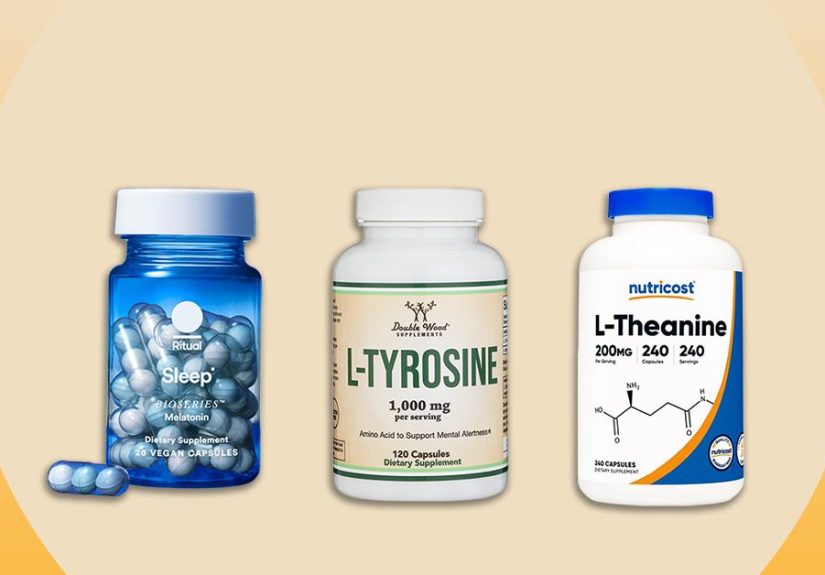
L-theanine is an amino acid found naturally in tea. It is often paired with caffeine because some people find the combination smoother than caffeine alone. The goal is focused alertness without feeling like your nervous system is tap dancing on a metal roof.
Who may benefit most: healthy adults who tolerate caffeine well and need short-term alertness for work, studying, driving, or workouts.
Safety note: Too much caffeine can cause anxiety, rapid heartbeat, digestive upset, insomnia, and dependence. Pregnant people, people with heart rhythm problems, anxiety disorders, high blood pressure, or caffeine sensitivity should be cautious and follow medical advice.
How to Choose the Best Energy Supplement for You
Match the Supplement to the Problem
If you are tired because your iron is low, caffeine may only make you a faster-moving tired person. If you are tired because you sleep five hours a night, a B-complex is not going to negotiate with your alarm clock. The best supplement is the one that matches your actual need.
For deficiency-related fatigue, consider testing for vitamin B12, iron/ferritin, vitamin D, and anemia markers. For workout fatigue, creatine or caffeine may be more relevant. For stress-related exhaustion, ashwagandha or rhodiola may be worth discussing. For overall nutrient gaps, diet quality should come first.
Choose Quality Over Flashy Claims
Look for brands that clearly list ingredients and amounts. Avoid vague “proprietary blends” that hide doses behind marketing confetti. Third-party testing from organizations such as USP, NSF, or Informed Choice can help verify that the product contains what it says and is screened for certain contaminants.
Be skeptical of labels promising “instant vitality,” “adrenal reset,” “cellular youth,” or “doctor-hated secret energy hack.” If the marketing sounds like it came from a carnival barker with a ring light, proceed carefully.
Watch for Interactions and Overlap
Many supplements contain overlapping ingredients. A multivitamin, energy blend, pre-workout, and fortified drink could all contain B vitamins, caffeine, or minerals. Stacking products can push intake higher than you realize.
Iron, magnesium, calcium, thyroid medications, antibiotics, blood thinners, diabetes medications, blood pressure medications, and antidepressants can all be affected by timing or interactions. When in doubt, bring your supplement bottlesor photos of the labelsto your healthcare provider or pharmacist.
Food-First Energy: The Supplement Strategy That Actually Works
Supplements work best when they support a strong foundation. That foundation includes protein at meals, high-fiber carbohydrates, healthy fats, enough fluids, colorful fruits and vegetables, regular movement, and consistent sleep. It is not glamorous, but neither is trying to function on crackers, stress, and wishful thinking.
A simple energy-supportive plate might include eggs with whole-grain toast and berries, salmon with brown rice and spinach, Greek yogurt with nuts and fruit, or lentil soup with a citrus salad. These meals provide vitamins, minerals, protein, fiber, and slow-burning carbohydrates. Supplements can fill gaps, but food delivers nutrients in a package the body knows how to use.
Hydration also matters. Even mild dehydration can make you feel foggy, tired, and cranky. If you regularly reach for energy supplements but forget water, your body may be asking for something much less expensive.
500-Word Experience Section: What Smart Energy Supplement Use Looks Like in Real Life
In real life, improving energy rarely happens with one dramatic change. It usually looks more like a detective story, except the detective is slightly tired and keeps misplacing the water bottle. Many people start by saying, “I just need something for energy.” But after paying attention for a week, they notice patterns: the afternoon crash happens after a low-protein lunch, the morning fog follows late-night scrolling, or the workout slump appears during a stressful month.
One common experience is the “coffee is not enough anymore” phase. A person drinks one cup, then two, then maybe a third because the second cup clearly did not understand the assignment. Caffeine helps for a while, but if the real issue is low iron, low B12, poor sleep, or chronic stress, coffee becomes a temporary spotlight on a stage with no actors. The person may feel wired but not truly energized. That is when a targeted approach becomes useful.
For example, someone following a mostly plant-based diet may discover through blood work that their vitamin B12 is low. After adding a clinician-recommended B12 supplement and more fortified foods, energy may improve gradually over several weeks. It is not usually an overnight superhero transformation. It is more like noticing that the stairs feel less rude, meetings feel less foggy, and the couch is no longer calling their name at 3 p.m. with suspicious intensity.
Another person may learn that their ferritin, a marker of iron stores, is low. They may begin iron under medical guidance, take it away from calcium and coffee, and pair it with vitamin C. Over time, stamina improves because oxygen delivery improves. That change can feel huge, especially for people who thought they were simply “bad at exercise” when their body was actually missing a key raw material.
For busy professionals, stress-related fatigue is another familiar story. They may sleep enough hours but wake up unrefreshed because their nervous system is constantly revving. In this case, magnesium in the evening, better sleep habits, or carefully chosen adaptogens such as ashwagandha or rhodiola may be part of the plan. But the supplement works best alongside boundary-setting, lighter evening screen use, regular meals, and movement. A capsule cannot cancel 87 unread emails, but it may support the body while the human learns to stop treating exhaustion like a badge of honor.
Athletes and active adults often have a different experience. Creatine may not feel like a buzz, but after consistent use, they may notice stronger training sessions, better sprint capacity, or improved ability to complete challenging sets. Caffeine may help before a workout, but timing matters. Taking it too late can sabotage sleep, which then sabotages tomorrow’s energy. Congratulations, the loop has entered villain mode.
The best experience with energy supplements is usually boring in the best way: test when needed, choose one change at a time, track how you feel, use reasonable doses, and keep food, sleep, hydration, and exercise in the picture. When supplements are treated as tools instead of miracles, they become far more usefuland far less likely to disappoint.
Conclusion: The Best Energy Supplement Is the One Your Body Actually Needs
The best vitamins and supplements to boost energy are not magic beans. They are support systems. Vitamin B12, folate, iron, vitamin D, and magnesium can make a meaningful difference when your body is low. CoQ10, creatine, omega-3s, ashwagandha, rhodiola, and caffeine with L-theanine may help in more specific situations, such as mitochondrial support, exercise performance, stress-related fatigue, or short-term alertness.
The key is personalization. If fatigue is persistent, sudden, severe, or paired with symptoms such as shortness of breath, chest pain, dizziness, unexplained weight changes, heavy bleeding, numbness, depression, or sleep disruption, talk with a healthcare professional. Supplements can be helpful, but they should not be used to cover up warning signs.
Start with the basics: sleep, food, hydration, movement, and stress management. Then use testing and professional guidance to identify gaps. When you choose supplements wisely, you give your body practical supportnot hype in a bottle.
Note: This article is for educational publishing purposes only and should not replace personalized medical advice. Readers should consult a qualified healthcare professional before starting supplements, especially if they take medications, are pregnant or breastfeeding, have chronic health conditions, or suspect a nutrient deficiency.