Table of Contents >> Show >> Hide
- What “Best” Actually Means (According to BHGand Real Kitchens)
- BHG’s Top Picks (And Why Each One Makes Sense)
- Best Single-Basin Undermount: Kraus Standart Pro
- Best Double-Basin Undermount: Kraus Premier Double Bowl
- Best Workstation Sink: Rejuvenation Cannon Stainless Steel Workstation
- Best Apron-Front (Farmhouse): Bocchi Classico Fireclay Sink
- Best Single-Basin Drop-In: Kohler Verse Stainless Steel Sink
- Best Double-Basin Drop-In: Kraus Quarza Granite/Quartz Composite Double Bowl
- The Big Decisions: Installation, Bowl Style, and Material
- Features That Matter More Than Marketing
- Picking the Best Sink for Your Kitchen: A Quick Cheat Sheet
- Care and Maintenance: Keep Your Sink Looking “New Kitchen” New
- Real-World Experiences: What You’ll Notice After Living With a “Best” Sink (About )
- Final Take
Your kitchen sink is the hardest-working “appliance” you never plug in. It hosts everything from pasta-water floods to
mystery sticky stuff (you swear you only bought bananas). And because it sits dead-center in your kitchen workflow, the
right sink can make meal prep feel smoother, cleanup feel less tragic, and your whole kitchen look more pulled together.
Better Homes & Gardens (BHG) recently rounded up its top kitchen-sink recommendations for 2026covering the most common
real-life needs: single vs. double bowl, undermount vs. drop-in, workstation vs. classic, and even that iconic apron-front
farmhouse moment. This article takes BHG’s short list as the anchor, then zooms out and synthesizes guidance from other
reputable U.S. home and lifestyle publications and major brands to help you choose the best sink for your kitchen
not the imaginary one you’ll have “after the remodel.”
What “Best” Actually Means (According to BHGand Real Kitchens)
“Best” doesn’t mean “most expensive” or “trending on social media next to a $900 toaster.” In BHG’s approach, the best sinks
balance daily practicality (space, drainage, maintenance, durability) with the way people actually use kitchens: cooking,
hosting, multitasking, and trying to keep the counters from turning into a mail museum.
Across BHG and other review outlets, the winners tend to share a few traits:
- Smart geometry: sloped bottoms for drainage, corners that don’t trap gunk, and bowl depth that fits large cookware.
- Durable materials: especially quality stainless steel, fireclay, and granite/quartz composite.
- Noise control: thicker steel or sound-dampening pads so your sink doesn’t sound like a drum solo.
- Right-fit installation: undermount for clean lines and easy wipe-in cleanup, drop-in for simpler installs and broad compatibility.
- Useful extras: bottom grids, strainers, cutting boards, and workstation accessories that don’t feel like junk-drawer fodder.
In other words: the best sink is the one that quietly upgrades your routinewithout demanding a daily tribute of special cleaners,
babying, or regret.
BHG’s Top Picks (And Why Each One Makes Sense)
BHG highlights six standout sinks across the most common categories. Below is a practical “what it’s for” breakdown, plus the
kind of real-life considerations reviewers consistently mention.
Best Single-Basin Undermount: Kraus Standart Pro
A single-bowl undermount sink is the “I cook with big pans” choice. BHG’s pick is a stainless steel model designed to handle
daily abuse while staying easy to clean. Look for details like a sloped bottom, rounded corners, and included accessories
(bottom grid, drain assembly, mounting hardware). That combo reduces standing water, makes wipe-downs faster, and helps prevent
scratches from heavy cookware.
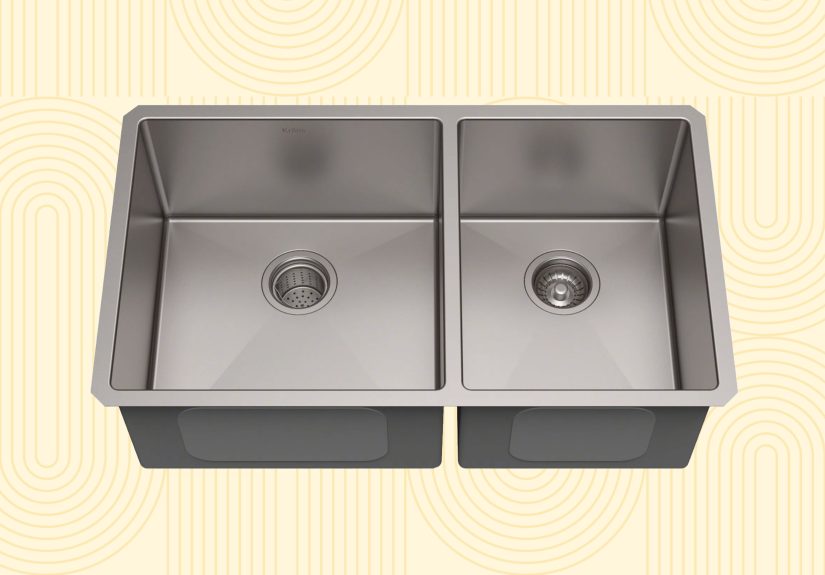
Best Double-Basin Undermount: Kraus Premier Double Bowl
Double-bowl sinks still have a loyal fan baseespecially if you like separating tasks (soaking on one side, rinsing on the other).
BHG also calls out a “low divider” style: you get the organization of two bowls, but you can still maneuver larger trays across
the sink without feeling like you’re playing Tetris with lasagna pans.
Best Workstation Sink: Rejuvenation Cannon Stainless Steel Workstation
Workstation sinks are basically a sink plus a tiny stage for accessoriescutting boards, colanders, drying racksso you can prep,
rinse, drain, and dry over the sink instead of sacrificing countertop space. BHG’s workstation pick leans premium and
includes multiple accessories that slide on integrated ledges. If your kitchen is short on counter space (or long on chaos),
this category can feel like cheatingin a good way.
Best Apron-Front (Farmhouse): Bocchi Classico Fireclay Sink
Farmhouse sinks are statement pieces, but they’re also genuinely functional: deep, wide, and comfortable when you’re washing
large items. Fireclay is popular for its smooth, non-porous surface and classic look. The tradeoff: apron-front installs can be
more complex, and heavy materials demand careful handling (and sometimes cabinet reinforcement).
Best Single-Basin Drop-In: Kohler Verse Stainless Steel Sink
Drop-in (top-mount/overmount) sinks are often the easiest path when you’re replacing an existing sink without touching your
countertops. BHG’s pick keeps it simple: stainless steel, a comfortable bowl depth, and a rim designed to make cleanup manageable.
Drop-ins are also widely compatible with different counter materials and can be more DIY-friendly.
Best Double-Basin Drop-In: Kraus Quarza Granite/Quartz Composite Double Bowl
Composite sinks are having a moment because they can look modern and feel substantialoften with better resistance to scratches
and stains than people expect. BHG’s double-bowl drop-in pick uses a granite/quartz composite style, which can be especially
appealing if you want a matte look (including darker colors) and don’t want every water spot to be your new kitchen decor.
The Big Decisions: Installation, Bowl Style, and Material
Undermount vs. Drop-In: The “Clean Lines” Debate
If you love the look of a seamless countertop edgeand the ability to sweep crumbs straight into the sinkundermount is the
classic choice. It tends to look more premium and keeps the countertop surface visually cleaner. The catch is installation:
undermount sinks typically require more precise fitting and sealing, and are often better handled by a pro (especially with
stone countertops).
Drop-in sinks sit in a cutout and rest on a visible rim. They’re generally easier to install and widely available in standard
sizes. They can be a smart choice for quick upgrades, rentals, or any remodel where you want to keep costs predictable. If
you’re the type who enjoys a weekend DIY project, drop-in is where you can earn your “I did it myself” bragging rights.
Single Bowl vs. Double Bowl: Your Habits Decide
- Single bowl: best for big cookware, sheet pans, stockpots, and households that wash large items often.
- Double bowl: best for multitasking, shared kitchens, or anyone who likes a “clean side / dirty side” system.
- Low-divider double: a compromise that helps with oversized dishes while keeping two zones.
Stainless Steel: Still the MVP (If You Shop Smart)
Stainless steel remains the most common recommendation for one reason: it’s durable, heat-resistant, and relatively forgiving.
The key detail is gaugea lower number means thicker steel. Thicker stainless steel tends to be quieter and
more dent-resistant, which is why many guides point shoppers toward 16- or 18-gauge options for a strong balance of durability
and cost.
The most common stainless steel “complaint” is cosmetic: water spots and fingerprints. If your water is hard, you’ll see spots
faster. The good news is that this is usually a maintenance issue, not a performance issuequick rinsing and a brief wipe-down
go a long way.
Fireclay and Enameled Cast Iron: Classic, Heavy, Gorgeous
Fireclay sinks deliver that clean, timeless farmhouse look with a non-porous surface that’s typically stain-resistant and
easy to wipe. They’re also heavy and can be vulnerable to damage if you drop something sharp or heavy from the wrong angle.
Cast iron sinks (with enamel) are similarly classic and extremely sturdy, but weight becomes part of the installation plan.
Granite/Quartz Composite: Modern Texture, Often Lower-Fuss
Composite sinks (including granite composite and quartz composite) are popular for their matte finish, color-through material,
and resistance to everyday wear. Many composite materials are engineered to be durable and easy to clean, with surfaces that
don’t scream “WATER SPOTS!” every time you blink. If you love the look of black or gray sinks, composite is often the more
practical way to get there.
Features That Matter More Than Marketing
Sinks can come with enough accessories to make you feel like you accidentally subscribed to a “Sink of the Month” club. Here are
the upgrades that actually tend to earn their keep:
1) Sound Dampening
Better sinks often include sound-dampening pads or undercoating to reduce noise. Combine that with thicker steel and you’ll notice
a real differenceespecially in open-concept kitchens where your sink is basically on stage during every conversation.
2) Drain Placement and Slope
A gently sloped bottom helps water drain instead of pooling. Some sinks place the drain slightly off-center to free up cabinet
space for plumbing or to improve workflow. What you want is simple: less standing water, less gunk, fewer “why is it still wet”
moments.
3) Corner Shape
Ultra-sharp “zero-radius” corners look modern, but they can trap grime and demand more scrubbing. Slightly rounded corners
are often easier to maintain. If you value low-effort cleanup, pick corners that won’t punish you for missing a day.
4) Bottom Grid (Yes, It’s Worth It)
Many reviewers praise bottom grids because they keep pots from scraping the sink surface and elevate dishes for better drainage.
Think of it as a tiny stainless steel trivet that protects your investment and makes cleanup less annoying.
5) Workstation Accessories (Only If You’ll Use Them)
Workstation sinks can be fantastic if you’re short on counter space or you prep a lot. But be honest:
will you use the cutting board and colander weeklyor will they become “that thing behind the baking sheets”?
Choose a set that matches how you actually cook.
Picking the Best Sink for Your Kitchen: A Quick Cheat Sheet
-
Measure your base cabinet first.
Your sink must fit the cabinet width and the countertop cutout. Many common kitchen sinks land around the 30–33 inch range,
but cabinet constraints decide what’s realistic. -
Decide how you wash.
Big cookware? Single bowl. Multi-tasking? Double bowl or low-divider. Minimalists? Single bowl with a good grid and strainer. -
Choose your installation path.
Keeping existing counters? Drop-in is often simpler. Want that seamless look? Undermountjust budget for proper installation. -
Pick material based on lifestyle, not vibes.
Stainless is durable and forgiving. Fireclay/cast iron are classic and bold (and heavy). Composite is modern and often
lower-fuss for hiding spots and wear. -
Think about maintenance.
Hard water? You may prefer finishes that hide spots. Hate scrubbing corners? Skip ultra-sharp designs.
Care and Maintenance: Keep Your Sink Looking “New Kitchen” New
The best kitchen sink still needs basic caremostly because kitchens are where mess goes to throw parties.
Here are the habits that tend to keep sinks looking great across materials:
- Rinse and wipe daily: especially for stainless steel, which can show water spots in hard-water areas.
- Clean regularly: a routine scrub helps prevent odors and buildup around the drain and edges.
- Avoid harsh abrasives on glossy finishes: fireclay and enamel can chip if you get too aggressive (or drop something heavy).
- Use a grid or mat: it reduces scratches and softens impacts, especially for glassware.
- Don’t let metal rusters camp out: leaving cast-iron pans or rusty tools in a wet sink can cause staining over time.
If your goal is low-maintenance, stainless steel with a quality finish plus a bottom grid is the classic “set it and forget it”
choice. If your goal is a dramatic look, plan for slightly more mindful care and you’ll still get years of satisfaction.
Real-World Experiences: What You’ll Notice After Living With a “Best” Sink (About )
Reviews are helpful, but the real test of a sink happens on a Tuesday night when you’re hungry and the pan is “soaking” in a way
that looks suspiciously like procrastination. Here are the lived-in moments people tend to notice when they switch to a
higher-quality sinkespecially the kinds BHG highlights.
The noise difference is immediate. If you’ve ever turned on a faucet and felt like you triggered a percussion
concert, you’ll appreciate thicker stainless steel and sound-dampening. In an open kitchen, a quieter sink changes the vibe:
you can actually talk while someone’s rinsing dishes. It’s a small upgrade that feels surprisingly “luxury” in daily life.
Single bowls feel bigger than the measurements suggest. A well-designed single basin undermount makes it easier
to wash sheet pans, big cutting boards, and stockpots without the “angle it… no, the other way… okay now it’s stuck” routine.
People who cook a lot often realize their old double bowl was functionally smaller than it looked, because the divider limited
how you could move large items around.
Low-divider doubles make multitasking feel sane. If you like a two-zone systemdirty dishes on one side,
rinsing produce on the otherthis design can feel like the best of both worlds. You get separation without completely giving
up the ability to lay a roasting pan across the sink. It’s a “small engineering choice, big daily relief” situation.
Workstation sinks can genuinely reclaim counter spaceif you’re the kind of person who uses them. The first time
you slide a cutting board over the sink and prep without crowding the counters, it’s easy to understand why workstation sinks
are popular. The colanders and drying racks can also keep wet produce and drip-drying dishes contained to one area. The caveat:
accessories need a home. If your kitchen storage is already maxed out, those extras can become clutter unless you plan a spot
for them (a divider shelf, a tray slot, or even a dedicated bin).
Corner shape affects your cleaning mood. Sharp modern corners look amazing in photos, but a slightly rounded
corner is often easier to wipe. Many homeowners don’t notice this until week three, when they’re scrubbing dried oatmeal out of
an angle that was designed by someone who clearly doesn’t own oatmeal. If you want the modern look, consider “softened” corners
rather than true 90-degree angles.
Composite sinks feel differentin a good way. People often describe granite/quartz composite as quieter and more
“solid” than thin stainless. Darker colors can hide water spotting better, which is a mood upgrade if you have hard water.
The flip side is that lighter composites can show certain stains if you let highly pigmented foods linger. The lesson: rinse
after messy jobs, and your sink won’t hold grudges.
Finally, the best sink makes cleanup less dramatic. Not “fun,” exactlylet’s not get carried awaybut smoother.
Better drainage, fewer scratches, less noise, more usable space. And on nights when you’ve cooked a feast and the kitchen looks
like a cooking show finale, that matters.