Table of Contents >> Show >> Hide
- Why the Ulticam IQ V2 launch matters
- What the Ulticam IQ V2 actually offers
- Free cloud storage is the real headline
- The AI features sound useful, not just decorative
- Matter 1.5 and ONVIF make this camera more future-friendly
- Who should seriously consider the Ulticam IQ V2
- Experience-based insight: what living with a camera like this could feel like
- Final verdict
- SEO Tags
If the home security camera market had a favorite hobby, it would probably be charging you extra after you already bought the camera. Need cloud history? Pay up. Want smarter alerts? That will be another monthly fee, thank you very much. That is exactly why the arrival of the Ulticam IQ V2 AI camera feels interesting. It is not just another “smart” camera trying to impress buyers with a few buzzwords and a dramatic product photo. Its biggest selling point is surprisingly practical: free rolling 7-day cloud storage, paired with a list of AI features that are clearly meant to save time instead of just showing off.
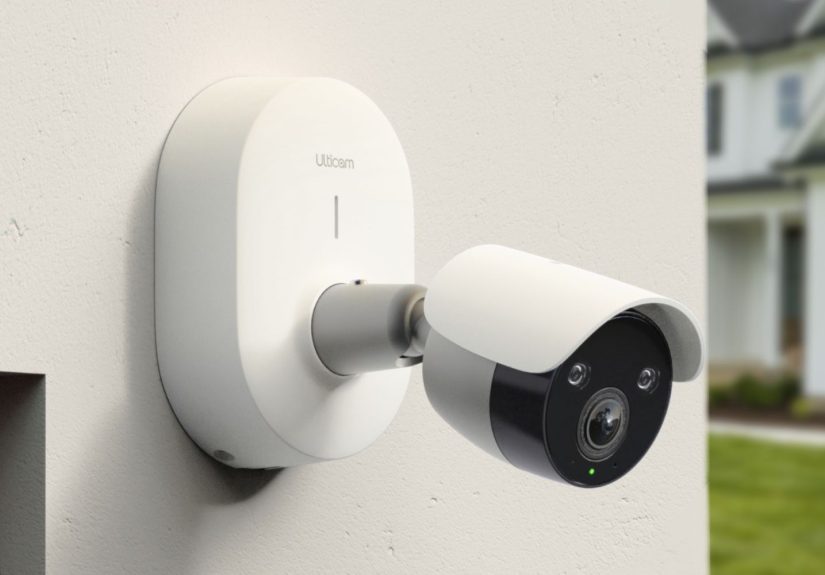
Xthings unveiled the Ulticam IQ V2 as a 4K AI-powered security camera designed for indoor or outdoor use, with features like on-device detection, cloud-based Gemini intelligence, Matter 1.5 readiness, ONVIF support, local microSD backup, and a starting price of $199. In plain English, that means it is trying to be the overachiever of the smart home aisle: sharp video, broad compatibility, and fewer reasons to sign up for yet another subscription. In a category where many brands still treat cloud history like a luxury yacht membership, that is a notable shift.
So, is this launch a genuine shake-up or just a well-dressed camera with a good publicist? Let’s break down what the IQ V2 offers, why its free cloud storage angle matters, and where it could fit into the growing market for AI security cameras.
Why the Ulticam IQ V2 launch matters
The Ulticam IQ V2 arrives at a moment when smart home buyers are more skeptical than dazzled. People still want better home monitoring, but they are also tired of discovering that the “real” product is hidden behind a monthly plan. That frustration is not imaginary. Plenty of well-known brands reserve longer cloud video history, advanced AI alerts, or continuous recording for paid tiers. Some offer a little free history, but the window can be short enough to feel like a tease rather than a benefit.
That is why Ulticam’s pitch lands differently. The company is not simply saying, “Here is a 4K camera with AI.” It is saying, “Here is a 4K smart home camera with AI and cloud retention included.” That second part is what gives the launch teeth. Consumers have grown used to comparing camera specs such as resolution, field of view, and night vision. Now they also compare what happens after the camera records something important. If your footage vanishes unless you pay a monthly fee, the camera suddenly feels much less heroic.
By bundling subscription-free cloud storage into the IQ V2, Xthings is trying to turn a common annoyance into a selling point. It is a clever move because buyers understand the value immediately. You do not need a product engineer standing next to you with a whiteboard and a laser pointer. “Free rolling 7-day cloud storage” translates nicely into normal-human language: “If something happens this week, I can probably go back and see it.”
What the Ulticam IQ V2 actually offers
On paper, the hardware and platform story is pretty ambitious. The Ulticam IQ V2 AI camera is built around 4K UHD video with HDR, a wide 160-degree field of view, infrared night vision up to 10 meters, two-way audio, and an integrated siren and spotlight. It is designed for indoor or outdoor deployment and supports multiple connection methods, including PoE, Wi-Fi, and Bluetooth, with optional LTE fallback. There is also local storage support via microSD cards up to 512GB, which adds a useful backup layer for anyone who prefers redundancy over blind faith.
The smarter part of the package is split between edge AI and cloud AI. On-device, the camera can detect people, vehicles, pets, packages, and certain sounds such as crying or smoke alarms. In the cloud, Gemini-powered features are intended to go a step further with scene understanding, natural-language video search, event summaries, stitched incident playback, and cross-camera search. In other words, the camera does not just collect footage; it tries to help you find the important stuff without forcing you to scrub through hours of video like you are editing a low-budget documentary about your driveway.
Key headline features buyers will care about
Here is the practical version of the specs list. The IQ V2 gives buyers 4K AI security camera performance, a modern smart home compatibility story, and both cloud and local storage in one package. That is a strong combination because many competing products make buyers pick their compromise. One camera may offer solid video but weak integration. Another may offer decent app intelligence but demand a subscription for cloud history. Another may work well with a specific ecosystem but feel like it joined a cult and now refuses to speak to anything else.
Ulticam is clearly trying to avoid that trap. Matter 1.5 readiness suggests broader interoperability, while ONVIF Profile T support gives it credibility with users who want more open, professional-style setups. That matters not only for smart home enthusiasts, but also for small businesses and advanced users who do not want their camera locked into a single app forever.
Free cloud storage is the real headline
Yes, the AI is flashy. Yes, the 4K video is nice. But the part of this launch that deserves the loudest applause is the included cloud storage. The reason is simple: in the home security camera market, free cloud retention with meaningful usefulness is rare enough to feel almost rebellious.
Google’s Nest cameras, for example, include a limited amount of free event history, but deeper history and more advanced features live behind the Google Home Premium subscription. Wyze still offers a free-lite option, yet it comes with limits such as short clips and a cooldown between recordings. Ring leans into paid plans for richer features and even charges extra for some premium capabilities. Arlo, meanwhile, has become one of the clearest examples of how cloud camera ownership can turn into an ongoing bill rather than a one-time purchase.
That context is what makes the free 7-day rolling cloud storage on the IQ V2 feel like more than a footnote. It changes the math. A $199 camera with included history looks very different from a $150 or $180 camera that quietly recruits your credit card every month. Over time, subscriptions can easily outrun the original hardware price. Consumers know this now. So do brands. Ulticam is not inventing that frustration, but it is doing a smart job of addressing it.
Why rolling storage is still useful
Some shoppers hear “rolling 7-day storage” and immediately ask for 30, 60, or 90 days. Fair enough. More is more. But for everyday home monitoring, seven days can still be highly practical. Most people discover a missed package, suspicious activity, or a neighborhood mystery within a day or two, not three fiscal quarters later. A week of searchable cloud history covers a lot of real-life moments, especially when paired with local backup.
That combination matters. The cloud gives convenient remote access. Local storage adds backup and control. Together, they create a more balanced security setup than “everything in the cloud” or “everything on one tiny card you forgot to check for six months.”
The AI features sound useful, not just decorative
There is a growing difference between cameras that merely detect motion and cameras that try to explain what actually happened. The Ulticam IQ V2 is aiming for the second category. That is where features like natural-language search, event timelines, and descriptive summaries become more than marketing garnish.
Imagine asking your camera to find when a delivery driver showed up, when a red car pulled into the driveway, or when activity spiked in a specific zone. That is a more natural way to interact with security footage than scrolling through timestamped thumbnails and hoping your eyeballs remain loyal to you. If the Gemini-powered experience works well in practice, it could reduce one of the biggest pain points in video security: the fact that a lot of “recorded evidence” is technically available but functionally annoying to review.
There is also a bigger trend here. Buyers increasingly want AI-powered home security that helps filter noise. Not every alert deserves the same panic level. A package delivery is different from a stranger lingering at the side gate. A pet crossing the yard is different from a smoke alarm going off. Cameras that can classify and summarize events better are not just more convenient; they are more likely to get used properly. And a smart camera that saves time is much more valuable than one that merely generates a lot of enthusiastic notifications at 2:13 a.m.
Matter 1.5 and ONVIF make this camera more future-friendly
Compatibility is one of the least glamorous but most important parts of buying a smart home camera. Buyers do not want to rebuild their whole setup every time they add a device. That is why the IQ V2’s support for Matter 1.5 and ONVIF Profile T matters so much.
Matter 1.5 is important because camera support finally became part of the standard, opening the door for broader interoperability across major smart home ecosystems. That does not magically eliminate every app quirk or feature gap, but it does point toward a less fragmented future. ONVIF support adds another layer of openness, especially for users who want to integrate cameras into more advanced network video recorder or security software environments.
Put simply, the IQ V2 is trying not to become an orphaned gadget. That is a good thing. Camera buyers are increasingly wary of ecosystem lock-in, disappearing features, and subscription shifts. A device with stronger standards support feels less like a trap and more like an investment.
Who should seriously consider the Ulticam IQ V2
This launch makes the most sense for a few types of buyers. First, it is appealing for homeowners who want a 4K outdoor security camera with smarter alerts but do not want to juggle monthly fees. Second, it could appeal to renters or families who want convenient cloud access without losing local backup. Third, it has a strong pitch for small-business users who want better searchability and more open compatibility than many mass-market cameras offer.
It may be especially attractive to buyers who are tired of choosing between “good hardware with expensive subscriptions” and “cheap hardware with awkward limitations.” The IQ V2 is positioned as the middle finger to that compromise. A polite middle finger, sure, but still.
Who may want to wait
Buyers who are deeply invested in a single ecosystem may still want to watch how real-world support develops. Matter camera support is promising, but adoption details still matter. Likewise, cloud AI features always depend on execution. Natural-language search sounds fantastic until it misunderstands “delivery van” as “mysterious goat parade.” That is not a reason to dismiss the product; it is simply a reminder that modern camera value comes from software as much as hardware.
Experience-based insight: what living with a camera like this could feel like
One of the easiest ways to understand the Ulticam IQ V2 AI camera is to picture daily life with it instead of staring at its spec sheet like it owes you money. In a real household, the camera’s biggest advantage is not that it records in 4K. It is that it may reduce friction. Security products succeed when they make people feel informed without making them feel babysat by their own gadgets.
Imagine a busy weekday afternoon. A package gets dropped off, a neighbor walks by, the dog noses around the porch, and someone in the house forgets whether the delivery already arrived. With a typical camera, you open the app, dig through clips, and mutter words that would make a smart speaker blush. With a system built around event summaries and natural-language search, the experience could be smoother: fewer taps, faster answers, less detective work.
That matters even more for households with kids, older adults, pets, or frequent deliveries. A camera that can recognize the difference between routine activity and something unusual becomes less like a paranoia machine and more like a useful assistant. The promise of the IQ V2 is not simply “we detect motion.” Plenty of cameras do that. Its promise is closer to “we help you understand what happened.” That is a far better product story.
For small businesses, the value could be even more obvious. A shop owner, office manager, or warehouse operator does not necessarily want to spend time reviewing footage manually after every event. If the camera can organize incident playback, classify events, and simplify searches across cameras, it turns surveillance into something more actionable. That does not mean AI replaces human judgment. It means the human starts the review process with a map instead of a flashlight.
There is also a psychological side to the free cloud storage camera angle. Owners tend to use products differently when they know a feature is included rather than metered. If cloud history is free for seven days, people are more likely to check footage casually, share clips when necessary, and rely on the camera for normal peace of mind. If every “useful” feature feels like an upsell funnel, confidence drops. The device starts to feel rented, even though you bought it.
Another likely day-to-day benefit is flexibility. PoE support appeals to buyers who want a more stable wired installation. Wi-Fi support helps with easier home placement. Local microSD storage gives people a backup option. In practice, that means the IQ V2 can fit different comfort levels. The smart-home hobbyist can go all in. The average homeowner can keep things simple. That kind of flexibility is underrated, and it often determines whether a product becomes part of everyday life or ends up in the “drawer of abandoned tech dreams.”
Of course, the actual long-term experience will depend on software reliability, app quality, and how well the AI performs under messy real-world conditions. Rain, shadows, delivery rushes, weird camera angles, and neighborhoods full of movement are where marketing meets reality. But conceptually, the IQ V2 is pointing in the right direction. It treats storage, search, and compatibility as part of the core value, not as optional toppings. That is the kind of design thinking buyers have been asking for.
In that sense, the IQ V2 is more than a new camera. It is a test of whether the smart home market is finally learning a basic lesson: people do not just want more intelligence. They want fewer headaches.
Final verdict
The Ulticam IQ V2 debuts with a combination that is easy to understand and hard to ignore: 4K video, AI-assisted search and summaries, broad compatibility, local backup, and free 7-day cloud storage. That mix gives it a stronger story than many smart cameras that lean too heavily on one feature while quietly charging extra for the rest.
The real appeal here is balance. The IQ V2 does not appear to be chasing attention with a single gimmick. Instead, it is trying to solve a cluster of real buyer complaints all at once: subscription fatigue, fragmented smart home compatibility, tedious video review, and weak storage flexibility. If the software experience holds up, this could be one of the more interesting AI home security camera launches in its price range.
And honestly, that may be the nicest surprise of all. A security camera launch that is not just promising to be smarter than you, but also cheaper to live with. What a concept.