Table of Contents >> Show >> Hide
Some cats enter your life like a polite knock at the door. Others arrive like a tiny tornado made of dust, side-eye, and opinions. This one was the second kind.
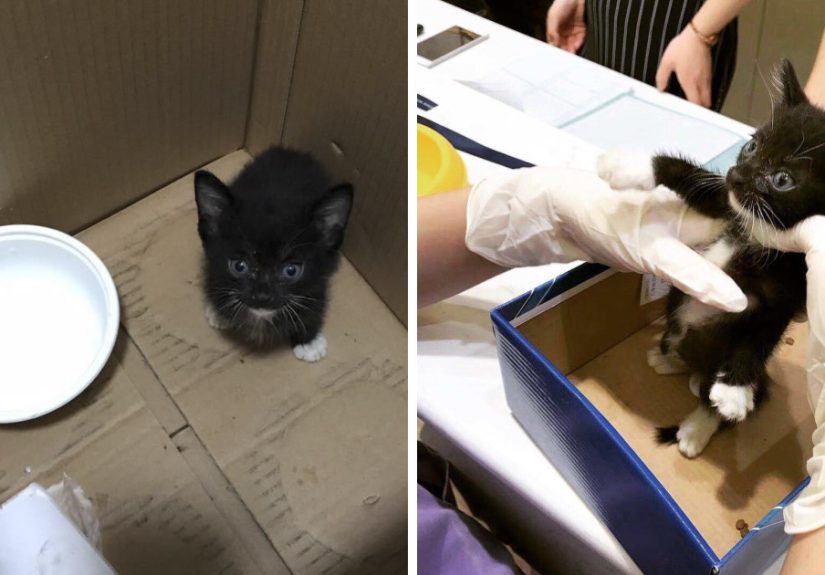
When we first found him, he was the sort of kitten people politely call “spirited.” Translation: he was filthy, scrappy, suspicious, and fully prepared to throw paws at anyone trying to help. He looked like he had just lost a wrestling match with a hedge, a rain puddle, and his own bad attitude. And yet, underneath all that grime and drama was something rescuers know well: a scared little life with a real chance to thrive.
This is the story of how a feisty dirty kitty became a dapper gentleman, and why these kitten rescue transformations never stop feeling like magic. It is also a reminder that behind every dramatic before-and-after cat photo is a lot of patience, a fair amount of laundry, and at least one person saying, “Well, now he owns the house.”
From Street-Side Gremlin to House Cat Royalty
At the beginning, he did not exactly radiate “future gentleman.” He radiated “I bite first and ask questions never.” His coat was matted. His face was crusty. His belly looked empty. His trust in humanity appeared to have been outsourced to another planet.
But rescue stories like this usually start the same way: a tiny animal is surviving, not living. He was all instinct and no luxury. No warm bed. No regular meals. No soft blanket to knead like a tiny biscuit-making machine. No reason to believe a human hand meant anything good.
That first phase of rescue is never glamorous. It is about the basics. Warmth. Cleanliness. Quiet. Safety. Food that arrives on schedule instead of by luck. A first veterinary check. A place where the kitten can exhale, even if he only does so in angry little bursts at first.
And that is the part people sometimes miss when they look at a handsome grown-up rescue cat stretched across a couch like he pays the mortgage. The glow-up does not begin with charm. It begins with stability.
Why Dirty Kittens Can Turn Into Dapper Cats
A rescued kitten’s transformation is not some mystical fairy-tale event where a bath and a bow tie solve everything. It happens because cats, especially kittens, are astonishingly responsive to safety, routine, and patient human interaction. When the world stops feeling dangerous every second, their real personality has room to show up.
1. Safety changes everything
A kitten that looks “mean” is often just overwhelmed. Hunger, cold, discomfort, parasites, noise, and fear can make any young cat seem spicy. Once those pressures start to fade, the famous “bad attitude” often turns out to be a mix of caution, survival instinct, and a very understandable distrust of giants who keep trying to touch his face.
Give that same kitten a warm room, a hiding spot, clean bedding, consistent meals, and a calmer environment, and the change can be dramatic. He stops defending every crumb of his existence and starts using his energy for more important things, like chasing toy mice and judging your outfit.
2. Socialization is the secret sauce
People love the cinematic version of rescue, but the real hero is repetition. Gentle handling. Short play sessions. Talking softly. Offering treats. Respecting boundaries. Letting the kitten learn that human hands are not chaos machines. Over time, those little moments stack up.
A feisty kitten does not become affectionate because somebody demanded it. He becomes affectionate because somebody kept showing up predictably. Trust is built in boring, beautiful increments. You refresh the water. You scoop the litter. You sit nearby. You drag a wand toy around the floor like an underpaid mouse. Eventually, the kitten decides you may be weird, but you are useful. From there, friendship can happen.
3. Health and grooming reveal the cat underneath
There is also the straightforward physical transformation. A dirty kitten cleaned up with proper grooming, balanced nutrition, parasite treatment if needed, and veterinary care can look like a completely different animal within weeks. Eyes get brighter. Fur gets softer. Bellies round out in the healthy way. Energy returns. Posture changes. Even their expression shifts.
It is hard to look dignified when you are grimy and exhausted. It is much easier once you are clean, fed, and deeply committed to sleeping in the middle of freshly folded laundry.
The Making of a Dapper Gentleman
Our feisty dirty kitty did not become a gentleman overnight. First he became less offended by breakfast. Then he became curious about toys. Then he became willing to approach without acting like he was negotiating with a rival mob boss. One day he accepted a pet. Another day he purred by accident and seemed mildly embarrassed by it.
That is how these changes happen. Not in one grand moment, but in a series of tiny, hilarious upgrades.
First came the grooming glow-up. The once-ragged coat started looking sleek. Then came the body language shift. His shoulders lowered. His tail became less of a warning label. His eyes stopped scanning every room like he was plotting an emergency exit. Then came the real turning point: swagger.
Once a rescue kitten discovers comfort, he often leans in hard. Suddenly he is not merely surviving the furniture. He is curating it. He picks the sunniest window. He develops favorite blankets. He strolls across the room with the composed confidence of a Victorian duke who has never paid rent in his life.
That is when the word dapper starts to make sense. Not just because he looks handsome, though he absolutely does. It is because he carries himself differently. Clean whiskers. Upright posture. Controlled stride. A face that says, “Yes, I did rise from chaos, and yes, I expect salmon.”
The funniest part is that the feistiness rarely disappears completely. It matures. The hissy little street kitten grows into the kind of cat who may tolerate a bow tie for exactly fourteen seconds before removing it with dignity and force. The spark stays. It just becomes charming instead of alarming.
What Rescue Teaches You About Cats
If you spend time around rescued kittens, you learn fast that cats do not all arrive in your home as polished companions. Some arrive emotionally rumpled. Some are confident. Some are clingy. Some are tiny anarchists with excellent cheekbones. And all of them tell you, in their own way, what they need.
Patience beats pressure
You cannot strong-arm a scared kitten into trust. The more you rush, the more he retreats. Rescue work rewards patience, not ego. You learn to celebrate the little victories: eating in front of you, staying in the room, playing without bolting, curling up nearby, blinking slowly instead of glaring like an unpaid bouncer.
Routine is kindness
Cats love predictability. A reliable feeding schedule, consistent handling, a calm resting space, and familiar objects help the nervous kitten understand that life is no longer random. That routine becomes the framework for confidence.
Respect creates connection
The best rescue outcomes happen when humans stop expecting instant gratitude. A rescued kitten does not owe you cuddles on day one. He owes himself survival. Once you respect that, the relationship gets better. He comes forward because he wants to, not because he has run out of options.
If You Ever Find a Feisty Dirty Kitty, Start Here
Rescue stories are heartwarming, but real-life kitten rescue also calls for good judgment. Not every kitten outside is abandoned, and not every frightened kitten is suited to the exact same plan. The smartest first move is observation, not panic.
If a kitten appears sick, injured, dangerously exposed, or clearly in immediate trouble, contact a veterinarian, shelter, or rescue group as quickly as possible. If the kitten is dirty but alert, it may still be wise to pause, assess the situation, and determine whether a mother cat is nearby or whether the kitten is part of a managed outdoor cat group.
When intervention is needed, foster-style care often makes a big difference. A quieter home environment can help a young cat recover physically and learn how to live around people. Slow introductions to the home, gentle socialization, regular vet care, and age-appropriate play can turn fear into confidence.
The goal is not to create a “perfect” cat. The goal is to help the kitten become healthy, secure, and understood. Sometimes that leads to a cuddly lap cat. Sometimes it leads to a lively, independent gentleman with strong preferences about cushions. Either way, it is a win.
The Best Part of the Glow-Up
The best rescue transformations are not really about looks, though the before-and-after photos do deserve their applause. They are about emotional change. A kitten who once flinched begins to relax. A kitten who once hid starts to explore. A kitten who once looked at every human like a suspicious tax audit begins to seek affection.
That is the part that hits hardest. You are not just watching a cat become handsome. You are watching him feel safe enough to be himself.
And for our once-feisty dirty kitty, that self turned out to be delightful: confident, playful, opinionated, deeply photogenic, and just formal enough in his grown-up posture to earn the title of dapper gentleman. He did not lose his personality. He simply got the chance to grow into it.
In the end, rescue is not about changing who a cat is. It is about removing the hardship that kept his best self buried under stress, dirt, hunger, and fear. Do that, and the transformation can feel almost unbelievable. Almost.
Then he hops onto the couch, tucks his paws, blinks at you like royalty, and you think: actually, yes. Of course he was always this magnificent. He just needed a little help remembering.
More Experiences From Life With a Reformed Rascal
Living with a rescued kitten who grows into a polished adult cat is a little like watching a street musician turn into a symphony conductor while still keeping the same mischievous grin. The elegance comes later, but the personality is there from the beginning. That is what makes the journey so rewarding.
At first, every day felt like a negotiation. We were not exactly roommates yet. We were more like two nations with a tense border and a shared interest in canned food. He wanted space. We wanted to help. So we learned to meet in the middle. We sat on the floor more. We moved slower. We let toys do the introductions when hands felt too scary. And gradually, that distance started to shrink.
One of the funniest parts of the experience was seeing how quickly he developed preferences once he realized he had choices. The kitten who once seemed grateful for simple survival became very specific about blankets, meal timing, and the proper speed of wand-toy movement. Apparently, not all feather toys are created equal. Apparently, water tastes better from one bowl than another identical bowl located three feet away. Apparently, the chair by the window was his now, and we were lucky to be informed.
That is the thing about rescue cats: once they feel secure, they often bloom into huge personalities. The scared kitten became a cat with rituals. Morning patrol. Afternoon sunbath. Evening zoomies. Midnight hallway inspection for crimes. He even developed a signature sitting pose that made him look like a tiny mayor preparing to address the town.
We also learned that confidence and tenderness can grow side by side. He did not stop being bold. He simply stopped using boldness as armor. What used to look like aggression became playfulness. What used to sound like protest became chatter. What used to be suspicion turned into watchfulness, then curiosity, then affection on his own terms.
And those “own terms” moments are the ones people remember. The first time he climbed into a lap without being lured. The first time he slept so deeply that his paws twitched in a dream. The first time he greeted us at the door instead of darting away. Those are small things in theory, but in rescue they are enormous. They mean the animal has stopped bracing for the worst.
Over time, his whole vibe changed. The scruffy little troublemaker became a glossy, self-possessed house cat with the energy of a gentleman who appreciates both comfort and drama. He could look regal while sitting in a cardboard box. He could appear offended by the weather indoors. He could accept compliments like they were overdue. In other words, he became exactly the kind of cat people fall in love with: complicated, funny, resilient, and absurdly charming.
That is why stories like this matter. They remind us that rescue is not just about saving animals from one bad day. It is about giving them enough good days in a row that they can finally become themselves. And sometimes the result is not merely a healthy cat. Sometimes the result is a full-blown dapper gentleman with immaculate whiskers, a strong jawline, and zero memory of his humble beginnings, except perhaps when he side-eyes the vacuum cleaner like an old enemy.